Boating crashes and deaths have surged across Florida. This is what we’re facing now
Florida is a deadly place to be on a boat.
Over the past year, the state has seen a surge in crashes and fatalities on the water. The grim statistics come at a time when people are hooking up their boats to trailers and heading to the ramps for the holiday weekend.
The two scenarios — a boating traffic jam mixed with a record of carnage — has authorities warning everyone: Be careful out there.
As South Florida heads into Memorial Day weekend, the Coast Guard and state fish and wildlife officers are urging boaters to follow basic life-saving measures at the same time a new report shows that the Sunshine State leads the nation in vessel crashes.
And, within the state, most of those crashes, including fatal ones, happened in the Florida Keys and Miami-Dade County, according to the Florida Fish and Wildlife Conservation Commission, the agency that enforces laws and handles crash investigations in state waterways.
The main message: Think of navigating the bay or ocean no differently than driving on a highway.
“It is important for boaters to keep in mind that a vessel should be treated with the same responsibility as a car or truck so everyone can enjoy Florida’s beautiful waters,” said Lt. Seth Wagner, of FWC’s Boating and Waterways section.
That means, just like a car, it’s illegal to operate a boat under the influence of alcohol. And just like on I-95 this holiday stretch, you may see lots of cops on the waterways as well.
Fish and Wildlife, the Coast Guard, the Monroe County Sheriff’s Office and the Miami-Dade County Police Department promise to be out in force to make sure you’re obeying boating laws.
“We’ll be out looking for impaired boaters and making sure everyone has a safe experience on the water,” said Officer Bobby Dube, spokesman for the FWC’s Florida Keys operations.
Monroe sheriff’s spokesman Adam Linhardt warns: Just like going out on the town for drinks, if people want to have a few adult beverages while fishing or hanging out on the various sandbars and islands in the Keys, make sure there’s a designated driver who won’t be drinking.
“Many people head offshore to have a good time, but boaters should make sure to designate someone sober to bring the vessel and its passengers back to shore safely,” he said.
Keys law enforcement is also expecting heavy traffic up and down U.S. 1, the only major highway through the archipelago. And Monroe’s sheriff is warning people to plan ahead if they’re hitting the road. The agency has assigned extra deputies to keep an eye out for traffic scofflaws.
“We always see extremely heavy traffic over Memorial Day weekend, and this coming holiday weekend will be no exception,” Sheriff Rick Ramsay said. “We will be in particular looking out for people passing in no passing zones, passing illegally in turn lanes, traveling at unsafe speeds and drinking and driving.”
Law enforcers will also be making random safety checks on the water to make sure vessels have all the required lifesaving equipment aboard, like life jackets for every person on the boat; a fire extinguisher; a sound-producing device like a bell, horn or whistle; and proper navigational lights.
The Coast Guard recommends children under 12 should always wear a life jacket when on the open deck.
Grim statistics
It doesn’t take a holiday wave of boating traffic to cause trouble on the water.
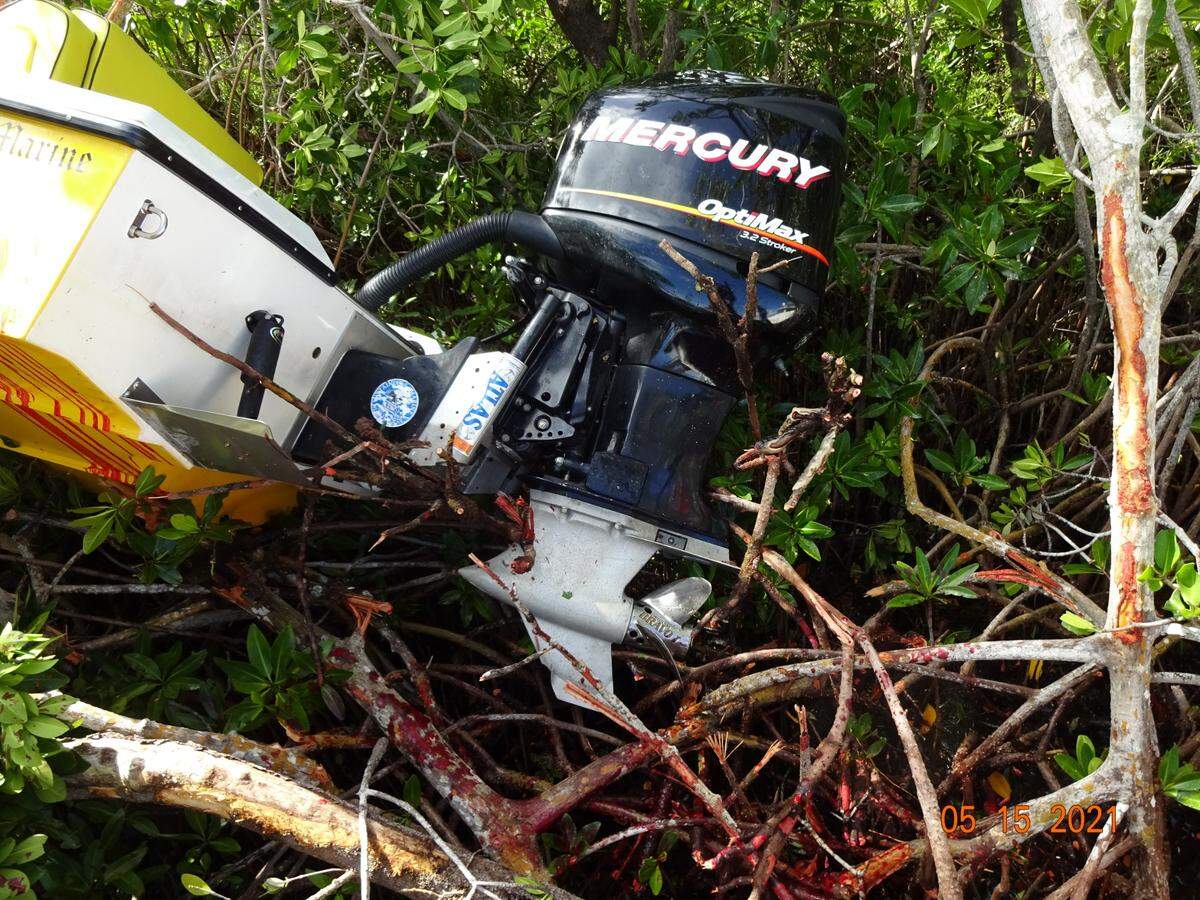
According to the FWC’s report on 2020 boat accidents, which the agency released in May, Florida saw an increase of 113 incidents over the previous year, a 16% jump. And 79 people died, 14 more on-the-water fatalities than in 2019, the report stated.
The majority of the accidents — 58% — happened in 10 counties, with Monroe County, which includes all of the Florida Keys, having the most. Nine people died in boating accidents throughout the island chain in 2020, according to the report, in 99 reported boating accidents.
What caused most of the crashes?
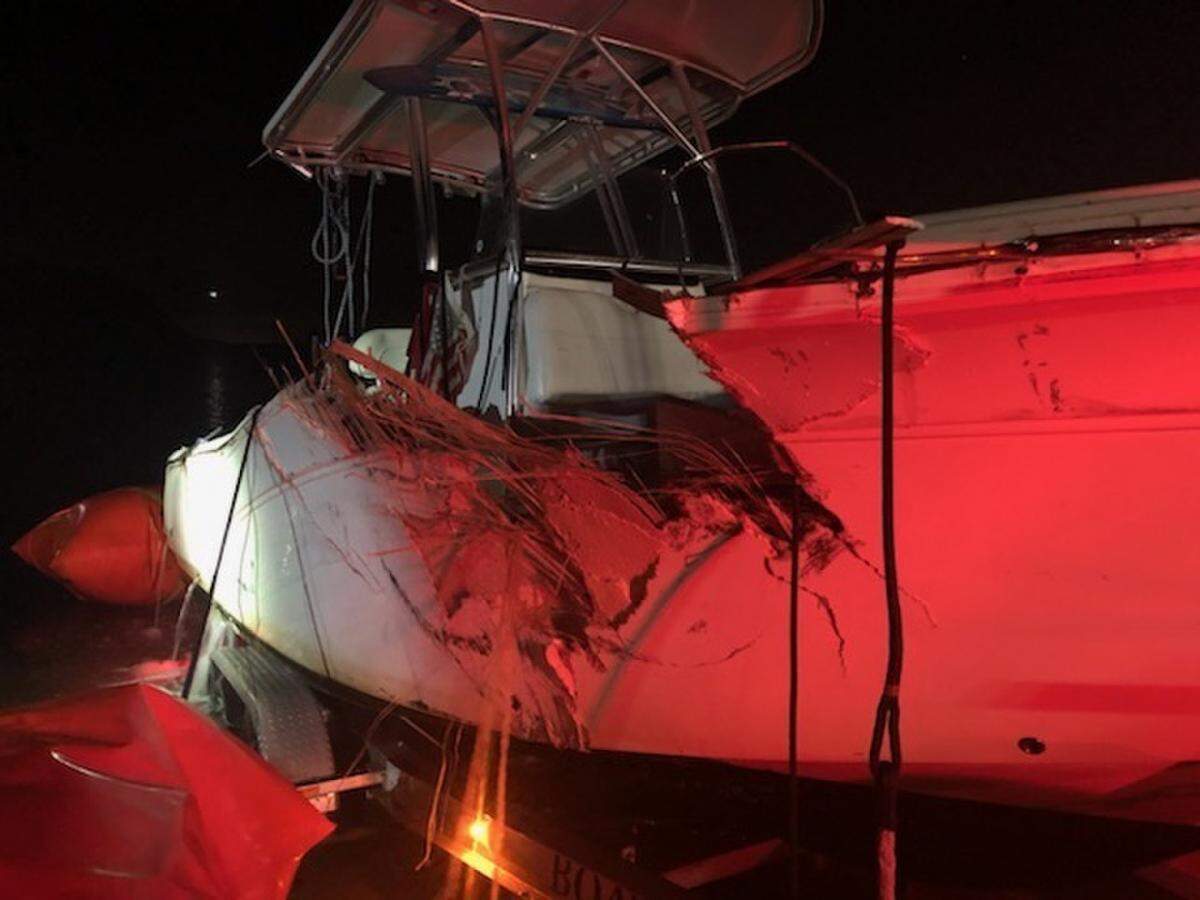
The majority of the incidents happened because of inattentive boat operators, according to the report, and the main type of accident was a collision with another boat. The type of vessel in most of the accidents in the Keys in 2020, according to the report, was an open motorboat less than 12 feet in length.
Miami-Dade County was second on the list for boating accidents — 95 — in the state. Five people died in these incidents, according to the Florida Fish and Wildlife Conservation Commission. The most common type of vessel associated with accidents in Miami-Dade: a vessel with a cabin. Personal watercraft was next on the list, according to the report.
The other counties in the top 10 for vessel accidents in Florida, according to the FWC, are Palm Beach, Pinellas, Lee, Okaloosa, Bay, Collier, Manatee and Sarasota.
The FWC said the majority of boating deaths since 2003 happened after a person fell overboard and drowned, something a life preserver could have prevented. In fact, according to Wagner, 88% of those who died in boating accidents in the past 17 years were not wearing one.
“FWC continues efforts to reduce the number of boating-related fatalities through education about the importance of wearing life jackets while boating,” the report said.
The agency reminds people that modern life jackets aren’t the bulky orange vests of old, and can be worn comfortably and conspicuously.
“Today’s boaters can choose from several models of light and comfortable, inflatable belt-pack or over the shoulder life jackets that can be worn while fishing or enjoying the sun,” Wagner said. “Events can happen quickly and unexpectedly, and boaters might not have time to grab their life jacket before finding themselves in the water.”
“The message is clear, ‘Life Jackets Save Lives,’” he said.
How to survive on the water while boating
In addition to ensuring vessels have the proper number of life jackets on board and encouraging vessel operators to stay sober, the Coast Guard issued several other tips this week to stay safe on the water:
- Have a float plan: Before leaving the dock, you should give a friend or family member a float plan that includes where you are going, when you expect to be back, your vessel’s description and a list of who’s on the boat. If you decide to change the voyage while on the water, let someone know.
- Have a marine radio: Have a marine radio set to channel 16. The Coast Guard says it’s the best method of communication on the water. Cellphones are also good, but the Coast Guard said they can be unreliable because of gaps in coverage areas or batteries dying.
- Ask the captain: If you are chartering a boat, ask the captain to see his or her merchant mariner credentials.
- Check the weather: Check the forecast for storms, tides, currents and winds. Be sure to know the weather limitation of your boat, kayak or paddle board.
- Dive safely: When scuba diving or snorkeling, always use a dive flag. If operating a boat or personal watercraft, always look for dive flags.
- Beacons recommended: Always go out on the water with an Emergency Position Indicating Radio Beacon. An EPIRB is a device that transmits a distress signal to rescuers through a satellite system.
This story was originally published May 27, 2021 at 12:32 PM.