Monroe County to close U.S. 1 to tourists into the Florida Keys due to COVID-19 concerns
Monroe County officials reversed themselves hours after they said they were not closing the only major highway into the Florida Keys as part of the effort to stop the spread of the novel coronavirus.
The county decided Tuesday afternoon to place a checkpoint on U.S. 1 at mile marker 112.5 on the 18-mile stretch leading to Florida City on the mainland.
There will also be another one on State Road 905, which is the other, less-traveled road into the Keys, said Kristen Livengood, the county’s spokeswoman.
Monroe County Mayor Heather Carruthers Tuesday morning said during a press conference that there were no immediate plans to close the road.
It’s not immediately clear what changed, but Sheriff Rick Ramsay, who said he was not the one to make the decision, said many city leaders in the Keys wanted the highway closed to tourists.
Ramsay said he decided to place the checkpoint at mile marker 112.5, the county line, and not in Florida City, where it was after Hurricane Irma in 2017. The reasoning was so traffic did not back up into Florida City and Homestead, Ramsay said.
“We wanted to be part of the solution, not the problem,” he said.
The checkpoints will be manned by sheriff’s office deputies and some troopers from the Florida Highway Patrol assigned to the Keys, Ramsay said.
Livengood said in a press release that the checkpoints will be in operation “no later than Friday.”
“Only residents, property owners and those actively involved in work in the Florida Keys will be admitted, including fuel tankers, delivery and grocery trucks,” she said.
Acceptable proof of residency includes a hurricane re-entry sticker, local identification card, utility bill, deed, lease or tax bill, Livengood said.
People who work in the Keys will have to show police either a letter from their employer, an employee ID, a pay stub or current construction contract.
“First responders, healthcare workers and military actively engaged in work in the Keys will need proper IDs,” Livengood said.
Noting that 30 percent of first responders working in the Keys live in Miami-Dade County, and 60 percent of property owners are not full-time residents, Carruthers said earlier in the day that shutting down U.S. 1 in Florida City would lead to logistical problems. She said the shutdown of the road would prevent people who have reasons to be in the Keys from traveling to the island chain.
“That will still slow things down for people who live here legitimately and support our economy,” Carruthers said during a news briefing.
Keys residents, especially those who live in the Upper and Middle Keys, also travel to and from the mainland on a regular basis for work and to buy supplies. She said she worried a checkpoint to verify people who have legitimate reasons to come to Monroe County would create an undue burden.
Carruthers said the situation with COVID-19 is different from checkpoints erected during and after hurricanes.
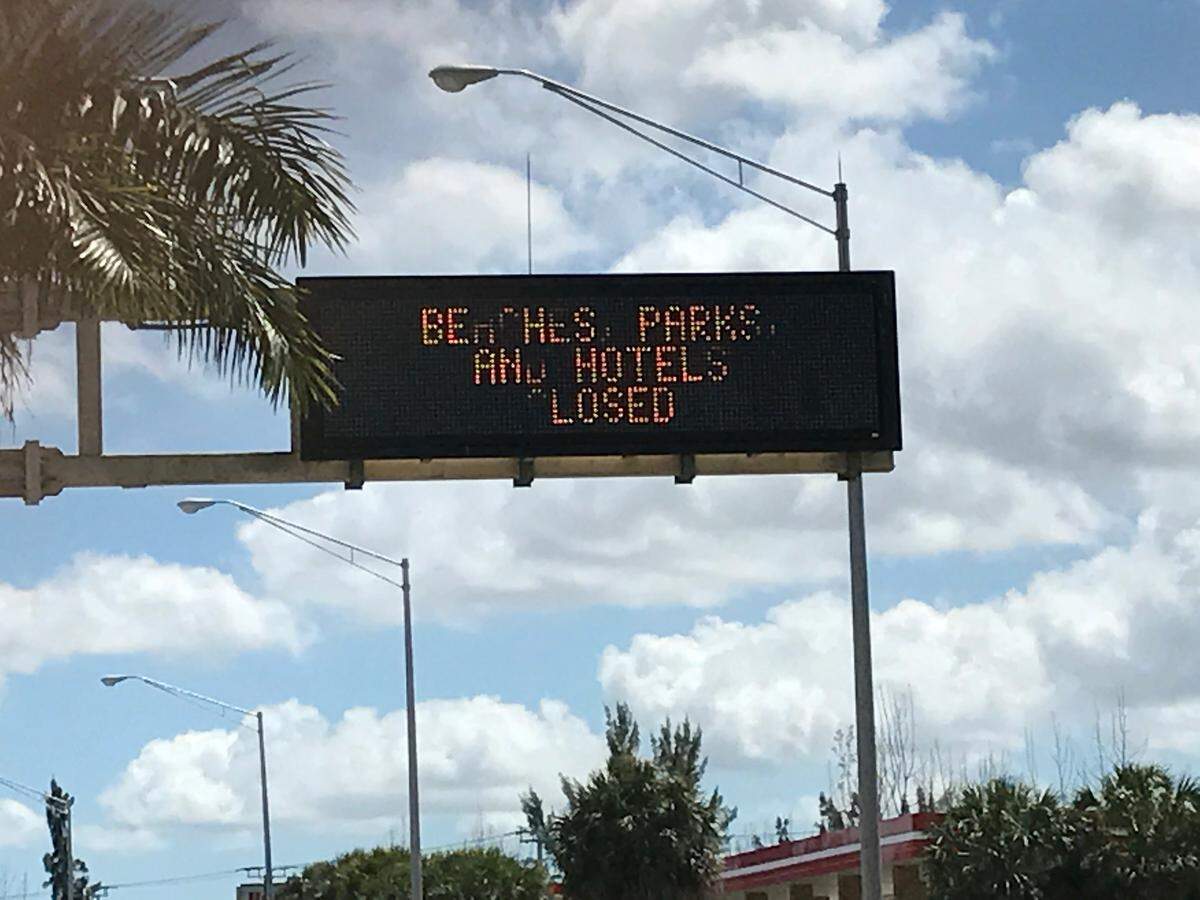
She added that the restrictions already put into place, like the order last week to close all hotels and short-term rentals, have been effective in reducing traffic into the Keys.
County officials say highway travel is down by half compared to what it should be this time of year, the peak of the busy winter tourist season. And tourists have largely stopped flying into the Key West International Airport.
Richard Strickland, director of airports for the county, said many more people are leaving the Keys by plane than are flying in. He said Tuesday that on average, about 4 to 12 people may be on an arriving plane, while the outbound flights have been carrying between 60 and 76 passengers.
As of Tuesday afternoon, the Florida Department of Health has confirmed that three people in the Keys have tested positive for COVID-19.
Down in Key West, leaders said they don’t see as many tourists driving down now. It’s an Upper Keys complaint, they said.
“We don’t have a problem here in Key West and in the Lower Keys,” said County Commissioner Craig Cates, the former mayor of Key West.
“Residents of the Upper Keys were complaining of all the daytrippers coming in,” said Cates. “That’s the reason I supported doing this is because of them.”
Cates said the checkpoint shouldn’t affect the supply chain to Key West from the mainland.
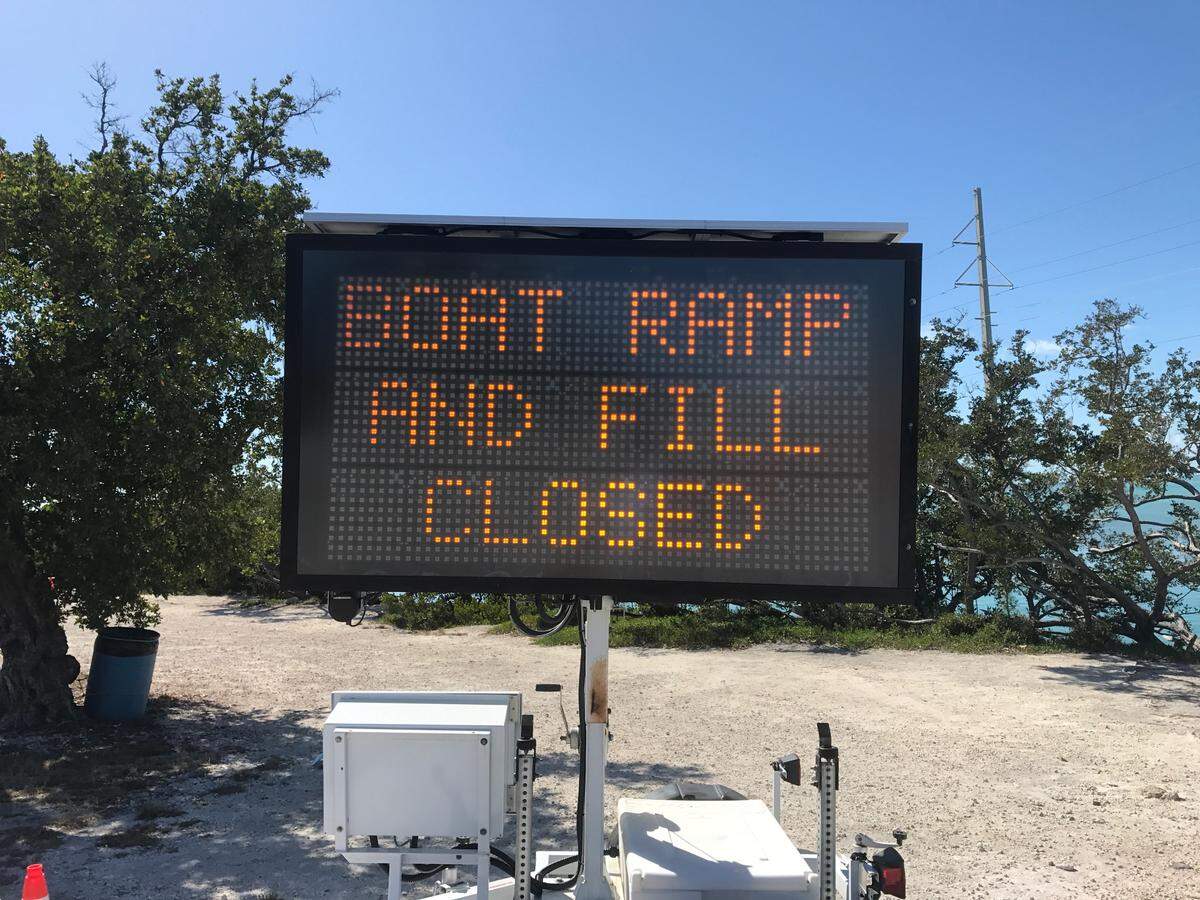
“I don’t think any delivery trucks will even be stopped,” Cates said. “They may be looking for people going down there to fish off the bridges, going into the neighborhoods, bringing their boats down putting them in, going to the sandbars. That’s where they have a problem.”
This report will be updated as more information becomes available.
This story was originally published March 24, 2020 at 2:32 PM.