As cost of living rises, fewer people are moving to Florida — and more are leaving
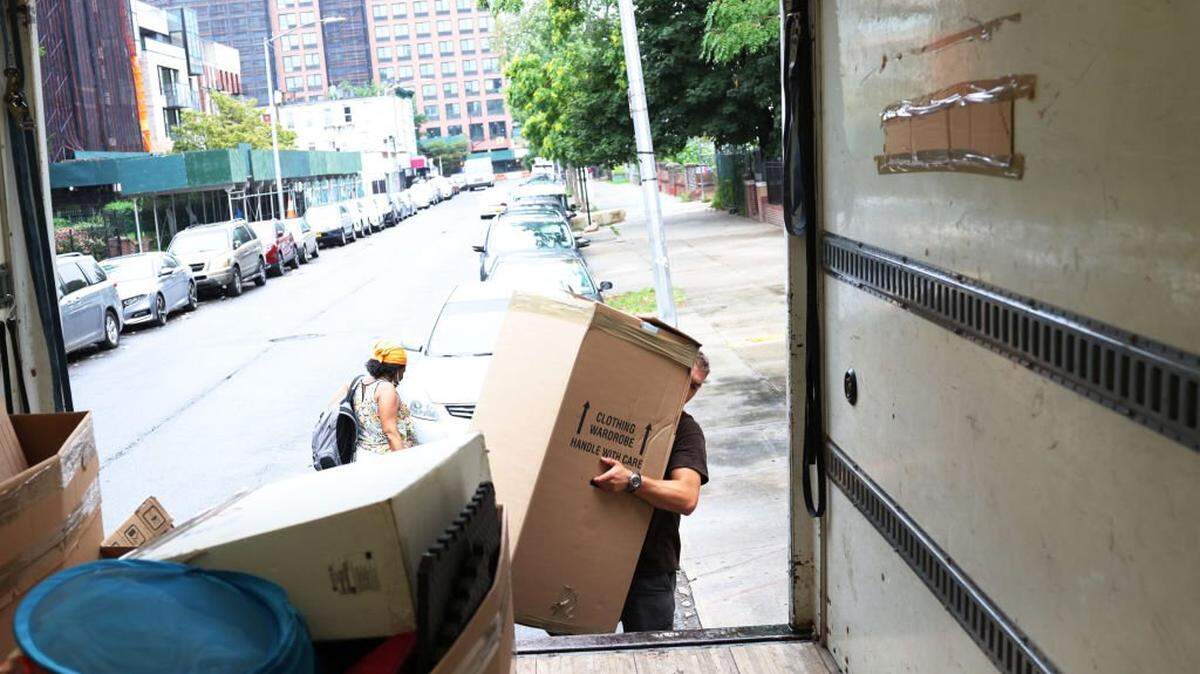
Once the darling of American transplants, Florida’s appeal seems to have dimmed.
Just three years ago, Florida ranked among the nation’s top destinations for people making a move.
But that momentum seems to have faded. Florida still offers the warm climate and favorable tax structure that remain major draws, but it’s lost ground on the crucial affordability factor.
In the year through November, just over half of global moving company Atlas Van Lines’ Florida-related moves were inbound, the firm said in its annual Migration Patterns Study — a near-even split between people moving in and moving out that marks a sharp shift from the pandemic era, when Florida ranked among the nation’s strongest inbound states.
During the COVID-era peak, 60% of Atlas’ Florida moves were inbound — then the fourth-highest ratio in the country — as the state became the fastest-growing in the U.S., per Census estimates. But in 2025, for the second consecutive year, inbound moves accounted for only about half of the company’s Florida relocations, among the lowest shares Florida has posted in more than a decade.
While the moving company cites Florida’s warm climate and lack of a state income tax as serious draws, rising housing costs, insurance premiums and climate concerns are increasingly pushing out residents, said Chellsie Parker, a representative of Atlas.
Nationally, moving has slowed to its lowest level in decades. Only about 11% of Americans moved in 2024, down from more than 14% a decade earlier, according to Atlas, thanks in part to high housing costs nationwide.
Florida’s looking less sunny
States such as Arkansas, Idaho and North Carolina — where housing costs are generally lower — topped Atlas’ inbound migration rankings this past year, outpacing Florida’s middle-of-the-pack showing. In addition to good weather and low taxes, Parker cited low housing costs and expanding job markets as important draws for people relocating.
Atlas’ findings are based on the company’s moving jobs, not government data. And while the U.S. Census Bureau’s most recent internal migration figures only run through 2023, they too suggest a sharp slowdown in Florida’s domestic in-migration.
Florida netted nearly 250,000 residents via migration in 2022. But one year later, it gained just over 126,000 — a return to roughly pre-pandemic levels, according to the Florida Chamber of Commerce’s 2024 Florida Migration Trends Report, which analyzed Census data.
That slowdown hasn’t been evenly distributed across the state’s population. The Chamber found that people in their 20s were moving out of Florida faster than they were moving in, while net migration remained positive for people over the age of 50. The Chamber warns that trend could shrink the state’s labor force while adding to its retirement-age population.
Affordability pressures, particularly housing costs, could explain the uptick in people leaving Florida, said Parker.
Across the country, housing has become increasingly out of reach since the pandemic. Housing is considered affordable when costs do not exceed 30% of median household income, and nationally, that figure now exceeds 40%, according to the Federal Reserve Bank of Atlanta’s Home Ownership Affordability Monitor.
In the Miami metropolitan area, which includes Broward and Palm Beach counties, the gap is even wider. Housing costs consume roughly 60% of the median household income, the Atlanta Fed estimates. The typical Miami-area homeowner pays nearly $4,100 per month, including about $2,800 toward the home itself, $537 for insurance and $468 in property taxes.
Residents are feeling the squeeze. Nearly half of Floridians are living paycheck to paycheck.
Meanwhile, nearly 80% of Floridians say buying a home is harder than it was five years ago, according to a recent Florida Atlantic University College of Business survey, with more than a third of respondents citing high prices as the principal barrier. Half of respondents said they have considered leaving the state because of the cost of living.
The same forces that once pulled newcomers into the state are now pushing some out.
This story was produced with financial support from supporters including The Green Family Foundation Trust and Ken O’Keefe, in partnership with Journalism Funding Partners. The Miami Herald maintains full editorial control of this work.