Miami’s Jewish and Catholic leaders meet to mark landmark interfaith pact 60 years ago
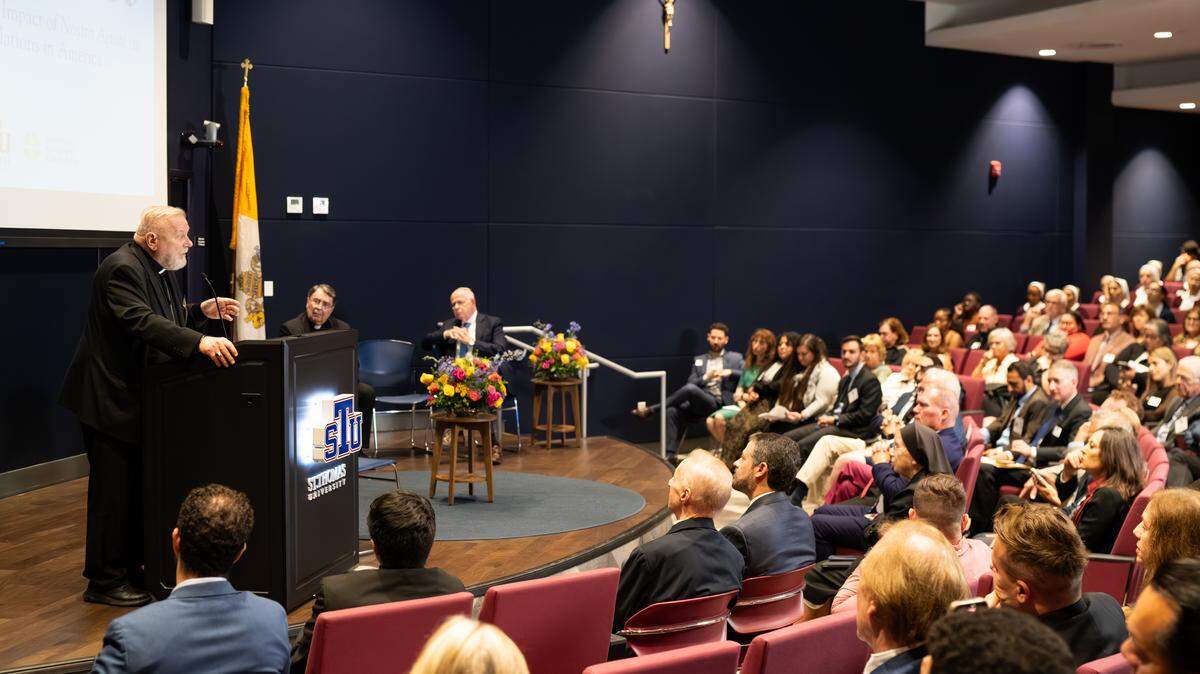
In a time of religious and cultural polarization, leaders from the Catholic and Jewish communities came together this week to mark an important milestone in the history of the Catholic Church — one that was transformative in repairing Catholic-Jewish relations.
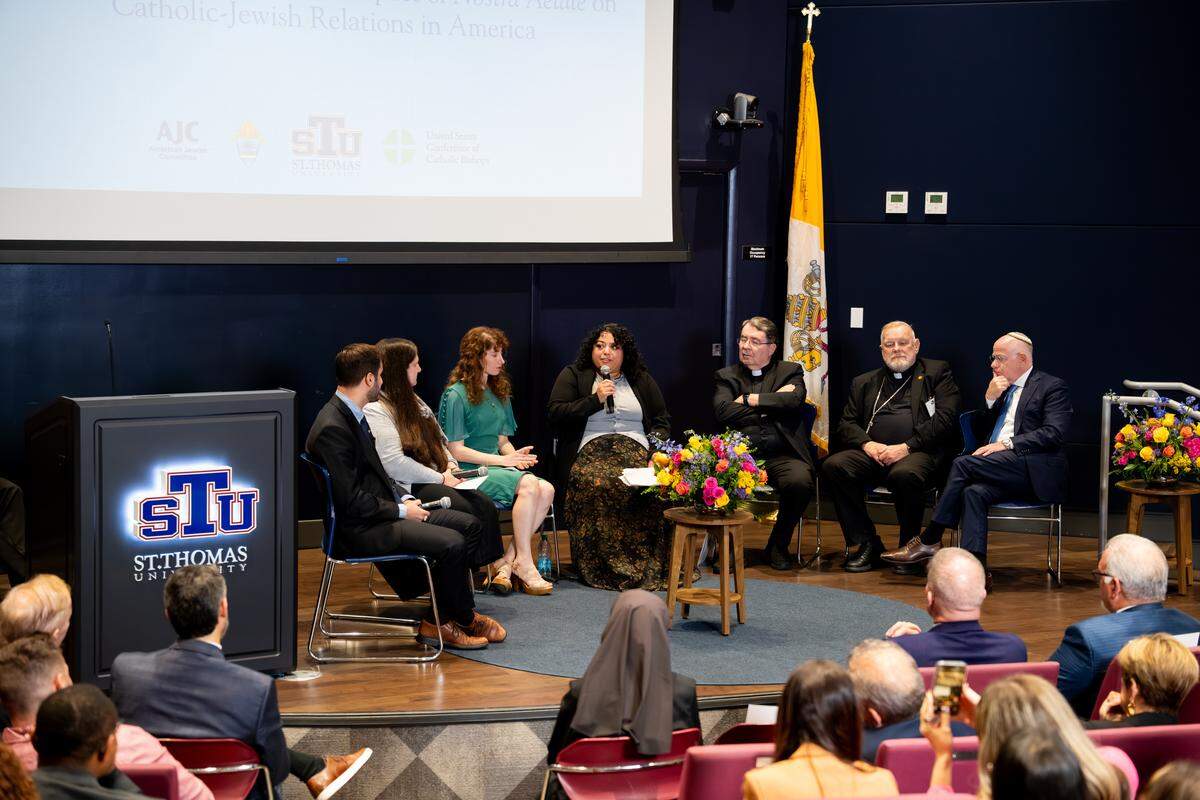
Hosted by the Archdiocese of Miami and the American Jewish Committee, the panel event on Monday night celebrated the 60th anniversary of what some have called the most “radical” document to come out of the Second Vatican Council.
In the historic declaration Nostra Aetate, or “In Our Times,” the Catholic Church opened the door to interfaith relationships between Catholics and non-Christian religions — including Jews, Muslims, Hindus and Buddhists.
The landmark document, made known by Pope Paul VI in 1965, denounced antisemitism and combatted the narrative that Jews should be collectively blamed for Jesus’ crucifixion.
The panel hosted at St. Thomas University, featured remarks from national Catholic and Jewish leaders, including Cardinal Christophe Pierre, Miami Archbishop Thomas Wenski, and prominent local rabbi Mario Rojzman, who said Nostra Aetate came at a moment when “wounds were still raw and trust seemed impossible,” between Catholics and Jews, referencing the post-Holocaust era.
“It means refusing to let differences become weapons,” said Rojzman who is the senior rabbi at Beth Torah Benny Rok Campus, a conservative synagogue in North Miami Beach. “A Nostra Aetate moment is not just about interfaith dialogue, it’s about discovering that our faith becomes deeper, truer when it opens the faith of another.”
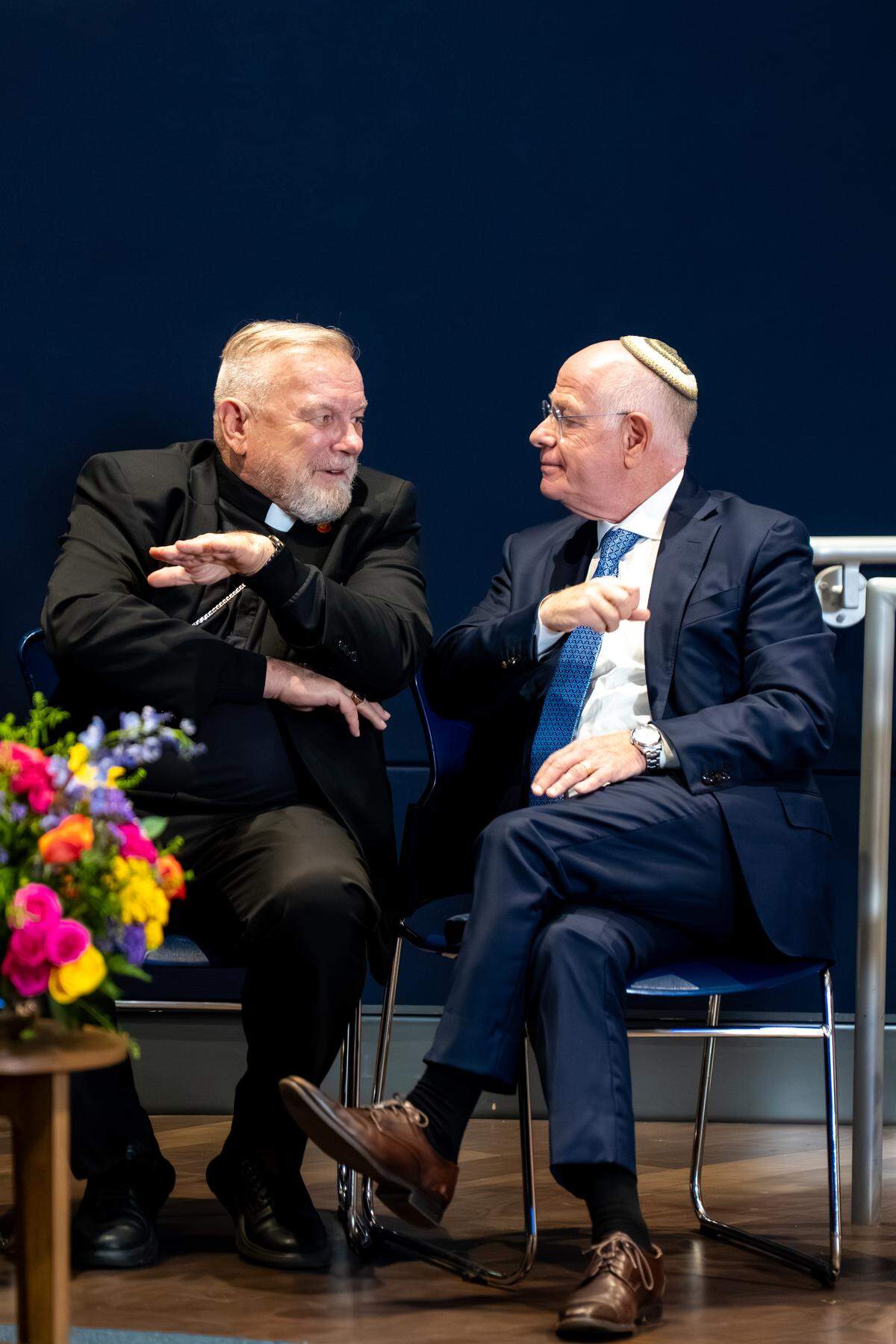
Cardinal Christophe Pierre, who is an Apostolic Nuncio, or Vatican ambassador to the United States, said the brief document had “immense impact” over the past 60 years.
“These words were revolutionary in their time,” Pierre said. “It was the seed from which a tree of dialogue, study and friendship has grown. Today, in a gathering like this, we continue to move from dialogue to genuine encounter, from encounter to shared responsibility.”
While the 60-year anniversary of the document triggered the event at St. Thomas University, it also came at a pivotal time for contemporary interfaith relations, which have been fraught since the start of the Israel-Hamas war.
Jews have seen a rise in global antisemitism, Muslims have cited rising Islamophobia, and Christians have seen attacks on their faith as well. In some cases, the religious hate has led to hate crimes and violence, such as the recent mass shooting at Annunciation Catholic Church in August, which was mentioned by faith leaders during the panel.
Rojzman said the partnership between Jews and Catholics is “essential” today, and now more than ever since the attacks on October 7th, which led to a rise in anti-Jewish hate.
“Antisemitism is growing in shocking ways, and old prejudice sometimes appear in new forms,” Rojzman said. “The world needs to see Jews and Catholics standing together, not because we agree on every doctrine, but because we agree that every human being is sacred.”
The rabbi has a long history of interfaith work, including leading a 2017 mission trip to Rome where he brought 47 members of his synagogue to meet with Pope Francis. At the panel, he encouraged the crowd of Jews and Catholics to think of moments in their lives when they embraced the “other.”
“A Nostra Aetate moment is the moment is when a Catholic says, Without Judaism, there will be no Jesus, there will be no Mary, the apostles, there will be no church ... it’s when a Jew can declare without Christianity .. hundreds of millions of people will never have known the 10 Commandments given to Moses at Mount Sinai,” he said.
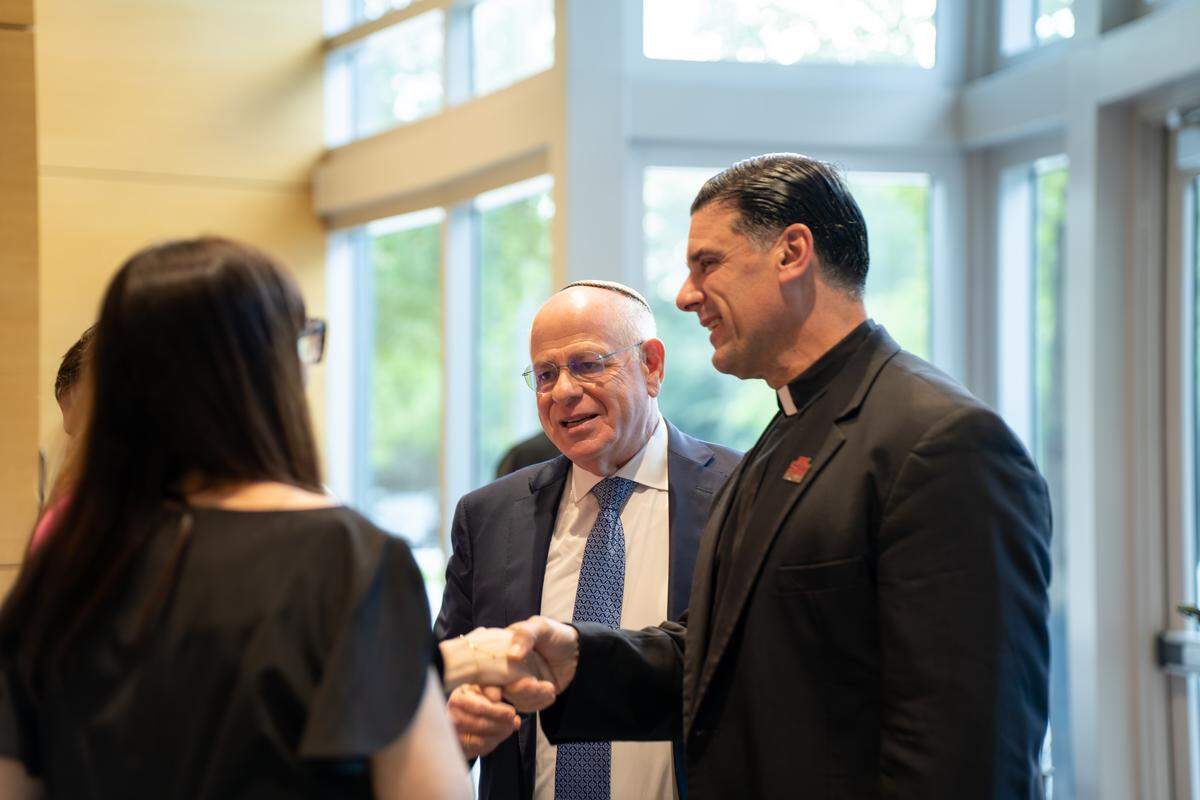
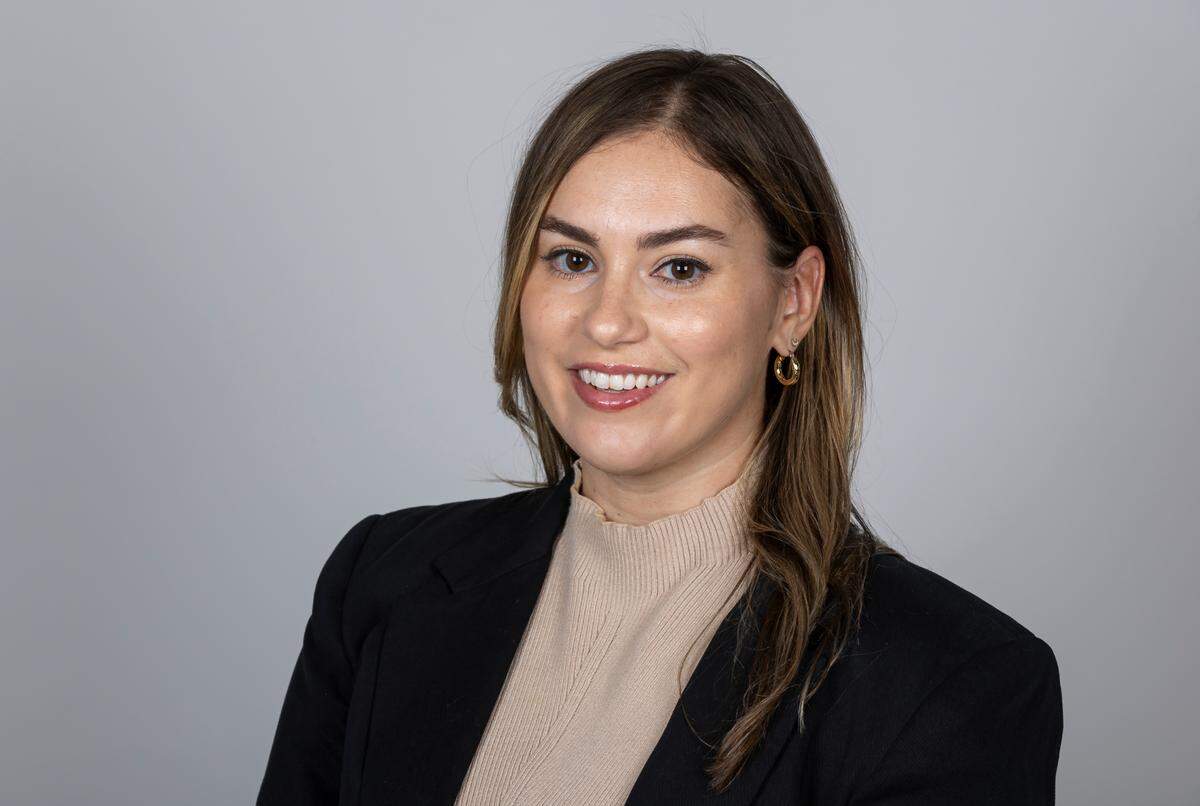
During a panel discussion with young leaders from an interfaith program called “Religion for the Common Good,” Rabbi Lila Chertman, who was ordained as a rabbi over the summer, spoke about her experience growing up Jewish in a majority Catholic area in Peru. She said she makes it a point in her own life to invite non-Jewish friends to High Holy Day celebrations, and added that interfaith relations should also include other religions, like Islam.
“We don’t need less religion. We need better religion. We need better religious people, and programs like this that let us talk about our faith really help us to do that in a way that’s not pushing anything down anybody’s throat. We’re just sitting and listening,” Chertman said.
To close out the night, Archbishop Wenski pointed out that interfaith dialogue is not about “splitting the differences” but instead about respecting one another’s beliefs.
“The purpose is to hear each other, so that when we speak about one another, we recognize ourselves in what is being said by the other,” Wenski said. “And if we do that, then we have made great progress, and we become witnesses to the world that yes, people can live together in peace, harmony and unity.”
This story was produced with financial support from Trish and Dan Bell and from donors comprising the South Florida Jewish and Muslim Communities, including Khalid and Diana Mirza, in partnership with Journalism Funding Partners. The Miami Herald maintains full editorial control of this work.
This story was originally published October 22, 2025 at 7:32 AM.