Struggling in silence. How South Florida’s Muslim community tackled the suicide stigma
About five years ago, an Islamic cemetery in South Florida began noticing a troubling trend. Deaths by suicide were occurring at alarming rates — and no one was really talking about it.
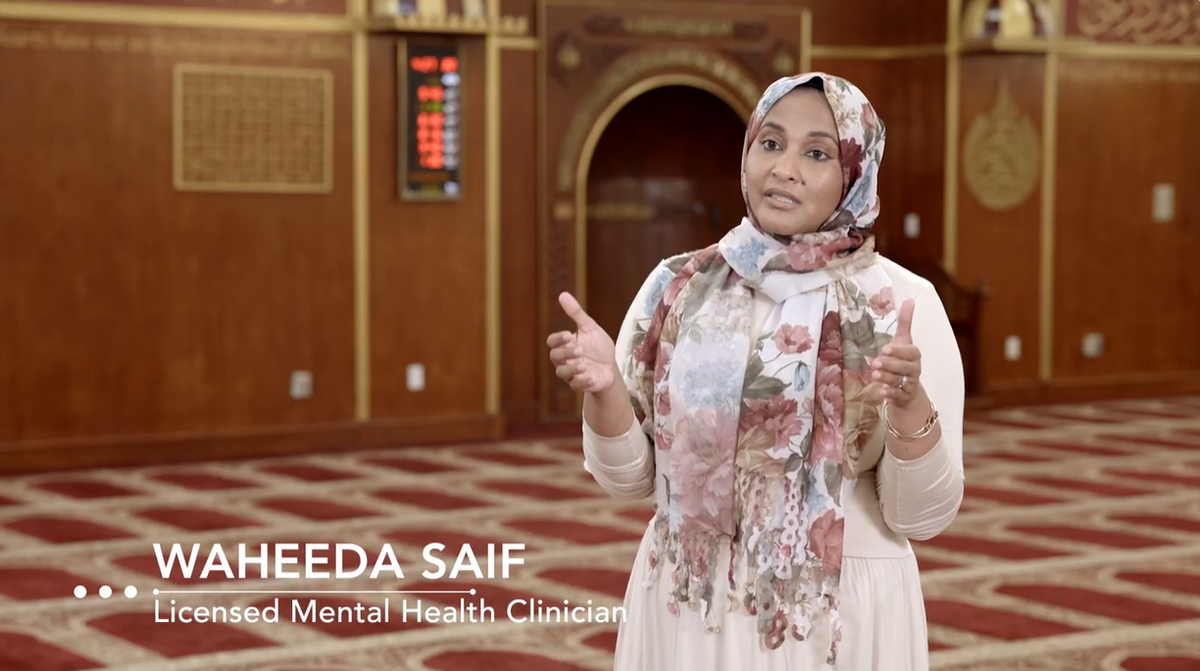
One of the main problems, according to the owners and operators of the Muslim Cemetery of South Florida, is that families often try to cover up suicides to avoid public shame for breaking religious rules, making it even more difficult to track.
The silence in the community only made things worse, said Ghulam Dandia, director and trustee of the Bism Rabbik Foundation, the nonprofit that has operated the Muslim Cemetery of South Florida since 2011.
“When somebody well-known in your community commits a suicide. You start to look at things and you say ‘What other things are we missing? And that’s why we started tracking,” Dandia told the Miami Herald. “Come to find out the numbers have escalated way beyond our imagination.”
The Muslim Cemetery of South Florida — the only cemetery in South Florida operated by and specifically for Muslims — began tracking cases for their own records. What they found startled them: an average of 2 to 3 suicides per month, with spikes up to 7 in a month over the last five years.
“We had to raise an alarm in the community,” Dandia said. “Somebody needed to do something, to find a cause for it.”
READ MORE: Group seeks a new Muslim cemetery in Miami-Dade. Neighbors oppose the rezoning
In many faith traditions, mental health can be a stigmatized topic, discouraging open dialogue for those struggling with issues like depression or anxiety. The same goes for the Islamic faith — which forbids suicide, according to the Quran.
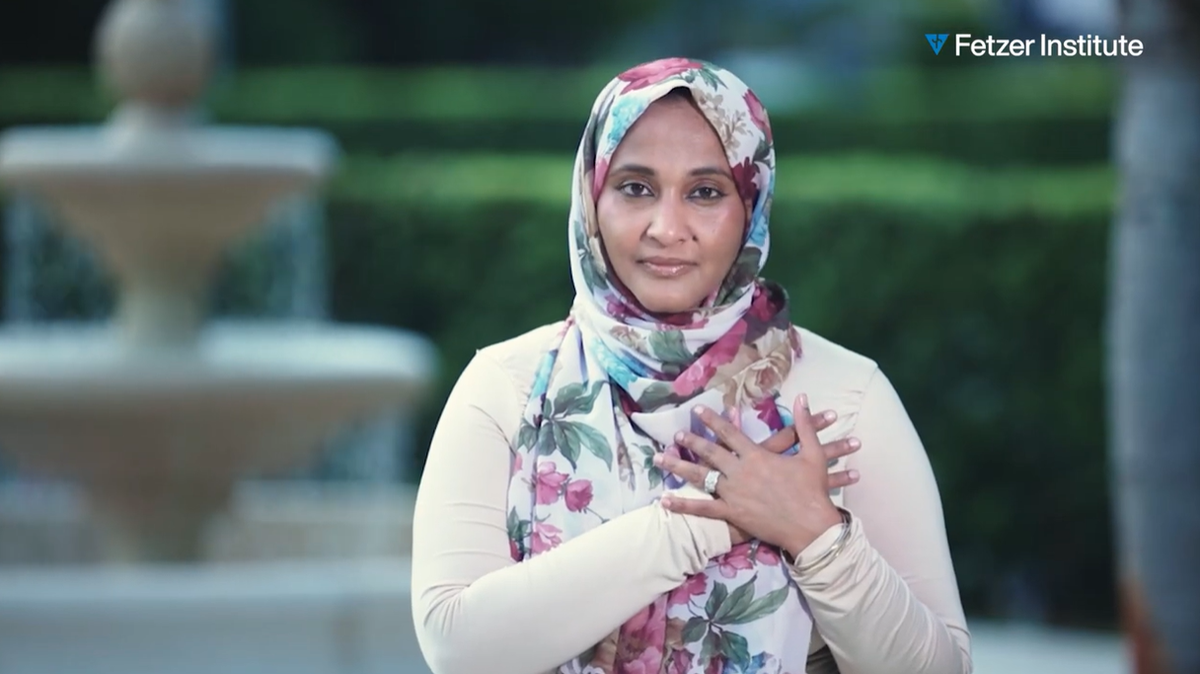
A new documentary produced by The Fetzer Institute sheds light on how the South Florida Muslim community is confronting the problem of suicide and working to find solutions.
In the short film “Breaking the Silence,” community members, cemetery workers and mental health professionals address the difficult issues surround suicide: how families often hide actual cause of death and how faith leaders are not always equipped to address mental health problems.
“The problem with our community is that everybody, they feel that suicide is a horrible thing, and they don’t want anybody to know that their family committed a suicide,” Dandia said, referring to his decades of experience working at a Muslim cemetery.
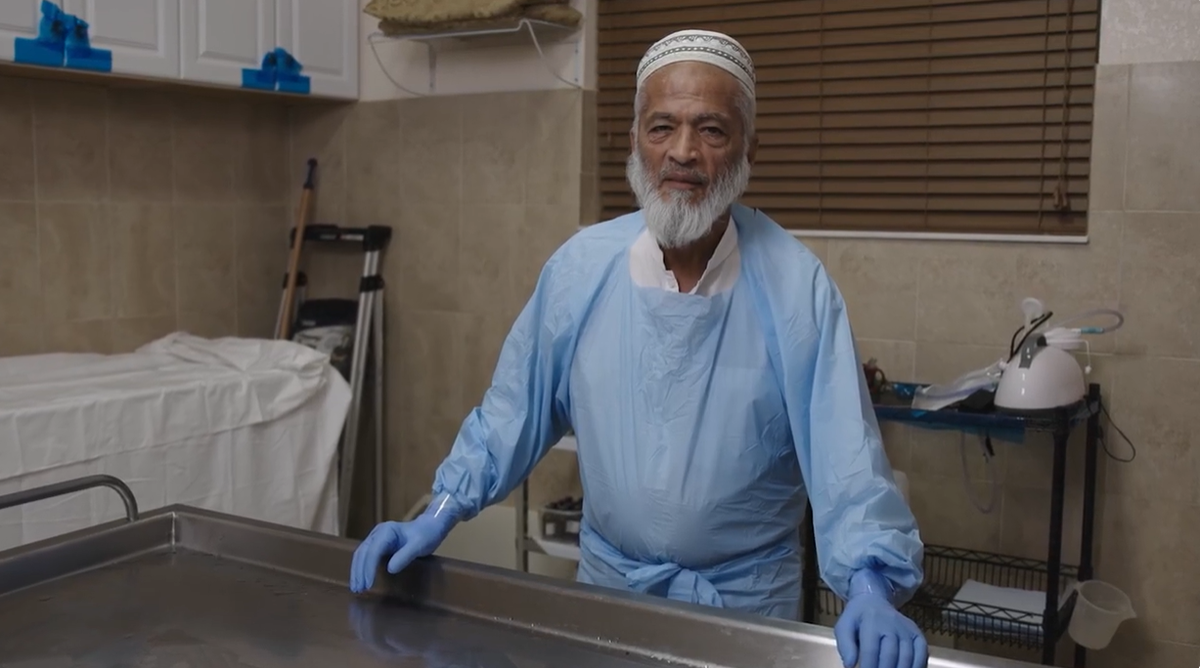
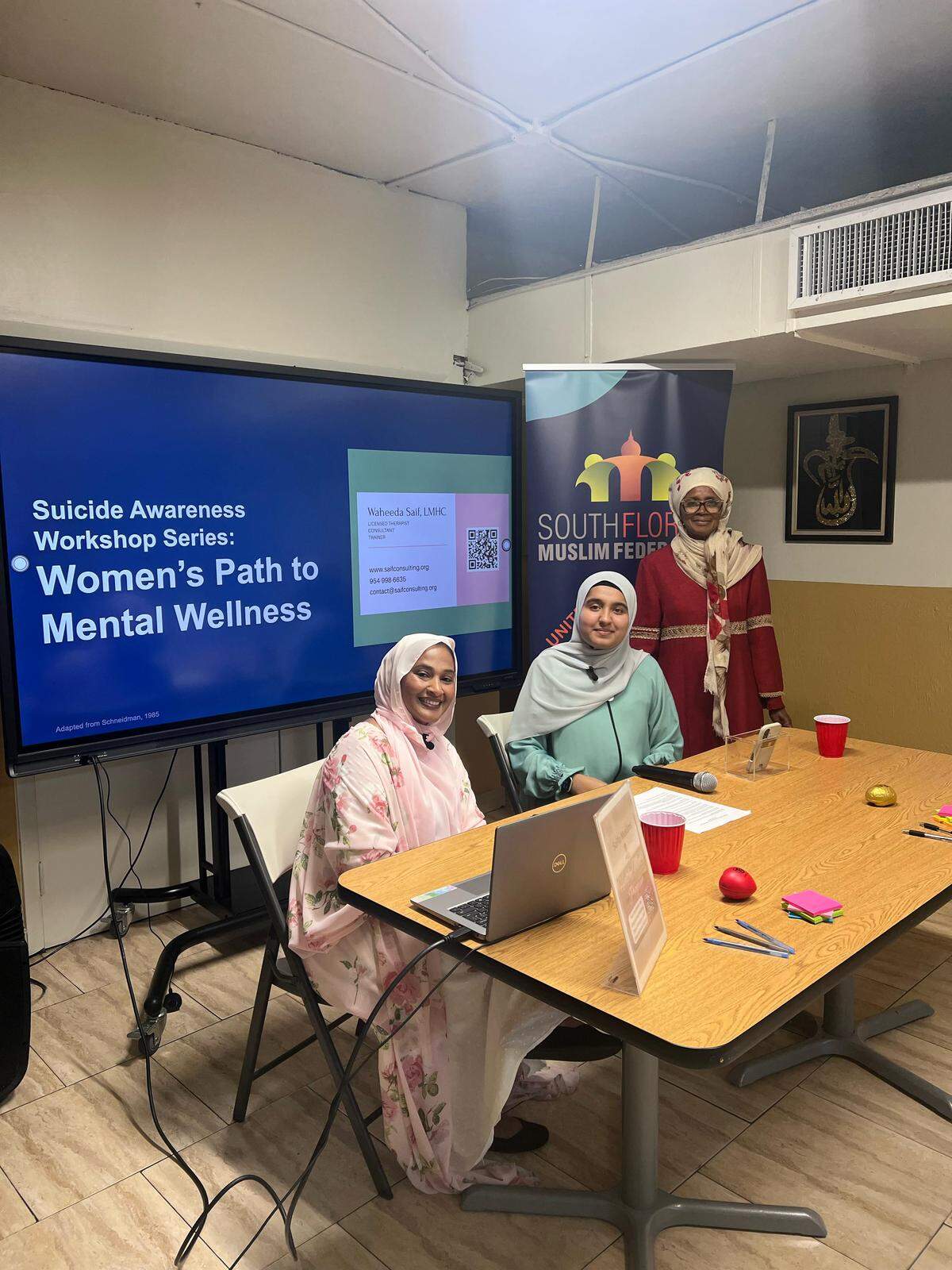
The first step, according to mental health professional Waheeda Saif, is getting people in the community talking about the challenges of mental health.
“We need to be brave enough to just open the door to a conversation,” said Saif, a licensed mental health counselor, in the documentary. “Especially when people are thinking about life and death, especially when they’re thinking about suicide. Where is God in all of that?”
But, there’s a silver lining. A new suicide prevention campaign aimed at supporting mental health in the Muslim community seems to have been contributing to a reduction in suicide numbers over the past year, according to the documentary.
The campaign, launched by the South Florida Muslim Federation, a nonprofit representing over 40 Islamic organizations in South Florida, connects Muslims with the right resources to prioritize mental health, including mental health professionals, many of whom offer discounted or free care services, as well as workshops and video resources on topics like how to help a friend in crisis.
It’s the first time the group has offered workshops and resources focused specifically on a topic that is taboo to discuss in the Muslim community, according to the Muslim Federation.
Suicide on the rise everywhere
In general, regardless of faith, suicide deaths are on the rise in America, reaching record high levels in 2022, according to research from The Pew Charitable Trusts. From 2000 to 2020, the overall rate of suicide increased 30% and climbed to more than 49,000 deaths in 2022.
But when compared to the general population, suicide rates in South Florida’s Muslim community were estimated at 1.5 to 2 times higher, according to the documentary, which used data from local Muslim cemeteries and Florida’s Department of Health.
“This is an issue that is happening really all over America in the Muslim community,” said Saif. “This is despite prohibition on taking your own life within the Muslim faith.”
The majority of the suicides recorded at the South Florida cemetery are committed by young people, typically males between 18-29 years-old, according to Dandia, the cemetery director.
In the film, Rameez Zafar, an employee at the Muslim Cemetery of South Florida, said young Muslims are experiencing different lives than their parents — many of whom are immigrants.
“[Parents] see their children and they say ‘we’re living in America. We fought so hard to come here and this is a better life for you. What are you complaining about? What are you crying about?’” Zafar said.
In the Muslim community, as in many other religious communities, mental health issues are seen as something that can be cured through spiritual channels.
“Instead of seeing suicide as an actual mental disorder, they were treating it as, ‘oh the person wasn’t as religious as they should have been,’” said Zafar.
Imams and spiritual leaders will help those struggling by following the words of the Quran, but sometimes, people need more help, said Zafar.
“Religion is part of the cure for us Muslims, but it is not the only thing to be done,” he said.
Social pressures are also increasing. Discrimination against Muslims and Arabs in the United States also has been on the rise since the Israel-Gaza war, hitting a new record in 2024 according to the advocacy group the Council on American-Islamic Relations (CAIR), which tracks Islamophobic incidents.
Muslim children and adults can see more bullying due to their culture, accent or appearance said Nuha Mirghani, a medical doctor and operations manager for South Florida Muslim Federation. Mirghani said she knows from personal experience how difficult it can be to deal with discrimination.
In her own neighborhood in Broward County, she said she has experienced neighbors moving from the house next door after her own Muslim family moved in, and noticed that many neighbors never return her friendly “hellos,” even after years of living in the same place.
The workshops a part of the Florida Muslim Mental Health campaign offer a safe space for people to reflect on these hard moments. The workshops, which happen throughout September but are available to view online, pair religious leaders with a licensed mental health counselor.
“It was absolutely amazing to see that people are open to learning more about suicide for the first time ever in our community,” said Mirghani. “Some people couldn’t even hold their tears when sharing the things that they went through or that their loved one went through.”
One mother who attended a suicide workshop last year, Narimane Elhassan, said it was an “eye opener” for her and helped normalize going to therapy.
“Before everybody was like ‘hush hush. Don’t do it, they’re gonna think your kid is crazy,’” Elhassan said. “I learned from the workshop, it’s not about me, I have to sit and listen to [my children] I have to look at where they are coming from.”
Since the launch of the mental health campaign in 2022, there’s been a decrease in suicides. Four suicides were reported over the past nine months, according to the documentary, compared to 2-3 monthly.
Other communities are starting to take notice. Mirghani said she recently spoke at a mental wellness event in Coral Springs alongside Mayor Scott Brook, where the attendees viewed the documentary and engaged in a candid discussion. Since then, five mosques have reached out to her, requesting workshops and physical resources to be distributed at their Islamic centers.
For help
If you are having thoughts of harming yourself, call or text the Suicide Prevention Lifeline at 988 or reach out through chat by visiting 988lifeline.org/chat.
- The 988 Suicide and Crisis Lifeline is a hotline for individuals in crisis or for those looking to help someone else. To speak with a trained listener, call or text 988.
- Crisis Text Line is a texting service for emotional crisis support. To speak with a trained listener, text HELLO to 741741. It is free, available 24/7, and confidential.
- For Florida-based facts and resources on suicide prevention, visit the Florida Health website here.
This story was produced with financial support from Trish and Dan Bell and from donors comprising the South Florida Jewish and Muslim Communities, including Khalid and Diana Mirza, in partnership with Journalism Funding Partners. The Miami Herald maintains full editorial control of this work.
This story was originally published October 16, 2025 at 12:43 PM.