This Miami synagogue partnered with a church to break bread — and bias
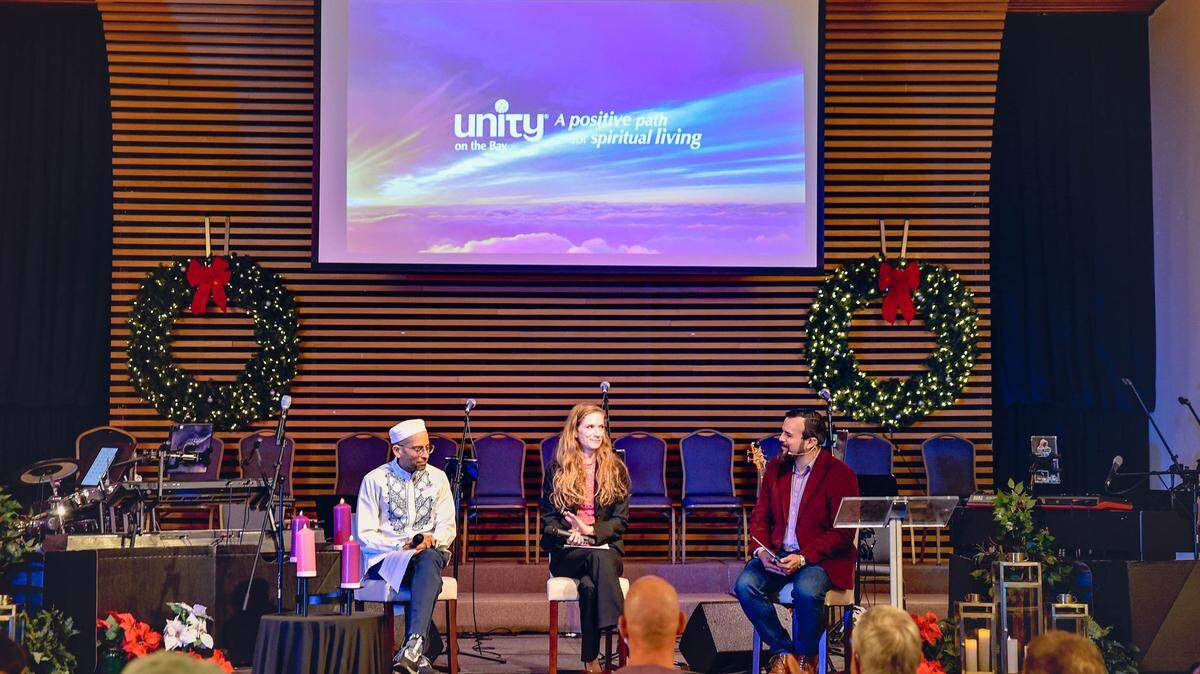
Over 100 people across various faith traditions showed up Sunday to Temple Israel of Greater Miami to share stories and connect over home-cooked meals.
The goal of the second annual “Breaking Bread/Breaking Bias” potluck, according to organizers, was to bring people of different religious backgrounds together to talk, share a meal and build empathy for others. The event could easily have been catered, but the potluck aspect — where attendees each bring a home-cooked dish — was by design.
“Eating lovely food that was prepared and brought by those who are enjoying it is truly a gift,” said Joanne Harvest Koren, co-chair of the Unbiased Initiative at Temple Beth Am. “When we feed each other, we nourish the body, but it’s also an act of humanity and an act of love to share what we have with others.”
The event was borne out of Temple Beth Am’s “Unbiased Initiative,” which partners with other faith-based organizations to combat antisemitism and other types of hate. Other partners on the event included Mosaic Miami, Interfaith Miami and the Jaffer Institute.
Before the meal, an interfaith service hosted by Unity on the Bay (located at Temple Israel) showcased a merging of faith traditions. Christian, Muslim and Jewish faith leaders took the stage to pray, read scripture and discuss the theme of finding peace amid the noise of everyday life.
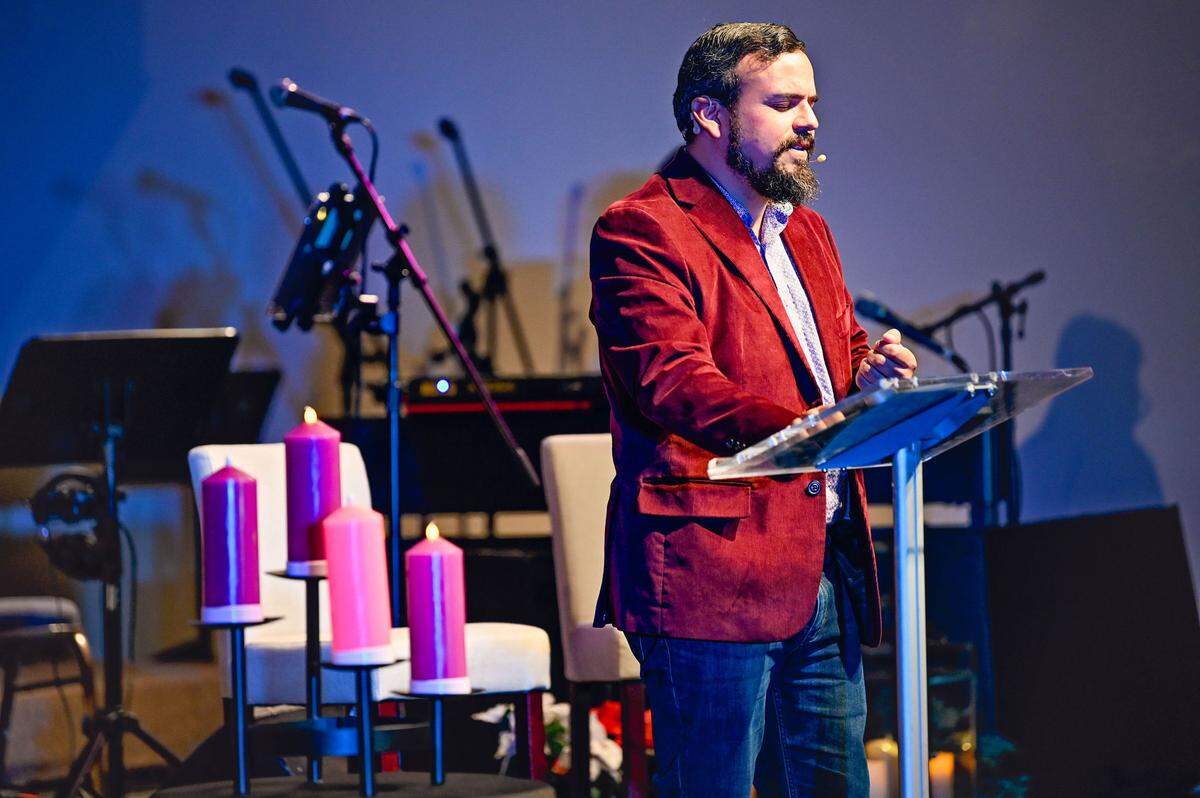
“We’re really called to be the extensions of that peace and love that we want to see,” said Rev. Juan del Hierro, senior minister at Unity on the Bay. “It’s one thing to imagine peace, it’s another whole thing to actually work towards it. Here we’re invited to work towards it.”
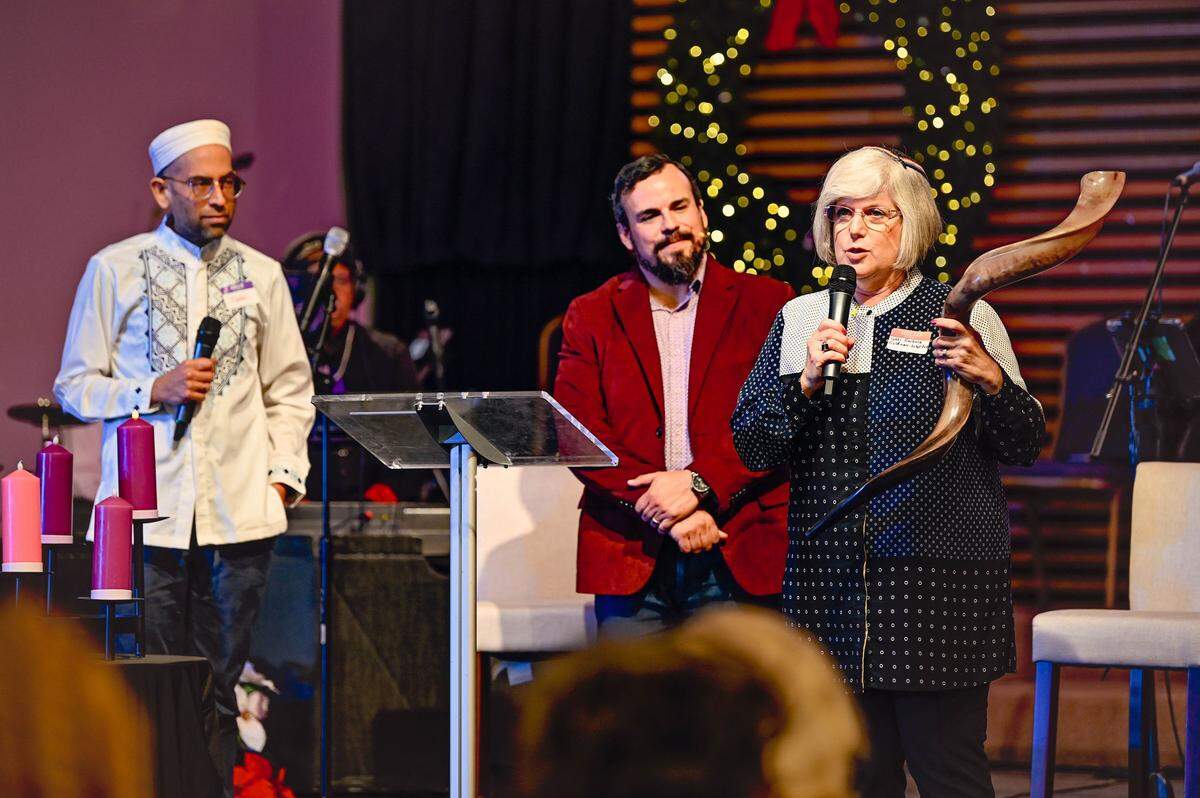
Rabbi Barbara Goldman-Wartell of Temple Israel kicked off the service by blowing the shofar horn (a Jewish tradition) to symbolize the call for community. Cantor Rachelle Nelson led a host of songs about peace and unity.
Rabbi Rachel Greengrass referenced the biblical story of the Tower of Babel in her piece of the service, which she said some rabbis interpret as a story that underscores the importance of diversity.
“The spreading of the people throughout the world ... is actually giving us different religions and faiths, and ways to connect and talk to God,” Greengrass said. “We are all important and together we create a path to heaven.”
Dr. Iqbal Akhtar, a professor of religious studies & politics and international relations at Florida International University, read the beginning verses of the Quran, which he said are believed to contain all of the wisdom of the Islamic tradition.
“One of the things that’s important for us is to never give up hope that God is there,” Akhtar said. “Whatever the challenges that we have in life, there is something that is greater than us that will help and sustain us.”
Akhtar referenced the religion of Jainism, a small religious community developed in India 2,500 years ago, and how they believe that every small thing we do has an impact. Jain monks will wear a small face covering to prevent from accidentally swallowing any insects, said Akhtar, and they often sweep their feet instead of stepping on the ground to avoid harming small insects.
“There’s this idea that what we think, what we do and what we say, all these things have an impact on our soul,” Akhtar said.
Unity on the Bay, originally called “Unity Center for Practical Christianity,” was established in Miami in 1926, and now describes itself as a “spiritual community” that focuses on “teaching positive spiritual truths.” Services may look a bit different than other Christian churches. Unity encourages each person’s “unique spiritual journey” and often uses its collective action as a catalyst for positive social change in South Florida.
“Unity believes in interfaith work and reaching out to people... It’s not only about us, it’s about inviting others,” Rev. del Hierro said.
Del Hierro led attendees through a brief meditation to help center guests as they prepared for a morning of human connection. At Unity, meditation and positive affirmations are used to “experience the presence of God” while releasing “counterproductive, negative thoughts,” according to the church’s website. Del Hierro said services often end with a collective “Namaste,” a Sanskrit word often used by Yogis.
“In Unity, it means the Christ, or the divine within me salutes the divine within you,” del Hierro said. “It has to be more than just words, it has to be followed by actions.”
After the service, attendees were encouraged to sit with unfamiliar faces as they ate home cooked dishes. Organizers led people through a guided discussion — answering questions that encouraged dialogue and openness.
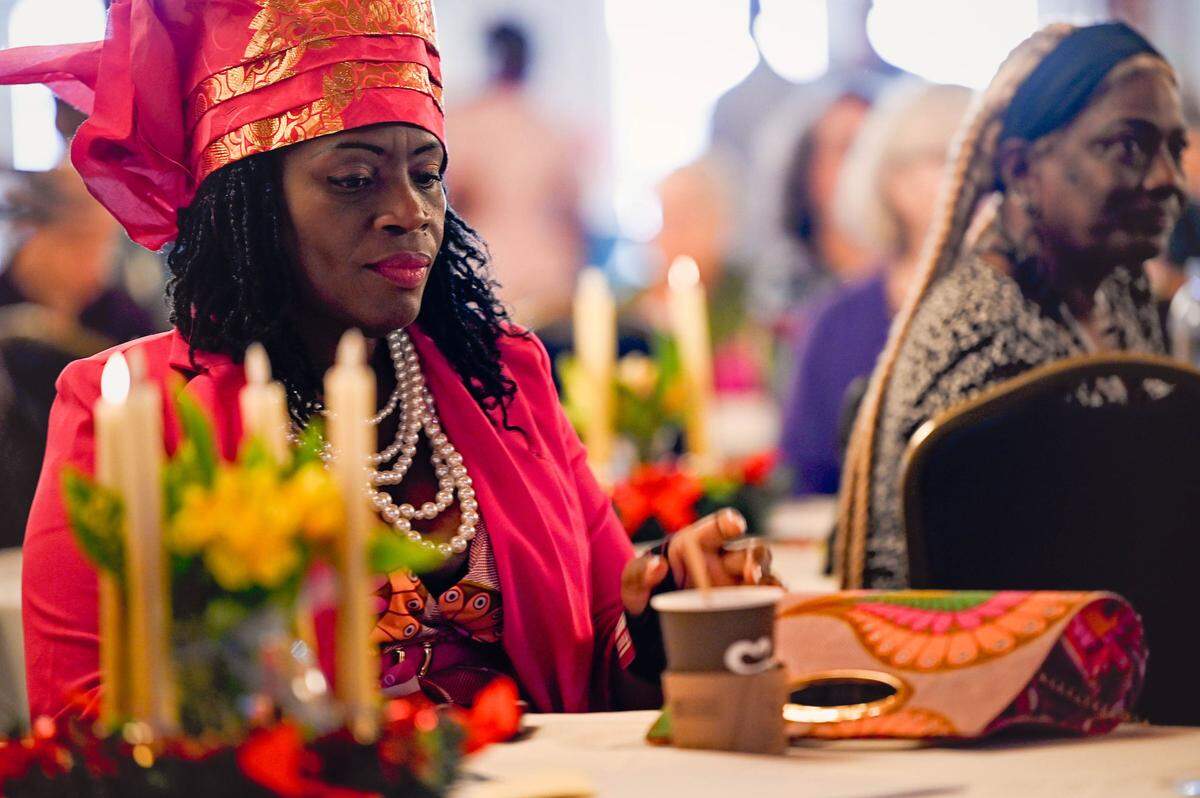
At one table of all women, some from Temple Beth Am and some from Unity on the Bay, participants shared intimate parts of their lives with one another while reflecting on the past year and how to move forward into the new year. One woman shared about the tough experience of overcoming a cancer diagnosis. One shared about her year-long journey grieving a loved one. One shared about going to therapy with her daughter and finding ways to work through family struggles.
“We made great friends and connected with each other,” said Shante Haymore-Kearney, who spoke about her year of dealing with grief. “We talked about how this year went, making peace with family ... moving through the discomfort of that process and also learning more about ourselves through the challenges we went through.”
The women — strangers to one another before the meal — were exchanging phone numbers and showing gestures of support by the end of the round-table discussion. Organizers say this is exactly the point of the event.
“Everyone has a natural curiosity about ‘the other,’ said Dr. Justin Pinn, senior advisor and head of programs at Mosaic Miami. “It’s just finding a way you can build a safe inclusive environment where that can be let through.”
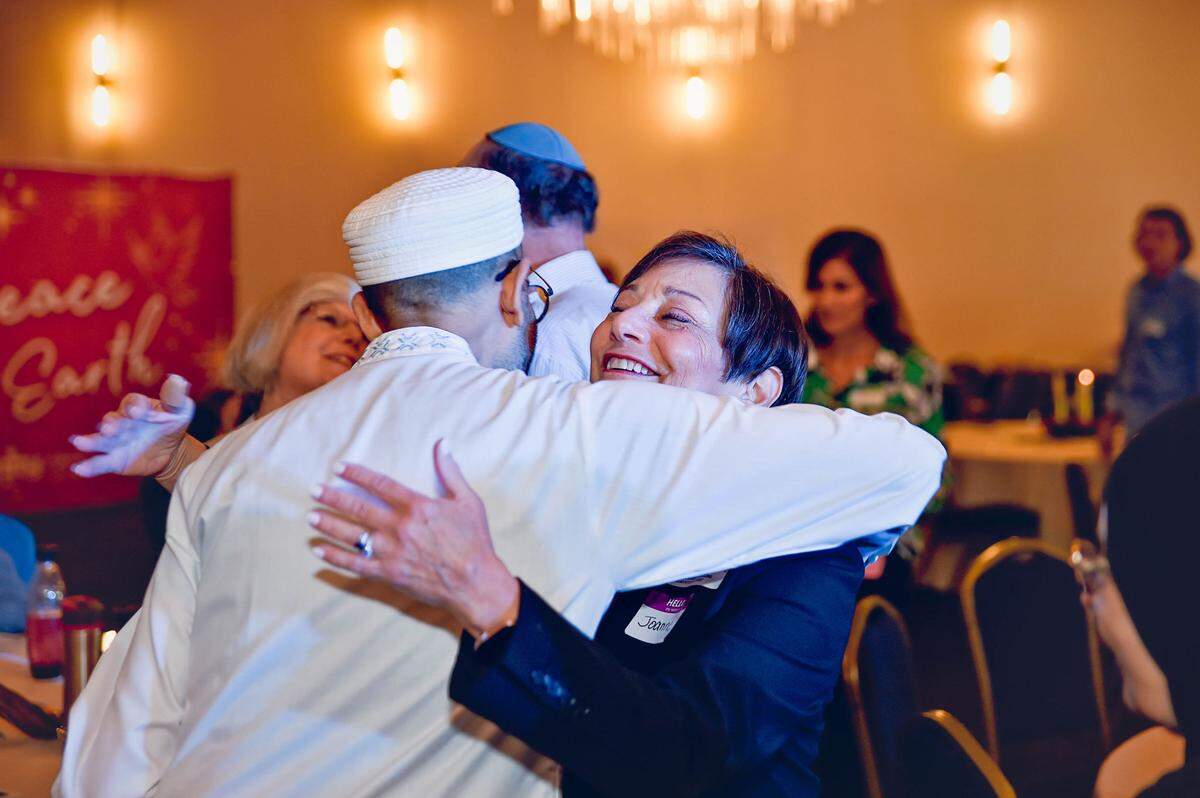
Pinn, who designed the event’s question prompts and activities, said it’s important to allow people to talk about events that impact everyone — what we’re looking forward to in the new year, for example. People will see each other’s similarities, but also understand the natural differences.
“The connection that we’ve built today with someone who was different from us, that we found out how similar they were — take that with us as we go forward in the next conversation we have with that same warmth,” he said. “That’s how we can build more empathy, but also a more strong robust community for all of us.”
This story was produced with financial support from Trish and Dan Bell and from donors comprising the South Florida Jewish and Muslim Communities, in partnership with Journalism Funding Partners. The Miami Herald maintains full editorial control of this work.
This story was originally published December 10, 2024 at 1:27 PM.