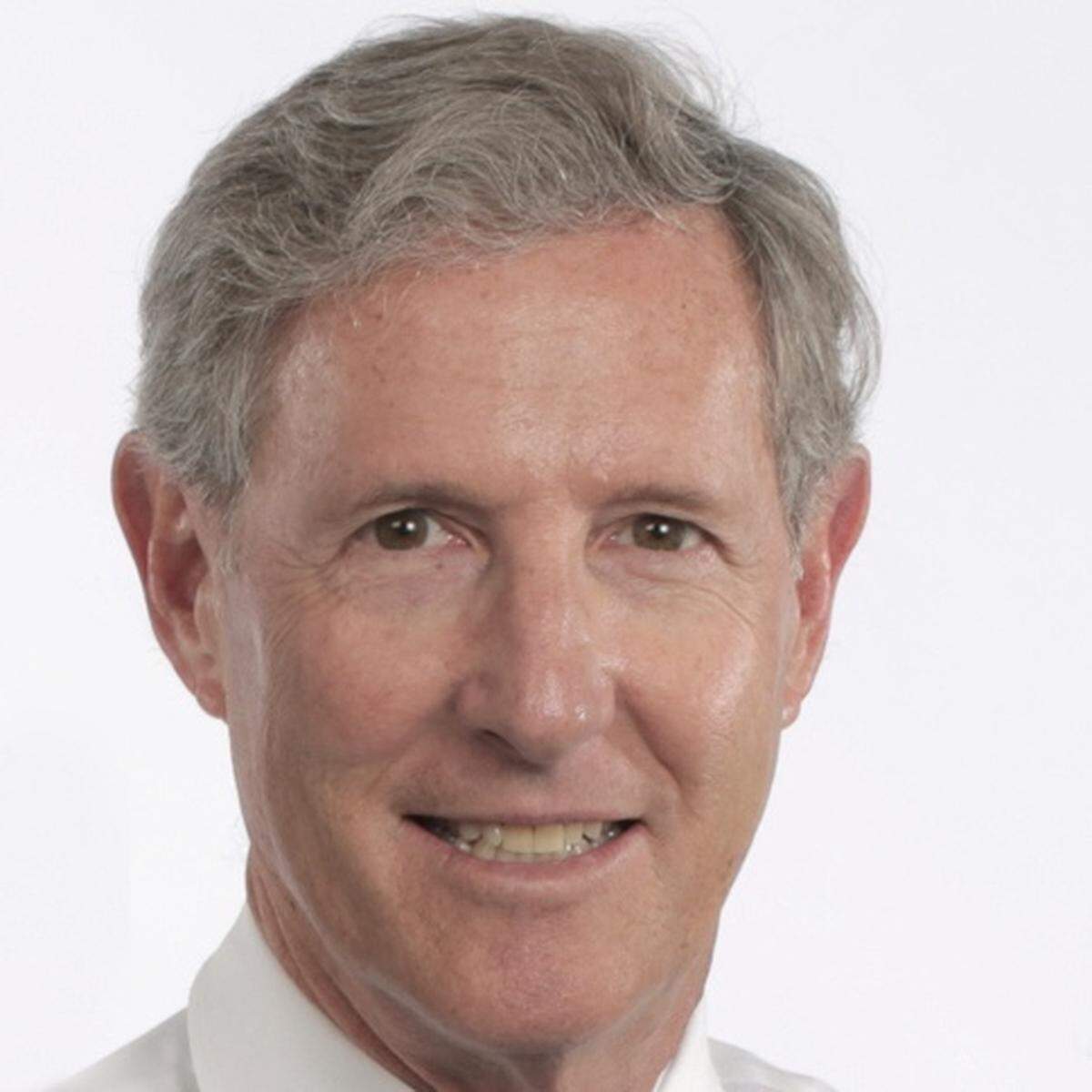
Shalala, UHealth exec she fired square off in trial over bitter academic ‘soap opera’
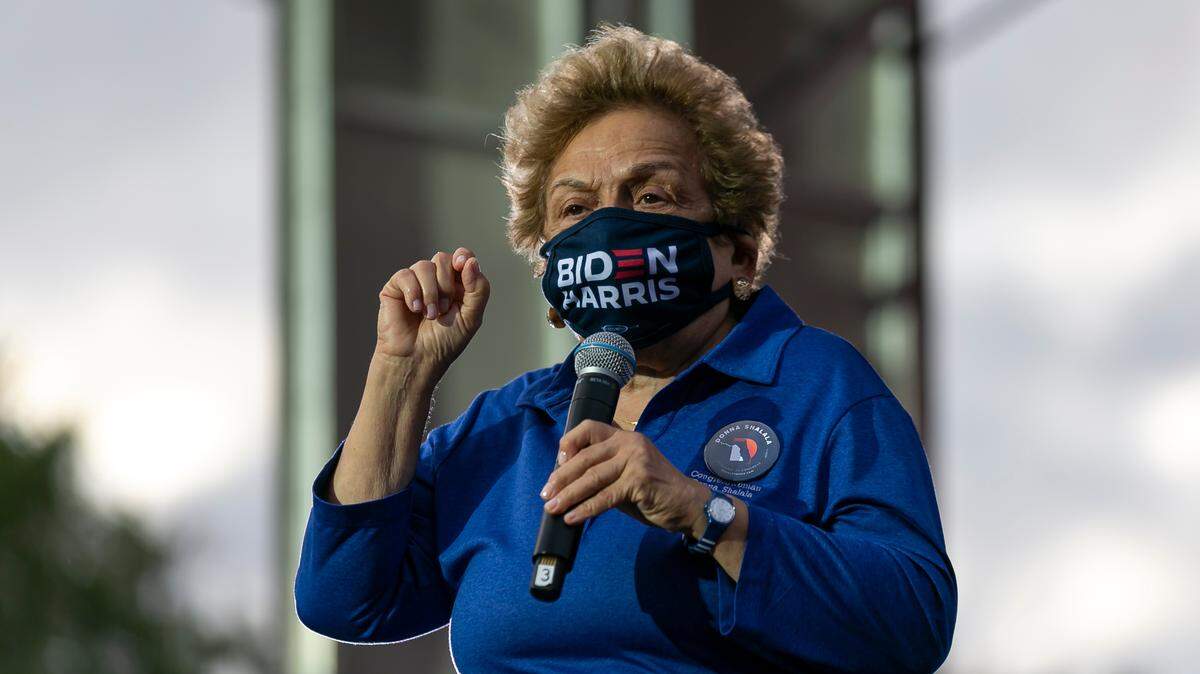
An academic “soap opera” unfolded in Miami federal court this week with a plot revolving around turf wars and a blame game between former University of Miami president Donna Shalala and a top medical school executive who was hired and then quickly fired a decade ago.
The UM medical school’s former chief operating officer, Jack Lord, who is seeking millions in damages, testified Tuesday at a wrongful termination trial that Shalala treated him in a “crappy way” when she fired him. Shalala, the prominent former university leader and ex-Miami congresswoman, countered in her testimony Wednesday that Lord was a “destructive” force akin to a “bull in a china shop.”
A jury might reach a verdict by the end of next week.
The bitter clash began in March 2012 when the university, whose healthcare system was facing deep deficits, hired Lord, a longtime healthcare administrator, as the medical school’s No. 2 executive with the daunting tasks of restoring financial stability and rebuilding a medical program. Lord was hired by the medical school’s dean, who fired him under orders from Shalala, according to her testimony.
As he collaborated with the medical school’s dean and university’s top officials to orchestrate layoffs of some 900 administrators and other staffers, Lord received written raves from his superiors for the UM health system’s financial turnaround. He was given more duties as UM medical school’s chief compliance officer and a raise from $763,000 to $913,000, court records show.
But Lord soon became a lightning rod for faculty dissension and low morale, according to Shalala. So, the university president fired him just 10 months later in January 2013, which came as a “complete shock,” he said.
On Wednesday, Shalala acknowledged in her testimony that the UHealth system was tens of millions of dollars in the red when the medical school dean hired Lord and that he helped put the university’s healthcare program back in the black. But Shalala also said she was deeply concerned about his management style.
“I was dissatisfied with the way the layoffs were handled and the way people were treated,” Shalala, 81, testified, accusing Lord of destroying morale among the medical school’s faculty, which led to a “no-confidence” petition to recall him and the medical school dean who hired him. “I had deep concerns about his style of leadership.”
At one point in her testimony, Shalala even said that “universities are like soap operas, [tele]novelas.”
Lord’s lawsuit and trial provide a rare look inside the power struggles of a major South Florida university and medical school that was seeking national recognition as it ran up debts with the acquisition of the Cedars of Lebanon Hospital for $260 million in 2007 just before the Great Recession.
With support from Shalala and medical school dean Pascal Goldschmidt, Lord carried out sweeping layoffs, mostly of administrators. He testified that the combined medical school and UHealth system, with 13,000 employees, was like “Noah’s ark,” because “every department had two of everything.”
Despite the UM healthcare system’s apparent turnaround, Goldschmidt and Lord became instantly unpopular for the layoffs, stirring up a schism among the medical school faculty, led by its influential chief of surgery, Alan Livingstone. Their status grew tenuous when Lord discovered rising tensions between UM’s surgery and pathology departments over organ lab testing for the transplant institute at Jackson Memorial Hospital. The surgery department managed that tissue-testing lab. But after two pathology department doctors accused the lab of overbilling Medicare and an anonymous letter to the U.S. Department of Health and Human Services accused it of committing fraud, Lord pushed for an independent investigation.
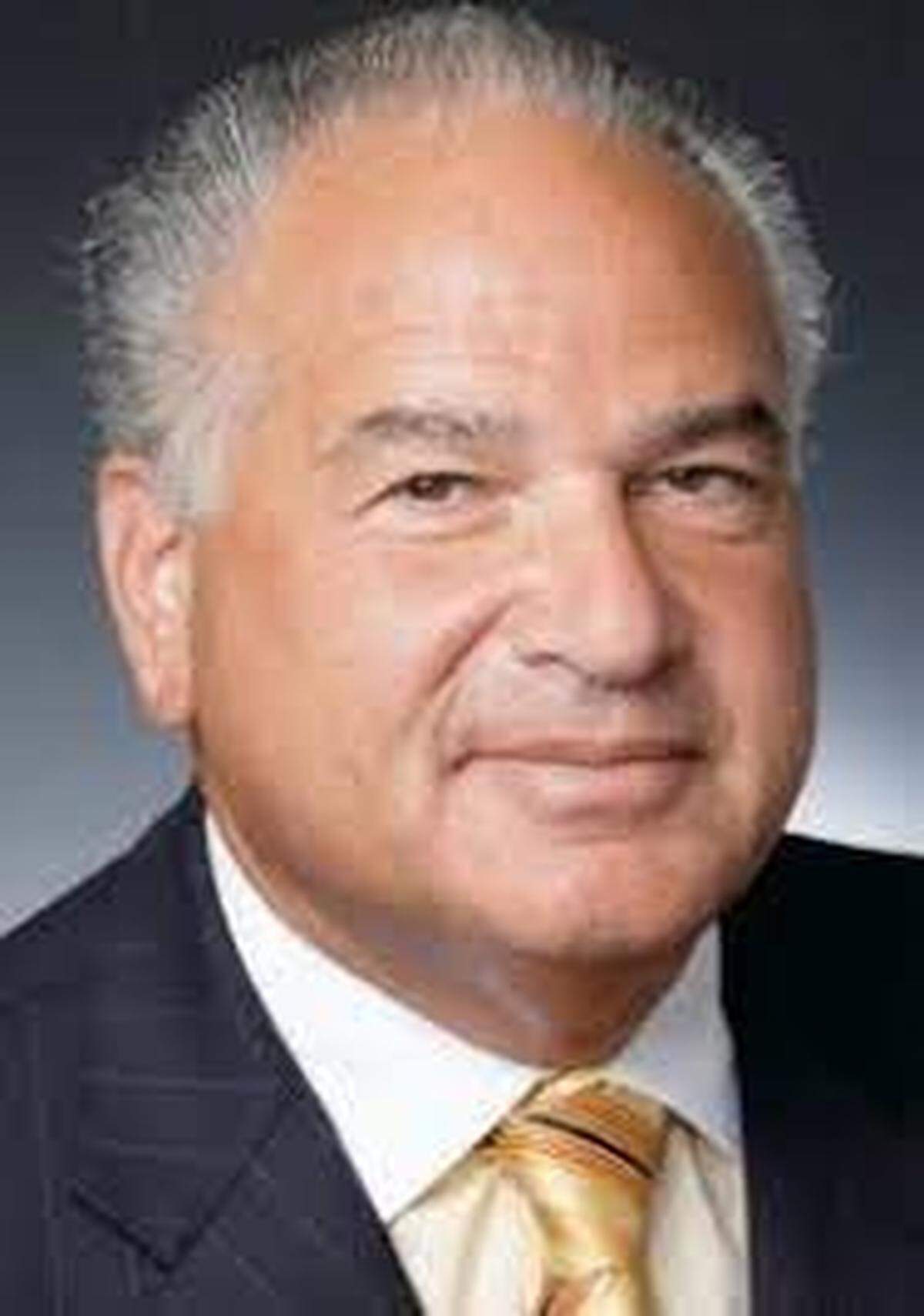
In his lawsuit filed against the university a decade ago, Lord claims the real reason for his termination as the No. 2 executive in the medical school was “retaliation” for pushing the probe of possible Medicare fraud in the UHealth system at the tissue-testing lab under UM’s renowned organ transplant program and surgery department.
Before his termination, Lord alerted Shalala, the medical school’s dean and the UM board of trustees about the fraud allegations involving excessive billing by the lab for UM’s transplant institute at Jackson, according to his testimony and court records. With the medical school dean’s backing, Lord and another top compliance officer authorized an external audit of “billing irregularities” in the lab estimated to be at least $10 million — information that they brought to Shalala’s attention.
But rather than keep it going, Lord testified at his wrongful termination trial, Shalala shut down the independent audit under pressure from the surgery department’s Livingstone, brought the review in-house and then fired him in “retaliation.”
“All of these things were about trying to do the right thing for the university” by exposing possible Medicare fraud in the tissue-testing lab, said Lord, who entered UM as a 16-year-old and graduated from its medical school at 23.
Lord further testified that Shalala had invited him and his wife to a social gathering at the president’s house, known as Ibis, just one month before she fired him. “How would anyone treat a ‘double alum’ in such a crappy way?” Lord testified.
During her testimony Wednesday, Shalala said Lord’s firing “had nothing to do” with his blowing the whistle on possible excessive billing and Medicare fraud at UM’s organ-testing lab at Jackson. She said that she wasn’t retaliating against Lord. “Absolutely not,” she said.
Shalala also denied that she was influenced by Livingstone in making her decision to move the external audit of the organ-testing lab in-house under UM auditors — that it wasn’t a cover-up. “The opposite,” she testified.
“I had to make sure that the investigation continued” by turning it over to UM auditors under the board of trustees, said Shalala, who was the university’s president from 2001 to 2015 after serving in the Clinton cabinet as Health and Human Services secretary. “I elevated it. I didn’t push it down.”
Lord, 68, said that before his firing by Shalala, he had never received any formal complaints from anyone in the university’s hierarchy. In a July 2012 letter to the UM-educated physician, Goldschmidt praised Lord’s leadership in driving “both a fiscal and cultural turnaround” of the university’s entire healthcare network, known as UHealth. Shalala testified that she found Goldschmidt’s use of language “flowery,” but acknowledged that she approved Lord’s $150,000 raise.
Lord said he had “no clue” that he was going to be fired until the medical school’s dean told him by phone on Dec. 31, 2012, that Shalala would be terminating him as UM’s chief operating officer.
“I was blown away,” Lord testified. “It was a complete surprise.”
He said Goldschmidt wanted to keep him on as a chief innovation officer and pathology professor at UM’s medical school, but that Shalala put the kibosh on the dean’s plan. “I thought it was important that there be a clean break” from the medical school because the faculty “was in an uproar,” she testified Wednesday.
In the end, Lord’s sudden departure from the chief operating position was reported in a series of stories in the Miami Herald, saying he was “stepping down,” which he said made him feel like he was being “run over by a bus again and again.”
In August, U.S. District Judge Cecilia Altonaga denied the university’s motion to toss out the case, scoffing at UM’s assertions that the fired medical school executive lacked evidence to support his claim. She ruled that the dispute boils down to the “credibility” of Lord versus Shalala, a decision that the eight-person federal jury must make.
Lord already scored a legal victory last year when his False Claims Act case against the university resulted in UM’s $22 million settlement with the Justice Department to resolve civil allegations of inflated Medicare billing by the school’s organ-testing lab and other violations. As the whistle-blower, Lord received about $4 million of the settlement as a reward for initiating the suit against his former employer. That long-running dispute, however, delayed the start of his wrongful termination trial — and the settlement itself cannot be disclosed to the federal jurors.
His attorney, Jeffrey Sloman, told the jurors during his opening statement on Monday that under federal law he “cannot be fired for trying to stop Medicare fraud.” He said Lord’s conduct at UM’s medical school was “protected,” and that he is seeking $14 million for his lost salary and other benefits from UM as well as other damages over the past decade.
UM’s lawyer, Eric Isicoff, said during his opening statement that Lord has “no retaliation claim” against the university and “grossly inflated” his request for a damage award. He said it is in excess of $30 million.
During cross-examination on Wednesday, Isicoff accused Lord of “retiring” after he was fired by UM and was mostly serving on corporate boards — that he was not looking for full-time work and was playing golf in Amelia Island near Jacksonville and in Hawaii, where he has lived since his firing at UM. He said Lord had net assets of $25 million.
Lord, who went through a divorce in 2016, admitted that he was “retired” during that period but was “always networking” in search of a top healthcare executive’s job.
Lord said he tried to find comparable executive healthcare positions over the past decade, including as CEO with the American Diabetes Association and president of the American College of Pathologists. “I have never retired,” said Lord, who has made millions off stocks in companies on which he served as a board member. “I have never been one to be idle.”
This story was originally published September 21, 2022 at 3:00 PM.