Judge clears way for trial between UM, med school exec over firing. He is seeking millions
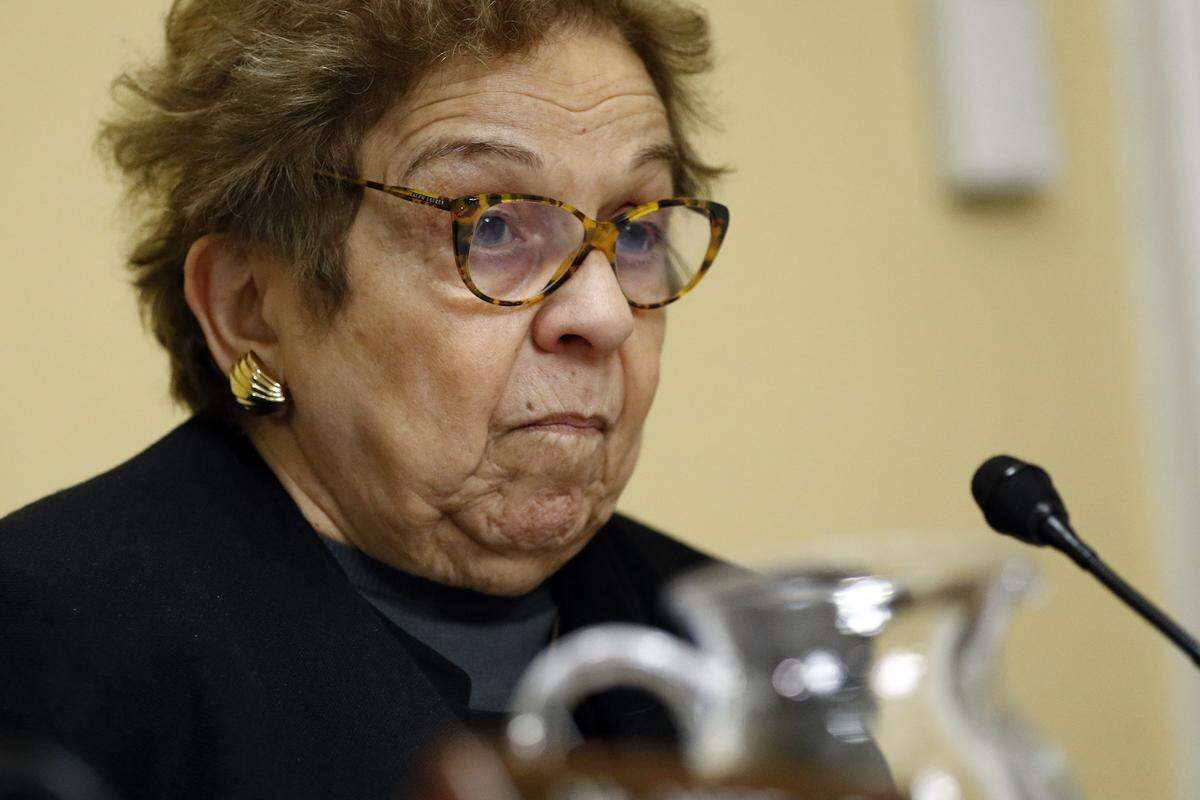
Almost a decade ago, University of Miami President Donna Shalala fired a top executive at UM’s medical school, saying in a recent deposition that “his leadership was destructive to UHealth,” he “mishandled” layoffs during difficult financial times and he “destroyed morale” among the faculty.
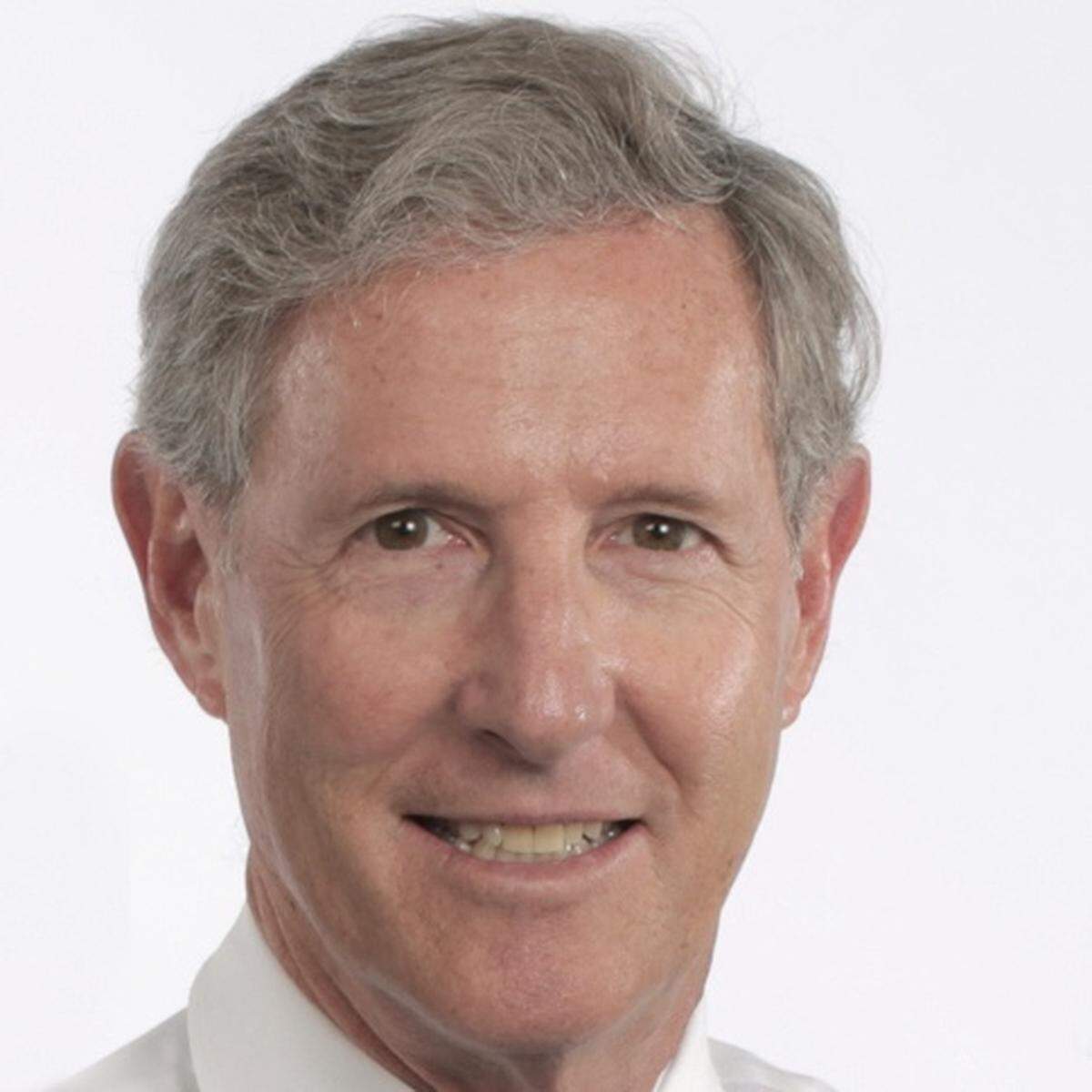
Jonathan “Jack” Lord, the former medical school’s chief operating and compliance officer, claims in a lawsuit against the university that Shalala retaliated against him after he repeatedly informed her of his efforts to probe $10 million in excessive Medicare billing by an organ testing lab for UM’s transplant program at Jackson Memorial Hospital.
A Miami federal judge has ruled that it will now be up to a jury to decide whose version of Lord’s firing rings true in a high-stakes trial scheduled for Sept. 12. Earlier this month, U.S. District Judge Cecilia Altonaga denied the university’s motion to toss out the case, scoffing at UM’s assertions that the fired medical school’s second-in-command lacked evidence to support his claim.
“An extensive evidentiary record exposes these arguments as wafer-thin,” Altonaga found in her 40-page ruling. “At long last, this case must proceed to trial — or resolve amicably between the parties.”
But a settlement is not in the works, according to attorneys for Lord and UM.
After a decade of litigation, Lord’s wrongful termination suit will likely come down to the credibility of Shalala’s justification for firing him in early 2013.
“There are reasons to doubt her credibility; there are also reasons not to doubt it,” the judge noted about Shalala’s testimony in a pretrial deposition. “But [UM] well knows that courts may not declare a winner of credibility contests at summary judgment.”
Shalala, the former cabinet member in the Clinton administration and an ex-member of Congress, is not named as a defendant.
Lord already scored a legal victory last year when his False Claims Act case against the university resulted in UM’s $22 million settlement with the Justice Department to resolve civil allegations of inflated Medicare billing by the school’s pathology lab and other violations. As the whistle-blower, Lord received about $4 million of the settlement as a reward for initiating the suit against his former employer.
Lord’s attorney, Jeffrey Sloman, said his client “is eager to have his day in court” over his firing, claiming he has suffered about $38.5 million in damages, including lost salary and benefits over the past decade.
UM’s lawyer, Eric Isicoff, said the university has no interest in settling before trial and challenged Lord’s damage claim.
“The University always intended to take this case to trial if the court denied its summary judgment motion,” he said. “The denial simply means that there are fact issues to be resolved by the jury.”
When Lord was formally fired in January 2013, the veteran pathology doctor and healthcare administrator had been making $914,000 a year as UM medical school’s No. 2 executive. In a July 2012 letter to the UM-educated physician, medical school dean Pascal Goldschmidt praised Lord’s leadership in driving “both a fiscal and cultural turnaround” of the university’s entire healthcare network, known as UHealth.
In his suit, Lord says he was pushed out just six months later because he uncovered inflated Medicare claims for transplant testing services in UM’s surgery department and approved an independent audit of its questionable billing activity.
Lord claims Shalala ordered his firing after he informed her, Goldschmidt and the board of trustees that UM’s surgery department was billing the federal Medicare insurance program for unnecessary organ transplant tests at Jackson — warnings that, as the medical school’s compliance officer, should have “protected” him against being fired in retaliation under federal law.
According to the former university president and other officials, however, Lord lost the confidence of UM’s hierarchy after he made unpopular budget cuts and faculty layoffs — tough decisions that were also supported by Goldschmidt and Shalala because of UHealth’s persistent financial troubles.
Pulling back the curtain
Lord’s lawsuit, along with Judge Altonaga’s detailed opinion, provides a rare look inside the power struggles of a major South Florida university and medical school that was seeking national recognition as it ran up debts and ran afoul of Medicare laws.
Lord was not only a UM-trained pathologist but a veteran hospital administrator. He served as the chief operating officer of the American Hospital Association from 1997 to 1999, and then over the following decade he was the chief innovation officer and senior vice president of Humana Inc., where he helped create a joint research center between Humana and UM.
In 2010, he returned to the university to help develop the UM Tissue Bank and later became the university’s chief innovation officer and a pathology professor at the medical school. In March 2012, Lord was hired as the chief operating officer of UHealth, the hospital and clinical network of the Leonard M. Miller School of Medicine. He was tasked with multiple responsibilities, including budgets, union negotiations, the joint operating agreement with Jackson Memorial Hospital, organizing medical departments, and ensuring compliance with Medicare and Medicaid policies.
But Lord and the medical school dean, Goldschmidt, also had to wrestle with increasing debts, which triggered the layoffs of about 900 full-time and part-time workers in May 2012. Hundreds of doctors at UM medical school called for their ouster in a petition to Shalala.
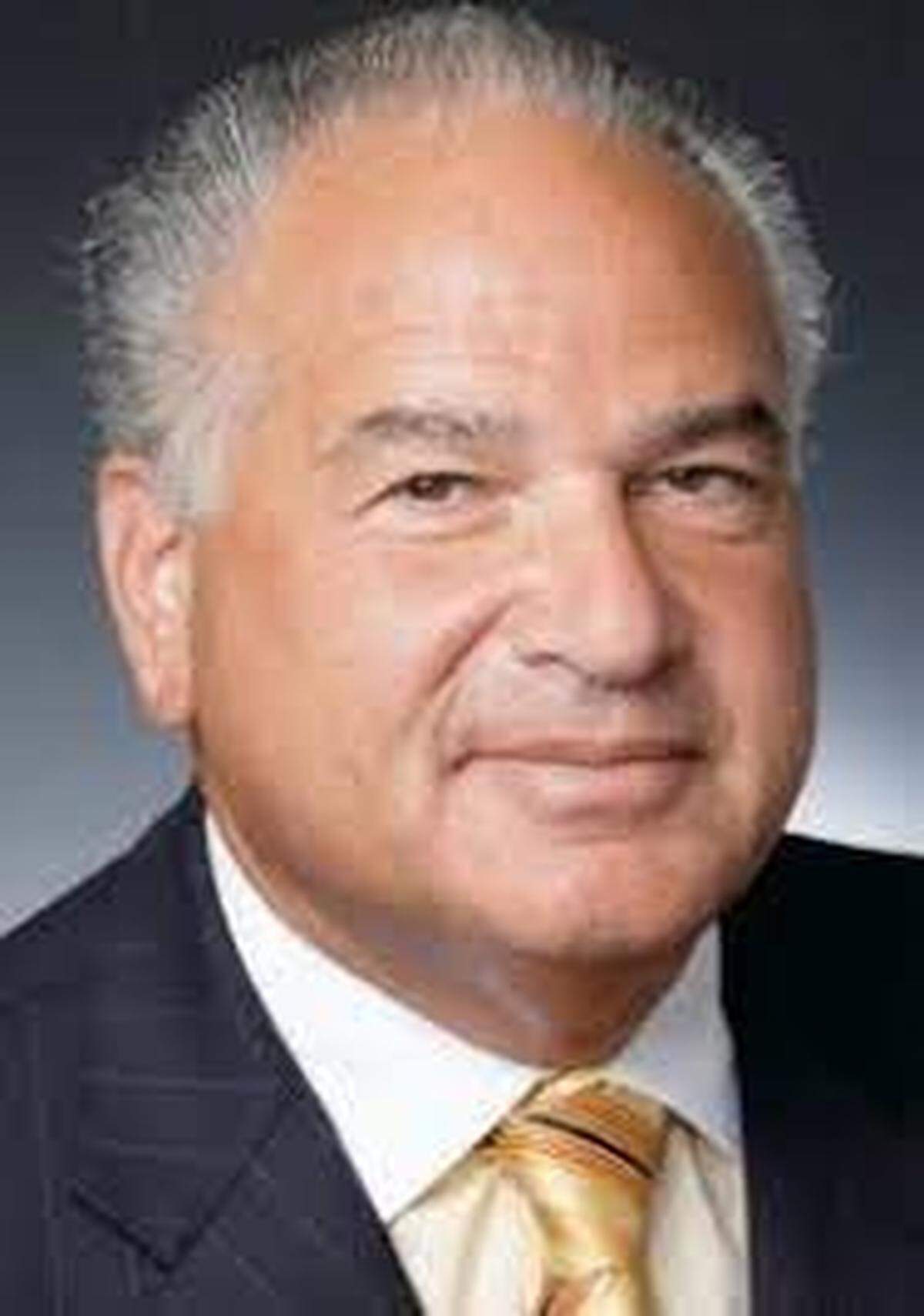
Soon, Lord discovered rising tensions between UM’s surgery and pathology departments over organ lab testing for the transplant institute at Jackson. The surgery department, run by longtime UM cancer surgeon Alan Livingstone, had taken over the transplant testing services years earlier from the pathology department, resulting in a turf battle.
Lord and Goldschmidt discussed conducting an independent audit of the surgery department’s organ testing services and replacing Livingstone as the Miami Transplant Institute’s director at Jackson.
Then, in September 2012 UM received an anonymous letter about UM’s transplant testing services that had been sent to the U.S. Department of Health and Human Services, Office of Inspector General’s hotline. The letter detailed a scheme to commit “fraud” by overbilling Medicare for medically unnecessary transplant pathology testing, which the author likened to “organized crime” and a “chapter of American Greed.”
The university’s leadership reported receiving the anonymous letter to the inspector general’s office.
As the university’s chief operating and compliance officer, Lord ordered an external audit with support from Goldschmidt as well as Shalala. In October 2012, the consulting firm Transplant Management Group was hired. Two months later, TMG issued a preliminary report, finding that the surgery department’s organ testing lab “participated in duplicative billing” to Medicare and “engaged in inappropriate, unnecessary, and redundant testing.”
Goldschmidt, Lord and other senior administrators concluded that TMG’s findings “raised serious concerns” about the surgery department’s claims to Medicare and ordered a full billing audit. Lord personally updated Shalala on the consultant’s findings.
But in late December 2012, Shalala shut down the external audit and ordered that UM’s auditors take over the billing probe. The UM president then directed Goldschmidt to fire Lord.
“From these facts, a jury can infer that [Shalala] considered the potential of millions of dollars’ worth of liability for fraud to the federal government a particularly unwelcome development,” Judge Altonaga noted in her decision denying UM’s motion to throw out Lord’s case.
The judge then pointed out that Lord was not the only senior UM official who faced possible retaliation. The head of the medical school’s compliance department, Jennifer McCafferty — who had been hired by Lord — was transferred to a “lateral” position in the provost’s office after she spoke with FBI agents about the excessive billing practices in UM’s organ testing lab.
“The university’s arguably retaliatory treatment of McCafferty after she cooperated with the FBI’s investigation lends further support to that theory,” Altonaga wrote.
No criminal Medicare fraud charges were ever filed against any individuals; however, the Justice Department eventually did pursue Lord’s false claims case against the university, leading to its $22 million settlement with the government.
This story was originally published August 19, 2022 at 9:56 AM.