Yes, no and ‘nuanced’: What Miami religious leaders are saying about Roe v. Wade ruling
The U.S. Supreme Court’s decision to overturn Roe v. Wade has sent a ripple of anger or joy across the country, including in South Florida.
Under the new ruling, each state will have more power to decide its own abortion policy, including outlawing the procedure. In Florida, a law banning most abortions in the state after 15 weeks of pregnancy is set to go into effect on July 1.
The issue has divided politicians, legal communities, your neighbors.
Leaders in South Florida’s faith communities also have their own perspectives on abortion and the ruling.
Here’s what a few of those religious leaders have to say about the Supreme Court’s decision:
‘Human life begins at conception,’ archbishop says
Archbishop of Miami Thomas Wenski said the reversal of Roe v. Wade “is certainly welcomed by all those who recognize that human life begins at conception and that this is a scientific and biological fact and not merely a religious belief or ideological theory.”
The leader of the Roman Catholic Church in Miami-Dade, Broward and Monroe counties said he hopes the Supreme Court decision leads to laws protecting the unborn and that those survive any future constitutional challenges.
“Abortion too often is seen as the solution to an unforeseen problem, a fallback position if contraception failed or was not used. But abortion is no solution — and it is no right,” he said in an emailed statement to the Miami Herald. “It is a wrong, a grievous wrong that has prematurely ended the lives of more than 60 million souls in this country alone since 1973.”
Angela Curatalo, the new director of the Archdiocese of Miami’s Respect Life Ministry, said the archdiocese will continue to support women and families that need services and will “be out there educating people on the sanctity of life, and getting our services known out there and being a support to them, journeying with them.” She also noted that the “real work begins now.”
%20(1).jpg "2022_0624_mia_respectlife_a-curatalo_421 (1) (1).jpg")
“A lot of times they say that pro-lifers are only for the baby. We are for the mother and the baby, and we’re for the family,” Curatelo added, noting that the Archdiocese of Miami provides a variety of free services for expectant mothers, including an “Earn While You Learn” program where moms and dads can attend parenting classes to earn points they can redeem for baby items.
The archdiocese is also planning to have mobile pregnancy centers. The mobile units will offer the same free and confidential services women find at its pregnancy centers, including pregnancy tests, ultrasounds and counseling. The archdiocese also plans to continue Project Rachel, which is the Catholic Church’s post-abortion ministry.
READ NEXT: How a Catholic support group is helping women after having an abortion
‘Champion causes’ that pursue life, Miami pastor says
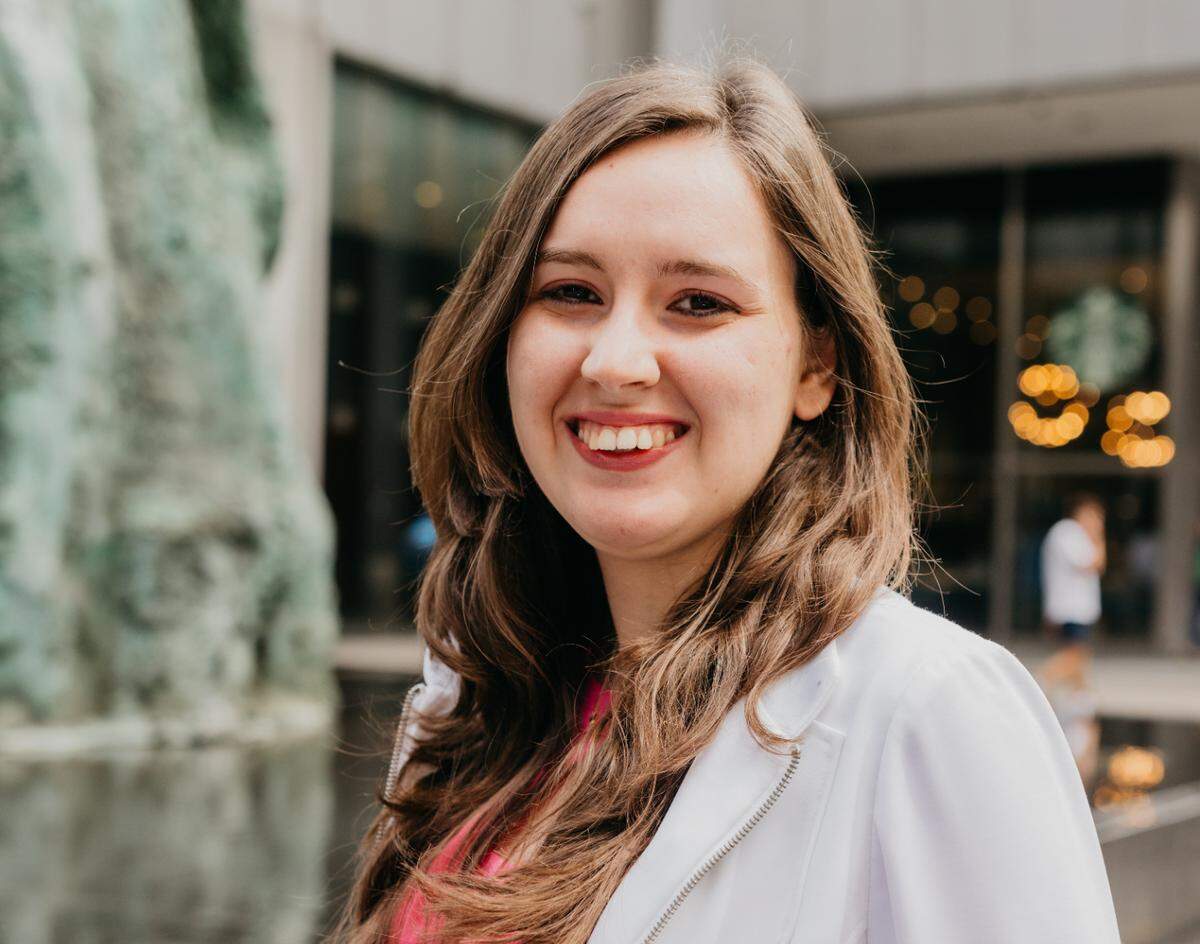
Lead Pastor Muche Ukegbu of The Brook church in Miami was discussing abortion in a Friday morning meeting when his phone lit up with the news of the court’s decision.
He said he felt joy because the decision will help protect unborn babies. But he also felt sorrow.
“Justice doesn’t just look at the situation at hand; it looks at the systems that create it. … And so to pursue the well-being of the child, to protect them, but not create ecosystems where they could flourish, healthcare, things of that nature, it just creates a level of sorrow,” Ukegbu said.
.jpeg "IMG-1729 (2).jpeg")
The 36-year-old Houston-born pastor and father of three moved from Atlanta to South Florida several years ago to oversee The Brook, a multigenerational, multi-ethnic church in the Little River neighborhood that is aligned with the Southern Baptist Convention.
To him, “pro-life” is different from being “anti-abortion.” For Ukegbu, pro-life means protecting unborn babies, but also looking for ways to address the situations that could lead a woman to terminate her pregnancy, as well as the struggles a woman may face after giving birth.
READ MORE: Was abortion illegal in Florida before Roe v. Wade? Are there restrictions now?
He believes faith-based organizations will have to step up their efforts to “champion causes that really pursue life,” as the country adjusts to a new world without Roe v. Wade.
“If we’re not dealing with systemic racism — most terminations of pregnancy are in distressed communities of color — we have to ask why,” he said. “And then we have to ask, well, what’s the history? if we’re not dealing with that, we’re not dealing with the economic disadvantages that create conditions of hopelessness, to where you don’t feel like you can, with any degree of integrity, bring the baby into this world.”
Abortion ‘a lot more nuanced’ in Islam, imam says
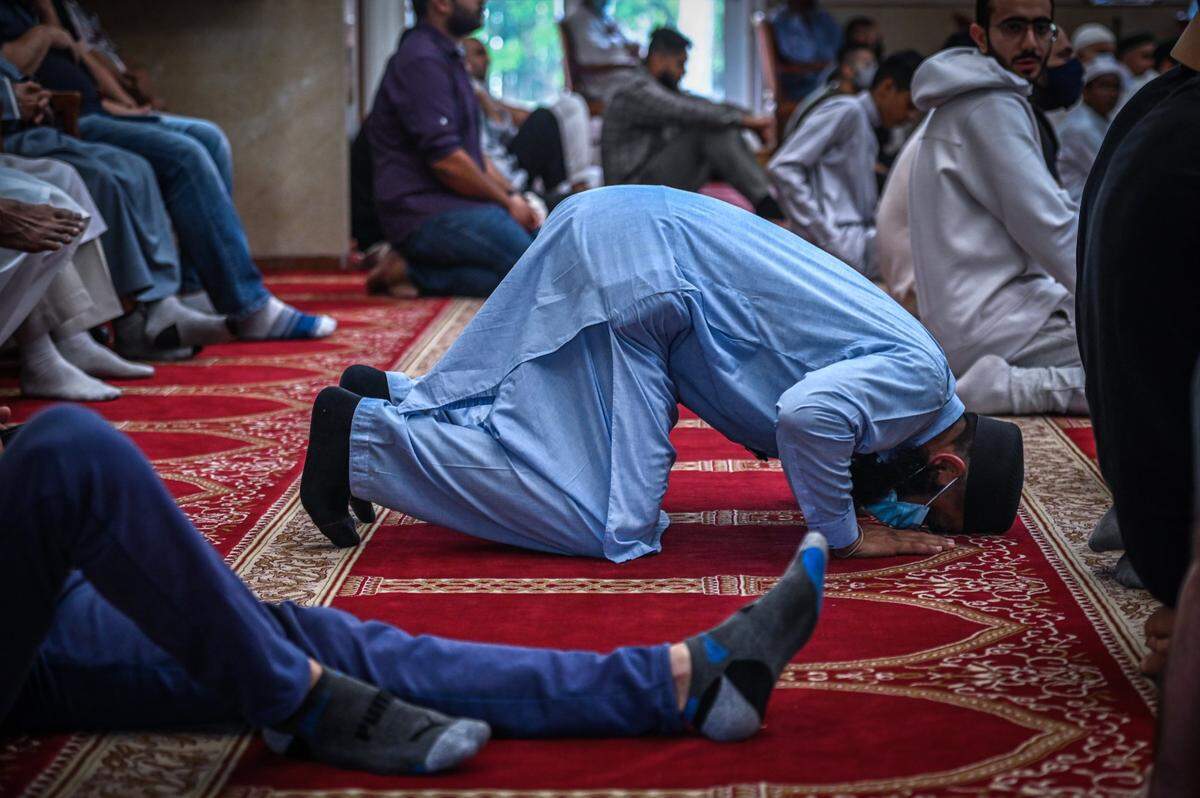
The concept of life being sacred is well-established in Islam, said Sultan Mohammed, imam at the Islamic Foundation of South Florida in Sunrise. The right of taking a life only belongs to God, he said.
But Mohammed said abortion is not a clear-cut issue in the religion.
“It’s not entirely pro-life or entirely pro-choice,” he said. “It’s circumstantial, and it’s case-by-case, and a Muslim scholar must be approached before asking whether this scenario is permissible.”
Abortion is permissible up to 120 days of pregnancy, a time when Muslims believe the soul is blown into a fetus, Mohammed said. It is an option when the mother’s life is at risk, in cases where the pregnancy is unwanted and caused by force, such as by rape, or when the pregnancy is considered religiously immoral, such as incest.
The Quran, the Islamic holy book, commands Muslims to not kill their children, Mohammed said. This discourages abortion in other scenarios, such as if a woman doesn’t want more children or fears poverty.
“Someone can’t just go ahead and say ‘Well, this is my body, and it’s my choice,’” he said. “No. We believe that it is God’s body and you must do with it according to what God gives you in terms of directions; not what your heart desires. It’s a lot more nuanced than just a yes or no.”
The overturning of Roe v. Wade could put women who receive faith-based validation and have a sound reason for an abortion at risk, he said.
“It does compromise someone who would want to pursue it for the right reasons, religiously speaking,” Mohammed said. “It would infringe on their rights.”
‘A major step back’
Rabbi Alan Litwak, of Temple Sinai of North Dade, sees the ruling to overturn Roe v. Wade as “extremely concerning” for Jewish communities.
“In a country that has prided itself on the separation of church and state, this is a major step back,” he said. “A step that has been coming and is not the only one in terms of religious liberties and freedoms.”
Litwak, rabbi of a Reform synagogue, says Jewish communities have different viewpoints on abortion. But he believes that Judaism says one becomes a person at birth.
“So when you have religious questions and differences, it’s concerning that one religious community is determining the outcome for everyone else.”
Miami Herald staff writer Jimena Tavel contributed to this report.
This story was originally published June 26, 2022 at 6:00 AM.