‘It’s a battle.’ How a Catholic support group is helping women after having an abortion
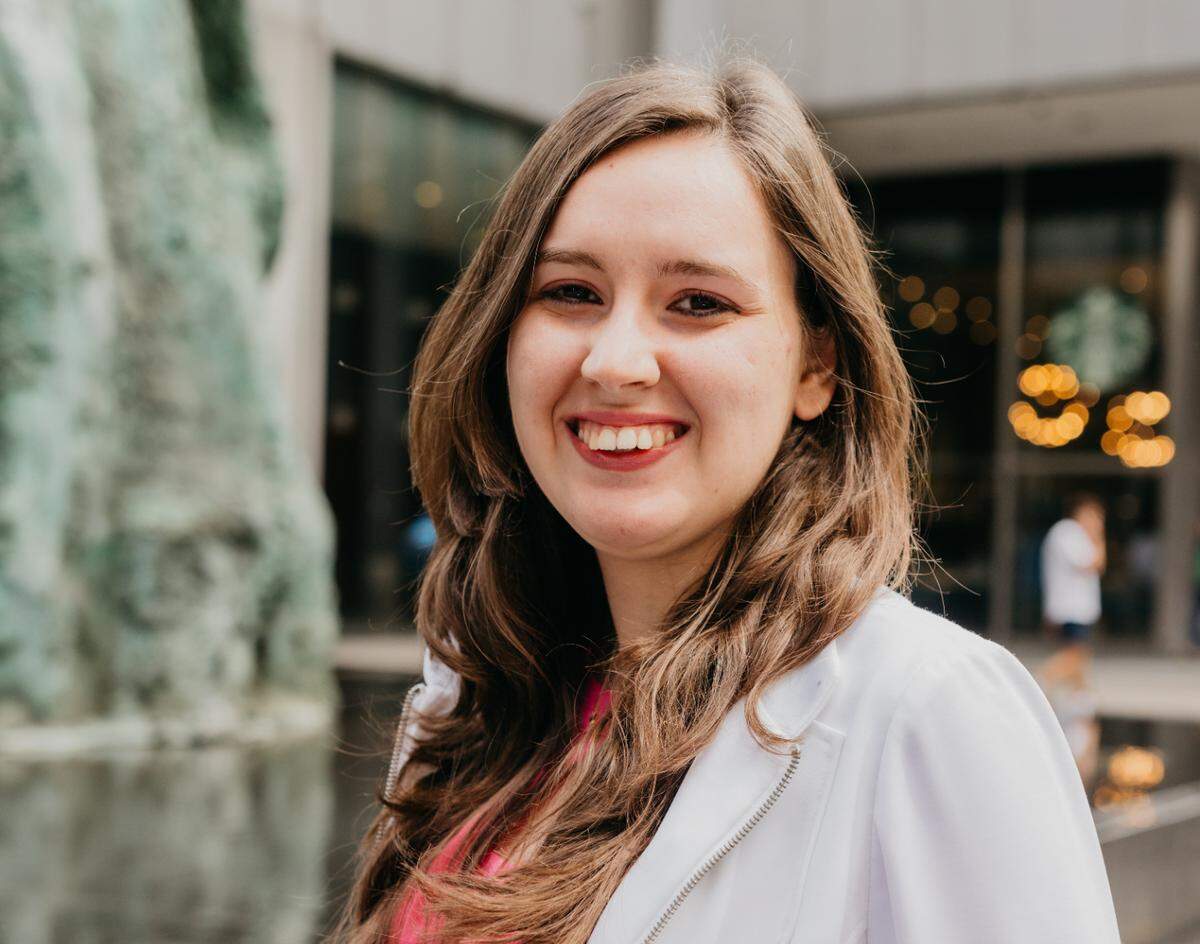
Linda Fernandez was 24 and seven weeks pregnant when she walked into an abortion clinic.
She took some pills — it was a medical abortion — and then there was lots of blood and pain, the 31-year-old recalled.
“I was in so much pain that I couldn’t walk. So I was walking to the door of my house, I was crawling basically, and my mom opened the door ... she was obviously scared,” said Fernandez, who kept her decision to have an abortion from her family. “But she tried to help me up and pick me up and take me to her bed, and in that moment, my mom actually just told me to rest and it’s going to be OK.”
As the days passed, Fernandez grew depressed. She felt ashamed. Her mom pushed her to visit church, where she went to confession and was given pamphlets to Project Rachel and Rachel’s Vineyard.
Project Rachel is the Catholic Church’s post-abortion ministry in the U.S. that seeks to help women and men recover from an abortion, said Rebecca Brady, the director of Respect Life Ministry for the Archdiocese of Miami. In South Florida, the program is run through the Respect Life Office in the Archdiocese and works with people in Miami-Dade, Broward and Monroe counties. Its retreats are known as Rachel’s Vineyard.
Fernandez kept the pamphlets in her room. “Not yet. No, not yet.” Days passed. Eventually, she picked up the phone and called.
“It’s a battle,” said Fernandez, who said she took the advice of friends to get an abortion. “It’s really hard because it’s a lot of processing pain. So I remember that even in that year, I had to make a lot of changes in my life and surround myself with good influences, and people that would support me and understand what’s going on with me.”
No link between abortions, subsequent mental health issues, group says
The American Psychological Association (APA) earlier this month, in response to the news that the U.S. Supreme Court could overturn Roe v. Wade, said in an online statement that there’s “no research to indicate that abortion is a cause for subsequent mental health diagnoses.” Instead, it says banning abortions or creating more restrictions on the procedure would likely hurt women’s mental health.
In 2008, the APA assembled a task force to review scientific evidence published in peer-reviewed journals since 1989 on the link between abortion and mental health. In its report, it acknowledged that some women do experience grief, sadness and feelings of loss after terminating their pregnancy.
However, the task force said it couldn’t find sufficient evidence to “support the claim that an observed association between abortion history and a mental health problem was caused by the abortion per se, as opposed to other factors.” It concluded that the “most methodologically sound research indicates that among women who have a single, legal, first-trimester abortion of an unplanned pregnancy for nontherapeutic reasons, the relative risks of mental health problems are no greater than the risks among women who deliver an unplanned pregnancy.”
For women like Fernandez who struggled with her decision afterwards, Project Rachel gives them a confidential space to talk and let “the pain in their heart out,” said Marcela Villegas, a facilitator for Project Rachel and an ultrasound technician at one of the Archdiocese’s pregnancy centers.
A leak of a Supreme Court draft opinion written by Justice Samuel Alito and obtained by Politico shows the Supreme Court would overturn Roe. v. Wade, the 1973 court decision that said women in the United States had a constitutional right to choose whether to have an abortion, when it rules on Dobbs v. Jackson Women’s Health Organization. That case challenges Mississippi’s 2018 law banning abortions after 15 weeks.
Four other Republican-appointed justices sided with Alito — Clarence Thomas, Neil Gorsuch, Brett Kavanaugh and Amy Coney Barrett — according to the draft opinion. A final decision is expected in late June or early July.
If Roe v. Wade does end, some states could introduce stricter abortion restrictions or even ban the procedure.
What is Project Rachel?
Project Rachel was originally founded by Vicki Thorn in 1984 in Milwaukee. In South Florida, the Archdiocese of Miami has provided post-abortion counseling for 30 years and has helped more than 900 women and men, Brady said. The group provides support services through trained clergy, laypeople and mental health professionals. It also has a confidential helpline.
While the program is Catholic, it’s open to anyone. In Catholicism, abortion is seen as a “grave sin” though its not an “unforgiveable sin,” according to the Archdiocese of Miami’s Project Rachel webpage.
The people who join Project Rachel have “suffered for years with pain and guilt and shame and have lived their life in such a way that without even realizing it, they were perhaps trying to compensate or atone for what they had done although they may not have acknowledged it at the time,” Brady said. “But over the years, they have finally come to realize that that was what was happening.”
The program has helped women who had an abortion 10, 15 and even 30 years ago, Villegas said.
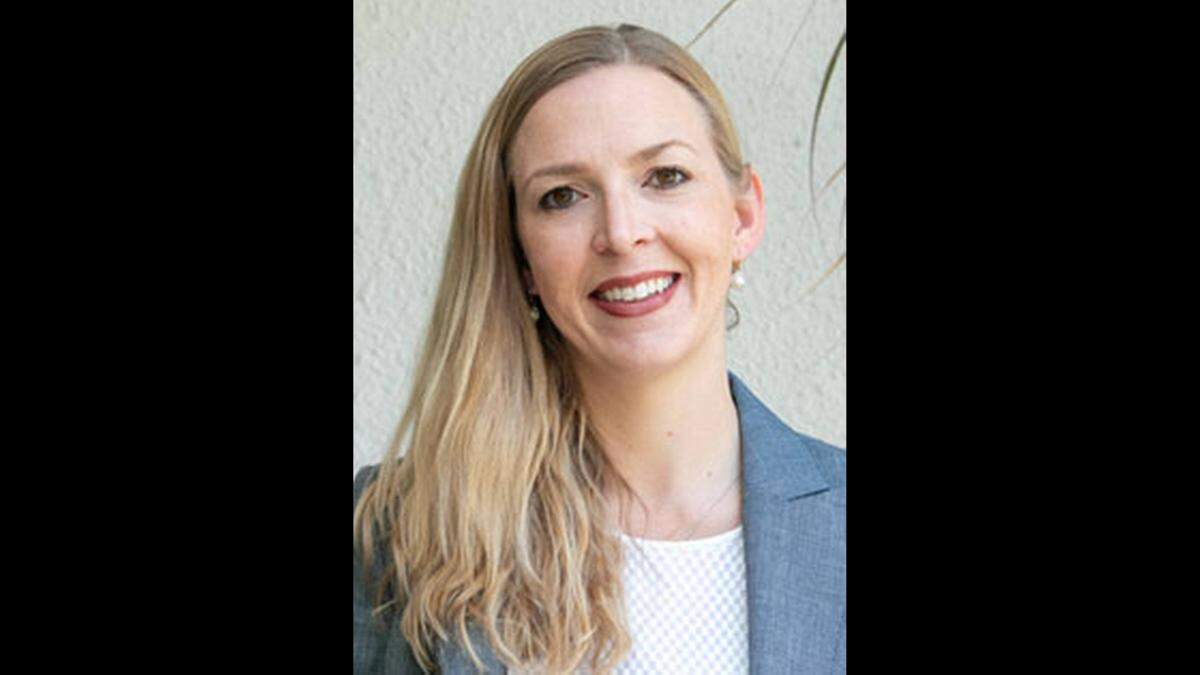
“And you can see the change of their faces and the way that they dress and the way that they talk is amazing,” she said. “Seeing the mercy of Jesus is amazing. “
Brady said the program is also open to men because they can be affected by the pains of abortion too. A husband, fiance or boyfriend, for example, might see signs that his partner was affected by an abortion and not know how to help her, she said. He might be struggling to come to terms with the loss of his child.
Brady said Project Rachel is also getting revamped, through the implementation of “Entering Canaan Ministry.” Starting in the fall, the Archdiocese will begin to offer “Days of Prayer and Healing” where people will pray and hear a testimony from a “survivor who has undergone healing,” she said. There will be monthly group gatherings, which will focus on different themes related to grief and loss processing. And weekend retreats that will let people “go a little deeper because healing is a process. It’s like peeling, you know, layers from the onion,” she said.
READ NEXT: Was abortion illegal in Florida before Roe v. Wade?
For Fernandez, who went to a Rachel’s Vineyard retreat, “It’s like they walk with you, they walk through the pain of what you go through. And you’re not alone. And so there’s people there that experience exactly what you’re experiencing, you’re recognizing that this is traumatic and this is a pain. And there’s healing, and there’s the other side of that, which is freedom.”
Fernandez said that a big part of her healing came by acknowledging her aborted child and giving him a name: Joshua. It also led her to a new calling: Helping women find alternatives to abortions.
Giving out pamphlets outside of abortion clinics
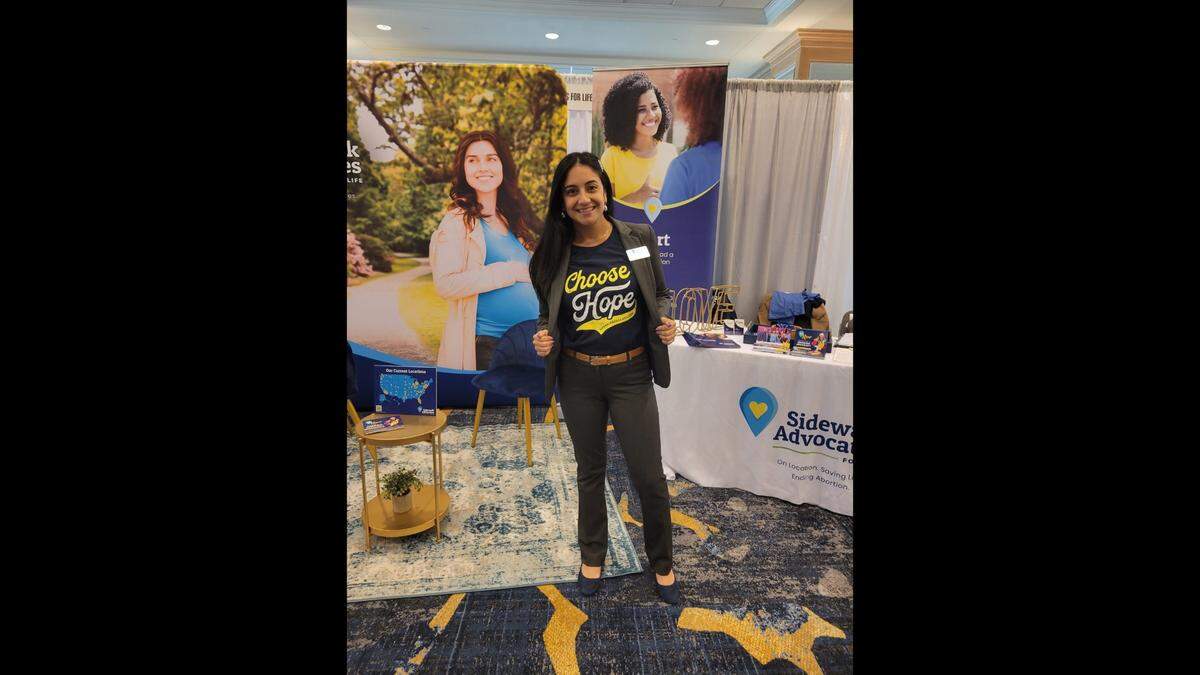
She began volunteering at one of the Archdiocese’s pregnancy centers, helping women in “crisis pregnancies” learn about alternatives and available resources. When she moved to Utah for an internship, she connected with Pro Life Utah, where she met a woman who introduced her to Sidewalk Advocates for Life.
Fernandez said the group sends people to stand on the sidewalk outside of abortion clinics and give out pamphlets with alternate resources to women who are considering the procedure.
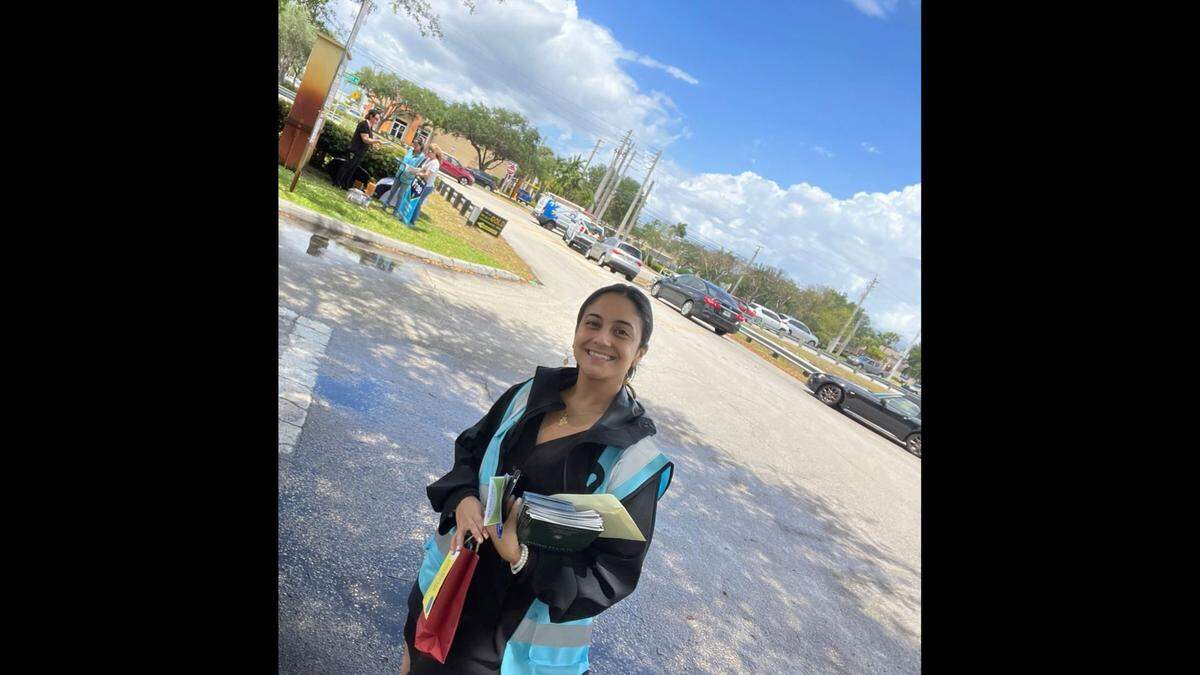
“And my heart was just like, ‘This is it. Like, this is what people need and women need and men need out in front of these abortion facilities. They need love, they need compassion. They need help,’” said Fernandez. ”And so once I received that training, I knew that I had to bring that back home.”
She’s now the South East Program Coordinator for Sidewalk Advocates for Life, which the Archdiocese of Miami has partnered with to put advocates in front of the 24 abortion sites in Miami-Dade and Broward.
While the reasons women consider abortions vary, Fernandez believes that the “pain of abortion is real” and is “not something that you just bury within you.”
“I know what you’re going through and I understand you and that you are not alone,” Fernandez said. “If you have experienced an abortion, there is healing, there is hope, and there is forgiveness from that.”
Resources
Here are some resources for pregnant women who are looking for alternatives to abortion, or who need support after an abortion:
▪ Archdiocese of Miami’s Project Rachel — Confidential hotline is 954-981-2984 or (888)456-4673. Project Rachel’s national hotline — (888)456-HOPE or visit hopeafterabortion.com.
▪ The Archdiocese of Miami also has resources for pregnant women through its pregnancy health centers in Miami-Dade and Broward counties. The centers provide free pregnancy tests, pregnancy counseling, ultrasound exams, mentoring groups for fathers and classes on topics such as prenatal development, pregnancy, labor, postpartum newborn care and toddler parenting. To schedule a visit, call 954-981-2922.
▪ Healthy Start Florida provides free assistance statewide to pregnant women and children up to age 3. Services include help in finding a prenatal care provider, breastfeeding classes and connecting first-time moms living in poverty with a trained nurse that will do home visits until your child turns 2. For the Healthy Start coalition in Miami-Dade, visit hscmd.org. For Broward, visit browardhsc.org. For the Florida Keys, visit keyshealthystart.org
This story was originally published May 12, 2022 at 4:25 PM.