Miami was a hippie hangout? These photos show what it looked like in the ’60s and ’70s
You may know Miami as a tourist magnet. Or as a capital of Latin American business. Or even a growing tech nest.
But parts of Miami in the 1960s just wanted to be groovy, man.
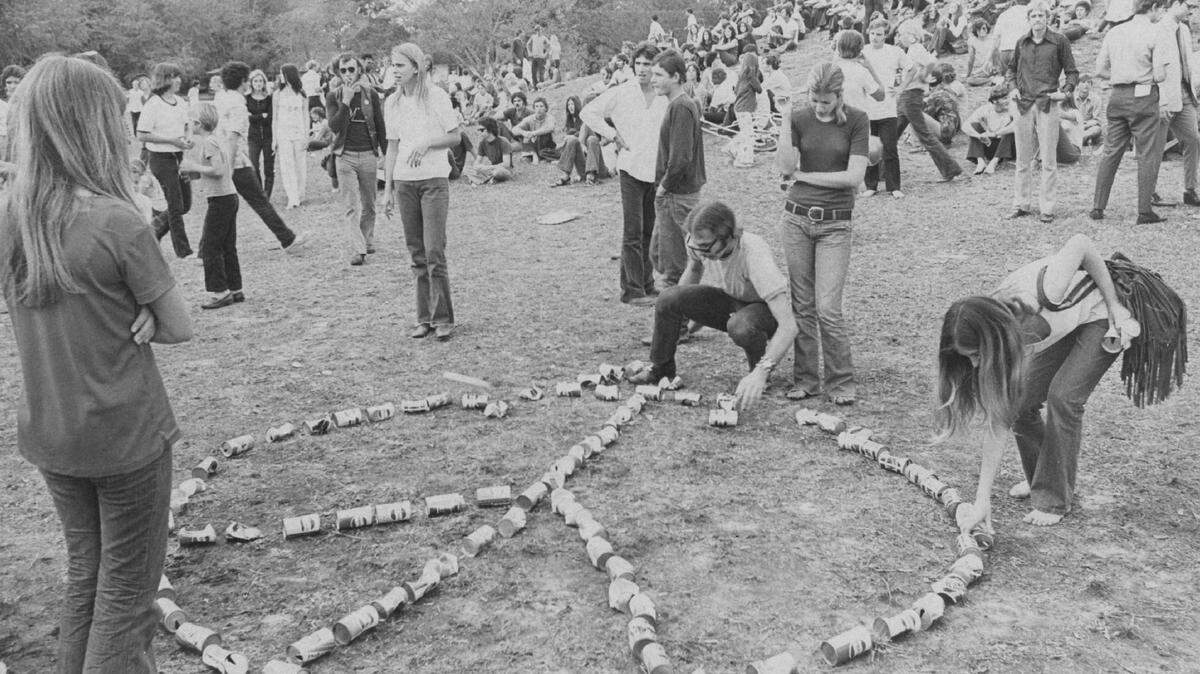
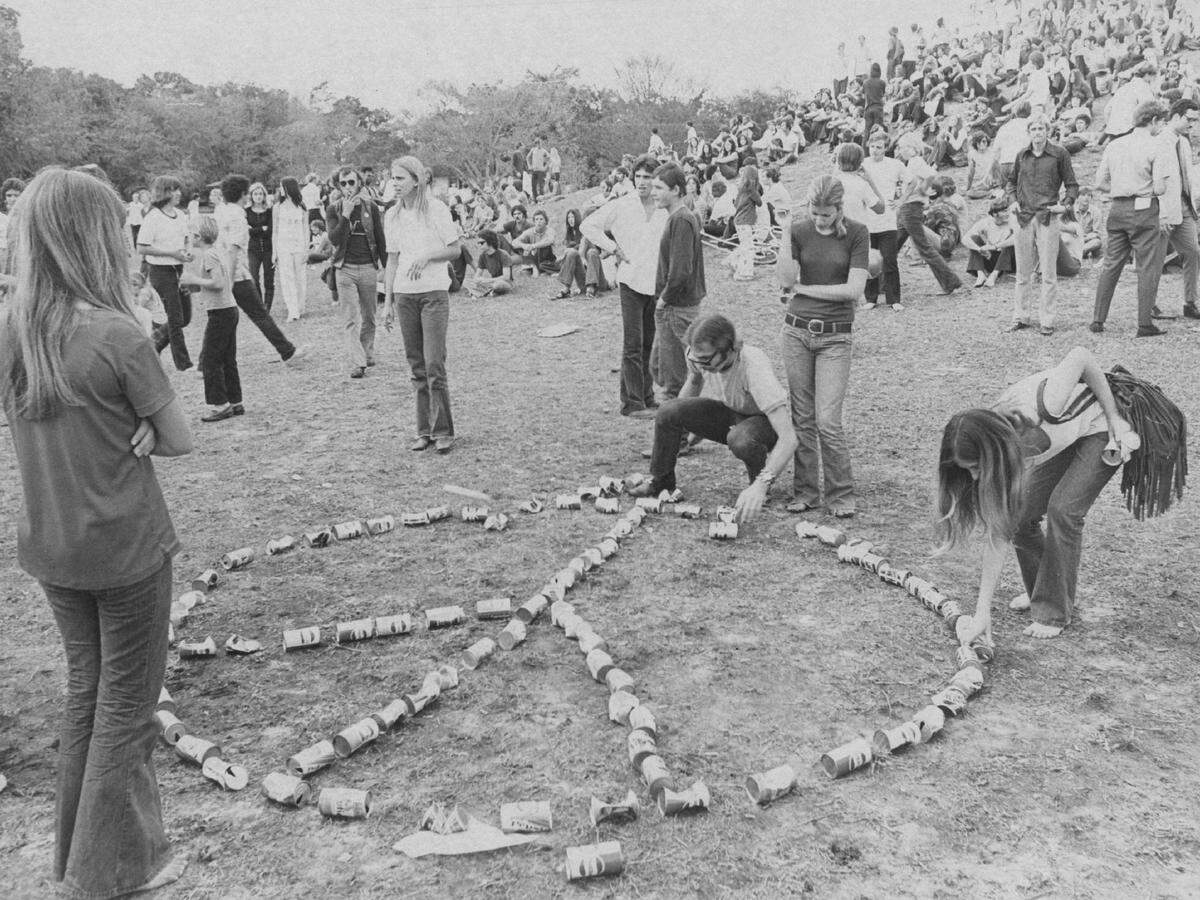
This was no Haight-Ashbury, but Coconut Grove and other areas attracted groups of long-haired young people to the waterfront, to head shops, to coffeehouses, to parks, all of them yearning to do their own thing.
Hippies hung out in the Grove, then just a small village, Sunny Isles, Haulover, and most notably at Greynolds Park in North Miami Beach. They made such an impression that years later, the park started hosting a Love-In as a nod to hippie culture. But the smoke rising above the park during these current-day festivals was barbecue — and not you-know-what.
Miami’s hippie generation even had its own Woodstock-like festival in the ‘60s, at a Broward County horse track.
Let’s take a step back in time, to 1960s Miami. Let’s check out some old pictures and read about some of the stories from back in the day.
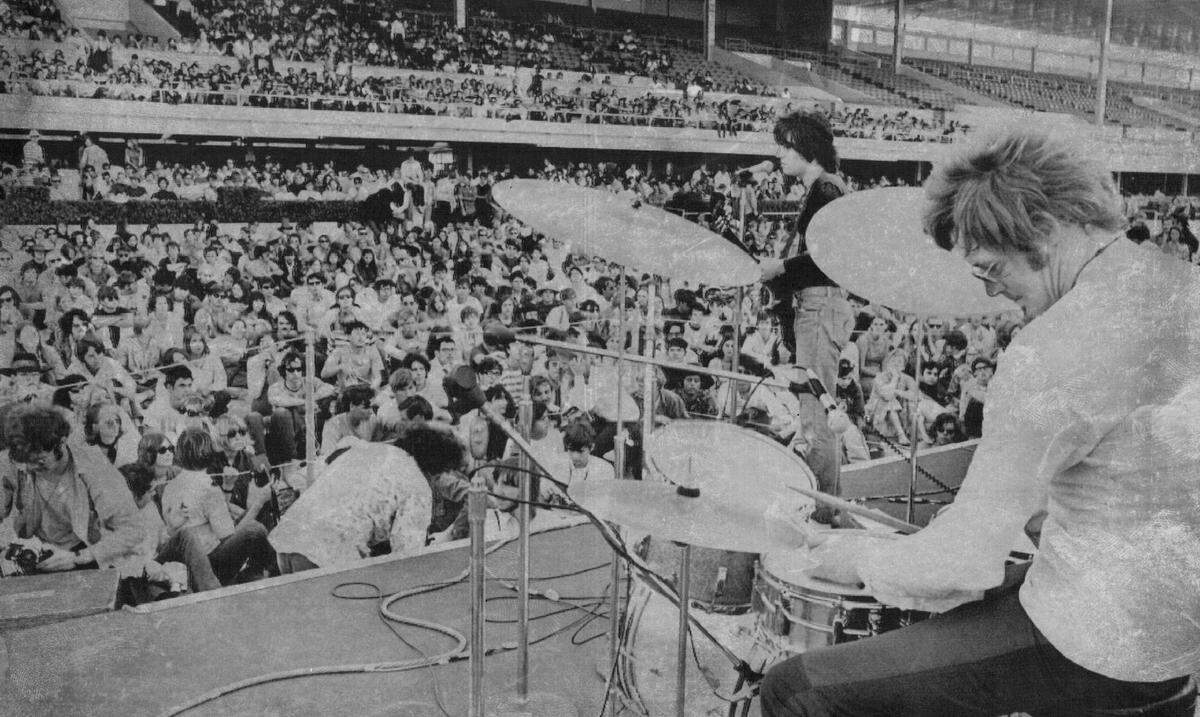
MUSIC FESTIVAL PICTURES: Miami music festivals of the 1960s.
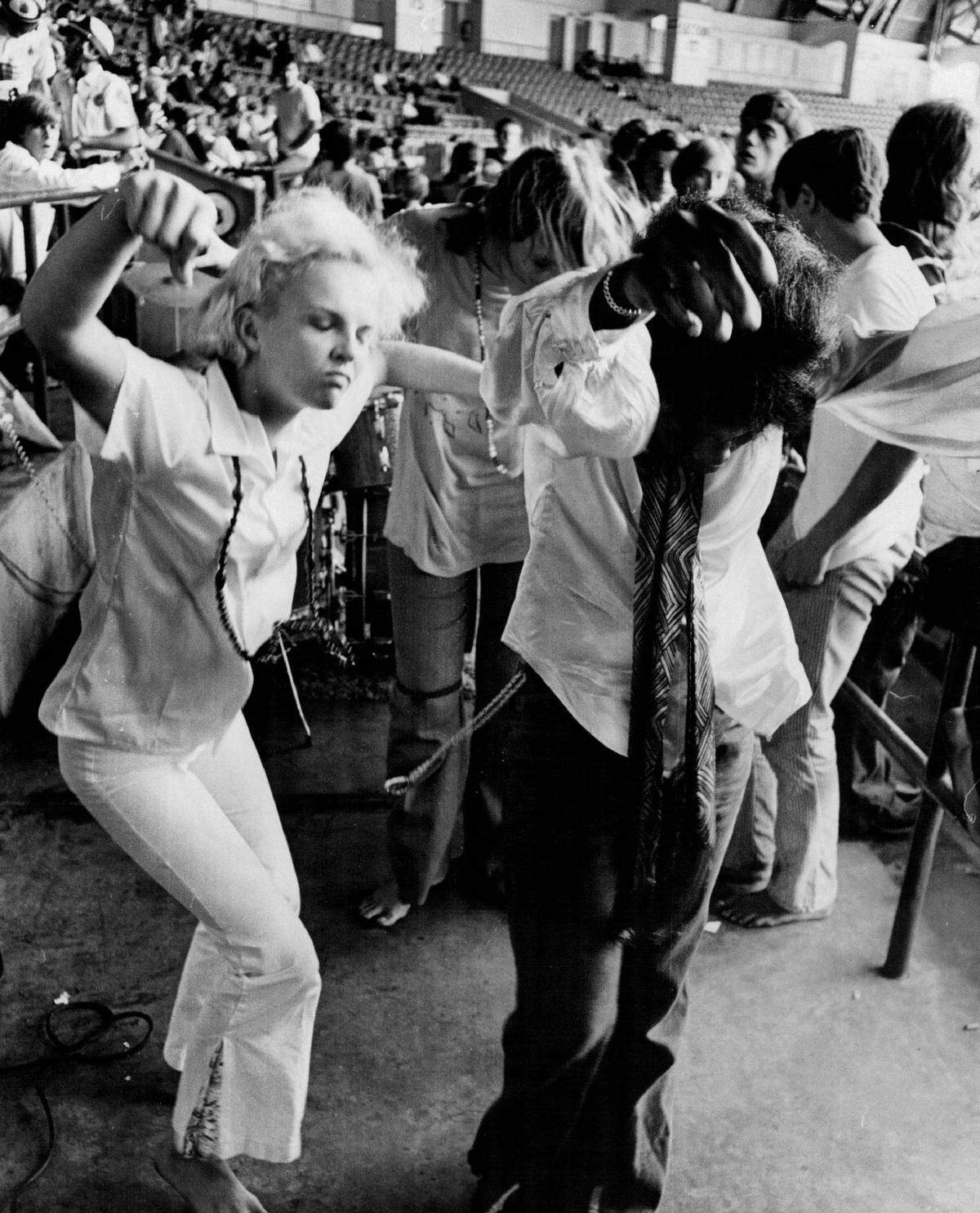
HIPPIES IN MIAMI PICTURES: Gatherings in the 1960s.
And now for a look back at the scenes from the 1960s in Miami.
Greynolds Park
Published in 2016
During the 1960s, local hippies and flower children would gather at Greynolds Park in North Miami Beach to hang out, listen to live local bands, smoke, read poetry and play music, while some would protest the Vietnam War. These gatherings and others like them around the country were known as “love-ins.” At Greynolds, they were held atop the park’s hill, which was once the highest public land point in Miami-Dade County at 46 feet above sea level, topped with a limestone rock quarry tower.
For the past 13 years, Greynolds has hosted “Love-In, Party in the Park” festivals celebrating music from the 1960s, ‘70s and ‘80s, with acclaimed bands like Jefferson Starship and singers including Richie Havens, among other big-name headliners.
The event’s festivities on Sunday drew more than 1,000 people to Miami-Dade’s second-oldest park. Tony Stevens, former bassist of the English rock band Foghat, performed the hit Slow Ride, among the band’s other songs alongside former members of Savoy Brown and Hall and Oates. Brian Howe, former lead singer of Bad Company, also played Sunday, as did local band Havoc 305.
In addition to live music, the event featured a costume contest, friendly Frisbee matches, fair food such as funnel cakes, arepas, and lemonade slushies, but mostly the opportunity to relive and reminisce about old times: Most attendees were baby boomers, many of whom grew up in South Florida and went to school here.
Miami Beach resident Zona Horton, who attended Sunday’s Love-In with her husband, recalled how she’d skip math class and come to Greynolds Park with friends in the early ‘60s, when she was 17.
“We used to roll down the hill, sit by the water, hang out, get stoned - it was amazing,” she says. “It’s really come full circle,” she says of the park’s annual Love-Ins.
“I was a good boy,” says her husband, Jim Falkowski, of his youth. “She’s the girl my parents told me not to hang out with.”
This is the third year Rhonda Grunthe of Davie attended the Greynolds Love-In. She went to Woodstock and says she enjoys live music and being with friends, but also, “reminiscing and never wanting to grow old.”
Tom Morgan, the coastal region manager of Miami-Dade Parks, has directed the Love-Ins since the festival’s inception.
“The park was one of the hippie areas of Miami-Dade County. It used to be a landfill many years ago. Buried underneath the hill is old rock quarry equipment. The park has a lot of neat history. Solo music acts would show up and play on the hill. The flower generation would come here to enjoy themselves, and preach peace.”
He says the main message of the annual event is to give people a “throwback” in time and to promote the decades associated with the peace and love movement.
He and his team will be planning Coconuts Music Festival soon, complete with coconut-themed activities and live music, which will take place at Haulover Park in November.
Many of the attendees on Sunday sat in lawn chairs or on tie-dyed blankets beneath the shade of a large tree near the hill’s rock quarry. Others soaked up the sun closer to the stage or browsed the food and drink vendors, and tossed free Frisbees distributed by one of the sponsors, Catholic Health Services. Peterson’s Harley-Davidson brought a black leather motorcycle for people to sit on, while oldies music station, 102.7 The Beach, introduced the festival’s music lineups. Miami-Dade District 4 Commissioner Sally Heyman spoke to the crowd after Slow Ride, but attendees had disbursed, perhaps in awe of hearing and seeing a live performance of a song that helped define their generation.
Music
Published in 2009
When Ronnie Brooks was 17, he was part of the Woodstock Music Festival that underscored an entire generation. On Saturday, he was able to relive some of his old memories, thanks to the School of Rock Woodstock Commemorative Concert at Peacock Park in Coconut Grove.
The music of Jimi Hendrix, Sweetwater and others performed by the School of Rock musicians and audience members wearing tie dye shirts and other colorful attire reminded Brooks of the 1969 concert and the era of peace, love and rock and roll.
“This is great; it brings back a good moment,” Brooks said.
For Brooks, however, there was a major difference between Saturday’s concert and the original Woodstock.
“Back then, they were not just talking about love and peace; they were actually doing it,” he said. “You were walking down the street, met a girl and started kissing her.”
Brooks was not the only one who was taken back in time. People hula-hooping to the rhythm of the classic tunes and the messages of hope that could be seen around the park allowed the younger generations to take a peek at the 1960s era.
“This is like going back to the ‘60s, and today we are all about love and peace again,” said Christopher Bromley, 16, a School of Rock student who performed on Saturday.
Food and drink vendors were also on site, and though bad weather kept some bands from performing, some said the rain made the gathering more like the original Woodstock.
“It’s only appropriate that it rained, because in Woodstock it rained even more,” said Carlos Cardoso, who attended the event.
It was also appropriate to have the concert in Coconut Grove, which used to be a 1960s hippie haven.
The School of Rock opened 11 years ago to teach youngsters the beauty of music. Today, the students hope to mark a new generation and inspire others to play music.
“Woodstock changed music forever and changed a generation, and we want to do the same,” said Julio Nieto, 16, who plays the guitar.
“Hopefully, the kids who are here today will get inspired and also pick up an instrument,” said 17-year-old Charles Arslan.
At the end of the night, a guitar signed by Woodstock artist Carlos Santana was given away.
“This is just a great celebration” Brooks said. “I’m going to party.”