Esserman-Knight awards its first journalism prizes and investigative journalist fellowship
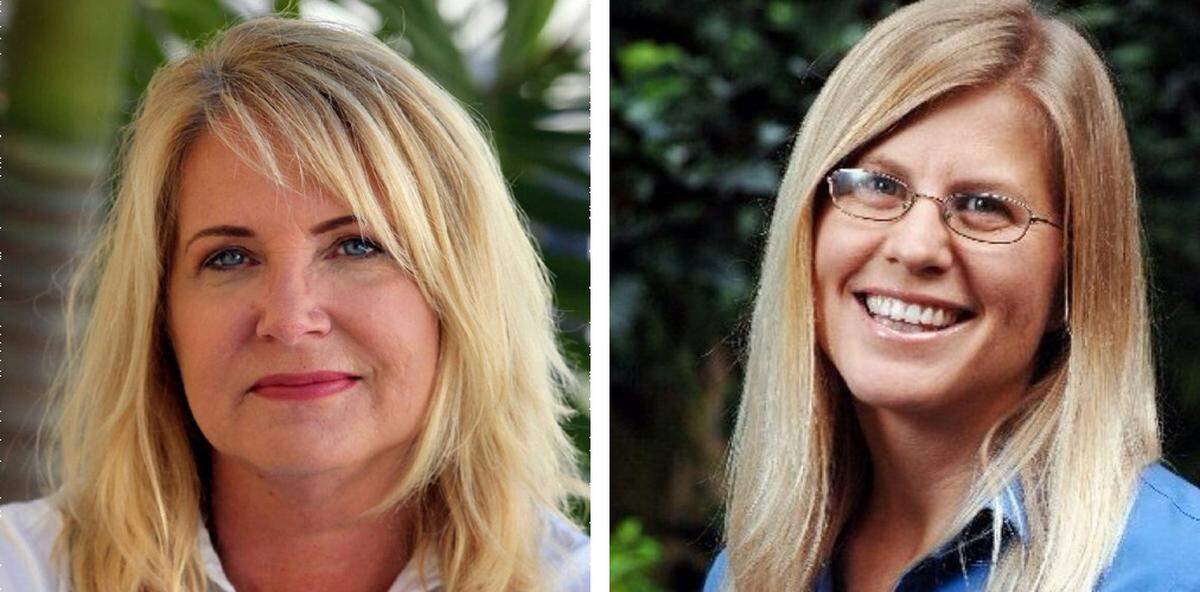
The Esserman-Knight Journalism Prize, which honors the best accountability reporting in South Florida, was presented Wednesday morning to the Miami Herald’s Julie K. Brown and Emily Michot for Perversion of Justice, the duo’s investigative series on the case of sex trafficker Jeffrey Epstein.
Brown and Michot are the inaugural winners of the $10,000 prize. They will be celebrated at a public, online event at 7 p.m. Thursday, June 18.
“Emily and I are very honored and grateful that our work is being recognized with this prestigious award,” Brown said in a statement. “We hope that our work, and those of other journalists across the nation now facing danger while on the front lines of truth, demonstrate how vital journalism is to our democracy.’‘
Charlene Esserman echoed that.
“Perversion of Justice is a triumph of investigative journalism,” she said in a statement released to the Herald. “Emily and Julie’s sensitive approach enabled them to gain the trust of Jeffrey Epstein’s survivors, and coupled it with rigorous reporting to overcome the forces of privilege, indifference and misogyny.”
The Herald’s “Perversion of Justice” series detailed how Epstein, a wealthy New York investment manager with an estate in Palm Beach and a private island in the Virgin Islands, molested and trafficked dozens of underage girls, and how he managed to manipulate federal and state prosecutors into giving him and others involved in his crimes immunity from federal prosecution.
Epstein was arrested in July 2019 amid nationwide interest in the case following the Herald’s series. His death inside his jail cell the following month was ruled a suicide.
A Miami family’s investment in journalism
The prize is part of a $2.5 million investment that Ron and Charlene Esserman — and their children Jim, Susan, Lisa and Laura — made in local journalism in February, in partnership with the John S. and James L. Knight Foundation, which is administering the prize.
The Esserman investment, set up through a fund at The Miami Foundation, supports the Esserman-Knight prize and an annual fellowship for an early-career investigative reporter at the Miami Herald.
Early-career investigative fellowship
Christina Saint Louis, a recent graduate of the Columbia University Graduate School of Journalism, where she was a fellow at the Toni Stabile Center for Investigative Journalism, is the first recipient of that fellowship.
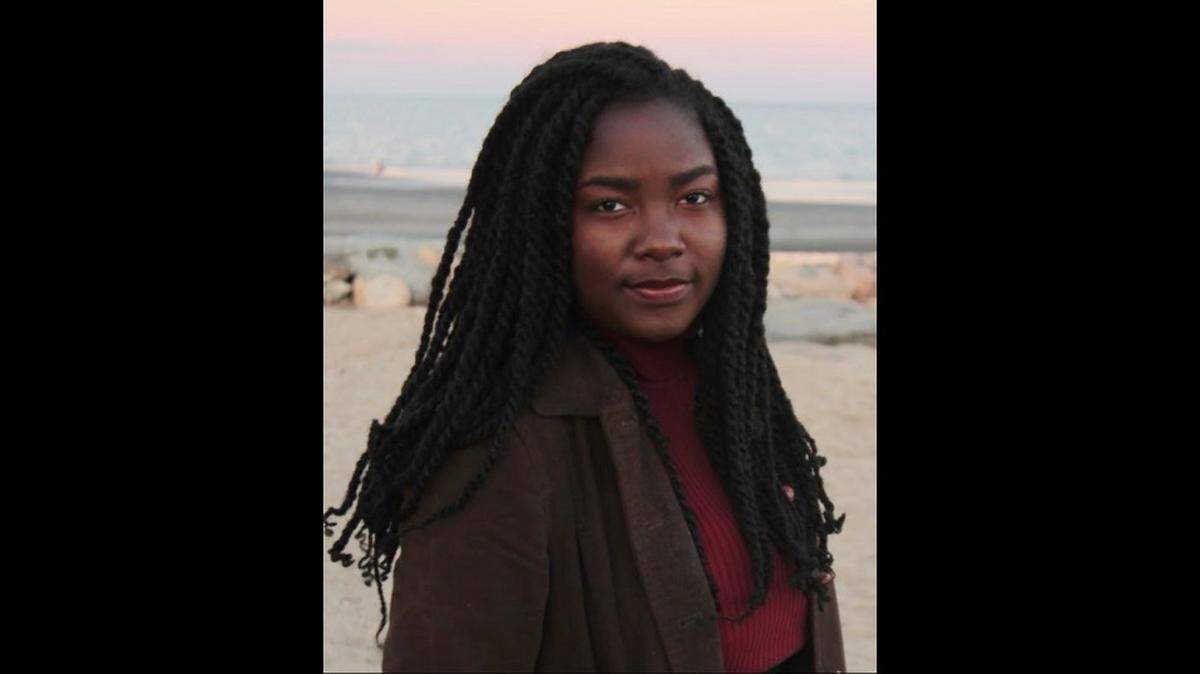
Saint Louis, a graduate of Barnard College, has reported for City & State New York, a politics and policy magazine, and covered Morningside Heights, the neighborhood around Columbia, for campus radio.
She will join the Miami Herald’s investigative team. Saint Louis is a native of Stuart and fluent in Haitian Creole.
“We’re honored that two of our best, Julie Brown and Emily Michot, are being recognized with the first Esserman Prize. And we’re proud to bring Christina into our organization as our first Esserman Investigative Fellow,” said Aminda Marqués González, executive editor, publisher and president of the Miami Herald and el Nuevo Herald, and regional director of McClatchy’s Florida news operations.
“We had 200 applications for the fellowship, filled with excellent candidates, but Christina’s stood apart,” Esserman added. “We’re excited she will be learning from some of the best reporters in the business, and are looking forward to the impact she will have in Miami.”
Excellence in Journalism honoree
Washington Post Executive Editor Martin Baron was honored with the Esserman-Knight Excellence in Journalism designation for his distinguished service in journalism. This award doesn’t come with a cash prize.
Baron was executive editor of the Miami Herald in 2000 and oversaw coverage of Elián González’s return to Cuba and the contested 2000 Bush-Gore election.
Baron left the Herald in 2001 to become the top editor of the Boston Globe, then moved to the Washington Post. He has led newsrooms to 17 Pulitzer Prizes.
“Investigative journalism takes insight and courage, qualities Julie Brown, Emily Michot and Marty Baron have shown, time and again,” said Alberto Ibargüen, president and CEO of the John S. and James L. Knight Foundation. “That kind of journalism also takes time and resources, so we’re thrilled to join the Esserman family in recognizing the contribution of news organizations for the benefit of our community and our democracy.”
The other Esserman-Knight winners
Four additional projects were honored Wednesday for their impact:
Runner-up (earning $5,000).
Megan O’Matz, Brittany Wallman and Aric Chokey of the Sun Sentinel for “Teenage Time Bombs: A Generation in Danger,” a look into how many other emotionally disturbed kids like the Parkland shooter are in Florida schools. The series concluded that well-meaning mainstreaming laws have given school districts little room to remove potentially dangerous children from regular classrooms.
Honorable Mentions (a $1,000 prize.)
▪ Erika Carrillo and Maria Alesia Sosa of WLTV Univision Miami and USC Annenberg Center for Health Journalism for “Paradise of Beauty and Death,” an investigation exposing the lack of regulations for Florida’s cosmetic surgery centers, where they found 14 women from around the country and the Americas who had died during botched surgeries. In the wake of their reporting, the Florida Legislature passed a law that now requires these centers to register with the Florida Department of Health, have a doctor’s license associated with them, and have insurance for both the center and the doctor, according to the Knight Foundation.
▪ Reporter Jessica Bakeman and editors Alicia Zuckerman and Teresa Frontado of WLRN for “Chartered: Florida’s First Private Takeover Of a Public School System.” The hour-long audio documentary and multimedia series examined the potential benefits — and risks — of Florida’s new “schools of hope” policy, which offers millions to attract charter schools to the state’s poorest communities.
▪ Fabiola Santiago of The Miami Herald for her “Perspectives on South Florida” weekly columns for the Miami Herald and el Nuevo Herald. “Through her original reporting, she raises often ignored issues such as racial, ethnic, economic and gender disparity; heavy-handed political processes and people; and unfairness to people with little or no access to those in power,” the Knight Foundation said.