
‘Tania always decides’: Miami’s most fragile seniors are in one woman’s hands

Julia Rabell, an 88-year-old former grocery store cashier beloved for the stories she told her customers at checkout, became weak and despondent while living with other tenants in a cramped Flagami boarding house.
The home was subdivided into a colony of crude dwellings held together with jury-rigged plumbing and slipshod electrical wiring, records show.
When Rabell complained about meals of canned beans and tuna, and resisted demands to pay thousands in cash to be moved to a different home, the couple running the boarding house packed her suitcase and locked her out in the August midday sun, she told her friend of 50 years, Ana Horta. Rabell was wearing her nightgown, sobbing, shaking and slumped against her cane when Horta picked her up, Horta said.
“They kicked her out. Closed the door on her and left her out in the heat with her luggage,” said Hilda Horta, Ana’s daughter. “They abandoned this elderly lady. She could have wound up homeless, and they didn’t care.”
The incident, described in sworn testimony and a sweeping state report, was part of a two-year investigation that exposed distrust and dysfunction at one of Florida’s largest agencies.
The Hortas were horrified to learn that Tania Hernandez, the owner of the small house where their friend was going hungry, was a social services worker for the state charged with the mission of saving frail, elderly and disabled adults like Rabell.
When investigators were summoned, they found a 90-year-old woman renting a small, dingy room with a toilet and showerhead shoehorned into a bare concrete closet. One woman was paying $600 per month to live in a storage shed in the muddy backyard cluttered with junk and dotted with dog poop. Another woman was renting a room with her teenage autistic son. A woman and her baby lived in the garage, state health inspectors said.
“Julita said it was a disgusting place,” Ana Horta said. “Julita was a business to them. That’s exploiting the elderly for money. Tania is abusing her power.”

Hernandez has unmatched power in Florida in her job as placement specialist for the Department of Children and Families in Miami. When incapacitated elderly people in Miami-Dade are removed from their homes and taken into state custody for their own safety, Hernandez is the matchmaker who decides where they will go — with or without their consent.
Vested with the responsibility of finding havens for some of the county’s most fragile, lonely people, often without relatives or those able to care for them, Hernandez has been accused of treating them like commodities. She placed seniors at assisted living facilities with long records of violations, a Miami Herald investigation found. In a county with more than 800 licensed ALFs, she overruled caseworkers and ignored families to choose her favored destinations, including homes with shoddy records fighting shut-down orders.
First, she sent seniors to Larkin Community Hospital, despite its history, which included civil fraud allegations by the U.S. Justice Department — bypassing other hospitals to have them evaluated by doctors DCF preferred. She listed herself as elders’ next-of-kin or guardian, though she was not.
Angry colleagues at DCF’s Adult Protective Services program accused Hernandez of accepting kickbacks — allegations never substantiated in internal investigations — from facility owners eager to fill their empty beds with clients on Medicaid, the insurer of people in poverty. Distraught relatives said she dispatched loved ones to faraway homes without warning. One desperate woman searching for her uncle even called emergency rooms and police.
“You would not place your mother and father in these facilities,” a whistleblower wrote to Gov. Ron DeSantis. “How many times is our phone going to ring in the office with a family member who has no idea where their loved one ended up? By the time they find out, their loved one is already gone.”
The whistleblower, a former caseworker named Frances Shackelford, wrote that decisions to move elders into homes with ugly records often were premature or unjustified. She said the number of elders removed from their homes had “skyrocketed” since Hernandez was put in charge of placements.
“This occurs when removals become a business, when removals become profitable,” Shackelford wrote in a complaint to state investigators, though she gave no specifics on money changing hands. She said seniors who were still independent and “who still work are being removed. Victims without a court order are being forcibly removed.”
Adult Protective Services investigator Eneida Senrra testified in a recorded statement that over time Hernandez was granted control over elder placements, and people in the industry understood who dispensed the “bread and butter.”
“DCF superiors gave this woman the key to do human trafficking with our old people,” Senrra testified. “To me, she’s selling them off, and she’s getting money for it.”
Hernandez has weathered persistent criticism from co-workers, clients and their relatives. She told investigators her 38-year career helping others has been denigrated by gossip and lies. She was the subject of five state or local investigations over a six-year span. Two investigations were conducted by DCF’s Inspector General. One probe into Rabell’s welfare was handled by the adult protection program. Another, by the Agency for Health Care Administration, examined whether the Flagami house where Rabell lived was an unlicensed elder care facility. None of those found any wrongdoing.
The Inspector General closed the final investigation in 2022, saying there was no proof Hernandez had misused her position, engaged in conflicts of interest or accepted financial incentives. She was transferred from her job as placement specialist while she was under investigation and was returned to the role after she was cleared.
Hernandez’s official record, as given to the Herald, remains unblemished. She continues to determine how and where seniors wrenched from their homes will spend the rest of their lives.
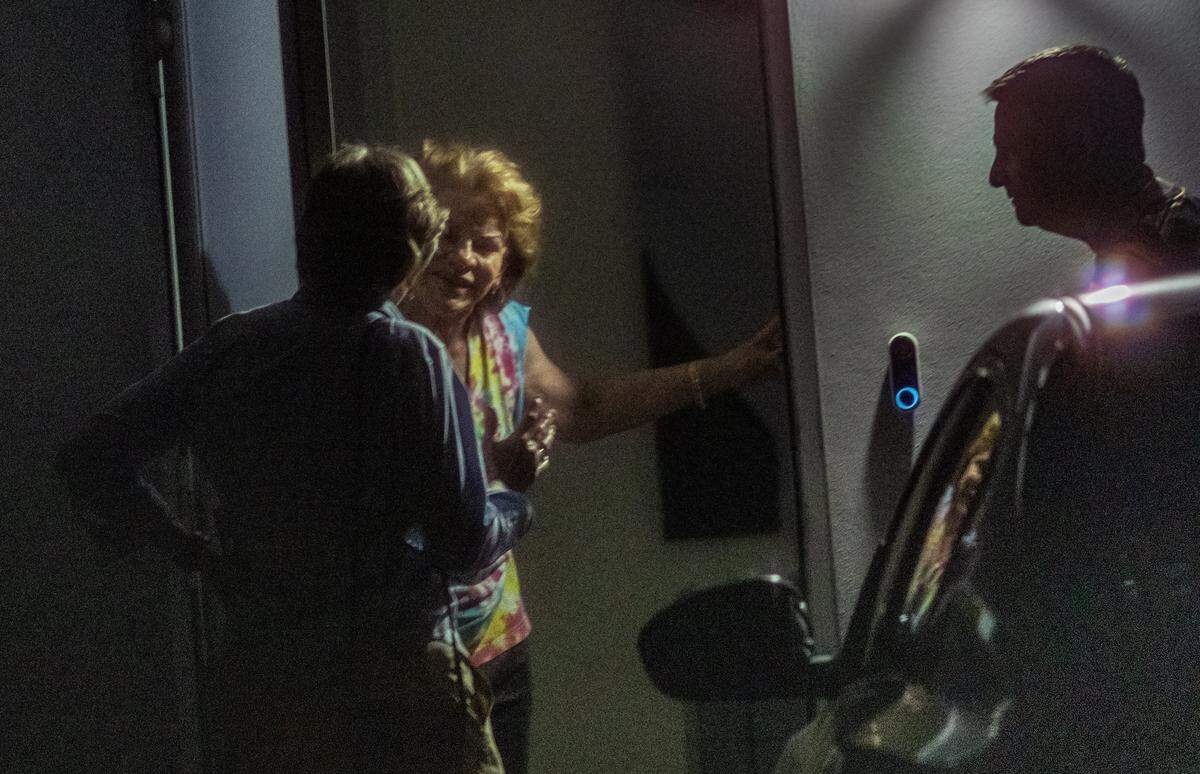
Hernandez, 64, did not respond to multiple emails, texts and phone calls seeking her response to the allegations. She politely turned away a Herald reporter who came to her home.
“I have nothing to say,” she said. “Thank you. Have a good night.”
In a recorded interview with an investigator, Hernandez said she was the victim of a smear campaign.
“I never received anything. You can ask any of them. All that I did was my job,” she said. “I would call them: ‘Do you take this client? Yes? No?’ I would send them, and that was the end of the story.
“I never, ever received nothing from it.”
Hernandez said she “did a lot of good” in her role. Her bosses agreed. They gave her glowing reviews and granted her authority over all adult placements.
“I felt like I did help a lot of people,” she said. “And it made me feel good.”
‘WHERE IS THE RESPECT?’
Any of Miami-Dade’s 450,000 residents aged 65 and older could find themselves in Hernandez’s hands if they are catalogued in the Department of Children and Families’ caseload.
Like the department’s more familiar division overseeing abused and neglected children, the Adult Protective Services program investigates claims of maltreatment of elderly and disabled adults, as well as reports that they can no longer care for themselves.
They’re not eating, they’re not bathing, they keep falling, they’re forgetful, they’re confused, they’re aggressive, they’re isolated, they can’t clean the house, they’re hoarding. At-risk adults can be removed from their homes and put in state custody if they are living in any number of unsafe circumstances.
Several owners who spoke with the Herald insisted they treat residents entrusted to their care as they would their own families, with appetizing meals, clean surroundings and a gentle touch. Hernandez never asked for money, they said, and they did not pay for clients. They didn’t need to, they said, because their homes enjoyed good reputations.
Cesar Sanchez, 76, became an Adult Protective Services client when his daughter called DCF for help and he was admitted to a Kendall hospital for treatment of dementia. His daughter, Cristina Sanchez, said she phoned him a couple of evenings later to say goodnight only to discover he was not in his room and none of the nurses knew where he was. He had vanished. She feared he’d wandered away and gotten lost.
“It was a horrible feeling, wondering what had happened to my father,” she said.
Only after several panicked calls to the hospital and a caseworker did she find out her father had been whisked away by Hernandez, who had checked him into an assisted living facility called Troy & Greg, she said.

After tracking down the address, Sanchez and her daughter drove to the 3-bedroom house on Eureka Drive and extracted Cesar. They said Cesar — dignified and well-groomed before the state took him — was filthy, hungry and tranquilized.
“When we found him, he was stinking of pee-pee, not bathed, not shaved, wearing a hospital gown with his clothes stuck in a bag,” she said. “He seemed to be drugged.”
She said a man she identified as the owner or manager of the home did not want to release her father.
“He said he knew from Tania that my father would be transferred there. He said, ‘You don’t tell me what to do!’ I said, ‘What do you mean? This is my father. Where is the respect?’
“They were taking advantage of my father, who has dementia, who is confused and can’t speak up for himself. They were treating him like he’s part of their business — not like a human being,” said Sanchez, who said she called a DCF caseworker to complain.
“He told me, ‘Don’t worry, Tania Hernandez is in charge.’ Tania never talked to me, never called me, never returned my calls.”
When asked about Cesar Sanchez, Troy & Greg owner Arsenio Lopez thought for a moment and said he had no recollection of Sanchez. When asked about his interactions with Hernandez, Lopez said she sends him DCF clients but not in exchange for money.
“I have never had a problem with Tania,” he said. “Never.”
HERNANDEZ TAKES CHARGE
Daughter of a retired state social services worker, Hernandez began her career at what was called the Department of Health & Rehabilitative Services in 1988 as a secretary making $11,758. She transferred into DCF’s adult protection program in 2004 and visited shut-in adults who received monthly state stipends for in-home care. Hernandez’s job also included finding homes for elders when the state closed elder care homes.
Hernandez’s supervisors asked her to fill a new role in 2018, a job that did not exist anywhere else in the state.
At the time, many homes for seniors were reluctant to accept new residents whose room, board and caregiving costs were being subsidized by Medicaid, records show.
It often took six months for Medicaid to reimburse ALF owners, and many said they could not afford to wait for a check. Miami-Dade’s then-program administrator, Cristina Reboredo Leon, streamlined the process by having the Alliance for Aging — a non-profit program that coordinates eligibility for long-term care subsidies — expedite the process.
Hernandez was put in charge of submitting the paperwork. Reboredo Leon, who died in 2020, also gave Hernandez authority over where elders in state custody were sent to live, taking decisions out of the hands of the adult protection investigators who were working directly with elders and their families. Hernandez alone, as placement coordinator, made the selections, Shackelford testified as part of an extensive Inspector General probe.
“This dual responsibility assigned to just one person became a dangerous recipe for greed,” the whistleblower wrote in her letter to DeSantis.
From the beginning, DCF leaders were protective of Hernandez. Days after the Inspector General investigation began, the state director of Adult Protective Services called Andrew Gardner, who led the internal investigation, to say Hernandez was “in a very trusted position” and that her accusers were “very disgruntled.”
“Ms. Hernandez has played an integral role within the department for several years. She works with administration, her co-workers, the legal department, clients and their family members to find placement that is safe for the clients and within their best interest,” a supervisor wrote in an August 2021 evaluation, while the Inspector General investigation was ongoing. “Ms. Hernandez has created and maintained excellent bonds with the hospitals and assisted living facilities. Ms. Hernandez’s hard work and dedication is seen daily and appreciated greatly.”
By then, red flags were already flying.
MONEY IN THE BANK
A former DCF employee testified during the Inspector General’s investigation that she had gotten a call in 2017 from an acquaintance who works for the Alliance for Aging, the group that determines eligibility for elder care payments. The acquaintance told her that, “according to some ALF owners, Ms. Hernandez was charging them $1,000 for placing department clients in their ALFs,” the Inspector General report said.
The DCF worker reported the kickback allegations to her supervisors, who reported them to the Inspector General.
The DCF worker said “that she could not have made up the information about Ms. Hernandez because she had never heard Ms. Hernandez’s name before,” the report said.
Hernandez emphatically denied the allegation. “I said, ‘Well, I’m going to sue them because it was defamation,’ ” Hernandez testified.
Hernandez’s bosses identified another subject for scrutiny: the reported tipster. “We are requesting [that the woman] be investigated for possible defamation of character of a DCF employee, Tania Hernandez,” an adult protection program manager wrote in internal records.
Within less than a month, the alleged tipster denied ever making the claim, and Inspector General correspondences show the agency then closed the case involving Hernandez “with no further action.”
Hernandez faced another allegation the following year: She was running an unlicensed assisted living facility out of the Flagami house that she owned, and Julia Rabell was one of the boarders. Rabell’s friends, the Hortas, told an adult protection investigator that Rabell said Hernandez picked her up from the airport and drove her straight to the house, a detail that Hernandez testified she couldn’t remember.
“My aunt — who was also my godmother — was friendly, sweet and bubbly. She loved to talk and laugh,” said Rabell’s niece, Maria Miranda. Rabell lived with her niece in Nashville for several months in 2018. “She was very unhappy back in Miami. She said people were trying to take her savings. She cried and cried.”
Rabell said Hernandez’s mother, who lived at the property and ran it with her boyfriend, brought her before at least one ALF owner who was looking for a new resident. Rabell was pressured to sign money transfers and a power-of-attorney document and pay a $2,000 deposit to an owner, adult protective investigator Eneida Senrra said under oath to Gardner, the Inspector General investigator.
Because Rabell had about $100,000 saved in the bank, she was a “hot item to the home and ALF owners,” Senrra testified. She was paying Hernandez’s mother $1,300 per month in rent, records say.
“Tania was like a bad cop. She was making believe she was helping Julita but she was really exploiting her,” said Hilda Horta, Rabell’s longtime friend. “Julita had some money from selling her house. All everybody wanted was her money, not her. It was sad. It was disgusting.”
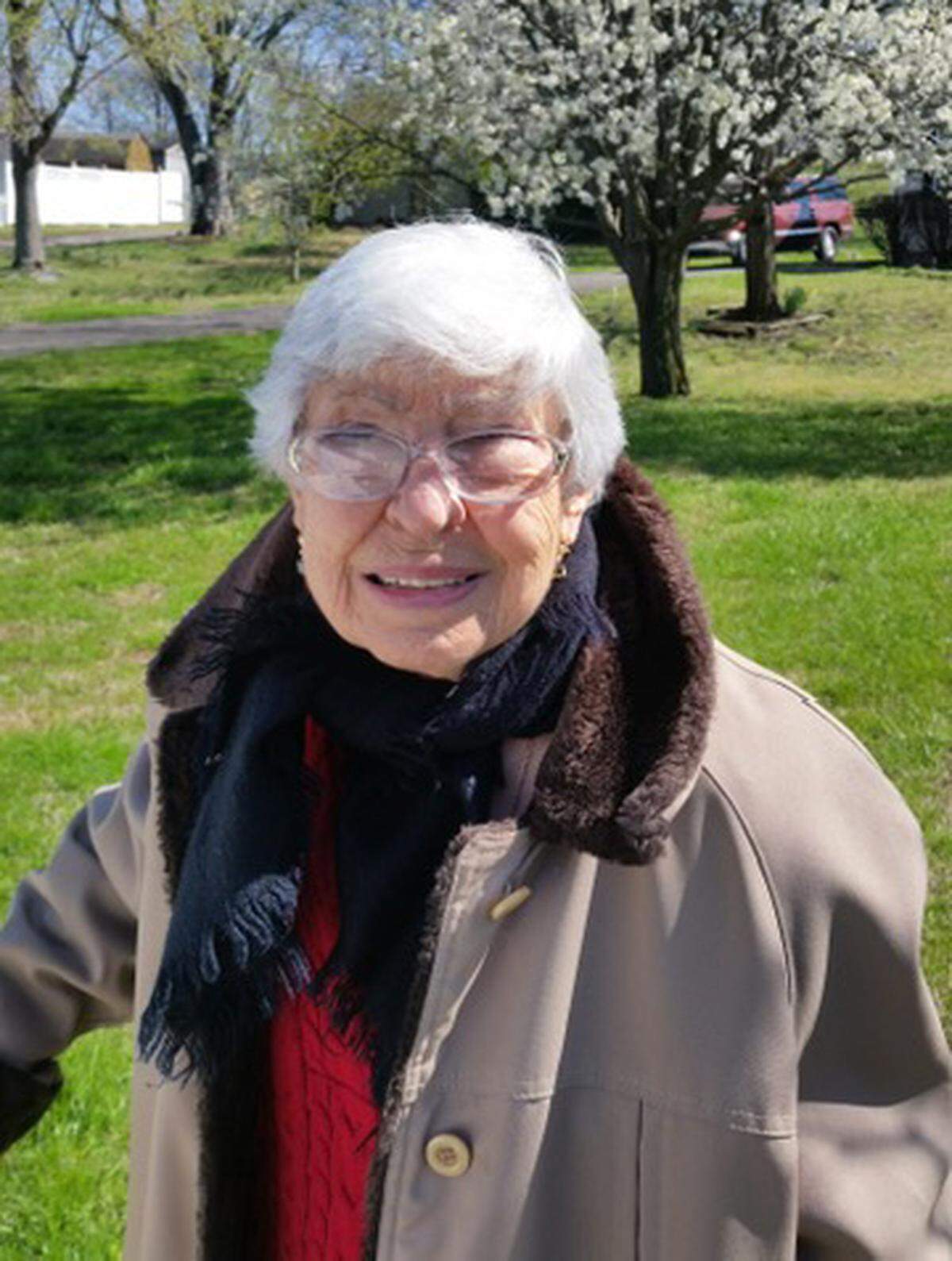
Rabell was “threatened” not to get too mouthy about her treatment at the Flagami boarding house because “Tania works for DCF and has a lot of power. DCF would take her away if she didn’t do what they wanted,” Gardner quoted Rabell as saying.
Hernandez, her mother and her mother’s boyfriend denied mistreating Rabell, who died last year at the age of 95. Rabell’s mental acuity had declined, and she was “acting crazy,” they told investigators, who closed the complaint with no findings of wrongdoing.
Hernandez was emphatic that nobody in her family bullied Rabell, who prior to landing at Hernandez’s home had been a client of DCF’s Adult Protective Services program.
“First of all, DCF should not be a threat to anybody in the community because we are not the bad people,” Hernandez said. “We are the good people.
“I’m not a threat. I should be a hope.”
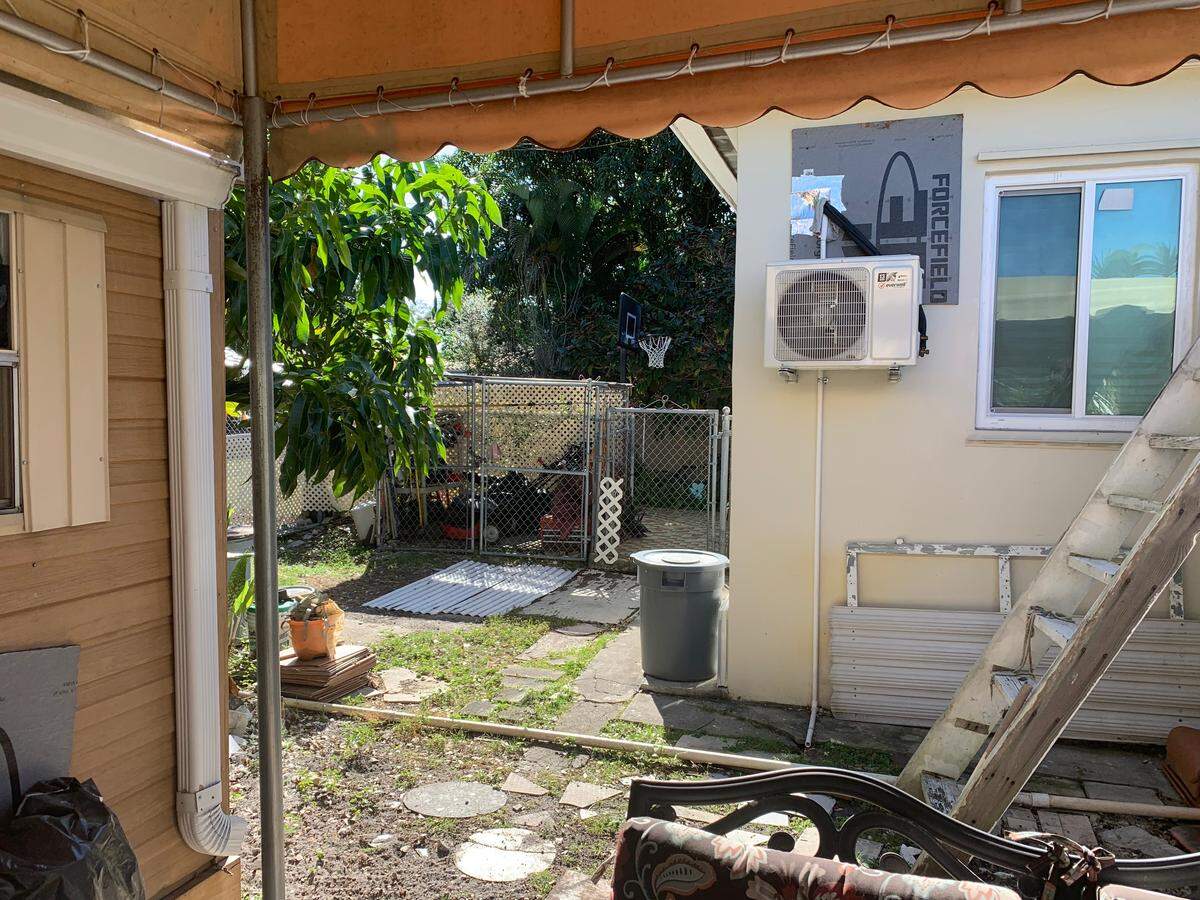
Code enforcement officers arrived at the Flagami house weeks later with Miami police and health regulators. They cited the home for unpermitted construction, “illegal units all over the property” and an “illegal shed.” A report noted “multiple additions” as well as “multiple roofs” in the backyard. Violations were corrected later, records show.
Health regulators concluded the home didn’t need a license because the renters didn’t require care from the owners.
Hernandez denied any knowledge or responsibility for what went on at the house. Property records show she owned it and used it as her mailing address, but it was actually her mother’s house, she told an investigator.
“I said, ‘I was not involved. I don’t live at that house. I don’t know what happened,’ ” Hernandez said she told her boss, who promoted her 11 days after forwarding the complaint to the Office of the Inspector General.
.jpeg "CE2019000679-8-MZeinc (2).jpeg")
ALL ROADS LEAD TO HIALEAH
As Hernandez took control of where elders would be moved, an attorney who represents indigent elders noticed a pattern. He raised his suspicion that Larkin was her go-to hospital with a Miami-Dade probate judge and someone at the State Attorney’s Office — both of whom declined to look further — as well as an adult protection caseworker and DCF’s Inspector General.
The lawyer, Harrison Griffis, testified he did not understand why almost all of his clients were cycling through Larkin on their way to a group of assisted living facilities far from many of their homes, families and support networks. Federal prosecutors alleged Larkin “paid kickbacks to physicians in return for patient admissions” — a suit that Larkin and four then-current and former owners settled for $15.4 million in 2006 without acknowledging wrongdoing.
“My clients, who lived in various parts of the county, were starting to be funneled through Larkin Hospital, and then into these assisted living facilities in Hialeah,” Griffis testified. “And I couldn’t say why.”
A Larkin doctor diagnosed one 84-year-old woman with schizophrenia, a severe mental illness that usually occurs in the teens or early 20s, though she already was in treatment only for dementia. The diagnosis scuttled the family’s plan to move her into a home nearby. Instead, the woman was sent to one of Hernandez’s frequent placement choices. Her daughter, who had power of attorney, says she was never consulted.
From November 2023 through September 2025, Larkin provided care to 155 DCF clients, said Geoffrey D. Smith, an attorney for Larkin’s hospitals. Smith reiterated that Inspector General investigators found “no evidence of any impropriety” by the hospitals, and that DCF likely relied upon Larkin because “unlike many other South Florida area hospitals,” Larkin was “cooperative with DCF in ensuring that vulnerable adults were not discharged into unsafe environments after medical screening.”
“We strive to provide the best care and treatment possible,” Smith added, “including safe care and treatment while appropriate placement is found. We are proud to assist the Department of Children and Families in caring for this vulnerable population and will continue our mission to provide exceptional care to all in need.”
Some ALF owners complained about being cut out of placements after Hernandez took charge, records show.
The owner of one ALF chain told an investigator that referrals from DCF declined, then evaporated. A social worker said Hernandez nixed the discharge of an elder to that ALF chain and asked if the owner was “still in good standing with the department.” Later, the owner was told that “according to Ms. Hernandez, [she] was no longer authorized to receive placements.”
Hernandez’s co-workers also grew alarmed. She rejected their input even though they were the ones inside the homes of elderly people — malnourished, injured, forgetful, bedridden, isolated — in desperate situations. They also noticed, the Inspector General report said, that Hernandez was taking vacations to Japan, France, Spain, Australia, New Zealand, Cuba and the Dominican Republic. On a $45,000 salary.
Hernandez can afford such travel, she told the investigator, because her husband pays the mortgage, she only contributes $100 toward monthly expenses, and “he’s responsible for all the expenses in the house.” She currently earns $67,671, state records show.
Shackelford accused Hernandez of corruption, and her own department of enabling and covering it up, in a detailed whistleblower complaint to DeSantis’ Chief Inspector General.
Married couples were separated because one was “marketable” and the other was not. Hernandez favored facilities with records of poor care, while agency heads ignored the needs of clients to avoid unfavorable “exposure,” she wrote.
Last stop on the Hernandez itinerary was invariably Hialeah, no matter where seniors lived, Shackelford wrote.
“Victims from Homestead are shipped to Hialeah. Victims from Kendall are shipped to Hialeah. Victims from Miami are shipped to Hialeah. Victims who do not speak Spanish are shipped to Hialeah,” Shackelford wrote. “Victims who [can’t walk] and need a nursing home or rehabilitation are shipped to these facilities. Victims with property and assets who lack capacity are placed without proper court filing.”
Shackelford and Senrra named six elder care chains or homes that “in their opinion, may have provided a kickback to Ms. Hernandez,” the Inspector General report stated. Villa Rosa, which has three homes in Hialeah and West Miami; Salmos 23, which has five homes in South Florida; and Villa Serena, which has five homes in Miami, were among Hernandez’s pet choices, the report said.
Hernandez often turned to the same cluster of homes because other facilities on the state’s list didn’t want to deal with difficult seniors or were frustrated by the slow release of subsidies to pay for indigent clients, she told an investigator.
“Sometimes, when you call the list they will tell you, ‘No, because the client you gave me before had no money and I still haven’t got paid for the last three months,’” she said.
Michele Perez, who owns or part-owns two homes in Hialeah, Villa Rosa III and The Palms, said Hernandez has placed DCF clients in her facilities, which accept people with mental illness who other owners reject. “I have never been asked for a kickback, and I have never given a kickback in my life,” she said.
“She is a person of integrity,” Perez said of Hernandez. “Never have I heard of kickbacks involving Tania.”
Villa Serena’s owner, Roxana Solano, said through an attorney that for three decades she had “always complied with the law, put patients first, and treated them with respect and professionalism. Her reputation for excellence and the utmost integrity is well-earned.”
Odelmys Bello, owner of the Salmos 23 chain, strongly denied the kickback allegation, calling it “offensive” during an interview. She later gave reporters a tour of one of her Hialeah ALFs to show that reports highlighting residents’ complaints cast an inaccurate light on the care that her clients received. At the home, on West First Avenue in Hialeah, rooms were well-furnished, clean and tidy. Residents were gathered in a courtyard for a festive holiday party.
“How is someone going to use a poor abuelo who is sick, who is in the street, who doesn’t have food” to turn a quick dollar, Bello asked rhetorically.
“How can you think that? That’s illegal. This is really delicate,” she said.
Jorge Luis Musa, owner of New Era Community Health Center in Homestead, said he rarely speaks directly to Hernandez. She has never asked for kickbacks or favors and he has never offered any. But her name comes up in placement discussions constantly when he talks to adult protection caseworkers.
“An investigator will call us about a patient and say Tania wants their patient to come here,” Musa said of his 200-bed home, which serves people with mental illness. New Era’s administrator, Eduardo Castellanos, concurred. “The investigators say Tania always decides.
“She has the last word.”
A BLANK SLATE
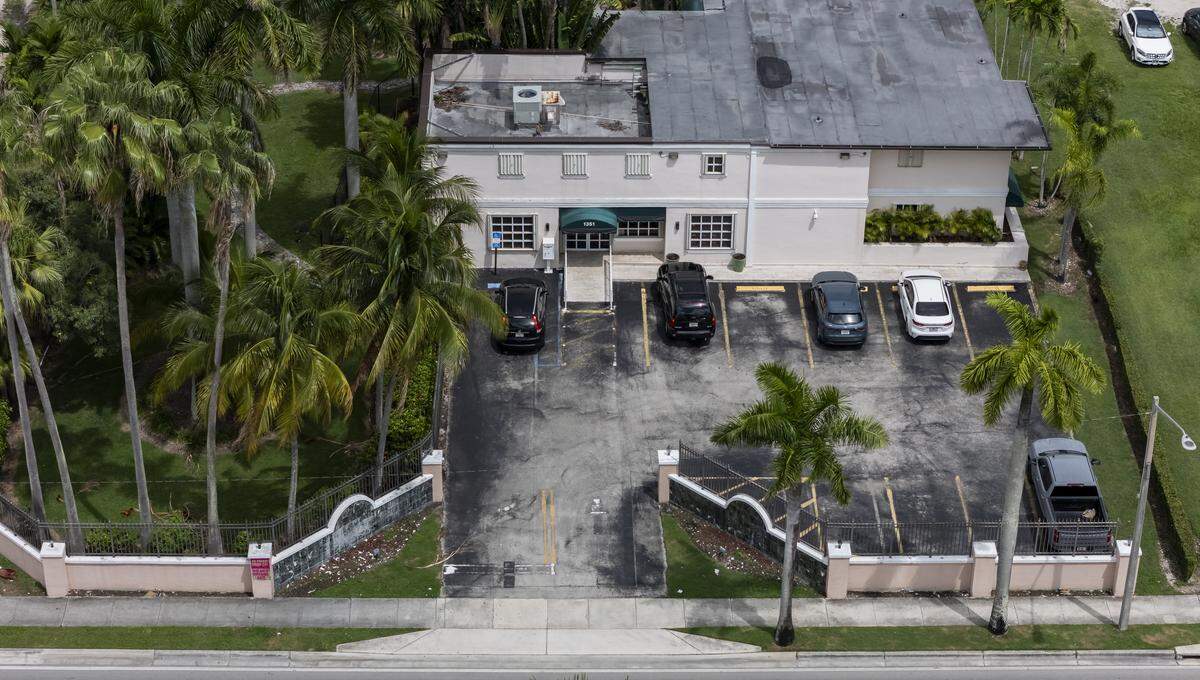
A series of complaints from ALF administrators about the decrease in client placements to their homes prompted Hernandez’s supervisors to ask for documentation, said Miami-Dade’s then-adult protection director, Salvador Sotomayor. Hernandez was told to fill out a spreadsheet showing where seniors went and why “to ensure fairness in all placements,” the inspector general report said.
Yet Hernandez documented her decisions “very infrequently,” testified Mariela Figueroa, a supervisor in Miami. Then she corrected herself: “Yeah. She never did it.”
“Placements were always going to the same types of facilities, like the same name facilities, or the owners were always the same,” Figueroa testified.
Only Hernandez was responsible for the data, said both Figueroa and Sotomayor. Sotomayor told the investigator that, “based on that spreadsheet, there appeared to be no favoritism towards any ALF or group.”
Sotomayor emailed Gardner, the investigator, a copy of the “spreadsheet in question,” the report said. But, Gardner wrote, it was a spreadsheet from a different time period. “When the [Inspector General] asked for the correct spreadsheet, Mr. Sotomayor said he did not have it,” the report said. The correct spreadsheet was never found.
When asked as recently as this month, DCF refused — as it had repeatedly — to say where elders in state custody are going, and rebuffed requests for documents or data tracking their placements.
Hernandez, it turns out, rarely wrote anything down. Instead, she texted from her private cellphone among the tight circle of hospitals, ALFs and ambulance companies she dealt with, leaving no public record. Figueroa “never saw her with her work phone,” only her private cellphone, she testified.
Hernandez did keep one record that Figueroa examined: A short list of about 10 ALFs that Hernandez said would help the agency in a pinch. On that list, Figueroa found a woman who appeared to be a “placement broker,” she testified as part of the internal investigation.
“Call me, because I can help you find placement in any facility,” the woman told Figueroa, according to Figueroa’s taped interview.
Senrra testified how an elderly couple’s niece, who was “in charge of their affairs,” arranged for them to move into an upscale facility near Coral Gables.
“Next thing you know,” Senrra said, “I get a call [saying] Tania doesn’t want them going there. Tania wants them going somewhere else.”
Hernandez didn’t meet clients, their families or their doctors in person and couldn’t possibly know better than caseworkers what was best for them, Senrra testified.
“The family has chosen this place. I think it’s a good place for them. Put them in an ambulance and send them over there,” Senrra testified. “Who the hell is Tania to decide where one of my victims is going?”
“I didn’t understand her motivation, and, personally, I was getting a very bad feeling about this.”
THEY DIED ALONE
When Carmen del Toro and Ruben Rodriguez were removed from their Southwest 67th Avenue home, Hernandez and caseworkers on the scene disagreed bitterly about where to put them.
They were living in squalor: Feces on the floor, rotten food, flies buzzing everywhere. Caseworkers did not want to break up the couple, who had been together for 50 years. Carmen asked a DCF caseworker to move them together. But records show she was never listed as Ruben’s emergency contact. Carmen, 70, went to Villa Serena; Ruben, 74, to a nursing home.

Hernandez listed herself as Ruben’s guardian or emergency contact in paperwork with North Shore Medical Center, Golden Glades Nursing and Rehabilitation Center and Larkin Community Hospital — though Ruben and Carmen were married. He died alone two months later. Carmen only got to visit him once after they were separated. She was still asking to see him five days after he died, unaware that he had passed.
“She was very sad not to see him when he was dying,” said Carmen’s sister, Aleida Guerrero, who lives in Long Branch, N.J. “I told her that time heals all wounds, but she was depressed.”
Guerrero believes her sister wasn’t much better off at Villa Serena I than in her untended home. Guerrero visited Carmen twice and was disturbed by what she saw.
“My sister’s legs were swollen, and I was worried, but the caretaker said they were OK,” Guerrero said. “They were not OK. I could see that. She could not even bend her knees.
“I complained and said she needed to go to the hospital and see a doctor. But she never did.”
Guerrero also brought Carmen clothing because hers went missing.
“Carmen was always kept inside, 24/7,” Guerrero said. “She was not taken outside. I’d be crawling the walls. The mind needs activity. They didn’t do anything except lie in bed. That upset me very much. Honestly, it was very depressing.
“I complained about that, too.”
But there was little she could do from New Jersey.
A bedridden Carmen was transferred to a different ALF in West Dade in 2024. Her sister came for what she did not know would be her last visit. Inside a double room — the other bed was empty — Carmen looked out the window at the white wall of the house next door. She listened to a small portable radio. Her words were faint, but she was able to speak about her favorite picture — a black and white wedding portrait of herself and Ruben from half a century ago.
“I loved him,” she said.
Guerrero brushed her sister’s hair. She pulled up the sheets, rubbed her sister’s swollen feet and ankles and expressed her worries to a caregiver who fed Carmen.
Three months later, Carmen died in her bed at the home.
Like Ruben, she died alone.
Miami Herald Staff Writer Michelle Marchante contributed to this report.
This story was originally published April 2, 2026 at 5:30 AM.