State budget will cut millions from South Florida hospitals that take neediest patients
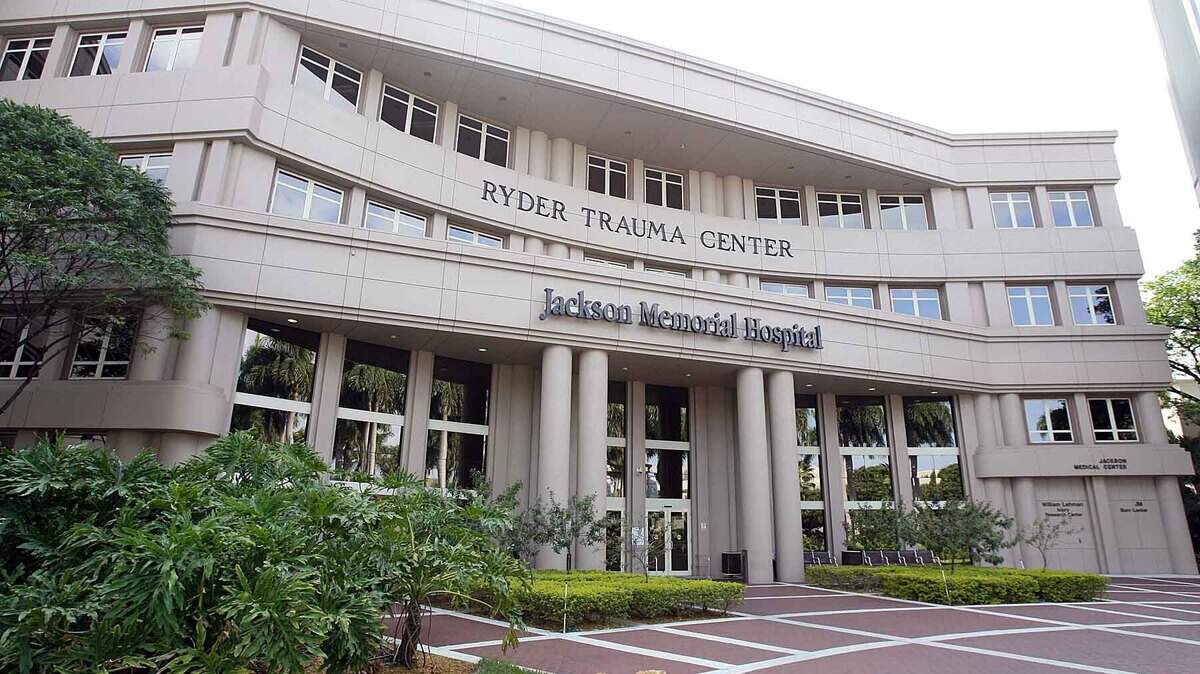
South Florida hospitals, including Miami-Dade’s Jackson Health System, will lose an estimated $124 million in funding in 2022 after state lawmakers this week cut the so-called critical care fund that provides extra payments to about two dozen hospitals in Florida with the highest share of patients with Medicaid coverage.
State legislators say the hospitals will still benefit from a new payment system that Florida launched last year to bridge the financial shortfall these hospitals experience due to Medicaid reimbursements, which are so low that they do not cover the cost of care.
But hospital administrators and lobbying groups say the new system, called “Direct Payment Program,” was designed to address the low Medicaid reimbursement rates for all hospitals in Florida, and does not address the persistent financial shortfall for those medical centers with disproportionately high volumes of Medicaid patients.
“If you lose money on every Medicaid patient and you care for much higher numbers of Medicaid patients, you should receive additional support from the Medicaid program to preserve that access,” said Mary Mayhew, president of the Florida Hospital Association, an industry lobbying group.
Hospitals with high shares of Medicaid patients also generate smaller profit margins than the industry average, and all hospitals have been forced to spend more on staffing and resources during the pandemic, said Justin Senior, president of the Safety Net Hospital Alliance of Florida, an industry lobbying group for pediatric, public and teaching hospitals
“Staffing costs and the rate of inflation has been higher,” he said. “Everyone is waiting to see where that levels off ... and what the new cost of doing business is.”
Local hospitals impacted
In Miami-Dade and Broward counties, the hospitals that will lose the most are taxpayer-supported medical systems that have children’s hospitals, labor-and-delivery wards, neonatal intensive care units, and Level 1 and 2 trauma centers.
Miami-Dade’s taxpayer-owned Jackson Health will see a reduction of about $72 million, and Broward’s two public hospital networks, Memorial Healthcare System and Broward Health, will lose a combined $42 million.
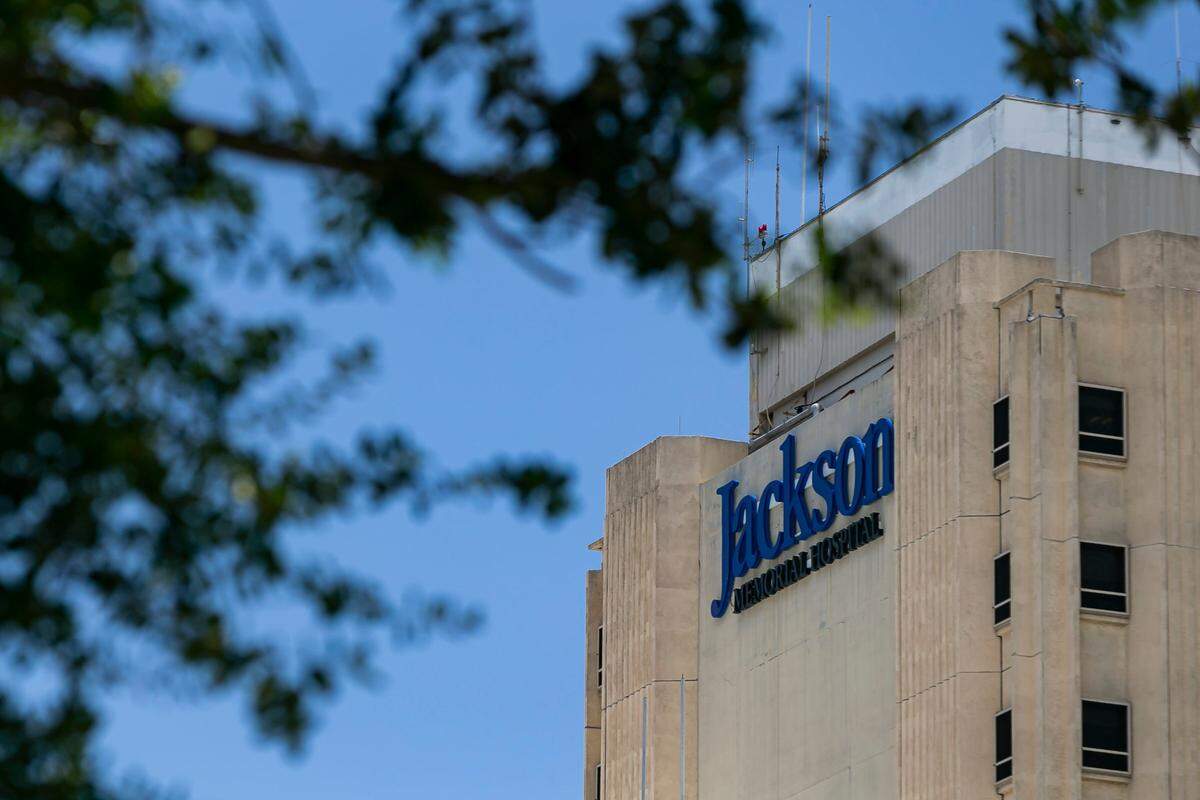
Baptist Health South Florida’s Homestead Hospital will lose an estimated $4.5 million, and North Shore Medical Center in Miami is projected for a reduction of $733,000, according to estimates provided by the Florida Hospital Association.
However, some hospitals were spared the worst of the cuts. Florida lawmakers included nearly $85 million in extra funding for certain children’s hospitals, such as Johns Hopkins All Children’s in St. Petersburg and Nicklaus Children’s Hospital in Miami.
Nicklaus Children’s would have lost $33 million, but the special payment approved by legislators replenishes $30 million, resulting in a lost of $3 million due to the elimination of the critical care fund.
A new system to fund hospitals
State legislators said they ended the critical care fund because the new payment program would make up for the financial shortfall experienced by the two dozen hospitals that qualified for the supplemental revenue.
Those hospitals qualified for critical care funds because more than 25% of their patients were enrolled in Medicaid during the year.
In 2021, the state distributed $309 million to 28 hospitals that qualified for critical care funds. But in its first year, the directed payment program has generated nearly $1.8 billion in additional Medicaid funds for hospitals that agree to participate in the program and pay a tax.
Different rules apply depending on a hospital’s ownership, but under the program local governments levy a tax on hospitals and then use those tax dollars to draw down federal matching funds for Medicaid.
The federal government matches Florida’s Medicaid spending at a rate of about 67%, which means that for every dollar Florida spends on Medicaid, the federal government contributes two dollars. The monies are then provided to hospitals to supplement the shortfall created by Medicaid’s low reimbursement rates.
But the hospitals that qualified will continue to see disproportionately high shares of Medicaid patients, and the directed payment program does not fully bridge the gap between Medicaid’s reimbursements and the hospital’s costs to provide care to those patients, said the FHA’s Mayhew.
“Hospitals will go from 60 cents on the dollar of cost to close to 84 cents,” she said. “And nothing guarantees those payments next year.”
Smaller margins, higher costs
The Safety Net Hospital Alliance’s Senior said the hospitals that received critical care funds collectively generated about a 3% profit margin compared with the industry average of 10%.
“If you see that many Medicaid patients,” he said, “it’s pretty much fait accompli that you’re going to see lower margins.”
Now that hospitals are coming down from a record peak of inpatients fueled by the omicron variant, many facilities are resuming visitations and other normal operations.
But though the omicron wave is receding, hospital administrators say the pandemic continues to be unpredictable and they must prepare for the possibility of another surge in summer or fall.
In addition, the extra costs they took on for staffing and supplies have not eased up, especially as inflation continues to climb, said Aurelio Fernandez, CEO of Memorial Healthcare System, the public hospital network for South Broward, which includes six hospitals, a Level I trauma center, a pediatric medical center and 14,000 full-time employees.
“Our nursing costs alone, between travelers, compensation for incentive pay and shift differential is $20 million a month more this year than it was in 2021,” Fernandez said. “Is that sustainable? That’s $240 million a year. That is not sustainable.
“You know what my concern is,” he said, “I don’t see the light at the end of the tunnel because there’s a shortage of nurses, and the fact that you cannot graduate nurses at the rate that we need to because there is not enough faculty in the universities and colleges tells me this is going to be a long road.”
This story was originally published March 11, 2022 at 7:32 PM.