UF investigation finds no merit to allegations COVID-19 data were suppressed
A University of Florida investigation found no merit to allegations that state officials pressured UF staff members to destroy data, hindered their access to the Florida Department of Health’s COVID-19 data or prevented the analysis or publication of that information, university officials said in a statement Wednesday.
The allegations were made anonymously and included in a December 2021 report from the UF Faculty Senate Ad Hoc Committee on Academic Freedom. The faculty report alleged that some researchers said they felt pressure to destroy COVID-19 data for fear of upsetting state officials.
But the UF staffers who made the accusation refused to cooperate with the investigation, forcing the university to rely on documents and the testimony of others familiar with the situation, said UF Vice President for Research David Norton, who helped lead the probe.
“When the anonymous complaint occurred, it wasn’t clear what the problem was,” Norton said. “Without testimony the committee couldn’t zero in on what it would be. ... We would have benefited if those persons would have come forward to explain specifically what instances caused them to feel that way.”
UF investigators concluded that the allegations made in December 2021 likely stemmed from a state health department official who expressed concerns in October 2020 about the university’s use and management of Florida’s COVID-19 data gathered exclusively for public health surveillance.
In summer 2020, Florida’s health department hired UF employees with public health expertise to help the state with surveillance, which included collecting and accessing the state agency’s data to help with contact tracing of infected patients.
Contact tracing is a labor-intensive and time-consuming task of identifying those who have come into contact with someone who recently tested positive for COVID-19 and advising them of their risks and what precautions to take.
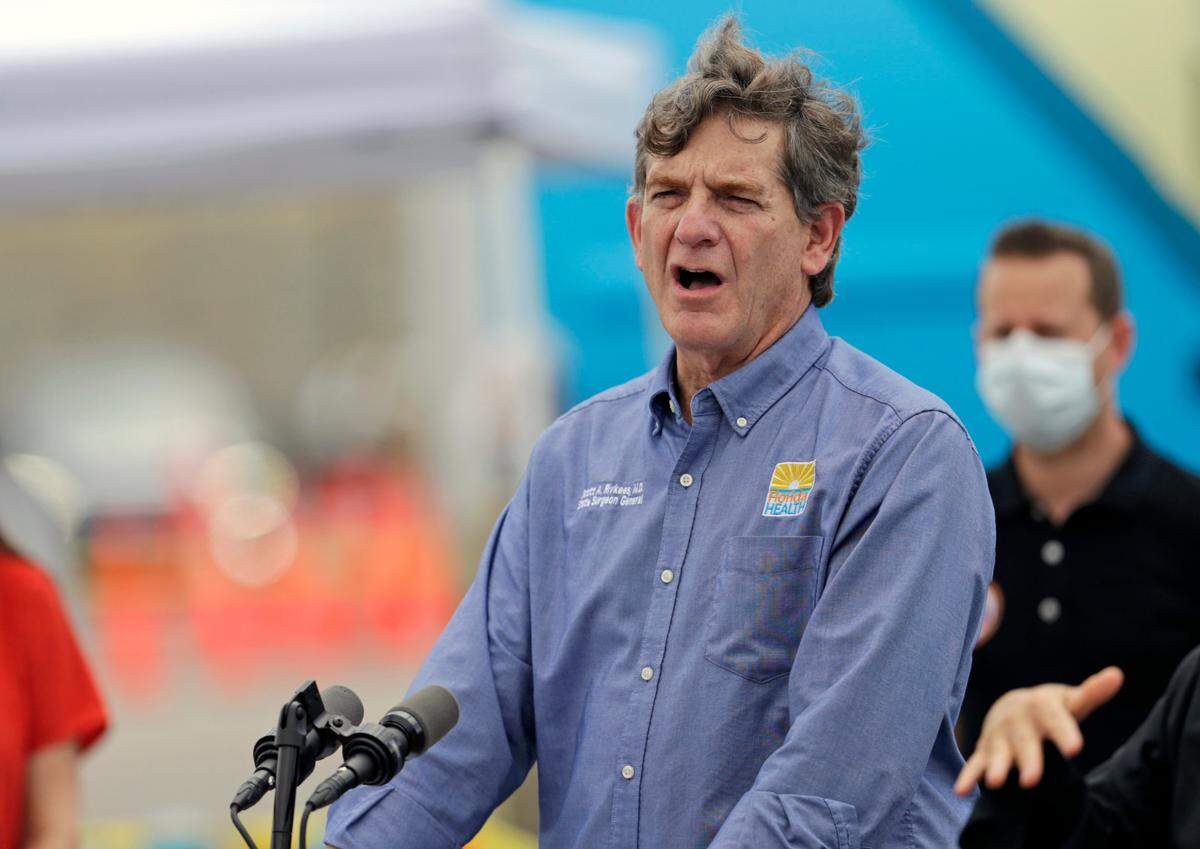
UF employees handling the health department’s data were required to sign a confidentiality pledge that they would follow health department rules and not disclose any COVID-19 data collected for or provided by the state, which is considered standard practice for infectious disease data.
In October of that year, UF said, some university employees participated in a video conference meeting with representatives from Florida’s health department and the federal Centers for Disease Control and Prevention.
Issues over how UF employees handled confidential health data
During that meeting, UF said, university employees shared Florida health department data “in a manner inconsistent with the scope of the confidentiality agreements.” Norton said the data were presented at a Zoom meeting attended by representatives of UF, the state health department and the CDC.
Norton said he did not know precisely what data were presented, but that the state’s confidentiality pledge is clear that data gathered during public health surveillance are not to be shared with anyone outside of the health department, including the CDC.
Florida’s health department alleged that UF employees were storing the state health department data in a separate database without authorization and notified university officials of the breach. UF administrators reminded the employees of their obligations to keep the state data confidential.
“This data was clearly not research data and they had to correct how they were managing that data, displaying that data, and sharing the data,” Norton said. “It all had to be under the umbrella of approval of the Florida Department of Health.”
Norton said that issue was resolved “in a matter of days” and that UF public health experts continued to collaborate with the health department on contact tracing and COVID-19 surveillance.
The allegation that state officials had instructed UF staff to suppress COVID-19 data, however, did not surface until December, when the university’s Faculty Senate released its report on academic freedom.
Norton said UF took the accusations very seriously.
“The integrity of the research — the data, the results — that is fundamental to what we do, and if there’s some question, if there’s something influencing those results, then we need to know what those are and stop that,” he said. “In this case, that wasn’t the case.”
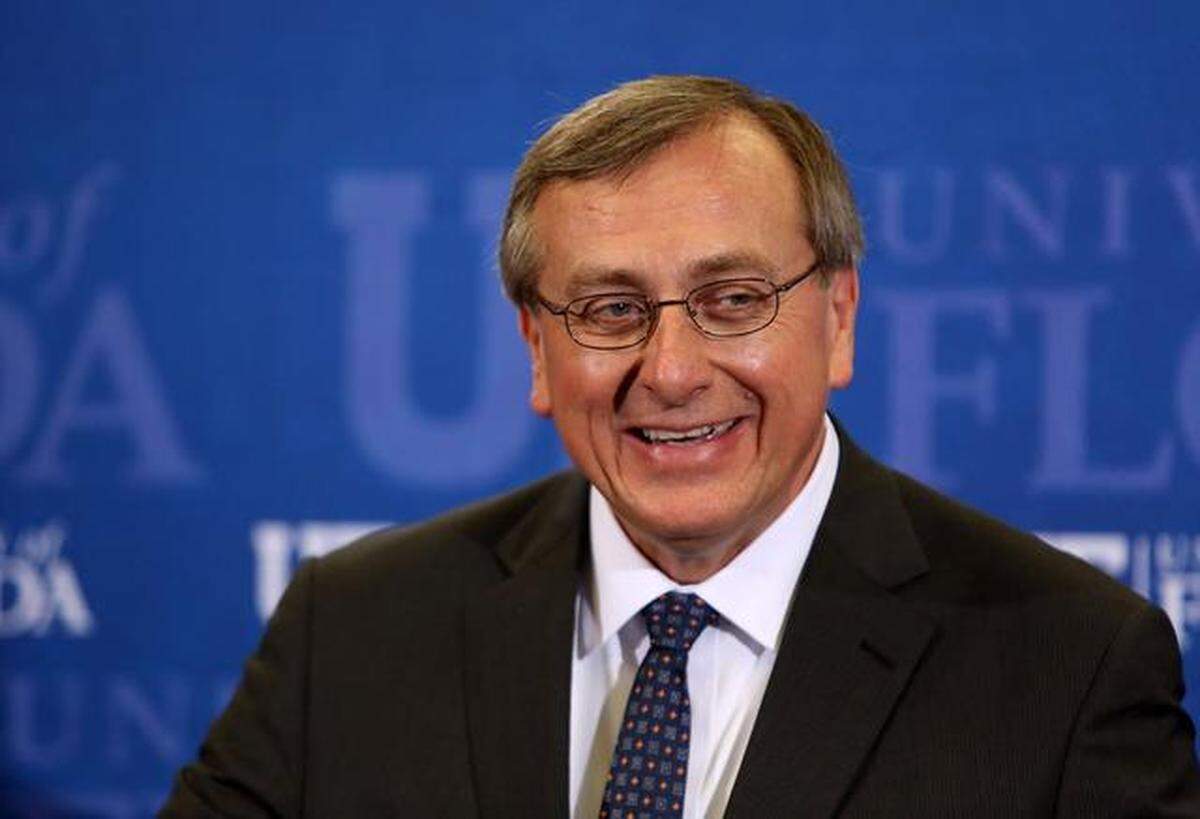
The investigative committee delivered its report to UF President Ken Fuchs, who announced in January that he is stepping down.
Fuchs and the UF faculty have had contentious relations, particularly since UF initially barred three UF political science professors from testifying as paid witnesses in a voting rights case. After a national outcry over academic freedom, UF backed down. The three professors, however, sued Fuchs and other top administrators alleging their First Amendment rights had been violated.
In November, the UF Faculty Senate, in a 71-31 vote, expressed ‘no confidence’ in Fuchs’ handling of the coronavirus pandemic, the Independent Florida Alligator, the student newspaper, reported.
In a letter accompanying the investigative report to Fuchs, Norton said that UF investigators interviewed the authors of the Faculty Senate report and eight other individuals.
The investigative report says the concerns were relayed to one member of the Faculty Senate committee and that the concerns were limited to one college at UF. But the Faculty Senate committee member and others would not divulge the identity of the person or persons who made the allegations about the state suppressing data.
The report said no one on the Faculty Senate committee investigating the allegation would divulge that information “in order to adhere to their commitment to keeping all reports and allegations brought to them confidential.”
Now that the investigation has concluded, Norton said the state’s health department and the university will continue to work together on public health surveillance and other matters.
“The FDOH remains an important partner for UF in our common mission to advance the health and well-being of citizens within the state of Florida,” he said.
This story was originally published March 16, 2022 at 12:31 PM.