COVID made life more difficult. For Miami’s poor, it can be excruciating. Here’s why
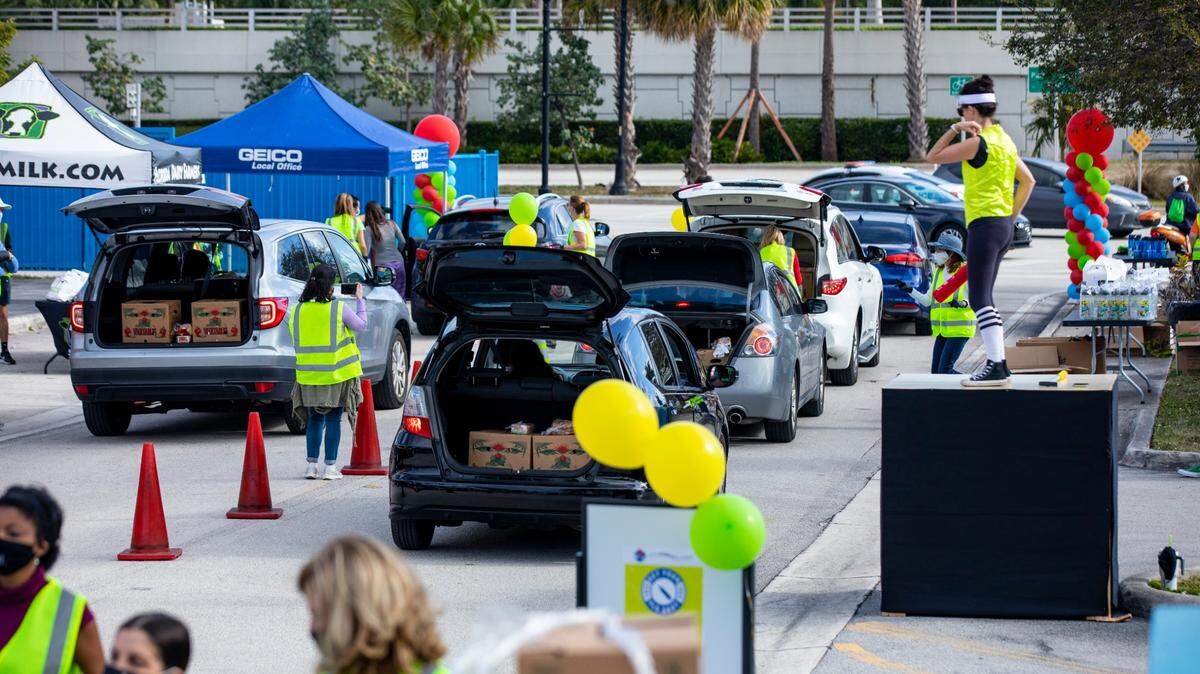
Before COVID, about 485,000 Miami-Dade households, or about 54% of the county’s families, were already struggling to meet the most basic of essentials — sufficient food, paying bills and keeping ahead of health-related challenges.
The novel coronavirus made daily life even more difficult for everyone — especially for those with limited income, according to the results of a new survey from United Way Miami.
Some revelations from a cross section of Miami-Dade families are eye-opening.
Nearly half of Miami-Dade’s households had members who said they could not come up with a fast $400 to pay for an unexpected emergency during the ongoing COVID crisis. More than half of Miami-Dade’s households are bringing in less income today than they were nearly two years ago when the pandemic arrived. More than a quarter of the county’s residents went without needed medical care. And the fear of not being able to pay for household expenses trumps the fear of a family member catching COVID among those who are struggling the most.
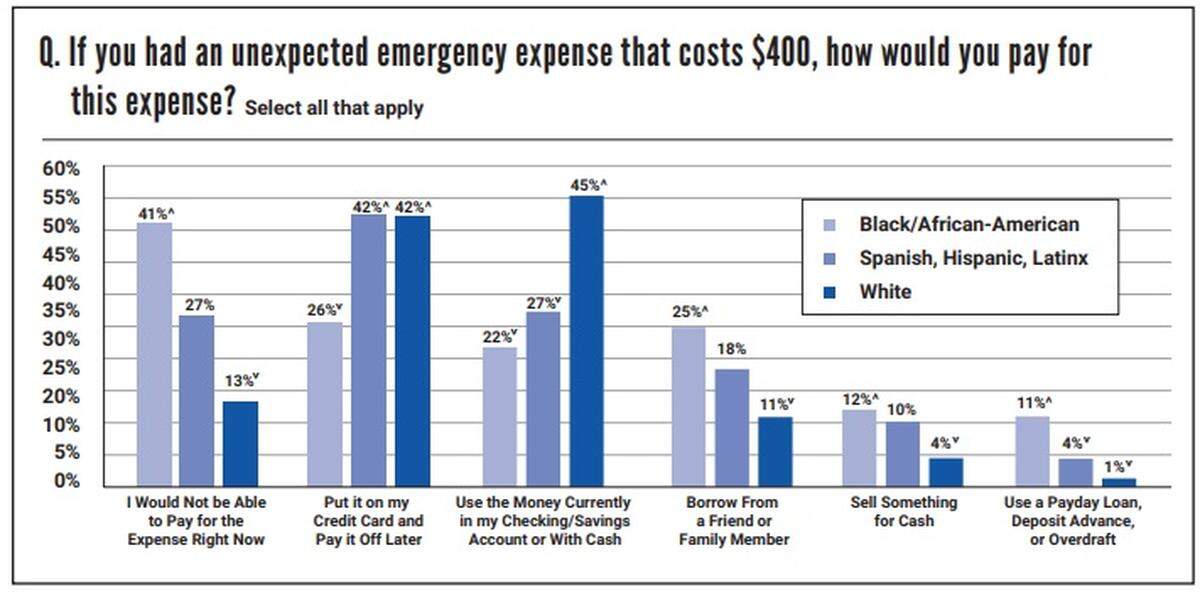
Hardships disproportionately affected people of color to the point that nearly half of the white and Hispanic respondents said they would draw from their bank accounts or tap their credit cards to pay the $400 emergency expense but the same number of Black families said they simply could not pay the amount.
And the federal definition of poverty drastically undervalues the cost of living in Miami-Dade.
For instance, a Miami Herald investigative feature, Priced Out of Paradise, revealed that “a staggering percentage of Miamians can barely afford to live in their hometown.” That’s because an analysis of Census data indicated that more than 60% of Miami-Dade renters pay more than 30% of their salary on housing — a commonly accepted cutoff for affordability — making the Miami area the third least affordable city in the country.
A survey of COVID concerns
The newly-renamed United Way Miami wondered how groups of different economic backgrounds were faring during the pandemic. What were people’s greatest concerns? Did the concern of contracting COVID outweigh the concern over household bills, for instance? If an emergency came up that required an immediate expenditure of $400, could people pay it? And, if so, how?
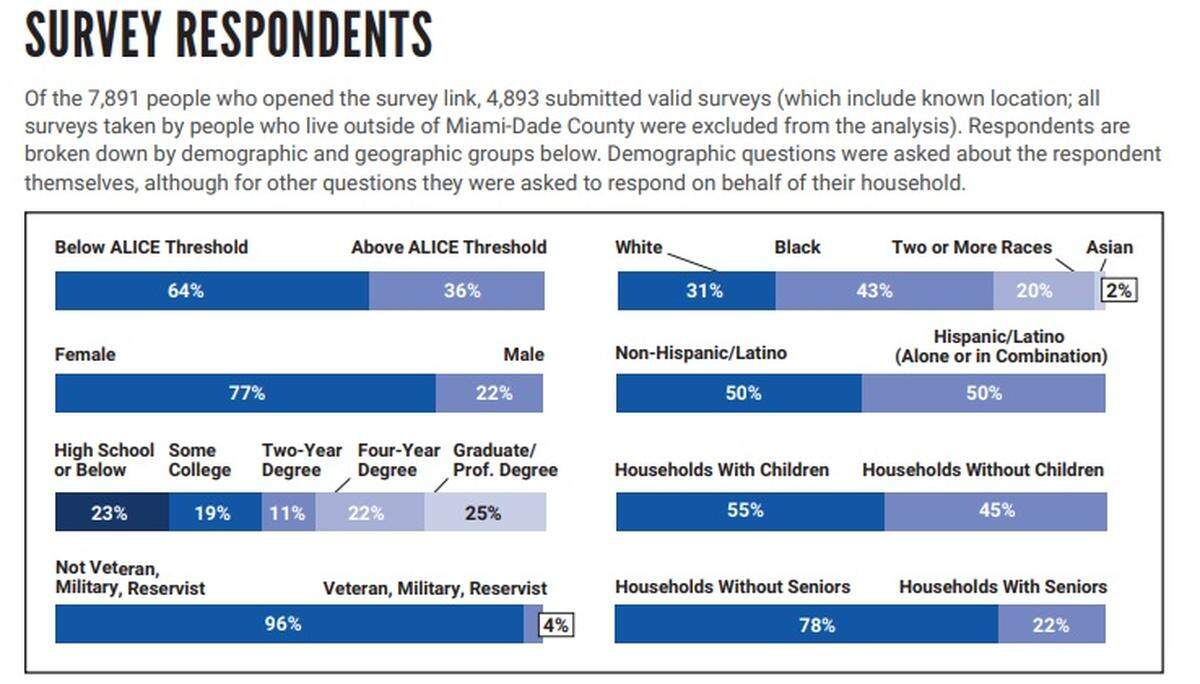
The United Way Miami COVID Impact Survey conducted in March netted responses from nearly 5,000 people in the county, with its results released late this week.
Of these respondents, 3,120 came from poorer income households and 1,735 households that earn above a reference point known as the ALICE threshold. ALICE is the acronym for Asset Limited, Income Constrained, Employed, a threshold metric used to determine who is living above or below the federal poverty level.
Using figures from 2018, the federal poverty level was $1,012 a month for one adult and $2,092 a month for a four-person family. But according to United Way Miami research, to cover the basics in the same year, a single adult living in Miami-Dade needed $2,334 a month. A family of four with an infant and a preschooler needed $6,391 a month.
More than 65% of the respondents said they rely on income from hourly jobs, but most are without guaranteed hours, according to United Way Miami.
“Prior to the pandemic, more than half the households (54%) in Miami-Dade were one emergency away from poverty,” said Mary Donworth, senior vice president of Community Impact for United Way Miami. “So, in the context of the pandemic, we felt compelled to understand more about the impact it was having on those living near or below the poverty line in our community. This is allowing us to more effectively deploy resources and ensure our work supports those who need it most.”
Even those who earn above the federal poverty level still aren’t making enough to cover basic expenses given the impact of COVID, the survey confirmed.
Some of the survey’s findings
According to United Way Miami, the majority of respondents (63%) said that employment changed for at least one household member during the COVID-19 pandemic. People lost jobs, experienced temporary layoffs, changed jobs, took on a new or additional job, or retired. Over half of the respondents (56%) said that their household income was higher before the pandemic.
Other major changes in the work lives of those who answered the survey included working remotely and having to buy technology to do that work.
To get by during the pandemic, many applied for unemployment, borrowed money from family or friends, applied for government assistance and received food from a food pantry.
Some pulled from their savings and said that rent or mortgage assistance, deferred payment for debt, and food assistance programs have been — or would be — helpful in meeting household needs during the pandemic.
▪ What if you were hit with a sudden emergency expense of $400? Could you pay it now?
According to the survey, respondents below the ALICE threshold were significantly more likely to say they could not cover that $400 expense (40% vs. 7%).
For those who could pay, the income-challenged were significantly more likely to say that they would try to borrow the money from a friend or family member (25% vs. 8% of those above the ALICE threshold.) Or they would sell something for cash (13% vs. 4%), or use a payday loan, deposit advance, or overdraft (8% vs. 3%).
Those who were above the ALICE threshold were significantly more likely to say that they would use money they already have in a checking or savings account or pay with cash (54% vs. 16% who were below the threshold) or put the expense on a credit card (49% vs. 31%).
While all households are experiencing new challenges during the pandemic, the survey results “reinforced that the biggest challenges facing families are those associated with the most basic needs,” Donworth said.
These needs include childcare, education costs, medical care, housing expenses and food.
“And, perhaps most impactful, health and well-being are being adversely impacted with almost 30% going without needed medical care,” Donworth added.
▪ What are your household concerns during the pandemic?
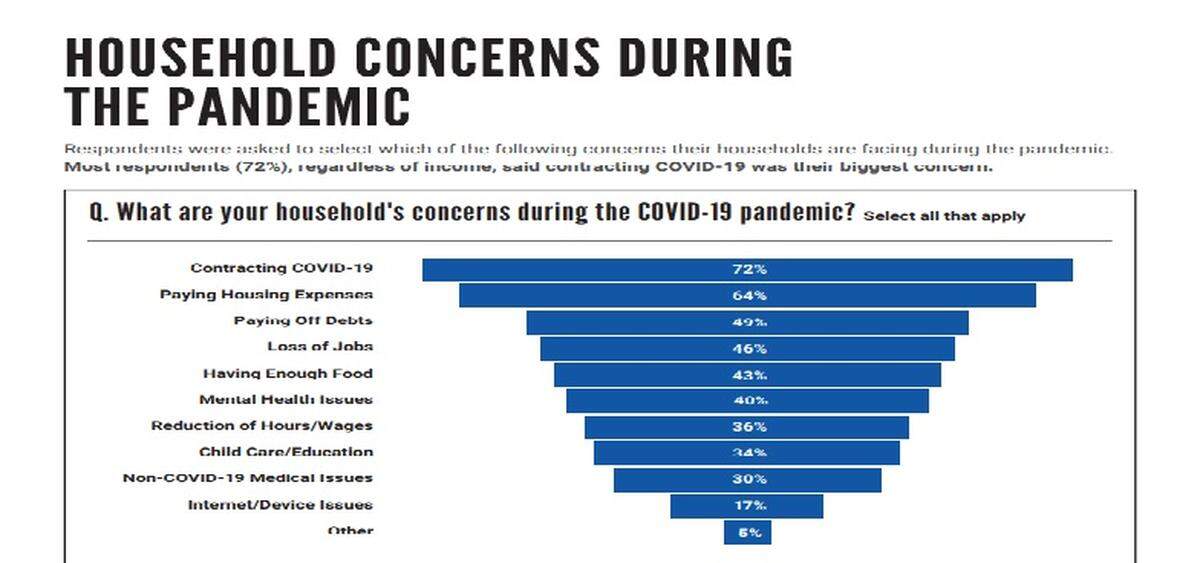
When respondents were asked what their biggest concern was during COVID, concerns about paying housing expenses topped the list among those who were below the poverty level: 35% said that paying housing expenses was their biggest concern, followed by concerns about people in their house getting COVID-19 (34%). The next highest response — loss of one or more jobs — was listed as the primary concern for 8% of households.
But for the wealthier, above the federal poverty level, the ranking of household concerns differed by ALICE status. The first two concerns flipped.
For those in Miami-Dade who are above the threshold, the top three concerns were household members contracting COVID-19 (54%), paying housing expenses (12%) and loss of jobs (7%).
For households below the ALICE threshold, the top three concerns were paying housing expenses (48%), household members contracting COVID-19 (24%), and loss of jobs (9%).
“The pandemic is a very scary situation. You can’t be around your friends or your family. You’re scared to send your kids to school, you’re really scared to go to work, but you know you have to keep income coming in even though it’s not enough to help pay bills or get you back on your feet,” said one respondent in the survey.
How race and ethnicity factored
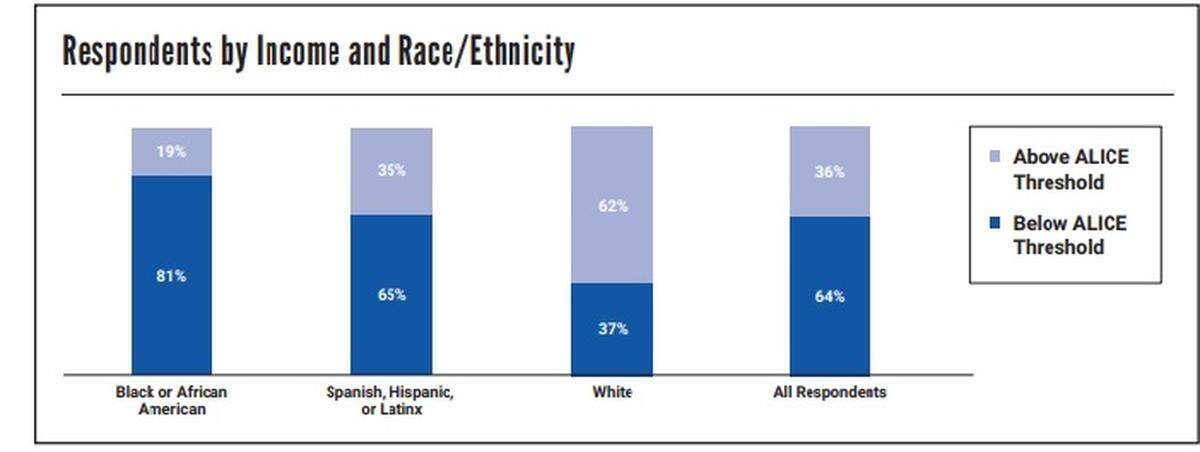
The hardships were felt across all groups, but not equally. According to United Way Miami, 81% of Black respondents reported that they were below the ALICE threshold, compared to 65% of Hispanic respondents, 37% of white respondents and 64% of all respondents.
For instance, to the $400 sudden expense question, Miami-Dade’s racial and ethnic groups responded differently. For white respondents, the top response was “use the money currently in my checking/savings account or pay with cash” while Hispanic respondents’ top response was to put the expense on a credit card and pay it off later.
Compared to white and Hispanic groups who answered the question, “Black respondents were significantly more likely to say that they would not be able to pay for the expense at the time of the survey,” the survey said, adding that those who could cover the $400 expense were also significantly more likely to say that they would have to borrow the money from family or friends, sell something for cash, or use a payday loan, deposit advance or overdraft.
“The issues haven’t changed because of the pandemic but that have been made more acute and more visible as we look to emerge from the pandemic lockdowns,” Donworth said.
Survey goal
One goal of the survey was to help determine where needs are not being met and how public and private sectors can get better involved at addressing these challenges.
“The survey serves two purposes. First, it shines a light on the current needs of our neighbors and supports a call to action for the public sector, corporate community and non-profits. Second, it guides the actions of United Way Miami to advance and deploy programs that directly address those needs,” Donworth said.
“The pandemic also made clear that these are acute needs, which one organization alone will not be able to solve,” she said. “It’s also clear that these basic underpinnings of a thriving society won’t be solved by a single approach.”
This story was originally published October 8, 2021 at 2:04 PM.