‘A new ray of hope.’ First South Florida hospital workers get vaccinated in Broward.
The first healthcare worker in the COVID-19 epicenter of South Florida received an injection on Monday afternoon from a vial carrying a new “ray of hope” — a vaccine with the potential to bring a roaring epidemic of death and severe illness to an end.
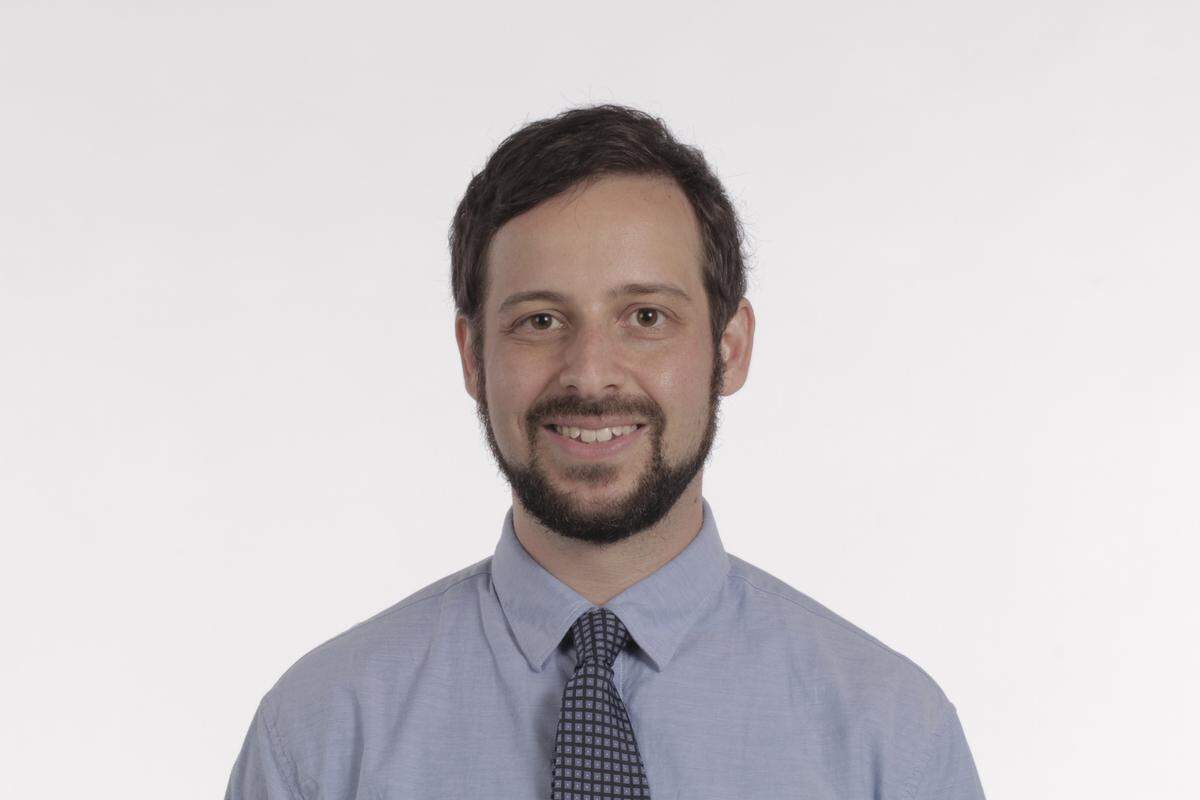
The shot went into the left arm of Memorial Healthcare System critical care physician Aharon Sareli who could be seen smiling from behind his mask. Later, outside the pharmacy and in front of more than a dozen cameras, Sareli said it was an identical experience to receiving a flu vaccine. He said it was “really an honor to go first.”
“Masks and social distancing were the only weapons we had up until this time,” Sareli said. “But with the emergence of the [vaccines], we really stand a chance to change the trajectory of this virus.”
The arrival of the vaccine comes as the country enters the darkest months of the pandemic yet, with the national death toll from the COVID-19 virus surpassing 300,000. In Florida, 20,000 have died with the average daily toll beginning to tick up again after a mostly quiet fall.
Before Sareli received his shot, top leaders at Memorial Healthcare system, South Broward’s public hospital network, gathered for a press conference outside their specialty pharmacy in Miramar on Monday afternoon.
At the other end of the parking lot, a FedEx truck just hours earlier had delivered 19,500 doses of the Pfizer BioNTech vaccine that could jump-start the U.S. down a path toward bringing the pandemic to a near-halt by summer next year.
“Today there is a ray of hope that is new for us, for our clinical front line caregivers that are battling this COVID-19 pandemic,” said Maggie Hansen, Memorial’s chief nursing executive. “It has been very taxing for them, professionally and personally, for the last nine months.”
Earlier Monday, Gov. Ron DeSantis spoke at Tampa General Hospital as a 31-year-old nurse received the first dose of the vaccine in the Tampa Bay area through a shot administered in her left arm. He welcomed it as a “historic achievement.”
Who is eligible for Phase 1?
Aurelio Fernandez, Memorial’s president and CEO, said the hospital network expects to inoculate about 7,000 of its workers, a projection based on the health system’s total employees (14,000) and a participation rate of about 50%. He said that all hospital employees, including executives, were eligible for the shot.
“Anyone who steps into the hospital can get it,” Fernandez said.
That is a broader stance than Miami-Dade’s public hospital network, Jackson Health System, has publicly taken. Jackson officials have said “any Jackson employee with direct or indirect contact with COVID-19 patients is eligible to receive the vaccine in this first phase.” Jackson has found that just under half of its employees want the vaccine in Phase 1, similar to Memorial’s estimate.
Jackson is expected to begin inoculating its workers Tuesday.
DeSantis said earlier in Tampa that front-line healthcare workers or those with “high contact” in COVID wards would be eligible for the vaccine.
How many people are eligible and willing to take the vaccine in Phase 1 at Memorial and Jackson will determine how many doses go to other hospitals in the first round of inoculation.
After it vaccinates its employees, Fernandez said Memorial will then aid five other Broward County hospitals in inoculating their own healthcare workers: The Cleveland Clinic in Weston, Westside Regional Medical Center in Plantation, Broward Health Medical Center, Holy Cross Health and Florida Medical Center in Fort Lauderdale.
Fernandez called Monday’s inoculation “an historic event.”
“We’ve been in this journey now for 10 months,” he said, adding that the health system’s first COVID patient arrived on March 7.
By the end of the week, dozens of Florida hospitals are likely to have inoculated large portions of their front-line workers.
Sareli, the physician at Memorial, said that healthcare workers have been at the forefront of patients’ suffering for 10 months, and “even with all the treatments and the modern weapons that we have against the virus ... we see a huge amount of patients that ultimately succumb to this illness.”
“I’ve always said that the best way to beat this virus is to not get it in the first place,” he said.
Tampa Bay Times staff writer Steve Contorno contributed to this report.
This story was originally published December 14, 2020 at 3:15 PM.