
Graciela Ordiales: Raised on a farm in Cuba, made a life and family in Westchester
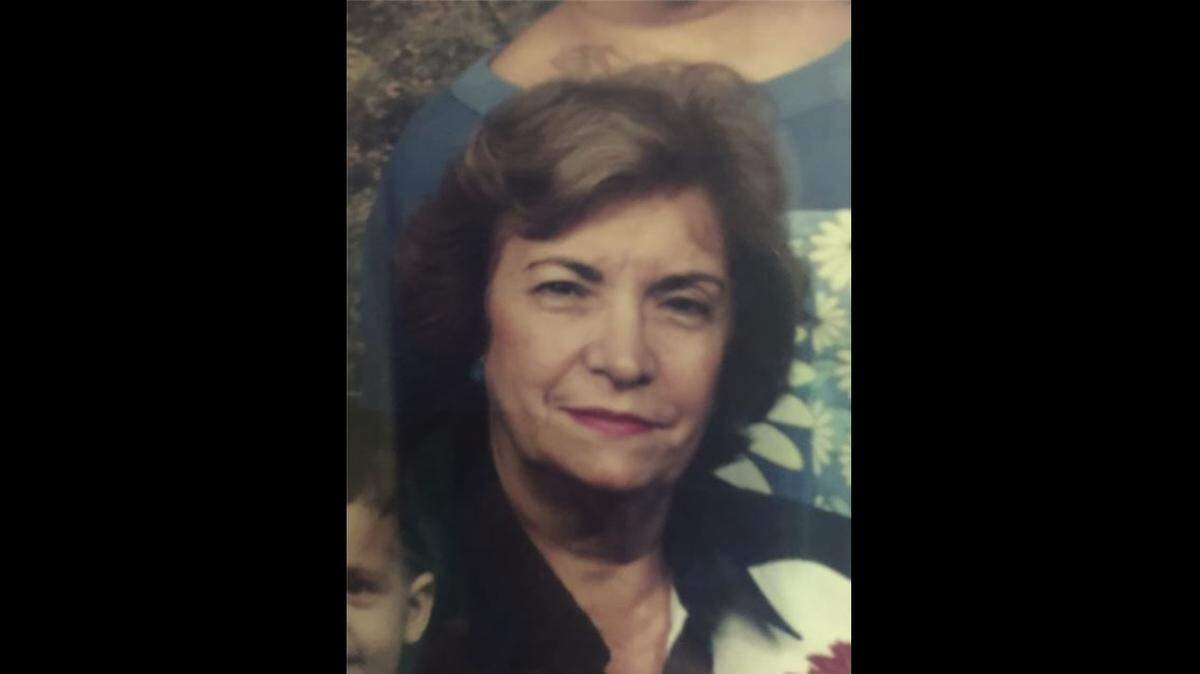
This story is part of an ongoing Miami Herald series chronicling the lives of South Florida COVID-19 victims.
Graciela Ordiales always tried to help others. Those who entered her home never left before eating, drinking and filling up with joy, said her son, Roy Ordiales.
She donated to St. Jude Children’s Research Hospital and the Missionary Oblates, who serve needy communities around the globe. In Spanish, she would say, “Yo no lo puedo hacer, pero yo si puedo donar para que los ayuden,” which translates to, “I can’t do it myself, but I can donate so that others can be helped.”
Ordiales died on April 19 of COVID-19 at age 89.
She was born in San Jose de las Lajas, Cuba on April 29, 1930. Her parents, Valeria and Tomas, lived on a farm, and she had five siblings — two sisters and three brothers.
At 5 years old, she lost her mother to a blood disease. Her father sent three of the children to live with other families around town. He kept two boys with him on the farm.
Graciela grew up at her Uncle Fernando’s home. When she was 17, her father was struck by a bus while riding a horse down the street. At age 18, she left her uncle’s house to live and work with a cousin who came from a wealthy family. She worked six days a week as a maid with Sundays off.
Her social life was limited because she had to save money.
After she began studying nursing, she met her soon-to-be-husband, Adolfo Ordiales. He quickly began showing up at the same places she visited. They were from the same neighborhood. He was madly in love with her.
She married Adolfo in 1956 and never finished her nursing education. She was pregnant and close to her due date the next year when her husband persuaded the U.S. embassy to allow them onto an airplane to Miami.
“I don’t know how he convinced them, but my dad said, ‘I want my son to be an American boy’ and they put her on the plane,” said her son, Roy.
They arrived in Miami on July 6, 1957, and soon moved in with Adolfo’s brother, Benjamin, who also helped him find work as a plasterer. Within four days of arrival, their first-born, Roy, arrived.
In total, they had three children — Roy, Adolfo Jr. and Tom.
In 1965, Graciela was heartbroken when they reached a deal to buy a house in Coral Gables, but then the owner decided not to sell at the last minute. Adolfo then found an empty lot in Westchester and built a house. That was the place they lived for the rest of their lives.
Graciela was very close to God. She attended St. Timothy’s Catholic Church on Sundays and was the center of attention. She knew almost everyone.
Every day at 3 p.m., rosary in hand, she would pray the Divine Mercy Chaplet. (She passed away at 3:07 a.m., which is the hour of the Divine Mercy, on Divine Mercy Sunday, which occurs once a year.)
She took care of her husband, who passed away in February from Alzheimer’s disease. While he was bedridden for five years, she fed him and gave him medicine.
“She was everything you wanted in a mother,” said her son Tom. “She never spanked us, had a lot of integrity and was very spiritual.”
Bianca Marcof, a Florida International University journalism student, wrote this story for the Miami Herald.
This story was originally published July 28, 2020 at 1:46 PM.