Who we’ve lost in South Florida: a cop, a nurse, a banker, a grandma and so many more
In lonely hospital beds, where the only contact with dying loved ones is through a screen, hundreds of South Floridians have become part of the grim toll of the global coronavirus pandemic.
The disease has claimed nurses and sheriff’s deputies, construction workers and chefs, retirees and grandparents. Its youngest victim so far was 27, an Indonesian man off to see the world and provide for his family aboard a cruise ship. The oldest was a 101-year-old woman who loved God and fishing and wasn’t afraid to tell it like it was.
Its first official victim in South Florida appears to be 88-year-old Mark Greenberg of Boca Raton, according to the Palm Beach Post -- but its possible others died earlier, the undetected virus preying on the already infirm. Greenberg died March 14, back when family members could still hold hands with their loved ones as they passed.
In the month since, COVID-19, the illness caused by the novel coronavirus, has killed more than 400 people in South Florida as of late Friday. It’s the lion’s share of the state’s total, which tops 700. It’s unclear when the toll will slow.
You can help the Miami Herald tell their stories. Fill out this form with your memory of a loved one lost to the virus:
These victims are just a sampling of the first South Florida COVID-19 fatalities confirmed this week in records from medical examiners in Miami-Dade, Broward, Palm Beach and Monroe counties. The records revealed some new information, including that Miami-Dade County’s first official death from COVID-19 wasn’t actually 40-year-old Israel Carrera, as first widely reported weeks ago.
The Cuban Uber and Lyft driver was really victim No. 6, according to Miami-Dade County Medical Examiner records. No. 1 was a 94-year-old woman named Dieumene Etienne who died three days earlier. Her family couldn’t be reached for comment.
While she was the first documented victim in Miami-Dade, the virus’ role in earlier deaths may have gone undiscovered. The Medical Examiner relies on health facilities themselves to flag suspected COVID-19 deaths and with underlying ailments may not have been tested in the early stages of the spread.
But Darren Caprera, the ME’s director of operations., does not believe “there were a lot of deaths missed” as hospitals had begun reporting cases by early March. Between March 1 and March 23, he said the office investigated 26 deaths where COVID-19 was suspected as a contributor but the deceased wound up testing negative. Caprera said accurately documenting the toll was a priority for the office.
“There is a huge endeavor and we are in close communication with literally every health facility on a daily basis,” he said.
These first 400 official deaths leave holes in the community. Grandparents no longer able to spoil their grandchildren, people unable to marry their fiancees, mothers who won’t be there for their children anymore.
They were loved. And they will be missed.
Here are some of their stories:
A family man
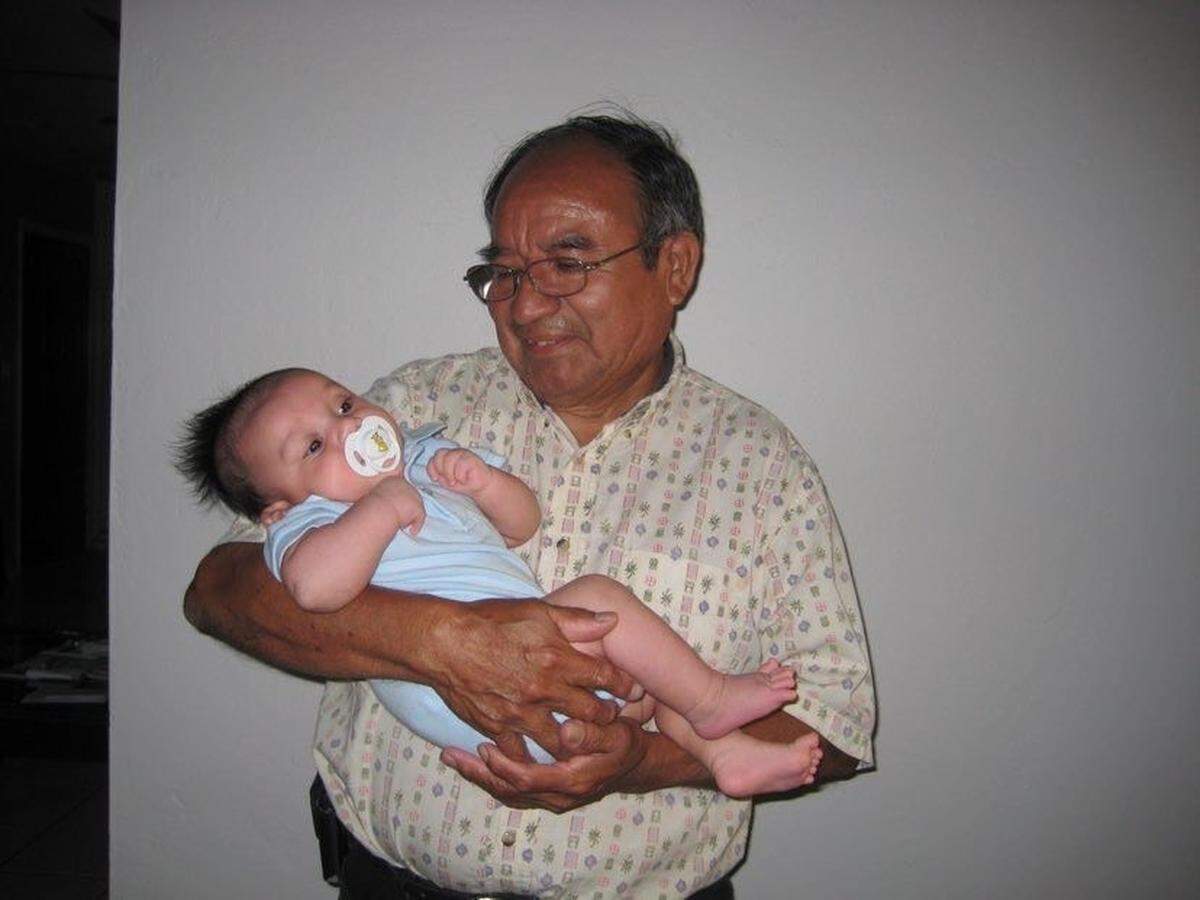
Luis Alpiste was the kind of guy who’d wake his kids up at midnight with a cake to celebrate their birthday the moment it happened.
“He was always more excited than the people whose birthday it was,” his daughter, Erika Alpiste, said.
Luis was the kind of Dad who’d have his daughters put on a fashion show every year with their new school clothes as he beamed proudly from the couch. He was doting to his grandkids, always splurging on the biggest presents from Toys R Us just to see them smile. He loved chocolate and Law and Order reruns and big, boisterous family gatherings.
He died on March 24 of COVID-19, leaving a devastated family behind. He was 79. He was the second official COVID-19 death in Miami-Dade.
Luis was born in Peru, one of 18 children (15 of whom survived infancy). He set his roots in Miami with his wife Jenny, where they raised four kids. He was a construction worker.
“I just remember driving around with him and he’d say ‘see that building? I helped build it’,” Erika said. “He was so proud.”
Family was one of Luis’s great joys in life, Erika said. He was always taking on another nephew as an apprentice in the construction field. And when one of his brothers died, he became a second father to his niece and nephew.
He often chided his family for failing to recycle something. Whenever they pushed back, he told them, “we have to do these things now because I want my grandsons to have a better world.”
September 13 would have been his 80th birthday, and his family was planning a surprise party with family from all over the world — Peru, Texas, New York and even Sweden.
Now it will serve as his memorial, something else the coronavirus stole from the Alpiste family.
“If anybody deserved a funeral ceremony it was my Dad,” Erika said. “There wasn’t a stranger that wasn’t a friend to him.”
He is survived by his wife of 38 years, Jenny, his children Johnny, Dianne, Erika and Jennifer, his son-in-law Christopher, and his grandchildren Liam and Ellie.
‘A straight up hero’
Danielle Dicenso, an ICU nurse at Palmetto General Hospital, was on the COVID-19 front lines.
On April 9, Dicenso, 33, died in the living room she had shared with her husband and their 4-year-old son Dominic — a boy who “absolutely loves” playing baseball, his grandmother said.
“She was on a shift where she had COVID patients, and she didn’t have a mask. She was very scared of going to work,” her husband David Dicenso told WSVN.
But Dicenso was a nurse at the Hialeah hospital. This is what healthcare workers do: they are hardwired to put others’ needs paramount.
“You put yourself on the front lines trying help others during these times,” her husband posted on Facebook. “You’re a real hero!! You’re the best nurse anyone could ask for. You’ve received so many letters from patients, their families, thanking you for caring and taking the extra mile to bring people to health.”
Her sister Ashley Kuchciak set up a GoFundMe page to help the family with funeral costs and for the support and education of her son. “Danielle ... always made everyone laugh with her amazing sense or humor,” Kuchciak said on the post.
In its first five days, the fund already topped its $40,000 goal from more than 460 donations.
One read: “From one nurse to another and one mother to another.” Another called Dicenso “a straight up hero.”
The kindness hasn’t gone unnoticed by Dicenso’s mother, who thanked donors on the page “when many of you didn’t even know our loved one Danielle,” she said. “We realize there really are so many kind hearted people in this world who are praying for our family and are being so compassionate.”
She loved God and fishing
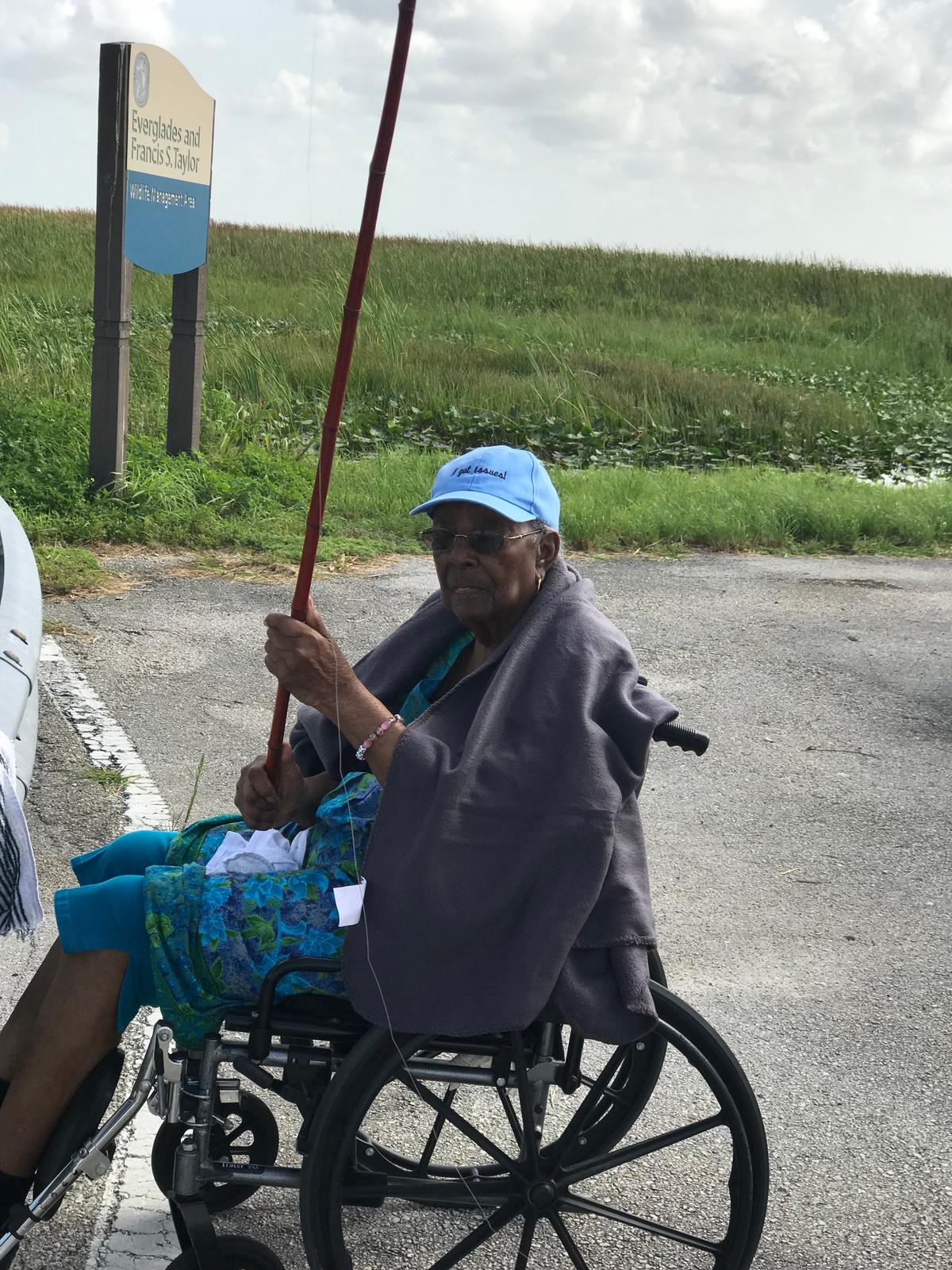
On her 100th birthday, Leona Moten-Scott went fishing with her family on the edge of the Everglades.They gathered from Texas, Georgia and California to celebrate the milestone and the woman behind it.
She would have made it to 102, her daughter Carolyn Moore said, if she hadn’t caught COVID-19. Moten-Scott died at 101 on April 5. She is the county’s oldest official victim.
Moore, 64, said her mom was a Godly woman loved by all, but she wasn’t afraid to speak her mind.
“She told you straight up if you were doing something wrong,” Moore said. “She’d let you know.”
Leona, born in Fort Meade, Florida, worked most of her life managing cafes or as a housekeeper. She had four children. After her husband died in 2005, she moved in with Carolyn and her husband, David.
Life together had a rhythm. It started in the morning, when Carolyn woke up. The first thing she’d hear was her mom, asking ‘Carolyn? Is that you?”
She’d get her dressed and set up in her favorite chair by the window, where she could report the comings and going of the neighbors. For lunch, Leona loved Applebees, especially the BBQ ribs.
When Leona started getting sick, Carolyn cared for her at home as long as she could. But after she couldn’t drink water anymore, it was time to go to the hospital. A half hour after the ambulance took her mother away, another one came for her husband, who couldn’t breathe.
All three of them tested positive for the virus. Leona died days later, but David was released this week after a rough battle in the hospital. Carolyn never showed symptoms.
“I truly believe He kept me so I could take care of my family,” she said.
Because of the coronavirus restrictions, the family hosted a brief viewing and a short, ten-person graveyard service.
“When this is behind us we plan on having a grand memorial,” Carolyn said.
‘Rest in peace, Dab’
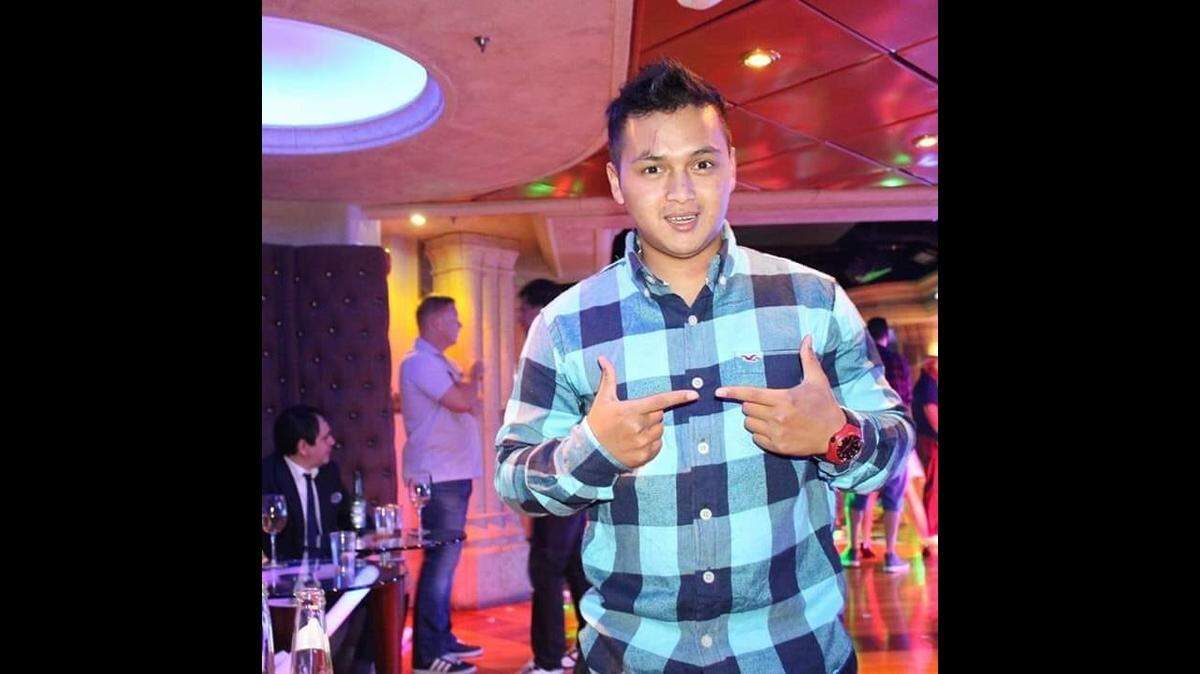
Pujiyoko joined the cruising industry so he could see the world and provide for his family back in Indonesia. Whenever he finished his months-long tours on a ship, he’d head back to Temanggung in the Central Java Province of Indonesia, about a six-hour drive from Jakarta. He’d stock his family up on supplies like motorbikes.
Onboard the Symphony of the Seas cruise ship, where he’d worked in housekeeping since 2016, Pujiyoko was known as a friendly, deeply religious man.
His nickname for a friend, “Dab,” pops up in Facebook memorial posts for the 27-year-old, who died of COVID-19 on April 12. He’s the youngest official death in South Florida.
“Rest in peace, dab,” one reads. “Hope you get a good place aside God.”
He’s one of at least three crew members who’ve died in South Florida, where dozens of cruise ships are anchored offshore with thousands of crew members aboard.
A friend who grew up walking to and from school with Pujiyoko said he studied graphic design and multimedia in high school.
“His parents were proud and happy that his son worked on a cruise ship,” the friend said via message. “He is a quiet and kind person.”
An officer’s legacy
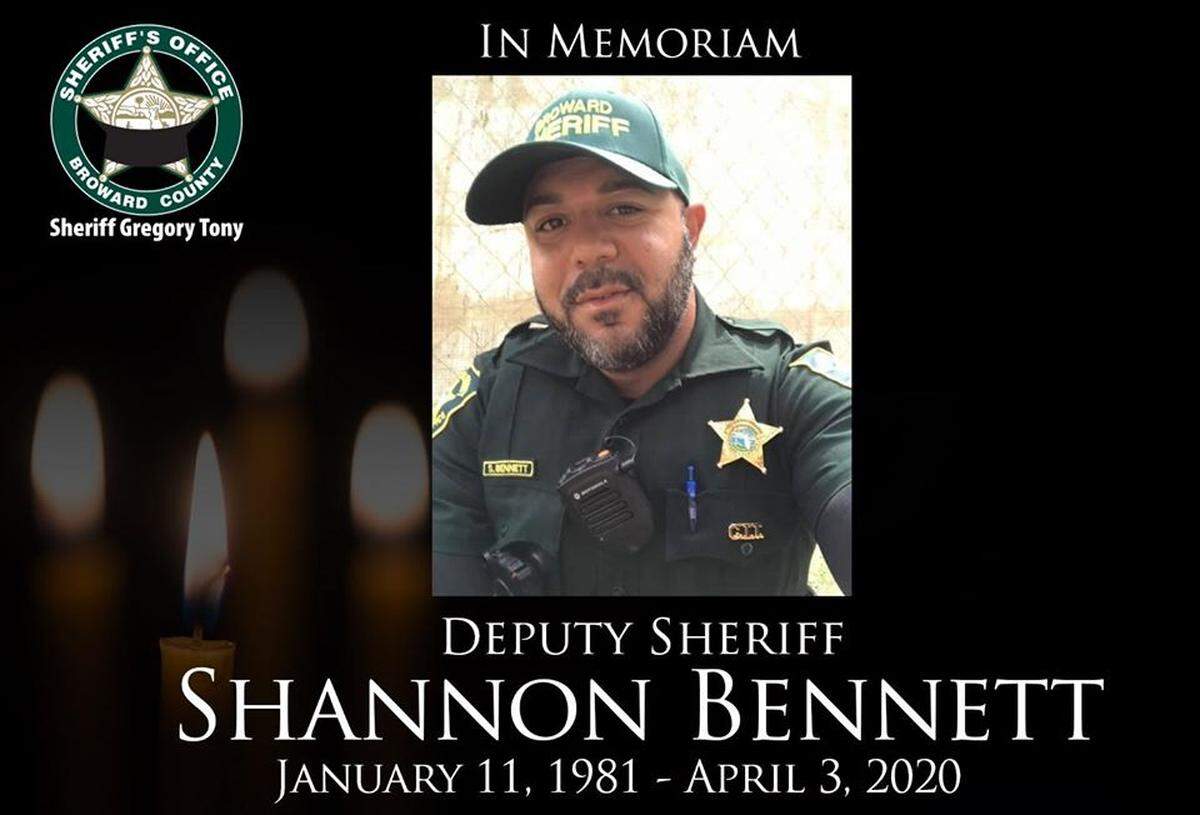
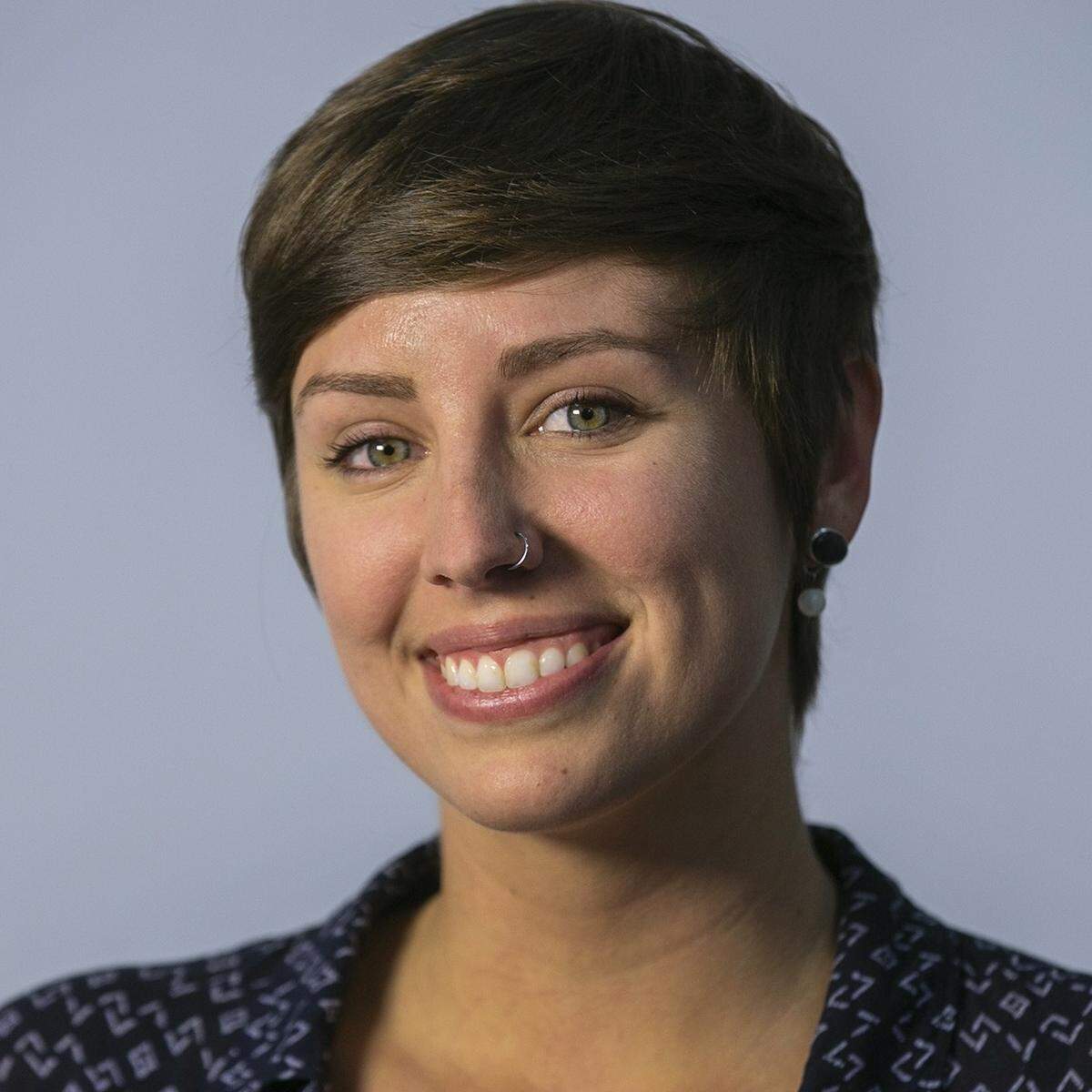
Deputy Shannon Bennett was the first law enforcement officer in Florida to die of COVID-19, the respiratory disease caused by the coronavirus.
Bennett, who served the Broward community for 12 years, died April 3 “in the line of duty,” Broward Sheriff Gregory Tony said.
He was only 39 and engaged to marry Jonathan Frey in December 2020. He had proposed at Disney World last December. A little over three months later, he first saw signs of getting sick in March.
The two had talked of one day having children, Frey told People. Bennett, who worked as a resource officer for Deerfield Beach Elementary School, would have been “an amazing father,” Frey told the magazine.
“He just wanted to be remembered as a fun-loving guy and somebody that was always here for people. ... It actually really pains me because Shannon talked about having a family very often and he was never was given the opportunity.”
Once Frey dropped Bennett off at the hospital on March 27 that was the last he, or Bennett’s brother Darren and mother Barbara, were able to see him in person though he texted when he could.
“This is not the end of who he is,” Frey told WPLG-Local 10. “He was the love of my life, and I know his legacy is going to live on, one way or another.”
Bennett had already assured that family bonds would be one of his lasting gifts.
In a series of texts he shared from his hospital bed with his brother, Darren Bennett, a pastor at Calvary Chapel in North Miami, the siblings shared fond memories of the time Shannon went to support his brother at a Christmas wrestling tournament at Cardinal Gibbons High School by turning up with a group of friends and chanting out loud.
“The rest of the team held on to that and used it the rest of the season,” Darren texted his brother.
Shannon responded in one of his last text messages: “I support my family. If I die just tell that story. That’s the legacy I wanna leave.”
A beloved ‘Conch’
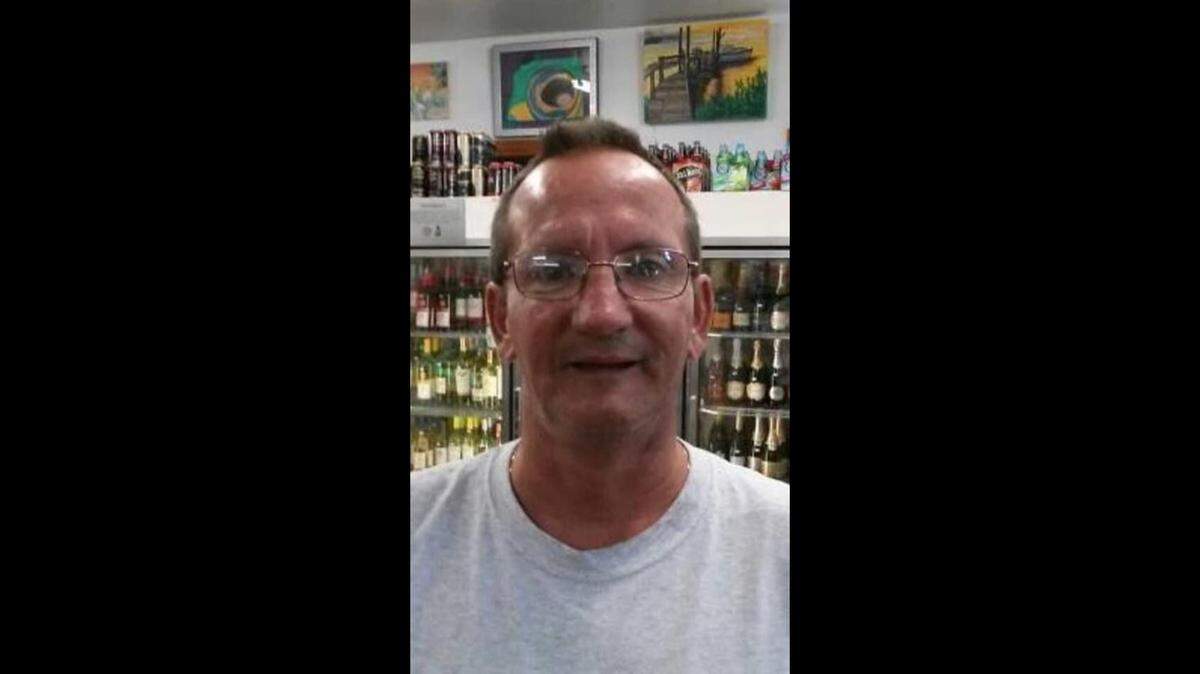
In Key West, the regulars called native Ronald David Sweeting a “Conch.”
They did it out of love. That’s how it rolls in the laid back community where Sweeting, 56, became the second reported man to die of COVID-19 on April 4 — two days after retired Keys chef Keith White.
Nine days earlier, on March 26, Sweeting spent his final birthday in a hospital bed at Lower Keys Medical Center fighting for his life.
“It’s like being on a battlefield and there’s a sniper,” his father David Sweeting, 77, told the Miami Herald about the pandemic that killed his eldest son. “You don’t see the sniper but he’s got you in the scope. You can’t see it. You don’t know when it’s going to happen.”
Sweeting worked at a New Town liquor store and loved playing baseball. That is, until his knees gave out. So, he had to give up playing first base and shortstop but kept his place on the field. He served as an umpire instead. Kept his Marlins season tickets, too.
Sweeting’s survivors include his two daughters, a son, five grandchildren and his parents.
The rock star
Andrew Kowalczyk lived a life of big experiences.
A former rock-band singer, Kowalczyk produced a relief album for New Orleans musicians affected by Hurricane Katrina. He skydived, practiced yoga and meditation and, at one point, even owned five race horses.
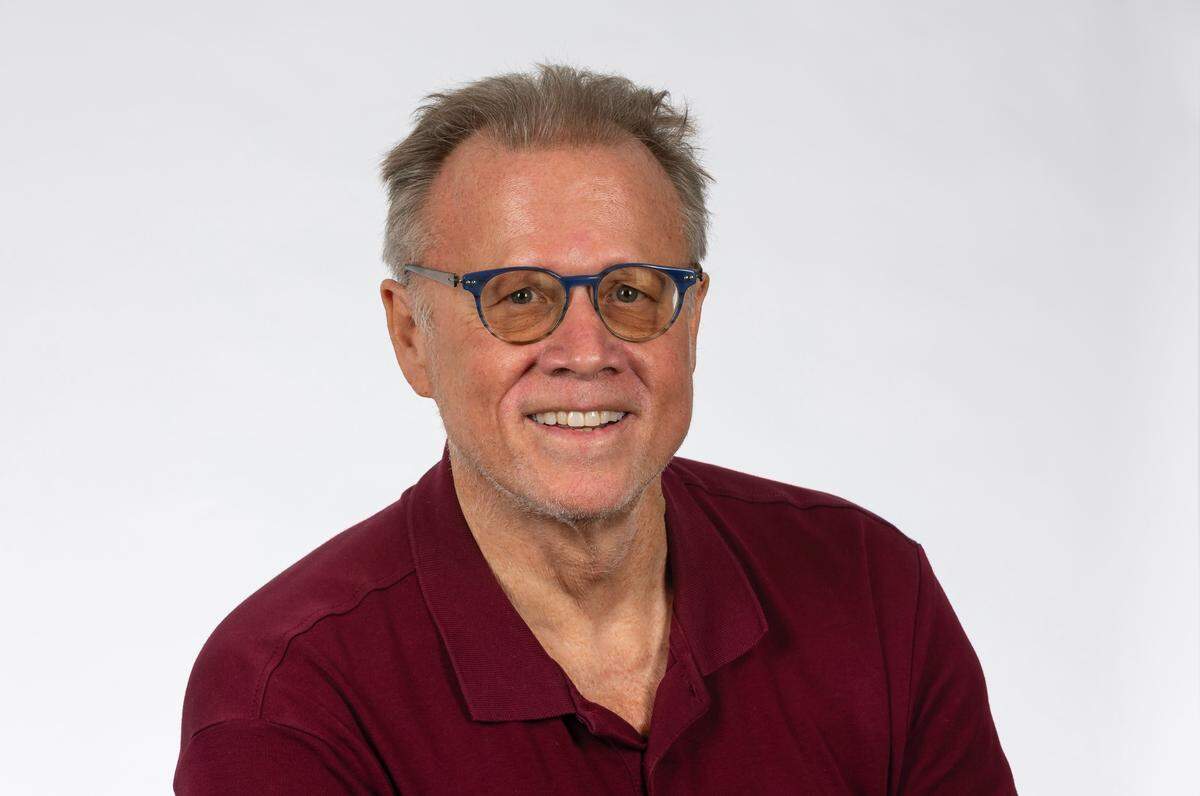
Kowalczyk, an investment banker, died April 6 at Coral Gables Hospital from complications of COVID-19, the illness caused by the novel coronavirus that has caused a worldwide pandemic. He was 63.
“He was one of those guys who would lift up a room when he walked in,” said his widow, Elizabeth Kowalcyzk. “He was trying to squeeze the juice out of life.”
Kowalczyk was born on April 1, 1957, and raised in Westfield, New Jersey. He ran his own private investment banking firm, AK Capital, and split time between New York and South Florida.
As a young man, he was the lead singer of a group called the Cadillac Rock Band. Over the years, he also released two albums, Just Bad Enough and Rock & Roll Appetite. In 2006, he served as the executive producer for Sing Me Back Home, by the New Orleans Social Club, featuring artists such as Cyril Neville, Big Chief Monk Boudreaux and the Sixth Ward All-Star Brass Band Revue. The proceeds of the album went to help musicians affected by the devastating hurricane.
Kowalczyk was involved with philanthropic organizations, such as the Muscular Dystrophy Association’s Wings over Wall Street event, and the Wounded Warrior Project.
An avid sports fan, he also got the chance to play in a pro-am tournament in 2002 with a young budding star golfer: Tiger Woods.
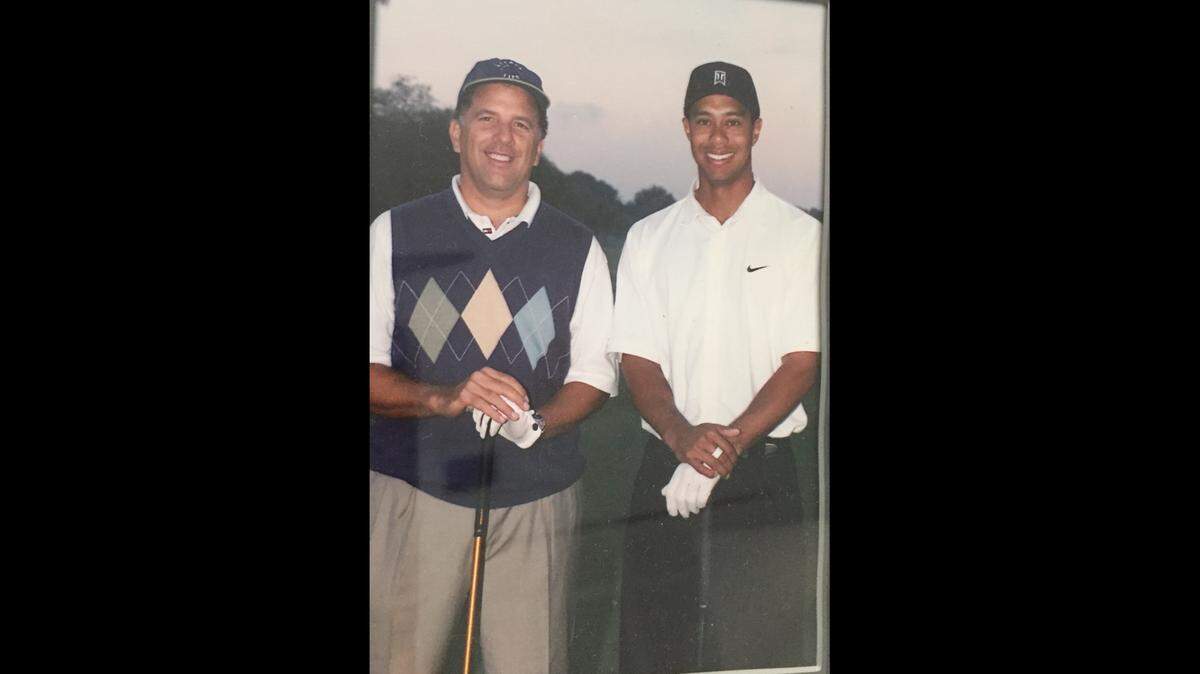
Kowalczyk and his wife lived in Doral. He fell ill on March 18, two days after he returned from a trip to New York. He self-quarantined at an apartment they own on Miami Beach.
A couple days later, he woke up feeling feverish and weak. Kowalczyk took an Uber to Coral Gables Hospital, where he later tested positive for COVID-19.
Kowalczyk was upbeat about recovering, his wife said. He was strong, and besides yoga and pilates, was an avid weight-lifter. “He was constantly working out,” Elizabeth Kowalczyk said. “He said he’d fine, to not worry about it.’”
But on Monday, March 30, Kowalczyk’s condition suddenly worsened. He could no longer breathe on his own. His condition was aggravated because he had chronic lymphocytic leukemia, a slow-progressing disease that can affect blood and bone marrow but has been dormant in him.
Kowalczyk was intubated and spent two weeks on a ventilator before he died.
The death devastated Elizabeth Kowalczyk, who could not be by her husband’s side at the hospital. She herself remains quarantined in their Doral home, with no symptoms.
The two were married 27 years, and had been together 32.
“We were lucky to have a wonderful marriage,” she said. “He was one of those amazing guys with a huge heart.”
She plans to hold memorials in New York and Miami when the viral outbreak subsides.
Kowalczyk is survived by his wife, his parents, Edward and Cynthia Kowalczyk; and two sisters, Margaret Milne, and Paula Kowalczyk Jakob.
Dementia didn’t take the music
From her room at the Residential Plaza assisted living facility in Miami, 90-year-old Rosa Zamanillo was known to sing beautiful Cuban ballads.
The facility, also know as Blue Lagoon, has been her home for the last eight years. She hasn’t left the facility in three years, and yet she still contracted COVID-19. She died of the disease on April 10, her son Jorge Zamanillo said.
Zamanillo, 51, who is executive director of HistoryMiami Museum, said his mother’s dementia took many of her memories, but she never forgot the ballads of her childhood.
She was the eldest of eight siblings born in Cuba. In the diaspora, the family split in half. Some of the siblings came to the United States in the last of the Freedom Flights of 1966, while the rest (including her mother) stayed in Cuba.
Zamanillo and her husband, the sculptor Jose Zamanillo, came to Miami in 1976. They raised five children.
Jorge Zamanillo said his mother loved music and painting.
‘A big teddy bear’
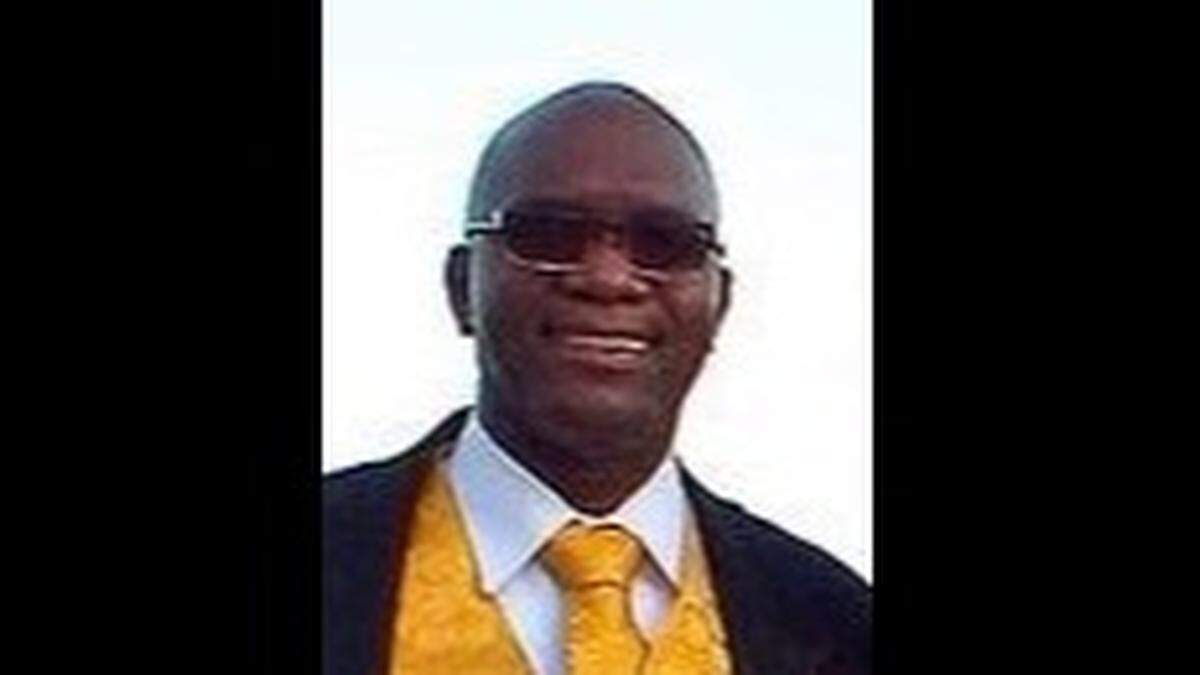
Keith White, 55, who had lived in Key West since the late 1980s, was the first to succumb to the coronavirus in Monroe County when he died on April 2, the Miami Herald reported.
White, originally from West Memphis, Arkansas, had worked as a chef, collected boom boxes — those oversized radio/cassette tape players that were the rage in the decade of MTV and “Miami Vice” — and was revered for helping people who were struggling with addiction.
Cayo Beau, a friend in the Keys, was the photographer for White’s wedding to wife Marshee.
“Mistah Keith White was one of the finest men I have known. He always had a smile on his face, and never had a bad thing to say about anyone,” Beau posted on Facebook.
“He will surely be missed by everyone who he came in contact with. I’ve always considered it an honor to be the photographer at their wedding.”
White was a chef at the Casa Marina Key West Waldorf Astoria. After retiring, he devoted time to help struggling addicts, WPLG Local 10 reported.
“He no doubt saved my life. I used to introduce him as my hero. I’m sure many other people feel the same,” William Hall told WPLG.
“Keith was the sweetest and I feel grateful to have worked with him at the Casa. I remember he always gave us free food when we were starving on those long hot day,” Lisa Brown wrote on a Facebook post.
“He was very peaceful,” City Commissioner Clayton Lopez told the Herald. “He was big. If you saw him and didn’t know him you might have been intimidated. But he was always a big teddy bear.”
As Mel Waggoner said in an affectionate Facebook post, “Mistah Keith,” as the regulars called him, was “a genuine, good-hearted soul.”
White’s survivors include his wife, three children, six grandchildren and his sister Vickie Marie White-Hubbert. The Florida Department of Health classified White’s death as travel related. He had visited New York, according to Keys Weekly.
“My dad is truly going to be missed,” his daughter Ikema Williams told WPLG.
Just living life
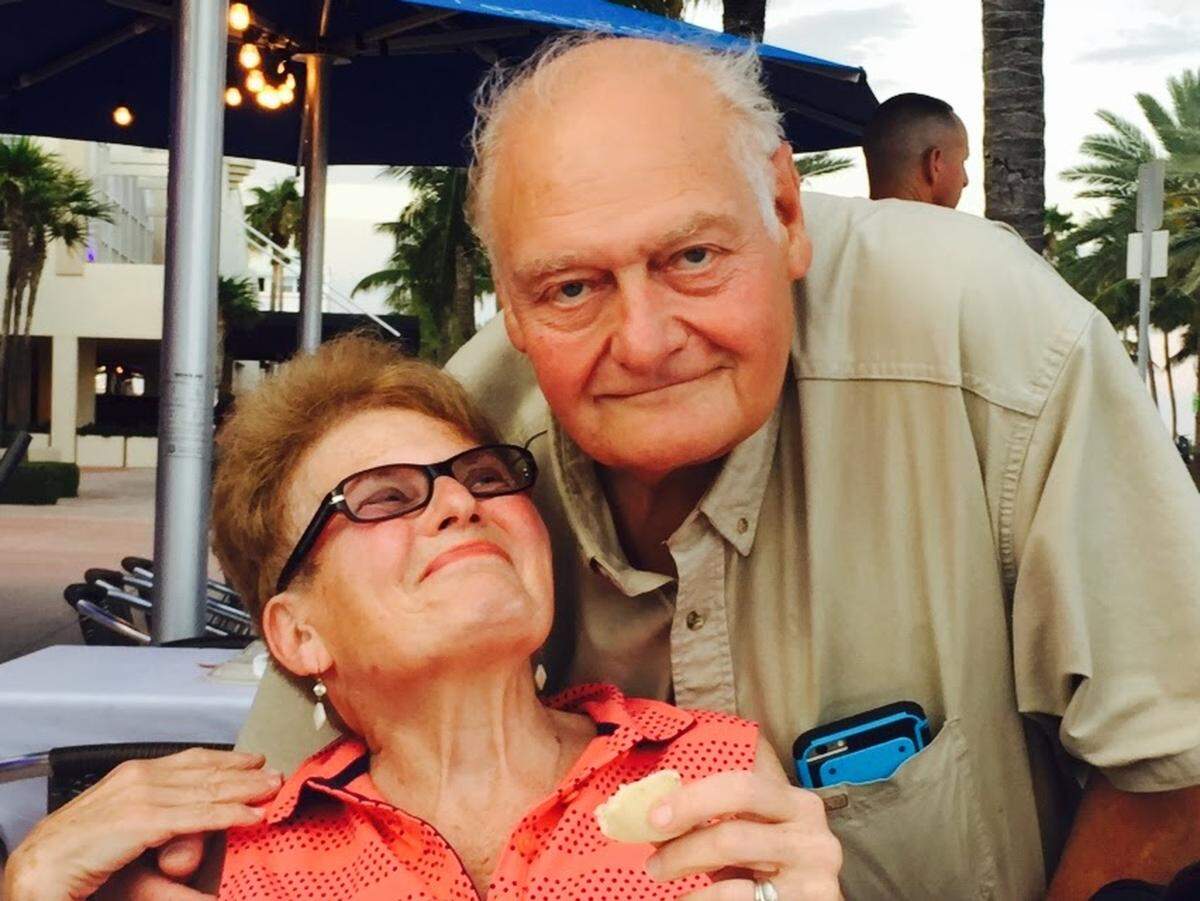
Richard Curren and his wife, Sheila Curren, didn’t plan to move to Florida, but the Chicago couple made a new home in Miami Beach to be closer to their daughter and granddaughters.
“We never had any big dream of retiring to Florida,” said 76-year-old Sheila Curren. “It just kind of happened.”
Seven years later, they made another unplanned move to Atria Willow Wood, an assisted living facility in Fort Lauderdale.
Curren, a burly 77-year-old, became Broward County’s first COVID-19 death on March 17. He died a little over a week after he contracted the disease.
The poker pals
They were eight friends and retirees who bonded over five nights of weekly poker games at an Aventura condo. They became family.
Then March 12 happened. The last poker game.
According to the Broward and Miami-Dade medical examiners on March 27, Frederick Sands, 86, would be the first to die of COVID-19 in a Hollywood hospital. He had underlying health conditions.
A day later Marcia Friedman, 94, would die of COVID-19 and pneumonia in Aventura on March 28. Beverly Glass, 84, Sands’ partners of over 20 years, died on March 31. COVID-19, too.
Their five other poker friends were also diagnosed with the novel coronavirus, the Sun Sentinel reported.
The only blessing — if one is inclined to look for blessings amid the sadness: Glass and Sands managed to be together at the end.
Glass’ daughter Lori Helitzer was able to convince Memorial Regional Hospital to ultimately place the couple in the same room. A nurse let her know the pair were holding hands, the Sentinel reported. Sands’ last moments were with his lady nearby.
“Unfortunately, it’s more than most people get,” Helitzer told the Sentinel.
“So sad. So many losses,” Helitzer told the Herald. If she has a message to others it might be this: “Stay safe. I lost two loved ones in a week.”
Miami Herald reporters Mary Ellen Klas, Carol Marbin-Miller, Taylor Dolven, Michelle Marchante, Gwen Filosa and David Goodhue contributed to this report.
This story was originally published April 17, 2020 at 8:11 PM.