
Florida legislators won’t require condo inspections. Here are the consequences
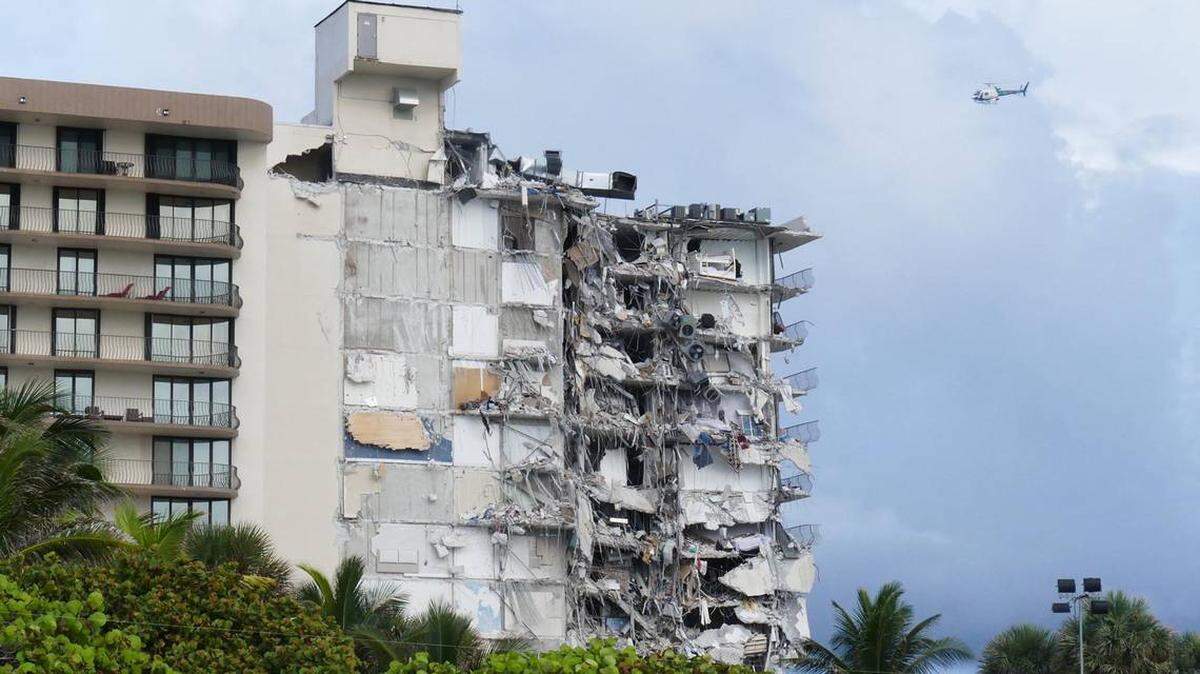
The Florida Legislature’s failure to pass a bill mandating regular condominium inspections leaves in place a lax regimen experts say is full of glaring loopholes that endanger residents of aging buildings.
The bill would have required periodic, routine inspections of most condo buildings — something that doesn’t exist under current law. The main disagreement was over a mandate that condos set aside money to cover future repairs.
The bill was prompted by the catastrophic collapse last June of the Champlain Towers South condo in Surfside, where unit owners bickered for years over paying for needed structural repairs, delaying the work. The building partially collapsed as work was finally underway.
READ MORE: U.S. lending rules target condos needing critical repairs
While experts say the chances of a repeat of the Surfside tragedy are low, they also say many of those aging buildings probably have hidden structural or mechanical issues that could endanger residents.
There are several key issues and questions that may now face condo owners or anyone looking to buy a unit across most of Florida:
▪ Only Miami-Dade and Broward counties and some individual cities require regular inspections of condos to ascertain their structural integrity. Miami-Dade now requires buildings to do so when they reach 40 years since construction, but a proposal to be taken up in April by a county commission committee would move that up to 30 years.
▪ State law sets out no requirements for high-rise condo inspections and no guidance or requirements for associations on how or when to undertake maintenance and repairs. Critics say some condo boards simply skirt their responsibility when faced by opposition from unit owners to higher fees or special assessments.
▪ Requirements for keeping cash on hand to cover the cost of maintenance and repairs can be easily and legally waived, and many associations do so for fear of upsetting unit owners who may not want to pay higher fees. Condo associations can now waive the need for reserves with a vote of a majority of unit owners present at a meeting.
▪ Condo boards that discover serious problems in their buildings, or their engineering consultants, have no legal obligation under state law to notify local authorities or even unit owners when they do so.
▪ Real estate experts say that financial institutions, acting under new federal guidelines, and insurance companies will now impose reserve requirements on buildings, stepping in where state officials have not acted.
For example, new rules from Freddie Mac and Fannie Mae, the two independent, federally chartered agencies that support most residential mortgages in the country, are now for the first time requiring bankers to evaluate the condition of buildings before approving a loan for a condo purchase.
What that means, in effect, is that condo buildings must be able to show a clean bill of health from an engineer or architect before banks will approve mortgages for unit purchases.
The agencies say they will no longer back mortgages in condo buildings facing unfinished “critical repairs” or material deficiencies such as mold or water intrusions, or that have deferred maintenance resulting in “advanced deterioration.” Ongoing routine maintenance or repairs won’t be an issue. But buildings that have not set aside sufficient funds to pay for needed critical work also will be ineligible.
Fannie Mae is also requiring that condo boards set aside 10% of operating costs every month in a special reserve to pay for needed future repairs before it will back mortgages in a condo building.
This story was originally published March 11, 2022 at 12:17 PM.