
Prompted by Surfside tower collapse, new condo lending rules target buildings in need of critical repairs
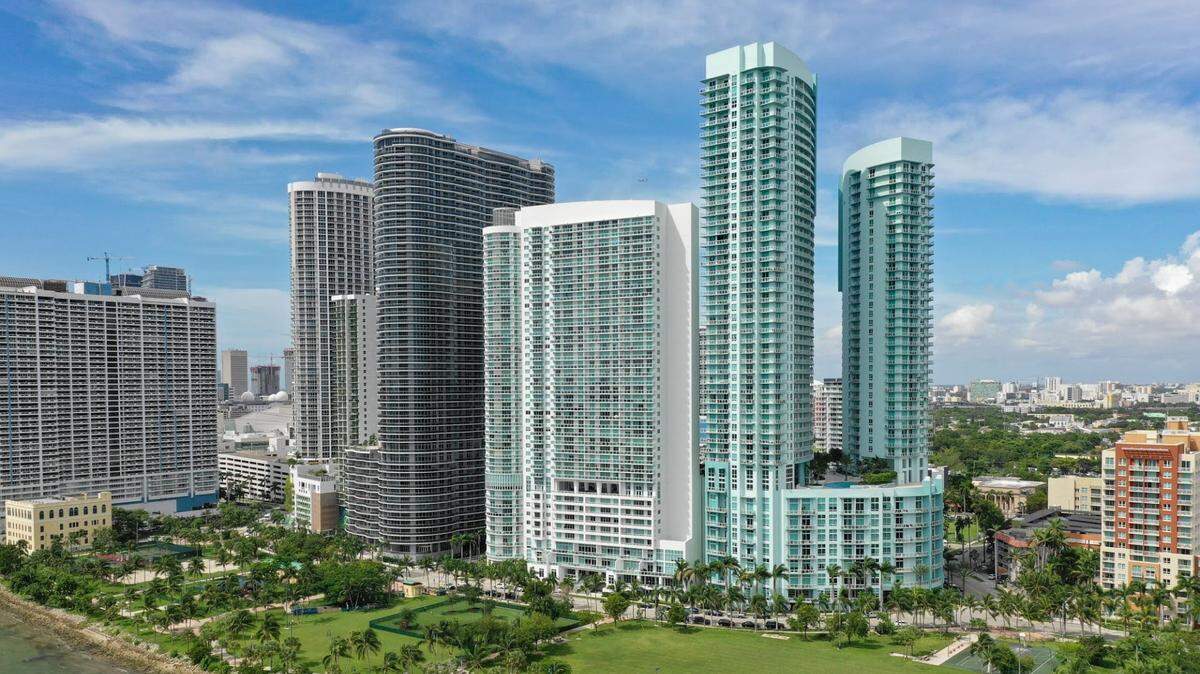
Thinking of selling or buying a condominium in the wake of last year’s catastrophic Surfside high-rise collapse? Then brace yourself.
The national rules for getting a condo mortgage have suddenly changed, and that could make sales and purchases of many units much harder than before — and even block them outright when buildings face significant repairs or owners and condo boards have put off tackling serious maintenance.
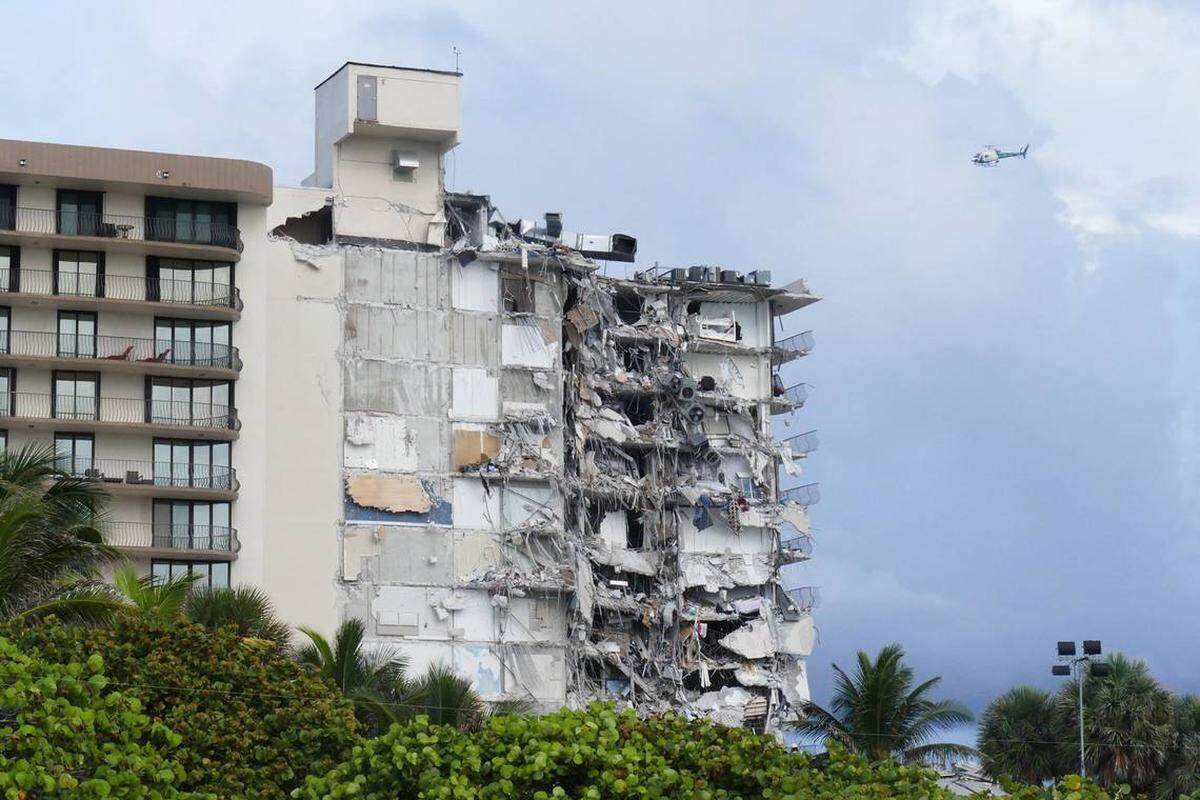
Rattled by the Champlain Towers South catastrophe in June, the two federally chartered corporations that help determine whether lenders will issue mortgages on condos and other dwellings are now for the first time requiring the bankers to evaluate the condition of buildings before approving a loan.
The gist of the new rules: Freddie Mac and Fannie Mae, as the independent agencies are known, will no longer back mortgages in condo buildings facing unfinished “critical repairs” or material deficiencies such as mold or water intrusions, or that have deferred maintenance resulting in “advanced deterioration.” Ongoing routine maintenance or repairs won’t be an issue. But buildings that have not set aside sufficient funds to pay for needed critical work also will be ineligible.
Fannie’s and Freddie’s stated goal is to protect condo owners, as well as the value of the mortgage loans the agencies purchase from lenders, by encouraging condo association boards to carry out regular inspections and maintenance, correct structural and mechanical deficiencies, and set aside enough money to pay for the work.
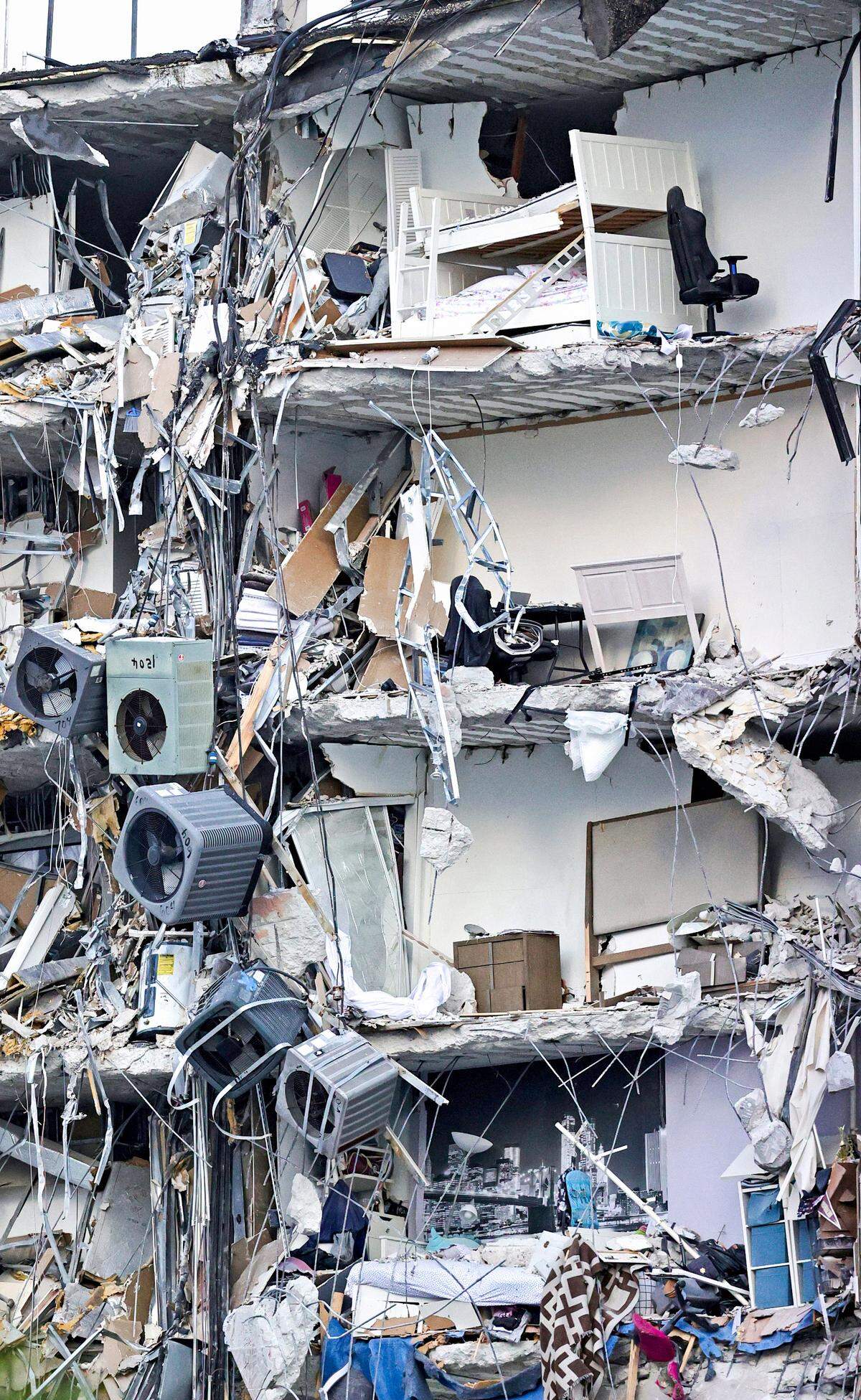
Real estate brokers, bankers, condo lawyers and association leaders say the new rules will make it significantly harder, if not impossible, for buyers to obtain routine financing to buy condo units in affected buildings, or for owners in those condos to refinance, until their associations can show that buildings are sound or repairs are completed and approved.
“If there is in fact any outstanding work to be done, the project is ineligible,” said Eric Intihar, mortgage planner with Fairway Independent Mortgage Corporation in Boca Raton. “Essentially, it’s kryptonite.”
While the rules mostly don’t affect newly built condos, they could apply to recently completed buildings if serious construction or design defects come to light, as sometimes happens when associations take over from the developers who built the properties.
Guidelines could encourage condo sales to developers
Some experts predict the new rules could accelerate the trend of owners in aging condo buildings facing large repair bills selling to developers and dissolving the condo corporations. That could further crimp an already tightening supply of affordable housing across Florida.
“It’s almost a situation that is going to freeze out people who need housing more than anyone else,” said Christopher Zoller, a broker at Berkshire Hathaway/EWM and board member at the Miami chapter of the Master Brokers Forum, a network made up of prominent South Florida residential real estate agents and brokers.
Fannie and Freddie provide critical financial backing to the nation’s housing market because they buy residential mortgages from banks, bundle them together and sell them to investors as securities. But the loans first have to meet exacting standards set by the agencies. Because Freddie and Fannie together back as much as 60% of the condo market, their decisions affect tens of thousands of buyers and sellers.

The new rules apply nationally, but could especially affect South Florida, which has among the largest concentrations of condos anywhere in the country. Fannie Mae already instituted its rules Jan. 1. Although Freddie Mac issued its new rules as “temporary guidance,” people in the real estate industry expect they will become permanent, perhaps with some tweaks. Freddie Mac said all mortgages that close after Feb. 28 must comply, which means sales now in process are already having to meet the requirements.
Fannie Mae went one step further. It’s also requiring that condo boards set aside 10% of operating costs every month in a special reserve to pay for needed future repairs before it will back mortgages in a condo building, Intihar said.
The changes have sent real estate brokers and condo lawyers into a tizzy. Those who know about them are scrambling to get condo associations and clients up to speed, but say there’s still ambiguity in the pages of rules and definitions issued by the agencies over what constitutes repairs serious enough to warrant concern.
As bankers figure out how to apply the guidelines, some fear the lenders will be extremely cautious with any condo building facing repairs and reject mortgage applications rather than risk having Freddie or Fannie refuse to buy the loans.
Before the rule changes, many condos were pre-qualified for Freddie and Fannie-backed financing after meeting an extensive list of requirements designed to ensure the units’ value. Now all those condos must start again from scratch, Intihar said.
To qualify for backing, condo associations now also must answer a detailed three-page addition to the standard questionnaire that asks when the building was last inspected, what the findings were, whether repairs are underway or completed, and whether there are other structural or mechanical issues the board is aware of. It also asks several questions about special assessments imposed to pay for repairs to determine if enough is being collected.
The questions aren’t entirely new. The agencies already asked about building conditions when backing loans for affordable multifamily apartment buildings, but not condos.
Bankers, meanwhile, now will have to scour six months of condo board minutes to see if any discussions of maintenance or repair issues come up, and to request copies of any engineering inspections conducted in the previous five years.
Extensive effect likely in Miami-Dade County
The consequences could be extensive in Miami-Dade County, where condo buildings older than 40 years must undergo a recertification process that requires inspections and repairs. Buildings in the recertification process could potentially be excluded from conventional mortgages until repairs are done — which can take a year or more.
That number is likely to increase if the Miami-Dade Commission approves a proposal to move recertification up to 30 years, among a series of condo reforms proposed across the state. Concurrently, the Florida Legislature is considering a bill that would require inspections of all condo buildings older than 20 or 30 years, and regular inspections every seven to 10 years after that, depending on proximity to the coast.
Many in the real estate industry expect the strict inspection regime will uncover significant structural and mechanical issues at many aging condo buildings, rendering them potentially ineligible for mortgages backed by Freddie Mac or Fannie Mae. The state estimates that 2 million people reside in more than 912,000 condominium units that are 30 years or older. Of the 1.5 million condo units in Florida, another 141,773 are 20 to 30 years old, and more than 105,000 of them are more than 50 years old.
Some real estate brokers say they’re advising clients to steer clear of buildings undergoing substantial repairs or with large special assessments.
“If you are going through any structural anything, it’s not going to happen,” said Farid Moussallem, a broker at Compass and Master Brokers Forum board member. “You are not going to get the loan. It’s not a thing to ignore.”
Many condo associations and brokers don’t even know about the new requirements yet, Moussallem said. At least initially, some in the industry say, the rules could throw a monkey wrench into the condo market, slowing sales of existing units and adding layers of uncertainty to the process.
News of lending scrutiny not widely known
But most people in the industry support the new requirements as a needed move, even if they represent a new hurdle to closing condo sales, lawyers and brokers say.
“The word is just starting to get out. I’m amazed this has not gotten a lot of publicity,” said Dennis Eisinger, a prominent condo-law practitioner in Hollywood. “It affects 70 percent of end loans given in residential property.
“I believe these guidelines are really going to complicate things. In the short run, it’s going to be a bloodbath out there until everyone gets used to it. It’s going to be a very tough first few months, but eventually it will have a very positive effect for the safety of people and property,” he said.

Andres Althabe, president of the 14-building Biscayne Neighborhoods Association as well as president of the master association at the two-tower, 704-unit Quantum on the Bay in Miami’s Edgewater neighborhood, said he’s advising members to get in front of the new rules and undertake inspections and any needed repairs now to avert issues with Fannie and Freddie later.
“If you wait to make repairs, you are not really saving money, and then you run the risk of getting into critical repairs, and that’s when you lose the financing,” Althabe said. “So the sooner, the better.”
Even though the complex is only a dozen years old, his own Quantum master association hired an engineer to conduct an inspection, after the Surfside condo tower collapse on June 24, 2021, that killed 98 people. The engineers’ report outlined some needed repairs, which the board will undertake, but gave the building a clean bill of health, Althabe said.
“We have shown that we are very proactive. A small increase in monthly payments now will go a long way to saving money in the long run,” he said.
But not every condo is in a position to do the same.
Residents of some older condos, especially those facing massive repairs, may have trouble affording the repairs. If they’re also unable to sell their units because of the new Fannie and Freddie guidelines, that may leave them little alternative but to sell to developers — a trend that already had picked up momentum after the Surfside tragedy.
‘The dust hasn’t settled yet’
The new rules come as condo sales in Florida, which dominates the U.S. condo market, explode.
Sales soared in 2021 to 160,177 statewide, with 63,499 of those in the Miami-to-West Palm Beach metropolitan area, according to Florida Realtors, an industry group. With the median price of a Florida condo at $252,000, that represented a dollar sales volume of $61 billion, a 70% increase over 2020, the group said.
About half were cash sales last year and the other half financed, which is where Fannie and Freddie come in. Some experts noted even cash sales could be affected, because the sellers in such deals often require buyers to obtain approval for loans just in case they can’t come up with the cash at closing time.
Buyers in need of financing who can’t get a loan backed by the two nonprofit corporations must then rely on unconventional loans that require much larger down payments and charge higher interest rates, but experts say many Floridians can’t afford those.
Brokers say most condo associations, which charge a fee to fill out the Fannie Mae and Freddie Mac questionnaires, are going along with the additional queries on repairs, but some aren’t. Some fear that sharing information about repairs could scuttle pending sales deals and expose them to legal liability, brokers say.
That is already delaying some condo sales.

“These questions involve judgment,” said Claudia D’Amato, a broker with the Keyes Company who specializes in condo resales. “Answering these questions honestly can cause some liability. They don’t know how to answer. The associations feel that can be dangerous at this point, unless their attorney for the association confirms how to answer.”
Moussallem, the Master Brokers board member, concurred, but said it’s too soon to tell how much of a long-term effect the new Freddie and Fannie rules will have once everyone gets used to them.
“Some condos are not cooperating at all. They have this attitude. It depends who’s running the show,” he said, but added: “At this stage the dust hasn’t settled yet.”
This story was originally published February 20, 2022 at 6:15 AM.