
Workplace safety: What if you want your employees to take a COVID-19 test? | Opinion
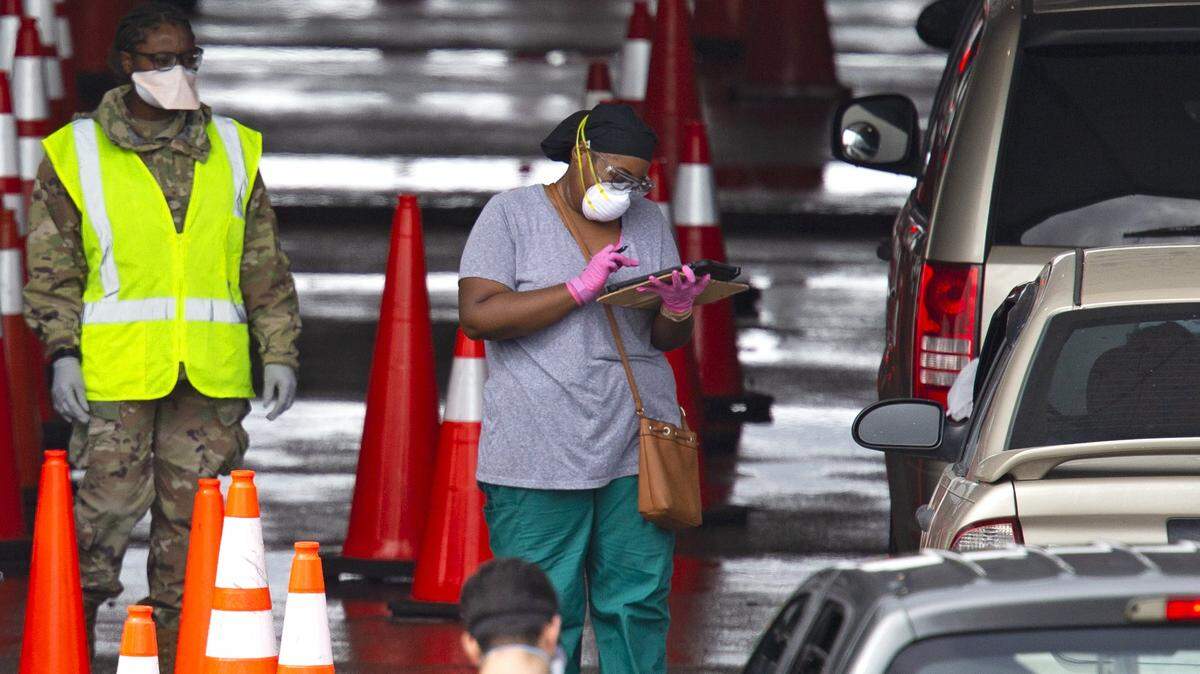
With Florida recently entering Phase 3 of its COVID-19 reopening plan, and as more businesses reopen, employers may face a variety of issues with allowing employees to return to the workplace. Employers may want their employees to submit to mandatory COVID-19 testing before returning to work. Additionally, with news of new vaccines on the horizon, employers may consider requiring their employees to be vaccinated before returning to work.
This leads to a series of questions, such as what happens if an employee refuses to submit to a COVID-19 test? If an employee tests positive, who does this get disclosed to? Can employers require mandatory vaccinations for COVID-19?
Q: What happens if an employee refuses COVID-19 testing?
A: According to the Equal Employment Opportunity Commission (EEOC), employers are generally permitted to require employees to submit to COVID-19 testing. The relevant federal statute is the Americans with Disabilities Act (ADA), which governs when employers may require employees to take medical examinations. Under the ADA, employers may only require employees to take a medical examination if the examination is job-related and consistent with business necessity. If the employer believes that a medical examination will discover a direct threat to others, then it is job-related and consistent with business necessity. According to the EEOC, tests for COVID-19 are intended to discover a direct threat, and thus, employers may require employees to take COVID-19 testing.
If an employee refuses to submit to a COVID-19 test, the employer should ask the employee about his or her reason for refusing the test. The reason could be medically-related. If the reason is medically-related, the employee may need a reasonable accommodation that will allow him or her to be tested. If the employee continues to refuse, then the employee may be barred from returning to work.
Q: If an employee tests positive for COVID-19, who does this get disclosed to?
A: Employers should keep all medical information about employees confidential. Documents with medical information about an employee should be stored separately from the employee’s personnel file, in order to ensure confidentiality. The employee’s supervisor may be informed of any medical conditions that impact an employee’s work. Thus, the employee’s supervisor may be informed if the employee must miss work due to a positive COVID-19 test. Employers should ensure that no other employees learn of the positive test.
Q: Can employers require employees to obtain a COVID-19 vaccination?
A: Employers may generally require employees to obtain a vaccination in order to return to the workplace. There is no federal law or state law in Florida that prohibits employers from requiring employees to obtain a vaccine. However, federal courts have found that, in some limited situations, an employer may not require an employee to obtain a vaccine. This could occur if an employee has a sincerely held religious belief against vaccination, or if the employee has a medical condition that prohibits him or her from obtaining a vaccination. Note that an employee may be required to be vaccinated if he or she has a personal, but not religious, objection to vaccination.
If an employee has a religious belief or medical condition that prohibits vaccination, typically the employer should consider a reasonable accommodation for the employee. It is unclear in our pandemic-stricken world whether a reasonable accommodation exists that could exempt an employee from obtaining the COVID-19 vaccination, and the law has not yet developed enough on the issue. Nonetheless, the employer may consider exempting such employee from the vaccination if accommodations could be made, such as keeping the employee separate from other employees.
During COVID-19, employers face many ongoing issues with ensuring that the workplace is safe as they continue to open. If employers have any questions about how to safely reopen, they should consult an attorney.
Andrew M. Gordon is a partner with the law firm of Hinshaw & Culbertson with offices in Miami and Fort Lauderdale. He focuses his litigation practice in the representation of management-side labor and employment matters. agordon@hinshawlaw.com. Daniel Eric Gonzalez is a labor and employment law attorney at the firm. dgonzalez@hinshawlaw.com.
==
--This is an opinion piece written for Business Monday’s “My View” space in the Miami Herald. The views expressed do not necessarily reflect those of the newspaper.
--Have a ‘My View’? If you have a point of view on a business topic you would like to share, consider writing about it for Business Monday. Pitch your idea to rclarke@MiamiHerald.com. Guidelines: Submissions should be around 600 words; should state a topic clearly, with supporting examples; and use examples drawn from South Florida. They should also be accompanied by a photo of the writer, emailed as a jpeg. ‘My View’ submissions that are accepted are published as space allows.