
Salmon fishing in Miami-Dade’s Homestead - and no rod required
Editor’s note: This story originally published in the Miami Herald print edition on March 16, 2020.
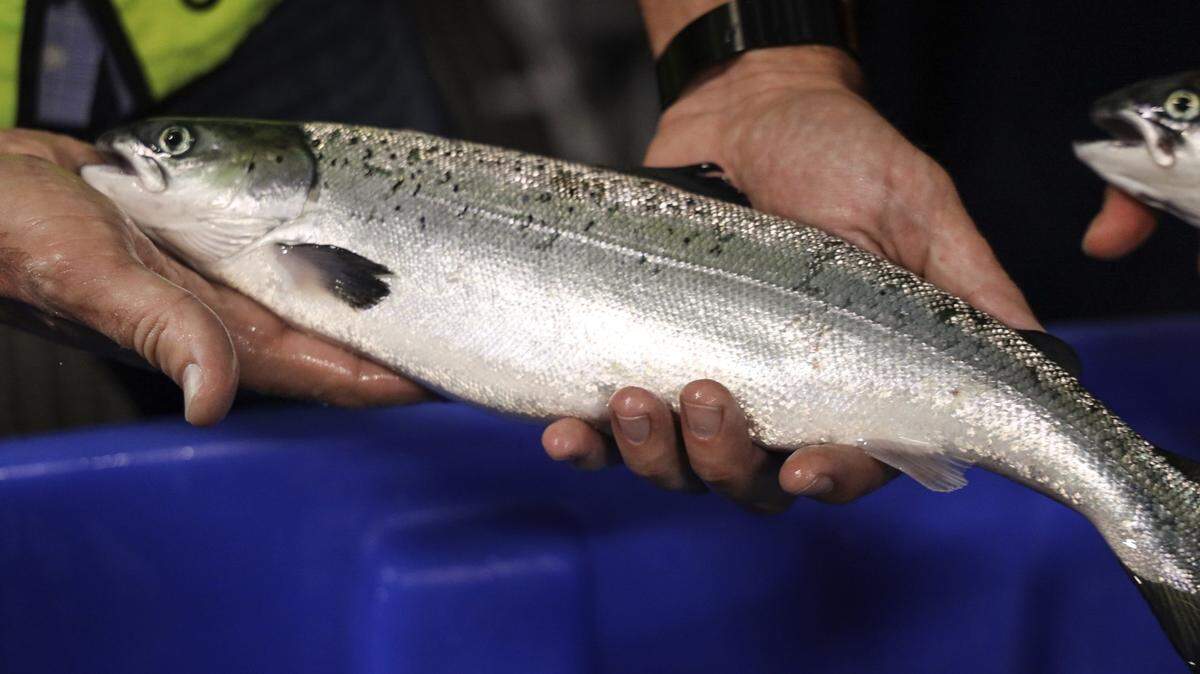
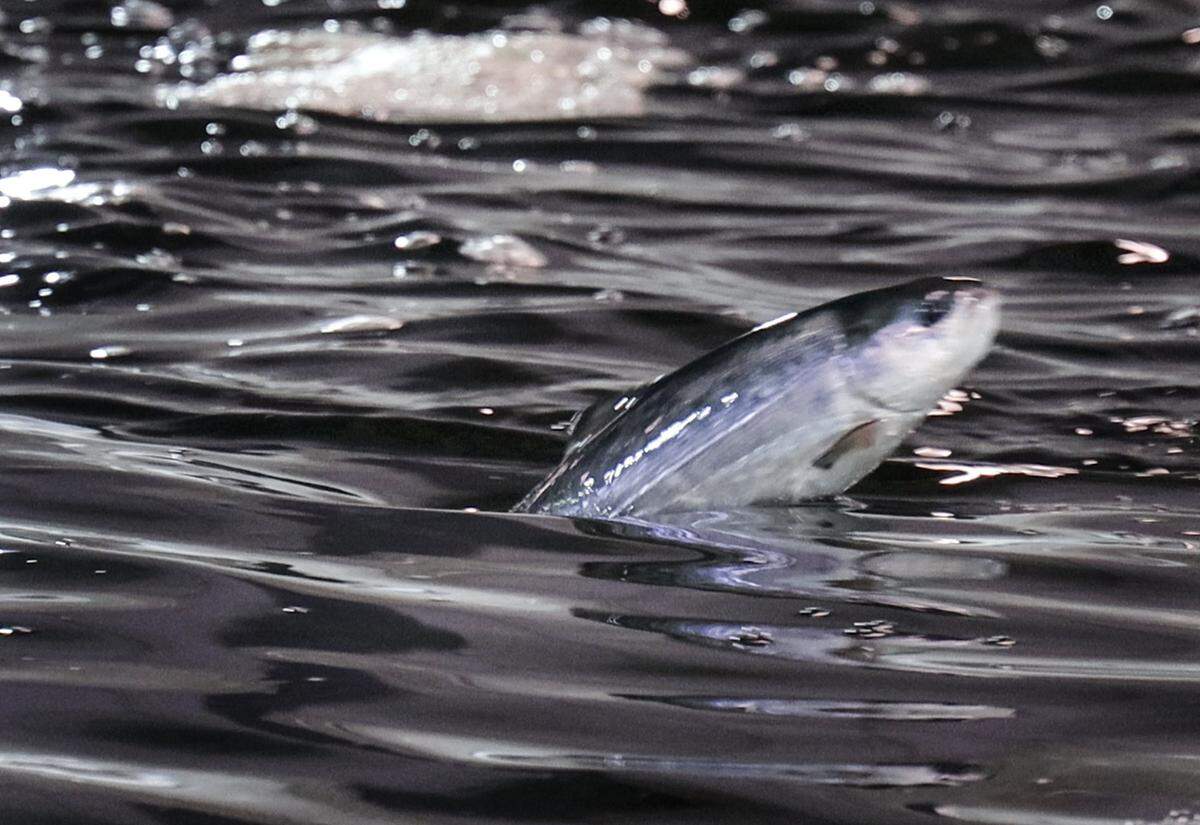
More than 3 million salmon have been born in Miami-Dade County. They are swimming and leaping as they grow to be healthy 10-pounders — for your dinner plate.
It’s all happening at what might be the world’s largest land-raised salmon farm rapidly nearing completion about 30 miles south of Miami. The vision is massive for Atlantic Sapphire, the young company behind the sustainable aquaculture farm rising in former tomato fields in Homestead.
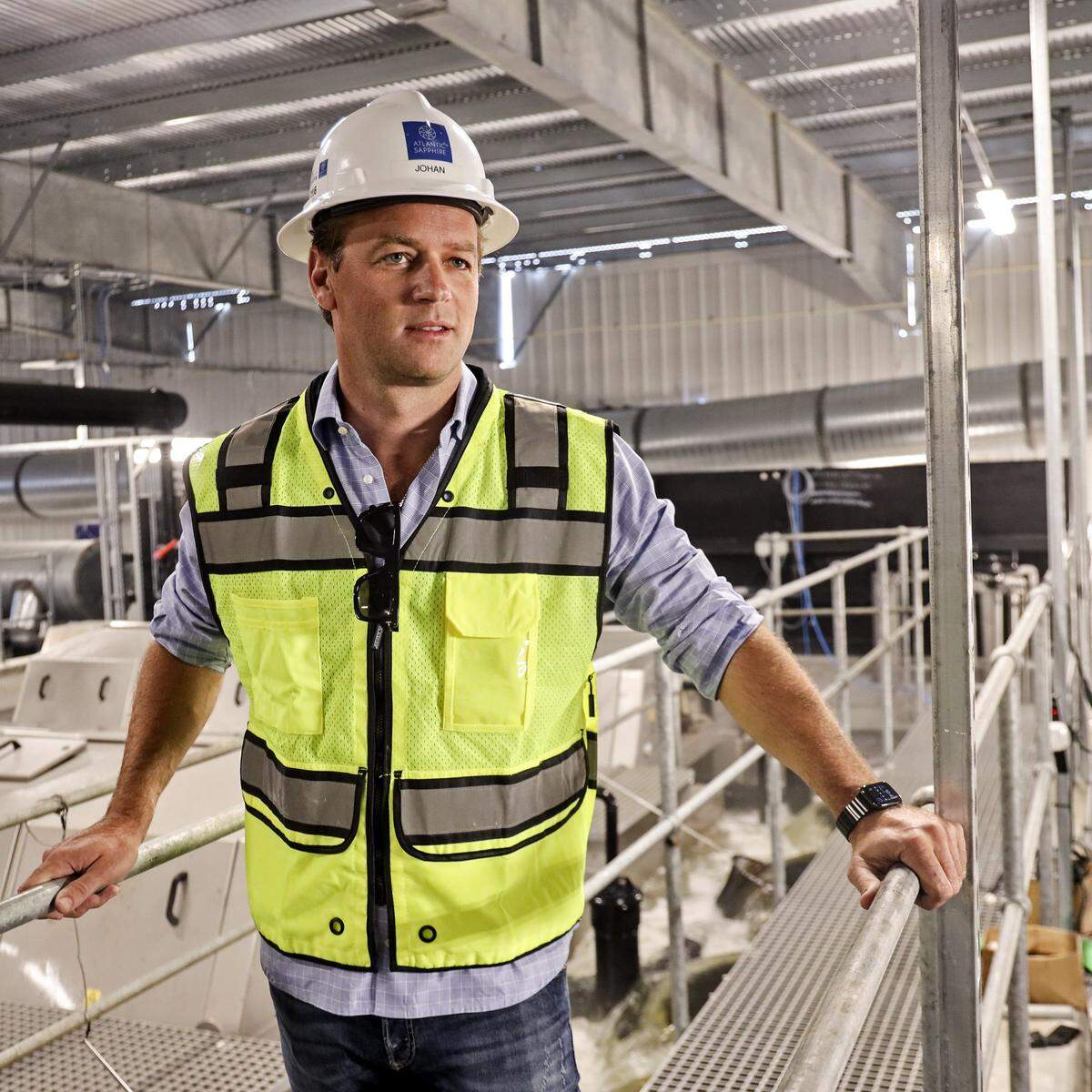
“The U.S. imports 95% of its salmon. We’re changing that,” said Johan Andreassen, co-founder and CEO of Atlantic Sapphire, in an interview. “This is the next level of salmon farming.”
The economic impact of Atlantic Sapphire’s new headquarters is also sizable. The four-phase construction project is projected to generate nearly 31,000 jobs by 2030, according to an impact study. What’s more, beyond construction work, Atlantic Sapphire already employs about 70 people to run the facility and it has pledged to create 237 positions with an average wage of $60,000 as the company expands.
Atlantic Sapphire and its aquaculture technology received more than a passing mention in Miami-Dade Mayor Carlos Gimenez’s 2020 State of the County address in January.
“Did you ever imagine South Florida would serve as the world’s largest site for salmon production? Well, we will soon be,” Gimenez said, in part. “Thanks to technology, these indoor farms will provide a secure food supply produced in climate controlled tanks free from micro-plastics. Technology can be disruptive but we are not running away from it. We are seizing this as an opportunity to create better jobs.”
PHASE 1 FULL OF FISH
If all goes according to plan, construction of phase 1 — a 390,000-square-foot climate-controlled facility where the salmon are hatched, grown and processed under one roof — will be wrapping up in about four months, about three years after breaking ground. Because the farm began bringing in eggs in late 2018, Q3 2020 is also when the first batch of salmon will be ready for harvest. “We’ve been completing construction ahead of the fish,” said Andreassen, a serial entrepreneur and lifelong salmon farmer.
Atlantic Sapphire plans to produce about 10,000 metric tons of fish in its first year of Florida production, but will be scaling up quickly. In fact, the company announced an accelerated build-out schedule last May. It now projects it will produce 95,000 metric tons of fish by 2026 and 220,000 metric tons by 2031. Put another way, 220,000 metric tons is nearly a billion salmon meals, said Andreassen, who previously founded, built and sold a successful salmon farm business.
The company says its fillets will make up 12% of the U.S. market for the protein-rich seafood by 2026, with demand continuing to grow as Americas are eating healthier. From Miami, a salmon could be harvested on a Monday and be on your plate in New York on a Tuesday, fresh from Florida.
From an environmental perspective, this is also significant. Now nearly all the salmon comes from farming regions like Norway, Chile and the northern Atlantic and is flown into the United States. That’s a lot of air miles.
“The minute you put a piece of protein into the airplane, your carbon footprint goes to the sky,” Andreassen said. From Miami, Atlantic Sapphire’s salmon will be trucked to locations around North America.
GREENHOUSE FOR FISH
Atlantic Sapphire calls its technology Bluehouse because it’s like a greenhouse with ideal growing conditions, but for fish. Organic land-based salmon farming in indoor, climate-controlled facilities is an emerging industry, and Andreassen argues, will be a different category for salmon that is milder and tastier. No hormones, antibiotics and pesticides are used.
What’s more, most farmed salmon is raised in nets in the ocean, where it can be exposed to sea lice, diseases, predators and micro-plastics. Domesticated salmon can escape, disrupting the ocean’s ecosystem. This all comes as more Americans are buying more healthy, organic foods and want to know where their food has been.
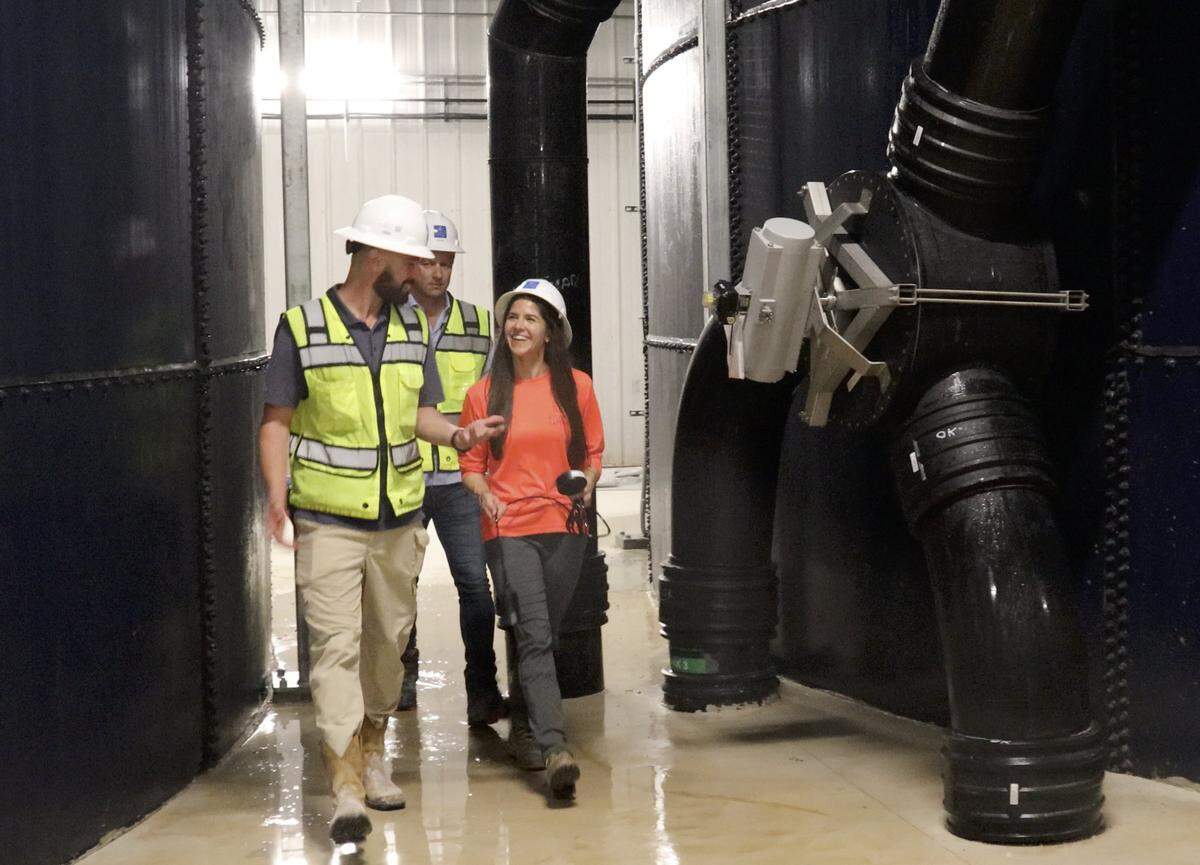
Atlantic Sapphire’s technology is based on a recirculating aquaculture system, or RAS, where the water is filtered continuously. The fresh and salty water is piped in from Florida’s aquifer system. About 95% of the water used comes from the sea; it’s not the water we drink, Andreassen said. Treated wastewater is pumped 2,750 feet underground to the earth’s boulder layer, not released into the sea.
“Salmon farmed worldwide in indoor recirculating tanks, with wastewater treatment, is a ‘Best Choice’,” said Ryan Bigalow, senior program manager of the California-based sustainable seafood advisory organization Seafood Watch, referring to its recommendation ratings for consumers. “Indoor recirculating systems tend to have low chemical use. There’s a low risk of disease transmission to wild species when fish are farmed in indoor recirculating tanks because it’s not common for disease outbreaks to occur. There is also little to no chance of interaction with wild populations, further improving the score.”
WATCHING THE FISH GROW
Atlantic Sapphire has been working on its technology for 10 years and has been perfecting its methods at a much smaller RAS farm it built as an innovation center in Denmark. The facility puts out commercial volumes with excellent flavor as vetted by the market acceptance of top restaurants in New York, said Jose Prado, Atlantic Sapphire’s chief financial officer. “The facility has changed the industry forever — there’s no turning back.”
Atlantic Sapphire put what it has learned in Denmark to work in South Florida.
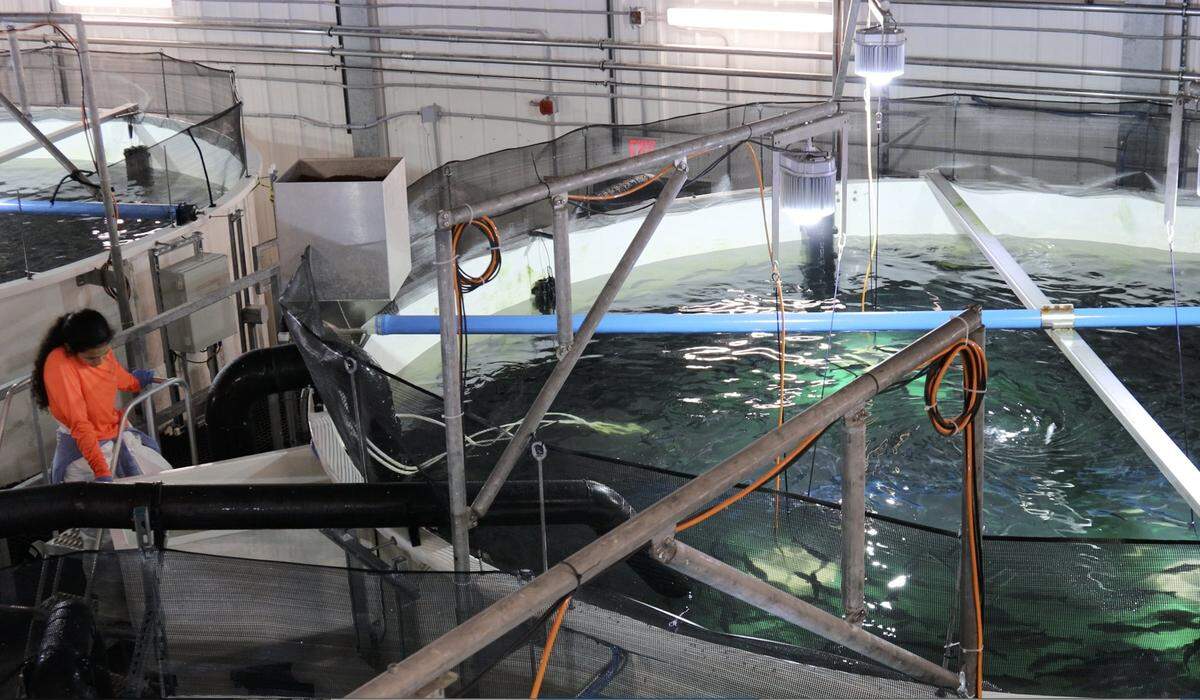
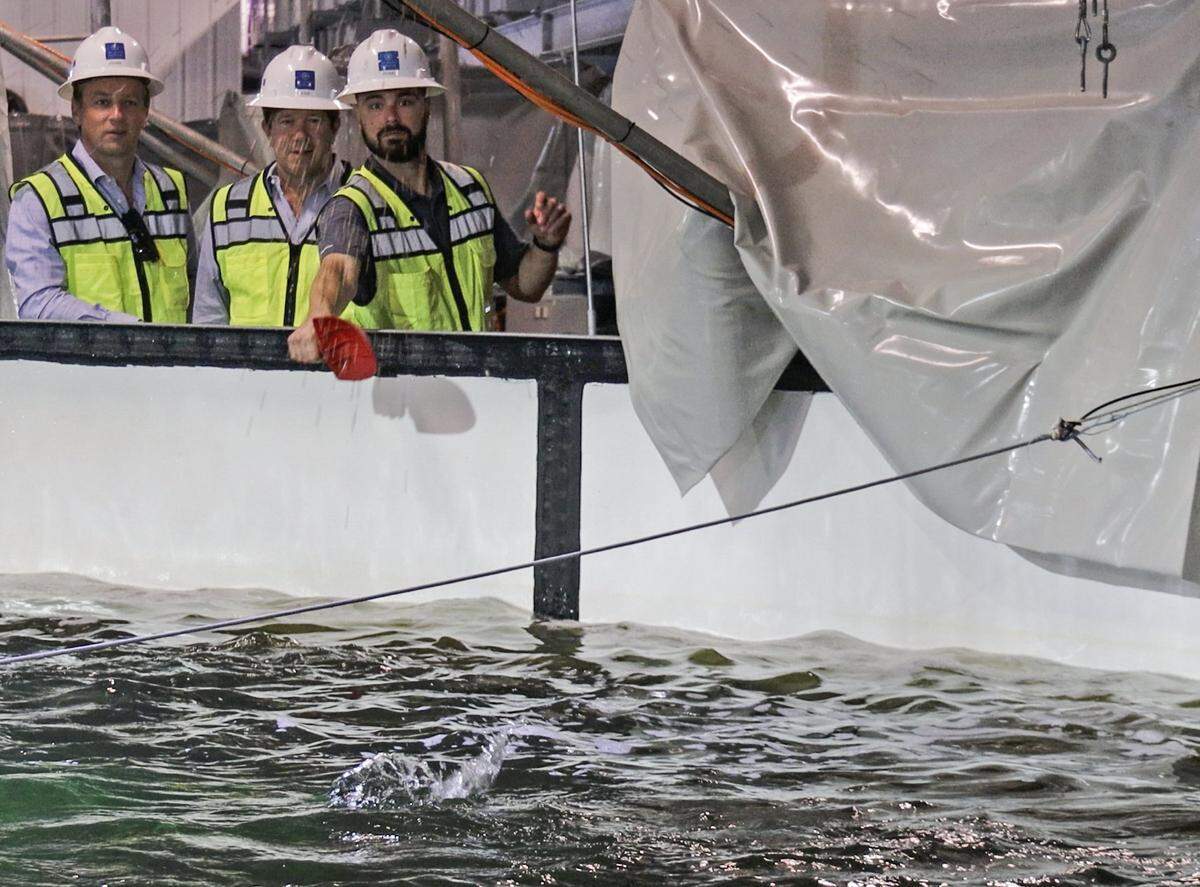
In the Miami facility, about a half-million eggs sourced from Norway and Iceland are put in the facility’s fresh-water hatchery every seven weeks. As salmon hatch and grow, they swim through tubes to larger and larger tanks, the biggest ones holding 450,000 gallons of salt water. Currents are created from filtration and also replicate the wild environment of salmon, which are born in rivers, swim to the sea to grow and then return to the rivers to spawn.
“Salmon in nature is swimming its entire life. It never stops. We create currents inside the facility so the fish get exercise the same way they get in the wild. We tried to create a tailor-made environment and green lights help them see the feed,” Andreassen said.
Once the fish get to about 10 pounds, a process that takes about 20 months, they will be funneled into the processing plant, where the salmon are filleted and sold. Plans are for most to be sold fresh.
In late February, the 3 million salmon of various sizes were swimming and jumping in tanks as staff fed them. The largest were 3 or 4 pounds, and likely will be 10 pounders in July.
WHAT’S AHEAD?
The fillets that land on your plate are only about 60% of the fish. In the future, Atlantic Sapphire plans to develop ways to use 100% of the fish, such as in Omega 3 oil, calcium and fish meal products, Prado said. The company also plans to use biodegradable packaging, and it is looking into ways to lower energy usage through renewables, as 24-hour recirculation and filtration and keeping water to 59 degrees can run up the power usage.
“In the future, we will work on building an oxygen generation facility, possibly a feed plant, possibly a biogas facility, and we are always going to looking to increase the amount of renewable energy in our consumption pattern,” Prado said.
“It’s too early to publish greenhouse gas metrics and carbon production metrics, but our aim is to do so.”
As for competition, 40 to 55 startup land-based salmon farms are in development around the world, many still in the planning stages, according to industry estimates. Obtaining financing to build such capital intensive farms is a large hurdle, and companies such as Atlantic Sapphire are improving their odds by getting investors on board. Denmark’s Nordic Aquafarms and Whole Oceans have also secured some financing to develop smaller land-based farms in Maine, according to the trade publication Undercurrents.
Indeed, Atlantic Sapphire’s 220,000-ton projection for 2031 surprised a lot of players in the global industry when it was announced last May. Norwegian bank DNB’s lead analyst, Alexander Aukner said he believed that land-based salmon farm industry could deliver 341,000 tons of production by 2025, up from 8,000 tons in 2019, according to the Undercurrents report. Yet predictions are risky because the new technology hasn’t been proven at a large scale.
THE U.S. MARKET
The U.S. salmon market is the world’s biggest. But on a per capita basis, Europeans eat much more salmon. Still, the U.S.’s annual per capita consumption jumped 5.8 percent to 2.5 pounds per capita in 2018, after rising 11 percent in 2017, according to the National Fisheries Institute trade group. A number of health studies have confirmed that high fish consumption correlates to a lower incidence of heart disease, according to the National Institutes of Health.
Atlantic Sapphire ran focus groups with American consumers and chefs. “The fish tastes milder, it is less fishy, so even consumers who are not regular fish eaters tend to like this salmon,” Andreassen said.
To meet the U.S. demand, Atlantic Sapphire has raised $300 million in debt and equity investment, the company said, and trades on Norway’s stock exchange. Last month, Miami-Dade County announced it had approved $5 million in grant funds through the county’s Targeted Jobs Inventive Fund program for the second phase of Atlantic Sapphire’s aquaculture farm. A condition of the funding, paid out over 10 years, is that the company create at least 237 jobs paying an average of at least $60,000 a year.
Currently, Atlantic Sapphire employs about 70 employees in Miami facility and likely add another 80 before the end of the year. All but one of the company’s executives are based in Miami, as well as most of its employees and assets.
According to Miami economist Antonio Villamil of Washington Economics Group, who did an updated economic-impact report on the project in 2019, the construction on the first phase of the project is expected to generate 3,539 direct and indirect jobs by 2021. Throughout the development and construction of all four phases planned by 2030, plus operations, the economic impact on Miami-Dade jumps to nearly 31,000 jobs and over $2 billion annually by 2030, the Washington Economic Group’s report said.
By the time Atlantic Sapphire’s Phase 1 is complete in a few months, the company will have poured about $180 million into the construction; the company has not released a cost estimate for the entire project. Phase 2 construction will get underway, and phases 3 and 4 are planned after that. In all, the company has room to grow: It owns 160 acres — 80 of those were purchased last year — and is currently using about 40. The land not being used by the fish farm is being leased to local growers for crops.
Later this year, if all goes according to plan, consumers will see Atlantic Sapphire’s “Bluehouse” salmon on restaurant menus and in grocers, fresh from Florida. It will cost a little more, Prado said. “We are targeting approximately 20% above the prices at the fish counter. We believe it is a superior product, it has better taste, it’s healthier, it’s more environmentally correct and it costs a little more for us to do it.”
Andreassen sees “Bluehouse” becoming a brand in demand. “If people want to buy it, they just have to ask for Bluehouse salmon, that’s the way it is going to be.”
Contact the writer at ndahlbergbiz@gmail.com and follow her on Twitter @ndahlberg.