Brightline, Cuba, Allapattah and your wallet: These were the top business stories of 2019
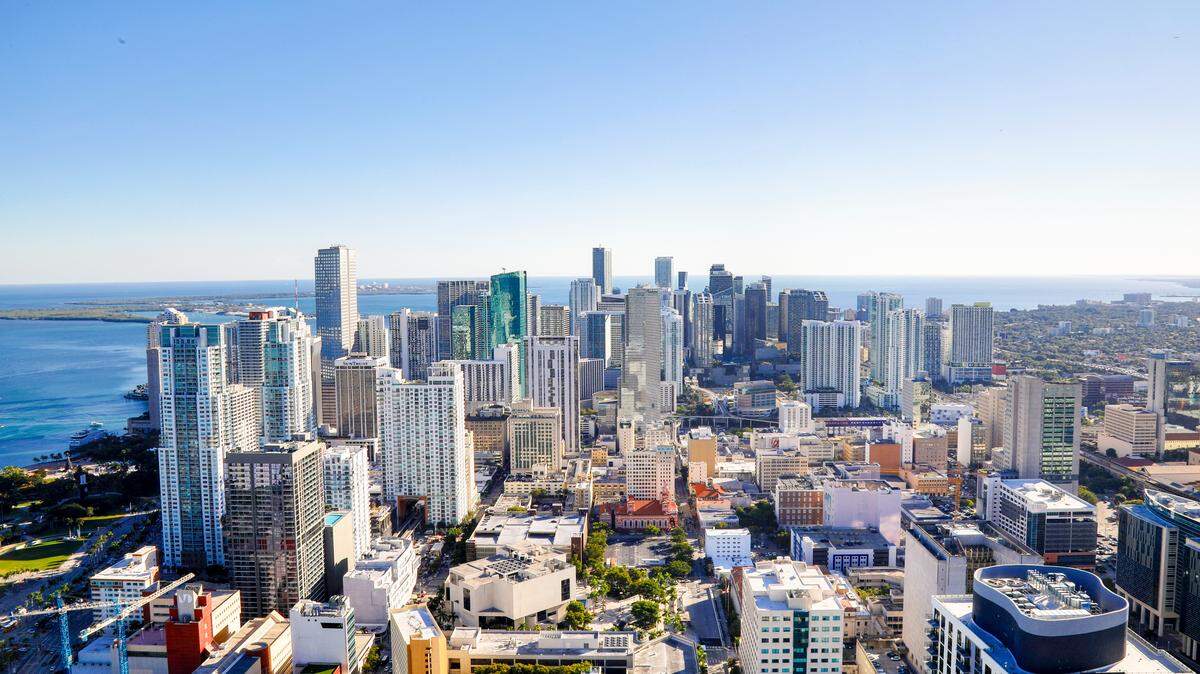
When looking back on the year in business in 2019, one may find a pivotal moment in South Florida history: Events showed the region becoming the true global destination boosters have long sought to transform it into.
Exhibit A: Softbank, the world’s largest venture investment fund, announced it was hiring for a hundred-odd local positions in a new Brickell office. That office is also the home of Softbank’s Latin America fund, a $5 billion effort to invest in potential unicorns across the Spanish-speaking world.
Exhibit B: The trickle of northerners moving to South Florida turned into a steady stream, as the impact of the elimination of state and local tax deductions began to kick in. And the movers aren’t the retirees of yore; many are moving, or creating, entire businesses, thus spurring further investment. This boomlet is, in turn, boosting Miami’s allure as a destination for big spenders the world over. And that has helped balance out slower growth from Latin America.
These kinds of trends are helping transform the very face of the city itself. The now-permanent snowbirds are creating new real estate hotspots in Miami Beach, downtown and Brickell. Meanwhile, previously neglected areas like Allapattah now teem with new investment; Wynwood, meanwhile continues to draw worldwide attention as a bleeding-edge arts and retail hub.
This current fervor feels far removed from a decade ago. In the aftermath of the housing collapse, construction was at a standstill, unemployment was near 12% and Miami-Dade’s median household income was $40,000 — about $10,000 less than today.
While the local economy is far more vibrant now, the decade-long transformation to global magnet has come at a cost. Many who call the region home continue to live paycheck to paycheck, as the cost of living climbs steadily higher. While the overall population continues to grow, it is doing so at a slower rate, especially compared with other major metros in Florida. Were it not for the ongoing wave of immigrants, the region’s population would be at a standstill.
Here, we look back at 10 stories that helped make 2019 a remarkable one.
LEGAL TAX HAVEN?
What started as a trickle has now turned into a steady stream of northerners — and especially New Yorkers — taking up permanent residency in the Sunshine State, and South Florida in particular. The intensifying trend has been driven by a federal cap on state and local tax deduction — making states like Florida, which has no income tax, all the more appealing. President Donald Trump’s announcement that he would become a permanent Palm Beach resident garnered the biggest regional headlines; closer to home, legendary Wall Street tycoon Carl Icahn, already a longtime snowbird, announced he would be moving his entire Icahn LP corporation to Sunny Isles. The result is a virtuous cycle of investment in the Miami-area as business and social acquaintances build up the area’s reputation and convince others to make the flight south.
— ROB WILE
DOWNTOWN JUMPSTART
The $4 billion Miami Worldcenter development, initiated in 2005 by developer Nitin Motwani, completed its first phase with the opening of Caoba, a 43-story, 444-unit apartment rental building at 698 NE First Ave., and Paramount Miami Worldcenter, a 60-story, 569-unit condo tower at 851 NE First Avenue.
More than 80% of the apartments at Caoba are leased at rents ranging from $1,500-$2,000. About 90% of the Paramount condos, which range in price from $750,000 to $10 million, have been sold.
Nearly 150,000 square feet of retail space at the 27-acre development — one of the largest mixed-use developments in the U.S. — has been delivered to tenants for build-out. The initial roster of national and local tenants will be announced in 2020.
Currently under construction or preparing to break ground at the site are the 431-unit apartment building Luma; a 45-story Hines office tower; a 1,700-room Marriott Marquis; and the 351-room citizenM boutique hotel.
The last vacant block in the massive “city within a city” development, a parcel of land measuring 2.18 acres, was offered for sale in October at an undisclosed price.
— RENE RODRIGUEZ
WYNWOOD 3.0
The latest wave of gentrified-fueled development in hipster-haven Wynwood was completed this year. The Related Group’s 289-unit Wynwood 25, the first new apartment building launched since the Wynwood Business Improvement District relaxed its zoning and density restrictions in 2015, opened its doors in June; some 70 percent of its micro-units have been leased to date. Rents range from $1,697-$6,000 for studios, one-, two- and three-bedrooms. Another Related Group residential building, the 175-unit Domio Wynwood at 51 NW 26th St. (formerly known as The Bradley), was leased out in its entirety by the New York-based hotel brand, which will use the apartments as hotel rooms.
The neighborhood also added two Class-A office buildings: The 60,000-square-foot Wynwood Annex at 215 NW 24 St. and the 86,000-square-foot Cube Wynwd at 222 NW 24th St.
Response from prospective office tenants has been slow, but developers believe the desire for commercial space in the neighborhood will grow as other projects are completed. These include the 143-unit luxury condo building by the clothing giant Diesel; two co-living buildings, including one by the London-based developer The Collective; and Wynwood Green, an 11-story, 189-unit apartment building at 56 NW 29th St., the former location of O Cinema Wynwood and Wynwood Yard.
One way to measure the amount of investment being poured into the neighborhood: Developer Tony Goldman paid $42 per square foot in 2007 when he bought the initial 38,000 acres that now house the Wynwood Walls. In August, developer Property Markets Group and the Toronto-based Greybrook Realty Partners paid $46 million for a 1.6-acre parcel on NW Second Ave. — or a whopping $660 per square foot.
— RENE RODRIGUEZ
ALLAPATTAH RISES
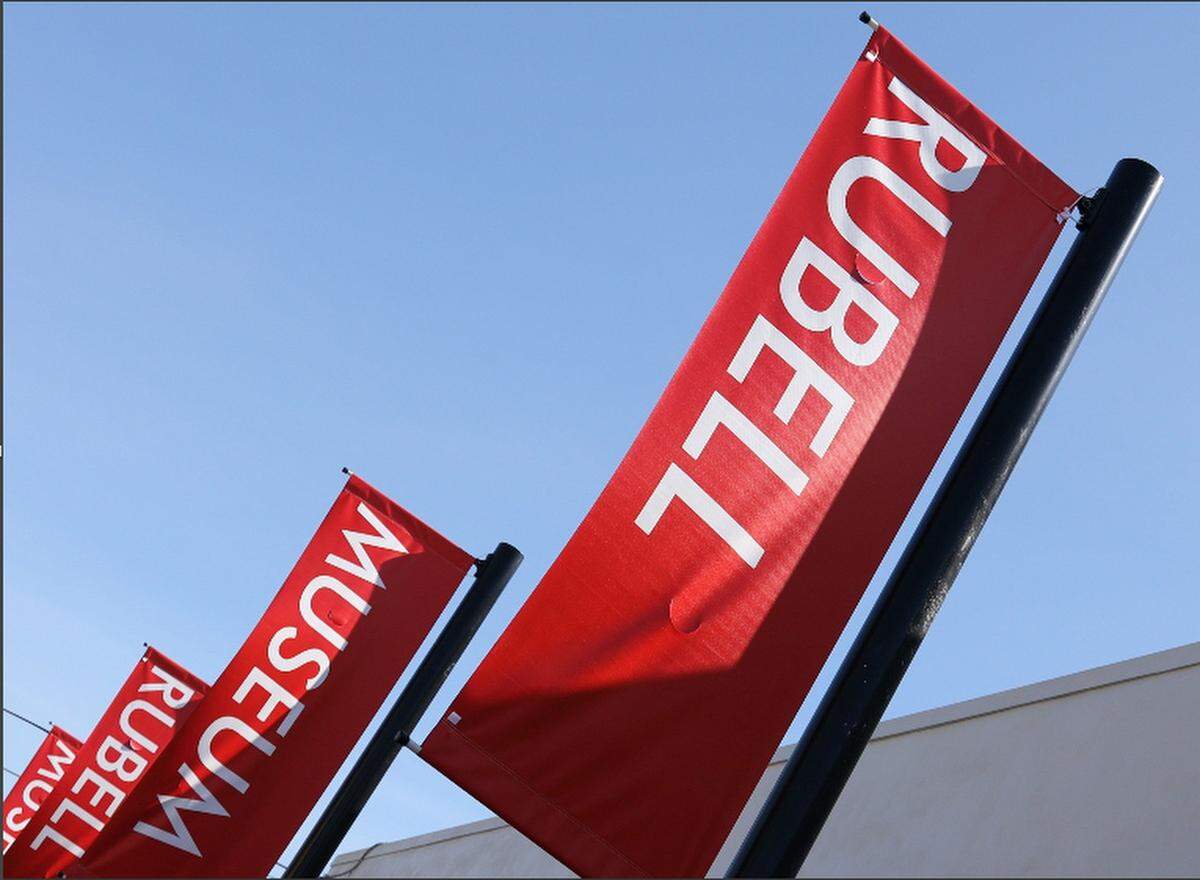
The working-class barrio of Allapattah cemented its place as one of Miami’s next hot ‘hoods. At the end of the year, the Rubell family, among Miami’s highest-profile art collectors, opened their new museum in a set of former food warehouses with a blockbuster exhibit. That was just weeks after developer Jorge Perez opened his own art museum, called El Espacio 23, to the public with a politically charged show drawn from his own collection. And earlier in the year, the Miami commission approved a massive redevelopment, designed by Danish superstar architect Bjarke Ingels, that would float towers on stilts over the repurposed warehouses of the Miami Produce Center — the new home of an instantly popular outpost of Brooklyn’s Hometown Barbecue.
— ANDRES VIGLUCCI
HOUSING HOPE?
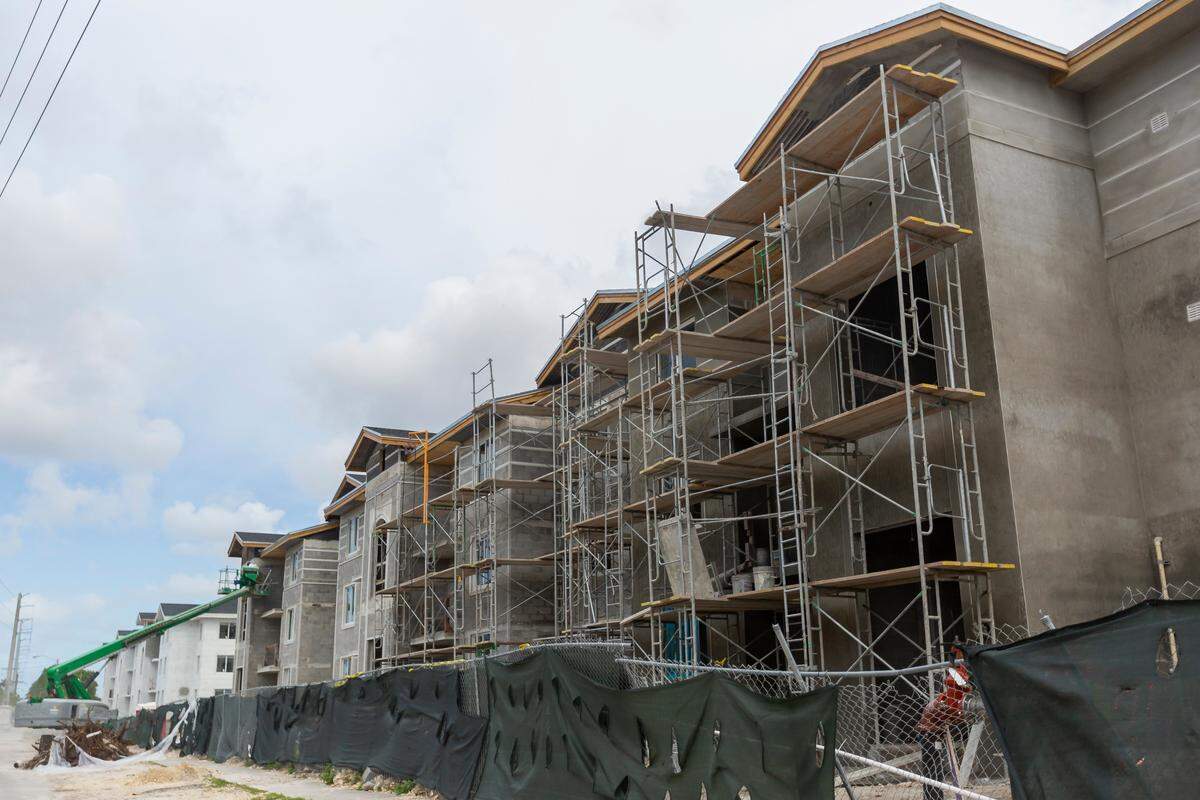
Miami’s housing affordability crisis continued to worsen — but the first concrete results of major initiatives by local and county governments to address the problem also came to life this year.
The first phase of the $300 million Liberty Square development, a partnership between developer Related Urban Development Group and Miami-Dade County, opened its doors on July 1. Located on the northwest corner of NW 15th Avenue and 67th Street, the new construction added 73 public housing units and 121 affordable housing units to the economically deprived neighborhood.
When completed in 2023, Liberty Square will house a total of 1,455 units of all price ranges, from public housing to market-rate, and will include commercial components such as a Publix supermarket.
In November, the county announced another private-public partnership with developer Related Group. The $600 million River Parc project, on NW Seventh Street near Marlins Park, will transform 22 acres of crumbling senior housing in Little Havana into an urban neighborhood with 2,600 apartments of all price points. Like the Liberty Square project, none of the current residents in the area will be displaced.
Expected in January 2020 are two affordable housing master plans, one for the City of Miami and another for Miami-Dade County, that have been prepared by Florida International University’s Metropolitan Center in conjunction with housing groups such as Miami Homes For All and the University of Miami’s Miami Housing Solutions Lab.
— RENE RODRIGUEZ
SOFTBANK LANDING
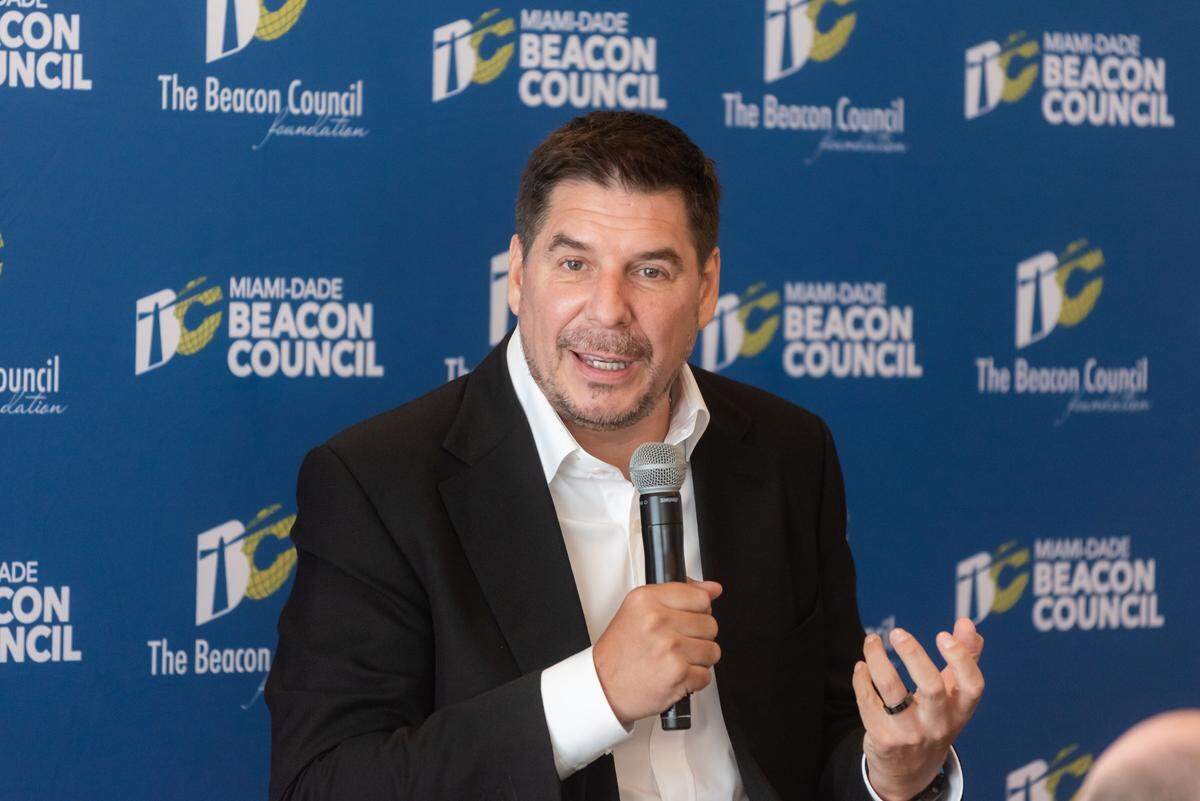
Softbank’s arrival in downtown Miami and the launch of its $5 billion, Latin America-focused fund this year helped further the city’s narrative that it is now a global player when it comes to attracting high-level, tech-oriented talent. Leading the local charge is Softbank COO and Softbank International CEO Marcelo Claure, who returned home to Miami-Dade from Tokyo as one of the most powerful Hispanic business leaders in the world. Softbank gained headlines this year as it took over WeWork — now among the largest commercial lessors in Miami-Dade — in order to stabilize the co-working giant’s finances. But WeWork represents just one point in Softbank’s galaxy of investments, which now include Uber, Colombia-based delivery app Rappi and Brazilian lender Banco Inter SA.
— ROB WILE
BRIGHTLINE MOVES AHEAD
The Brightline express train, which currently runs roundtrip from Miami to Palm Beach, broke ground on a $4 billion, 170-mile route to Orlando in May. It’s the route the company has maintained in financial filings will bring the passenger service to financial stability, as it projects ferrying hundreds of thousands of passengers each year from South Florida to the outskirts of the Magic Kingdom, and possibly to Disney itself.
The company, soon to be rebranded under the Virgin moniker, also announced it would be opening at least three new stops in the new year, in Boca Raton, Aventura, and PortMiami. Unfortunately, the number of fatalities along the rail line remained steady in 2019, drawing scrutiny from Tallahassee; the company has not been found directly at fault and said it is working to prevent further incidents.
— ROB WILE
CUBA BLOCKADE
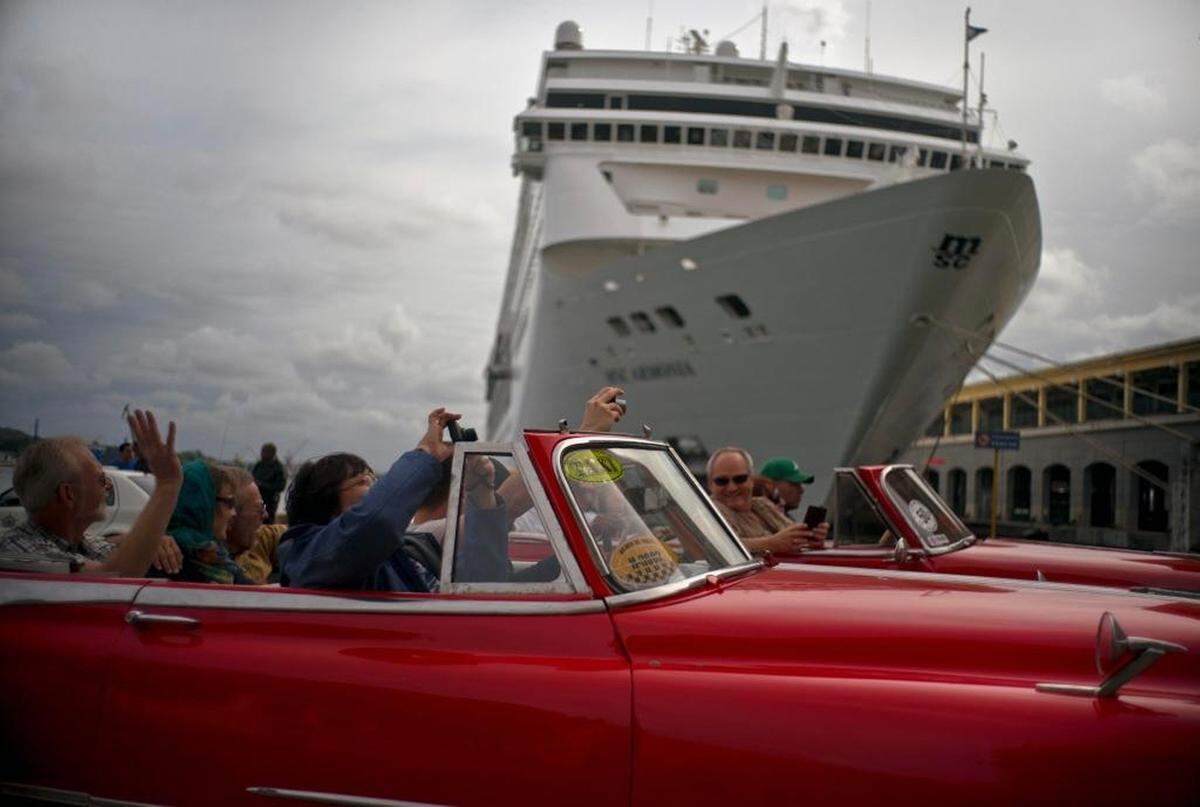
The Trump administration abruptly banned cruises to Cuba in June in an attempt to punish the Communist nation for its support of the Venezuelan government. The move was a direct reversal of an Obama-era policy that allowed cruises to Cuba for the first time in 50 years. Miami-based cruise companies were caught by surprise and had to re-route their ships immediately to other Caribbean ports.
For five months, Cuba’s ports did not get any cruise traffic; this fall, European-based cruise companies started to return. The Cuban government estimates that the change in policy will result in half a million fewer visitors to the island in 2019 compared to 2018.
— TAYLOR DOLVEN
MORE JOBS THAN EVER
It’s a question still asked at dinner tables around the country: If the economy is doing so well, why does it feel like personal finances remain stuck in neutral?
The data tell the story: Unemployment hit an all-time low of 3.0% in the Miami metro area in October, which includes Miami-Dade, Broward, and Palm Beach counties. The number of people employed in the area likewise hit record levels — more than 2.7 million in 2019. Yet approximately half of households in Miami-Dade remain rent burdened, meaning they pay more than 30 percent of their income towards rent or mortgage expenses; in Broward the figure is approximately 45%.
Even as the area’s labor force continues to diversify towards higher-skilled work, median household income growth slowed for the first time in six years. This year’s local United Way ALICE report, which documents households deemed asset limited, income constrained but still employed, showed 59% in Miami-Dade are in poverty or are just one emergency away. And the local cost of living continues to rise; according to the U.S. Bureau of Economic Analysis, it’s now at least 15% more expensive to live in the Miami metro area than it was in 2008. As the nonprofit stated: “Despite the overall improvement in employment and gains in median income, the economic recovery has been uneven as ALICE households continue to face challenges from reduced work hours, low wages, natural disasters and shortages in affordable and workforce housing.”
— ROB WILE
INCOMPARABLE LOSS
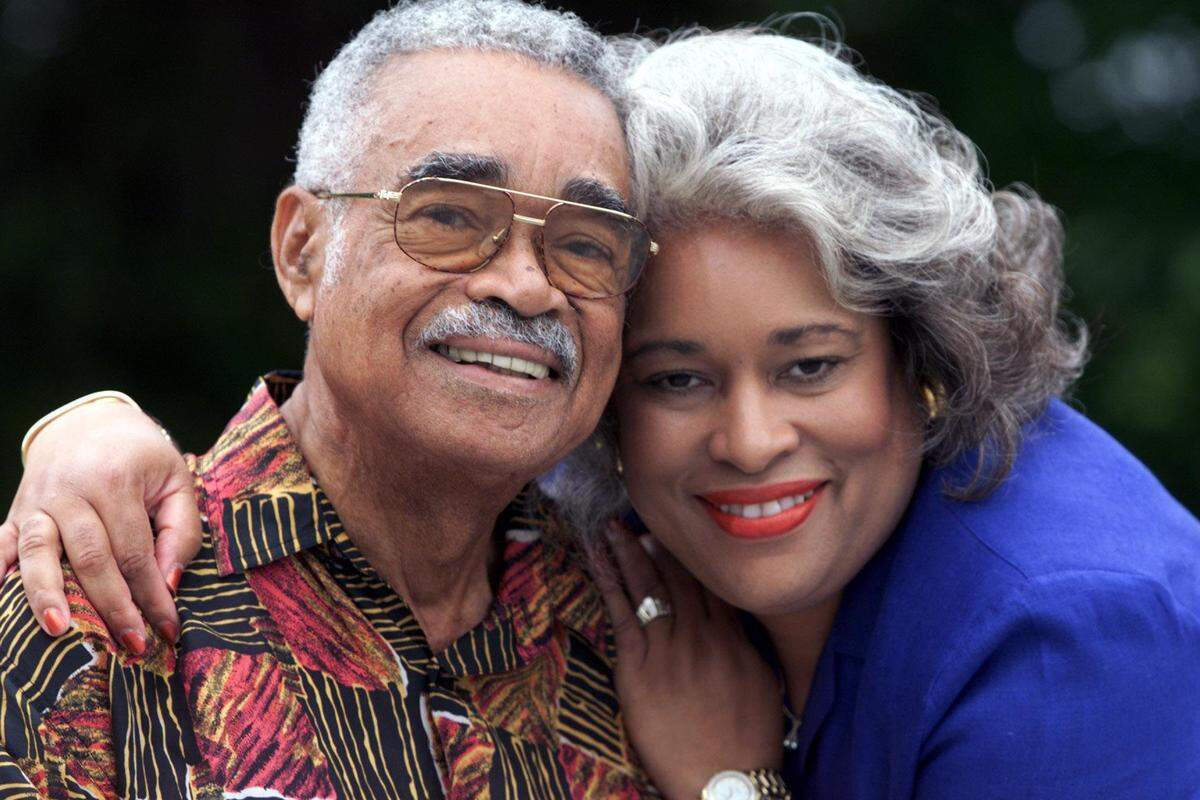
The area lost two giants with the deaths of Garth Reeves, the retired newspaper publisher who was called “the conscience of the black community,” and Maurice Ferré, the former mayor widely regarded as the father of modern-day Miami.
Reeves, the activist publisher of The Miami Times, died in November at 100. Reeves gave voice to the aspirations of black Miamians during several tumultuous decades, including the Civil Rights Era and the Liberty City riots of 1980 and their consequential aftermath. The Overtown native, who took over the paper his father had started, was one of the first blacks to be admitted to the city’s business and civic elite, and used that role to advance the black community’s interests.
Ferré, the scion of an aristocratic Puerto Rican family, died in September at 84. For 12 transformational years, from 1973-1985, he served as Miami mayor, setting in motion a new urban and international vision of the city that underpins today’s global metropolis. The city’s first Hispanic mayor and the first Puerto Rican-born mayor of a major American city, Ferré was also known as a champion of Miami’s black community.
— ANDRES VIGLUCCI
This story was originally published December 27, 2019 at 6:00 AM.