‘If I want to weigh myself, I go to Publix.’ Is a century-long tradition ending?
John Bonaby has a mission when he goes to the supermarket. And it’s not necessarily the BOGOs in the aisles or the new products on the shelves.
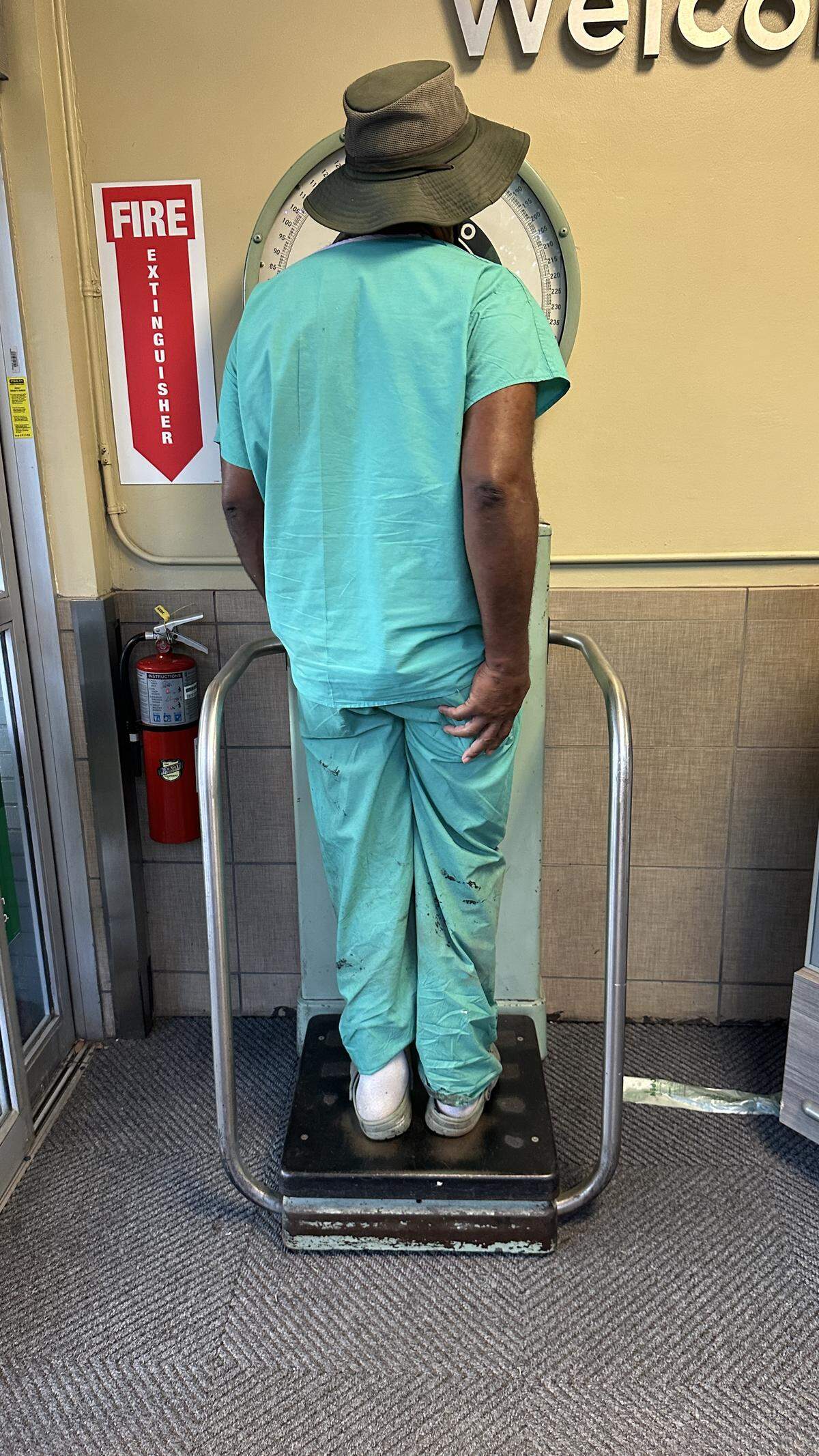
“If I want to weigh myself, I just go to Publix,” the 61-year-old shopper said as he clutched two plastic bags of groceries near the front of the Monza Avenue store in Coral Gables on a recent weekday afternoon.
This is where something as familiar as the green in the store’s logo looms large — the scale. Especially for a generation that came of age shopping with their parents at Florida’s largest grocer.
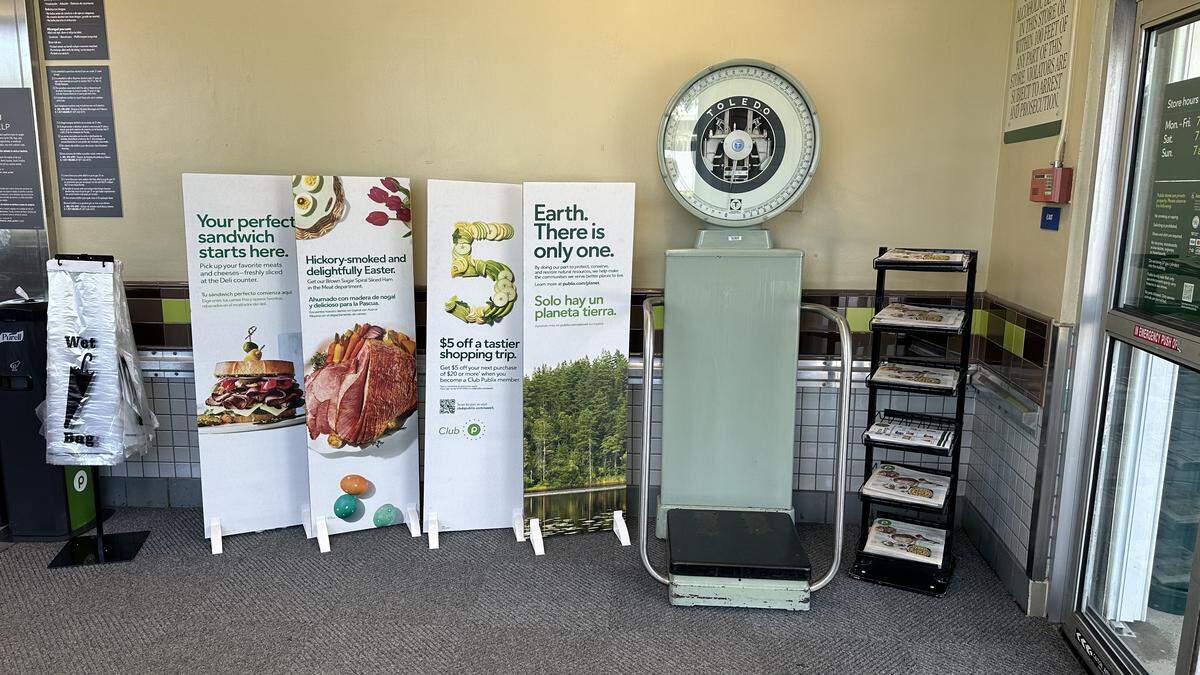
Back then, in every Publix, shoppers would find an oversized green scale proudly perched by the door of every store. Founder George Jenkins placed his “people weighers” in the front of his stores nearly 100 years ago, in 1930.
But now, the days are numbered for those signature scales.
“The manufacturer ceased production in 2015, meaning that one day — although our wonderful repair shop keeps our remaining machines in great shape — the last Publix scale will retire,” said Publix spokeswoman Lindsey Willis.
PHOTOS: See the supermarket in the days before Pub Subs and BOGOs
New Publix stores are opening at a fast clip — a block-sized Publix made its debut at Riviera Plaza across the street from the 60-year-old Monza store last fall, for instance. A Fort Lauderdale area store is on the way soon. The 40-year-old Palms at Town & Country Publix was closed in January for the rebuilding of a larger, more modern store. Same deal for the Doral Park Publix on 41st Street.
The sprawling Riviera Publix doesn’t have a scale. Most of the other new stores won’t have one either.
A scale that sat inside the vestibule of the Pinecrest Publix on South Dixie Highway since opening in 2012 was recently removed for repair. That one is coming back soon, Willis said.
A scale remains inside the Publix at the 1970s-era Kendall Mall on a busy intersection down the block from Miami Dade College. A couple giggling teens popped on and off that scale recently, pleased, apparently, by the reading.
“It’s just one of those things. It’s a tradition,” Bonaby, 61, said, as he stepped off the scale’s base at the Monza store that registered his weight. He smiled. 227. “My weight is normally 231,” he said.
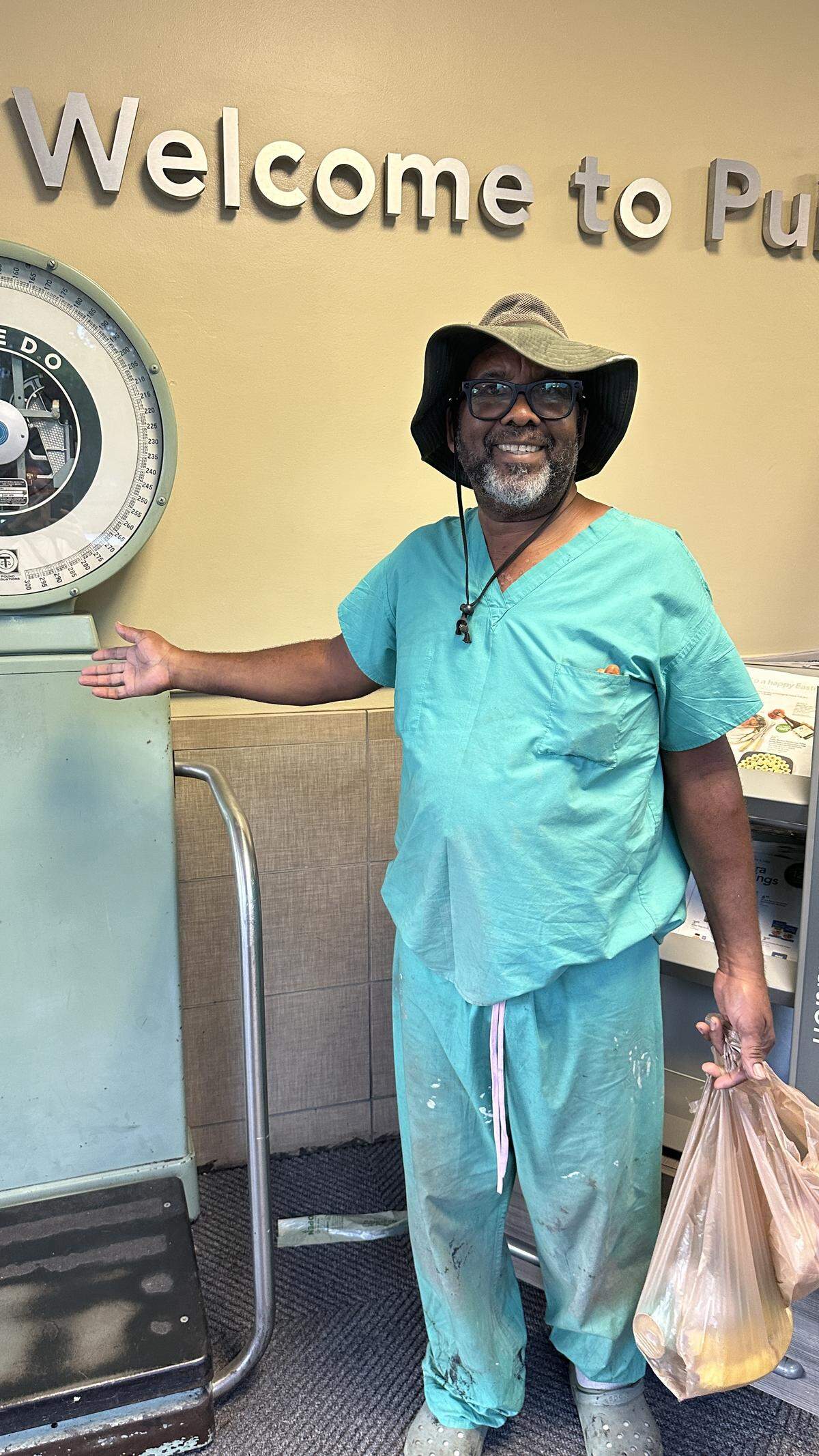
Bonaby ventured a ways to get here, driving by dozens of Publix stores, some with scales, some not. He was about 35 miles from his Fort Lauderdale home after a job paving a customer’s driveway in Coral Gables.
“Two things I do: if I need to use a bathroom, anywhere, I find the nearest Publix. And if I want to weigh, I go to Publix. Or if I want to check my blood pressure. These are very important,” he said.
Most Publix stores also have blood pressure machines near the pharmacy. They can also record your weight.
The traditional scales, however, “are very important,” Bonaby said. “I trust the scale in Publix. So they move those, a lot of people are going to be kind of lost. It’s convenient. I have a scale at my house and my kids take it. I have it in my bathroom. They take it and they put it in their bathroom. And by times I go to use it, the battery is dead or whatever. So I just come to Publix.”
How the Publix scales got their start
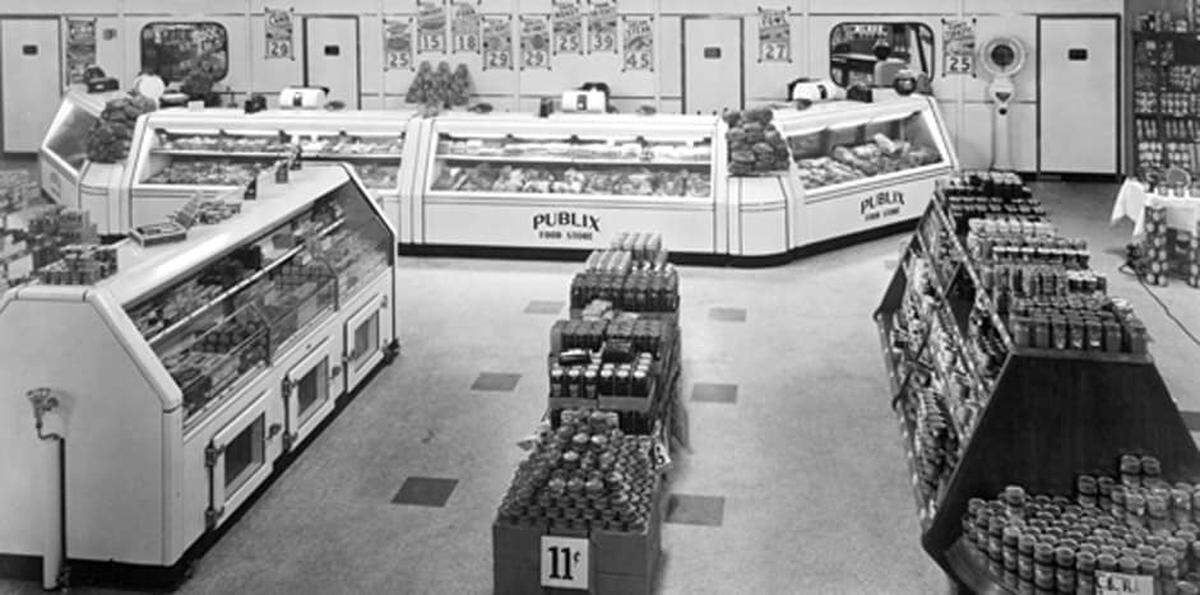
When George Jenkins founded Publix in 1930 with his first store in Winter Haven, Florida, he embarked on setting his fledgling chain apart from the competition. Among Publix’s early features: air conditioning and automatic doors.
Jenkins’ “people weighers” predated the Pub Sub by 62 years. The chain’s signature submarine sandwich debuted at a Georgia Publix in 1992. Jenkins, who never left Publix, died four years later, in April 1996, at 88.
During Publix’s early days, scales were popular in shopping areas. Customers would slip a coin into a slot, a penny, later a nickel or more, to find out their weight. Similar scales, smaller, more narrow, usually red, would remain well into the 1970s inside supermarkets and five-and-dimes like Woolworth. Publix scales have always been free for people.
The towering scale originally stood in the back of Publix stores. They were moved to the front for convenience, and that’s where customers can continue to find them — for now.
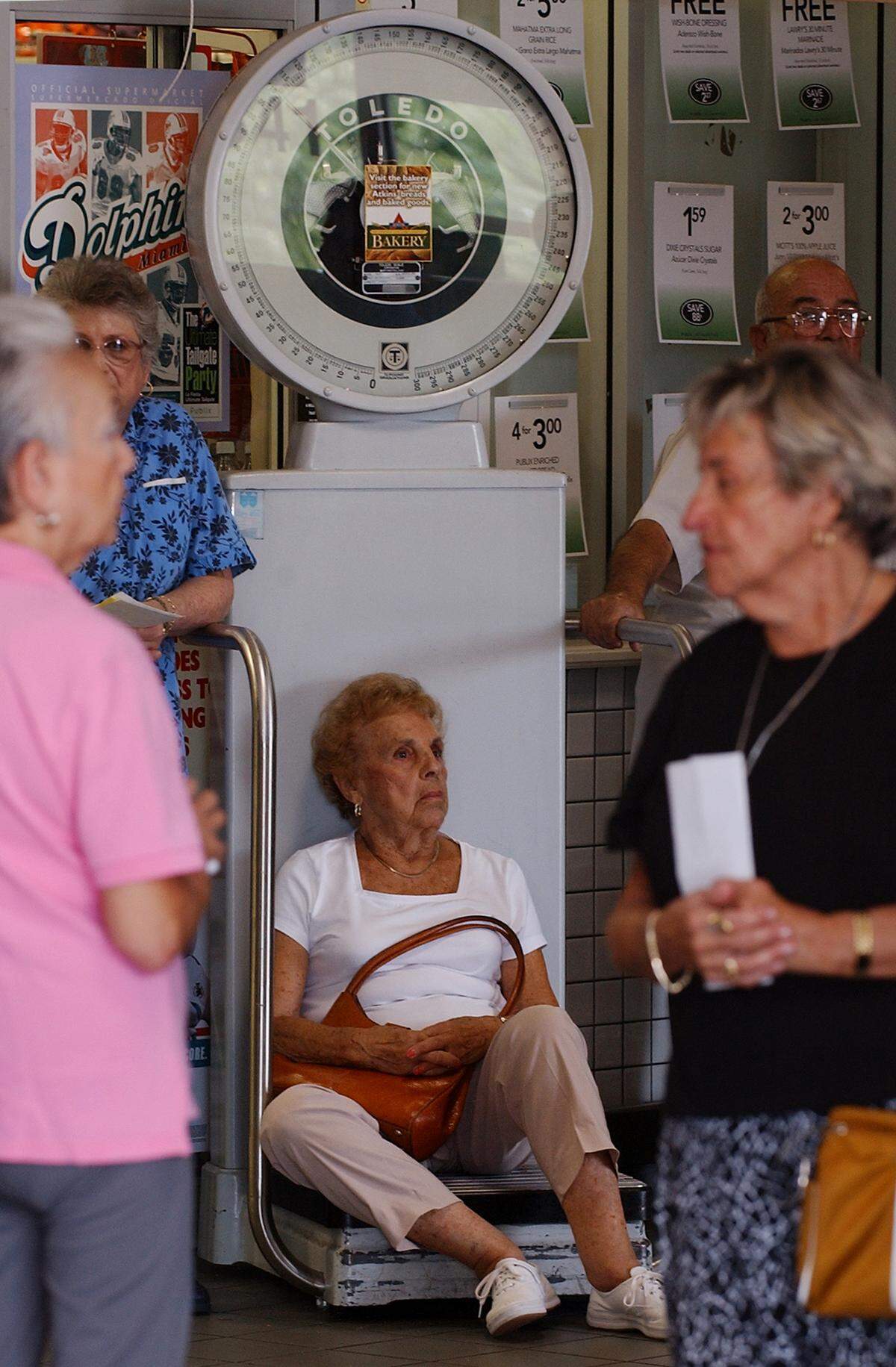
“When scales are taken out of a store, they go for a spruce-up in our repair shop. They could wind up going to another store or they may be held for parts to utilize in other scales,” Publix spokeswoman Willis said.
People notice when they are there — or not. A former Miami Herald columnist gave a tribute to the ubiquitous scale.
“The Hubby claims I’m obsessed with scales. Digital scales and mechanical ones. Scales you find at Publix and the fancy physician scales with the height rod,” Ana Veciana Suarez wrote in 2012.
People only, please
Publix scales have been popular — about five million customers weighed in during the first year of the supermarket’s operation. Eventually they grew too popular, sometimes to Publix’s chagrin.
.JPG "0107130939 (1).JPG")
At the turn of the millennium, when increased weight-limit fees on airlines and a summer ban of excess baggage by some carriers, Miami’s seasoned travelers weighed their luggage on Publix scales before checking in at the airport, the Miami Herald reported in 2001.
“Everybody knows that’s where you go to weigh your luggage,” customer Susana Martin said at the time. “They have the scale right by the door. I do it all the time and I’ve never had a problem.”
It was a problem. Apparently, people were sending clothing and goods home to relatives and could find out if their stuffed, bulky bags were under, or over, the airlines’ weight limit.
“We’re frustrated. The scales are for people, not for suitcases. They were made to be stepped on gently. When people toss heavy bags on them, they break them,” said Carmen Millares, who was then the community affairs manager for Publix’s Miami division.
Scales were constantly breaking. Repair costs soared. And Publix considered putting up signs prohibiting weighing luggage and threatened to take the scales out of Miami-Dade stores.
Customers got the message.
Then in 2015, the scale manufacturing stopped.
“I’d like to see them stay,” Bonaby said as he strolled to his car in the Monza Avenue parking lot where, within view, the new scale-less Riviera Publix loomed. “I’m sure a lot of other people would, too.”