Are we ready for bone-chilling cold in 20s and 30s in South Florida? See issues
A cold front coming for South Florida will send temperatures plummeting to the 30s while feeling like the 20s — and the bitter blast may go more than skin deep.
The state’s agriculture and tourism industries could take a hit as the thermometer goes down this weekend. Some Central Florida water parks are shutting down, and farmers are on guard against frost that could threaten Florida’s fragile citrus and vegetable industry.
Broward and Miami-Dade counties have opened their cold weather shelters through the first part of next week.
While hotels in South Florida aren’t doing anything drastic, some are planning more inside activities and making more soup and hot chocolate.
At Alligator Alcatraz, the immigration detention center in the Everglades, the state is making warmer clothes and heaters available to detainees.
“Detainees have access to jackets, hats and blankets” said Stephanie Hartman, a spokesperson for the Florida Division of Emergency Management. “All dorms are climate-controlled and are equipped with secondary heating solutions when necessary, and additional space heaters are available as appropriate.”
Aside from detainees and various industries around the state, freezing temperatures can also affect older people and the unhoused. Outdoor pets and patio plants are also vulnerable to these kinds of low temperatures. And your home and car could feel the freeze, too. The risk of fire increases with the use of space heaters, and experts say don’t use your oven to warm a home.
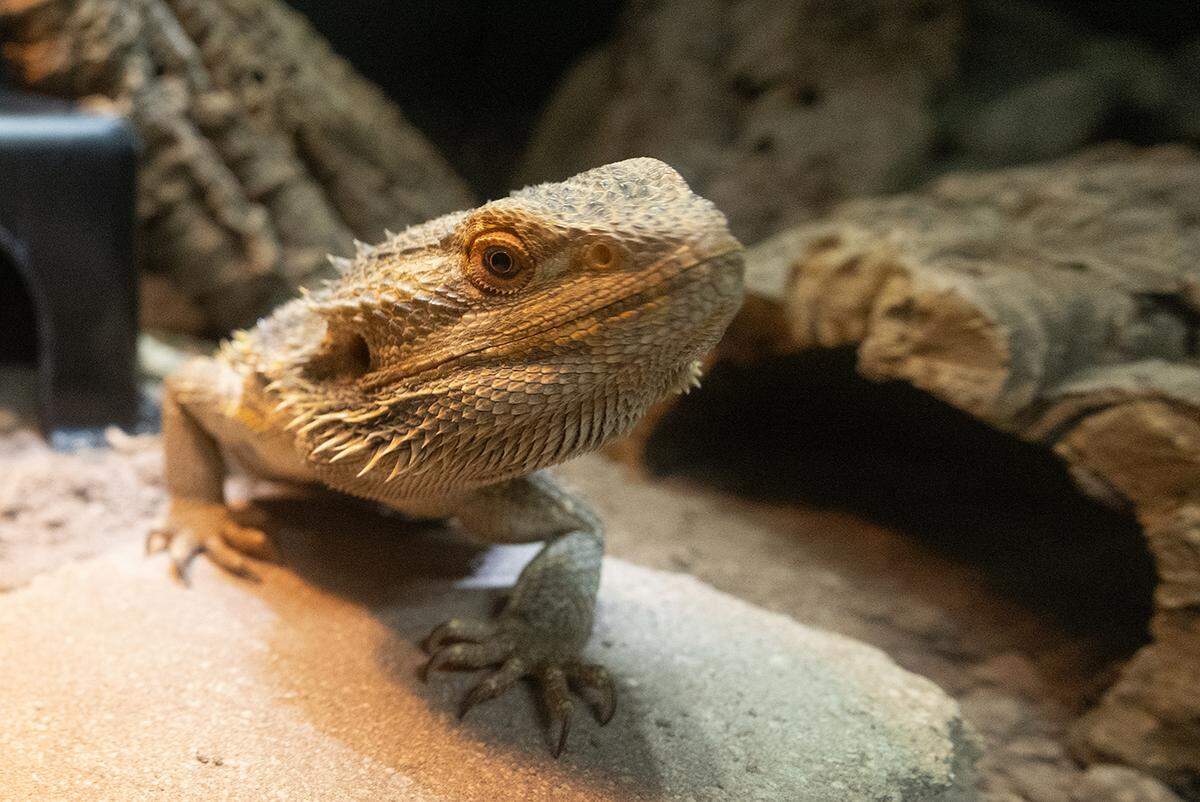
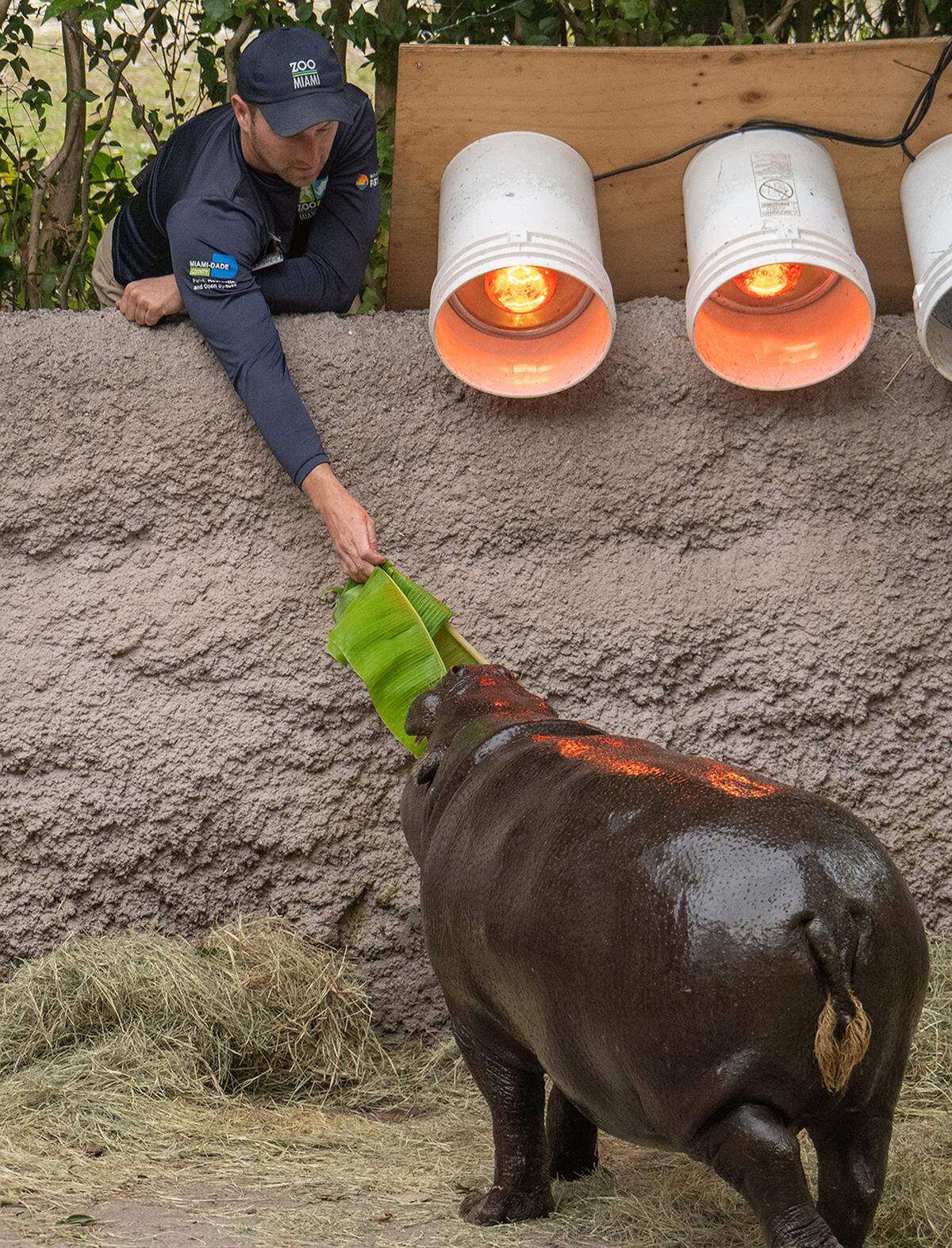
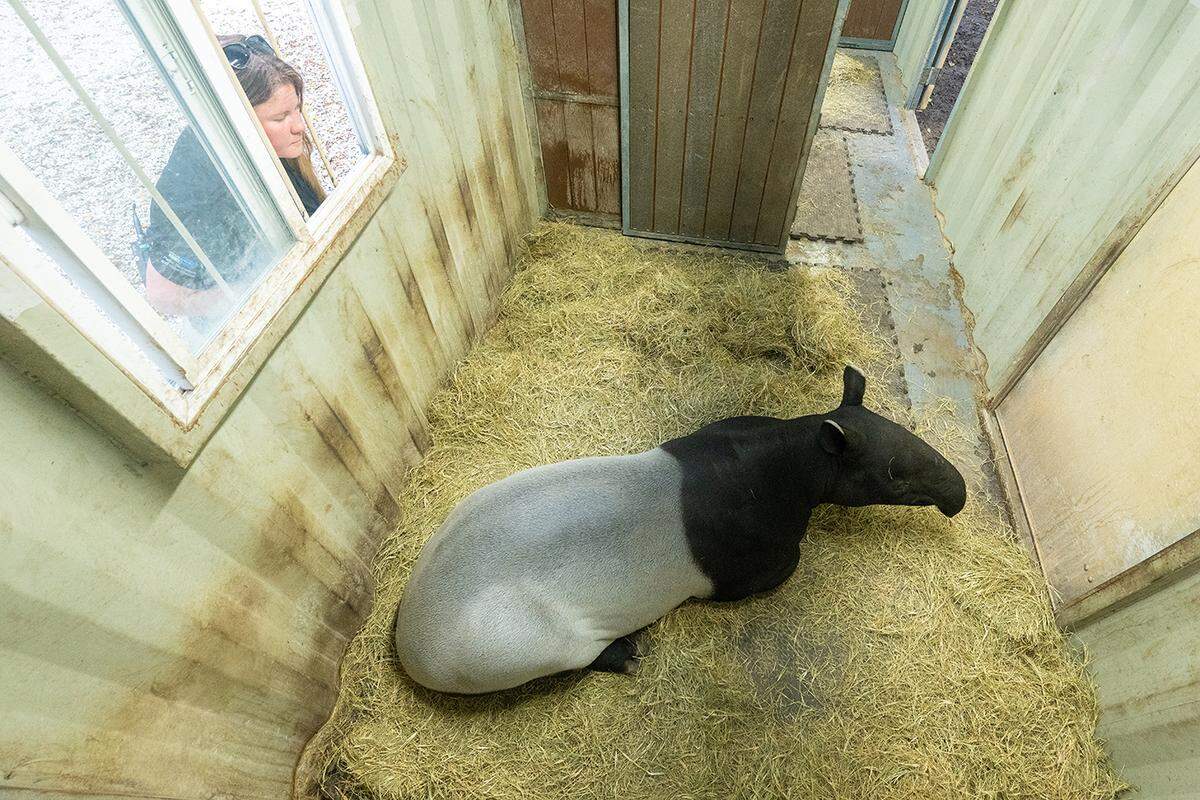
Zoo Miami will remain open to visitors, but some animals will not be in their habitats.
“They’re being kept back just for the warmth that they need,” said Ron Magill, the zoo’s communication director. Instead of seeing the Galápagos tortoises and wild African painted dogs, visitors may see signs around their heated enclosures reading: “It’s too cold for us today.”
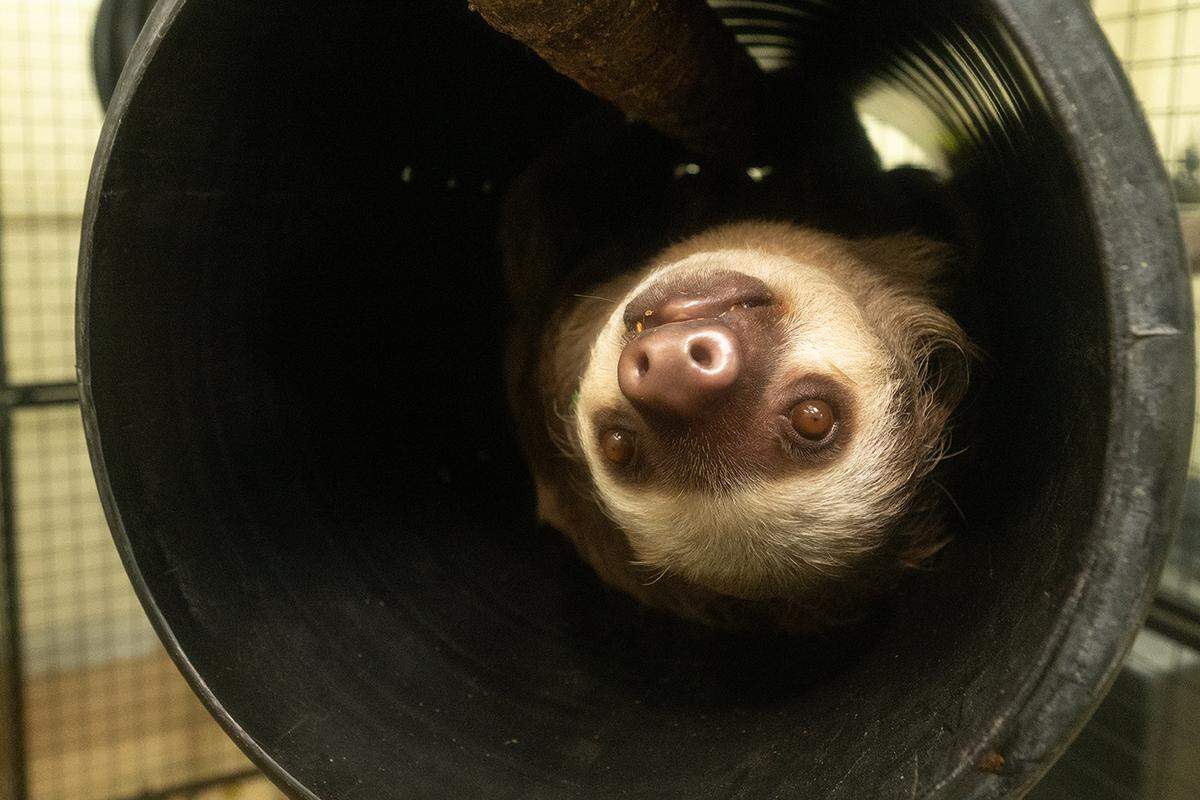
On Friday, the zoo began moving several of its animals into protected areas of the Kendall-area attraction and kept warm with extra bedding hay, along with external heating sources like heat lamps, radiant heaters and heated floor pads.
“We’re taking a lot of the smaller mammals, reptiles and birds ... indoors into heated facilities where they can be, well protected from the cold outside,” Magill said. “But that really won’t affect what the people can see, because they’ll be brought in in the afternoon, before the night.”
Single-digit forecast temperatures in North Florida, teens in Central and near freezing in South Florida have already led to snow flurry alerts in Tampa and Cedar Key, with cold weather advisories in the Miami area. The National Weather Service has issued frost and freeze advisories for much of the state.
Flurries aren’t expected in South Florida because there won’t be enough moisture in the atmosphere to let it snow. But records for the Feb. 1 and Feb. 2 dates could fall Sunday and Monday mornings, according to WSVN meteorologist Jackson Dill.
Sunday’s forecast for Miami at 36 would tie the low mark set in 1909. Fort Lauderdale’s 35 would approach the 33 degrees chill-down set in 1966 and Key West’s 51 would have to drop four degrees to match the 1909 low of 47. Monday’s forecast 38 in Miami is higher than the 35 degree record in 1942. Fort Lauderdale’s 36 forecast could break the 1979 record of 38. Key West could have a new record if its forecast 49 degrees is hit. The previous February record was 50 in 1980.
Miami-Dade has outreach teams throughout the community to connect people in need with spaces through Tuesday in at least eight shelters around the county. It’s the fourth time in 2026 the Homeless Trust has activated its emergency plan. As of Friday afternoon, more than 150 people have accepted placement.
Broward has advised those in need of shelter to report to the Salvation Army at 1445 W. Broward Blvd. in Fort Lauderdale. The shelter is scheduled to be available through Monday.
READ MORE: How cold will it get in South Florida this weekend? See the coldest points
Even with the coldest of the cold yet to come, the week’s weather has already brought extra people to Overtown’s Dunn-Josephine Hotel, hotel owner Kristin Kitchen said.
Several customers booked trips to Miami from Tampa and Orlando to escape even colder weather just a few hours away from South Florida.
“Central Florida got a major cold front, and it inspired people to leave for a day or two,” she said. “Even our cold 60 degrees is better than someone’s cold.”
The hotel’s proximity to PortMiami regularly attracts travelers ready to get on a cruise. Kitchen generally asks customers what brought them to Miami, and many mentioned the cold weather elsewhere around the country. One customer drove to the hotel from Tennessee because canceled flights prevented flying in town.
What Florida agriculture faces from the cold
Freeze watches and warnings let growers and food producers, particularly those with sensitive plants including Florida citrus, take protective measures in their fields to help crops withstand cold temperatures that could damage or kill them. Protection against a freeze includes soaking the ground with water.
“This is very unusual, because we did it last week, and now this weekend we’re doing it again,” Patricia Kyle, who owns Galloway Farm Nursery in Southwest Miami-Dade., told WSVN “They’re talking about it being like 32 [degrees] here, and we can do that. Make sure all of our plants are watered and covered.”
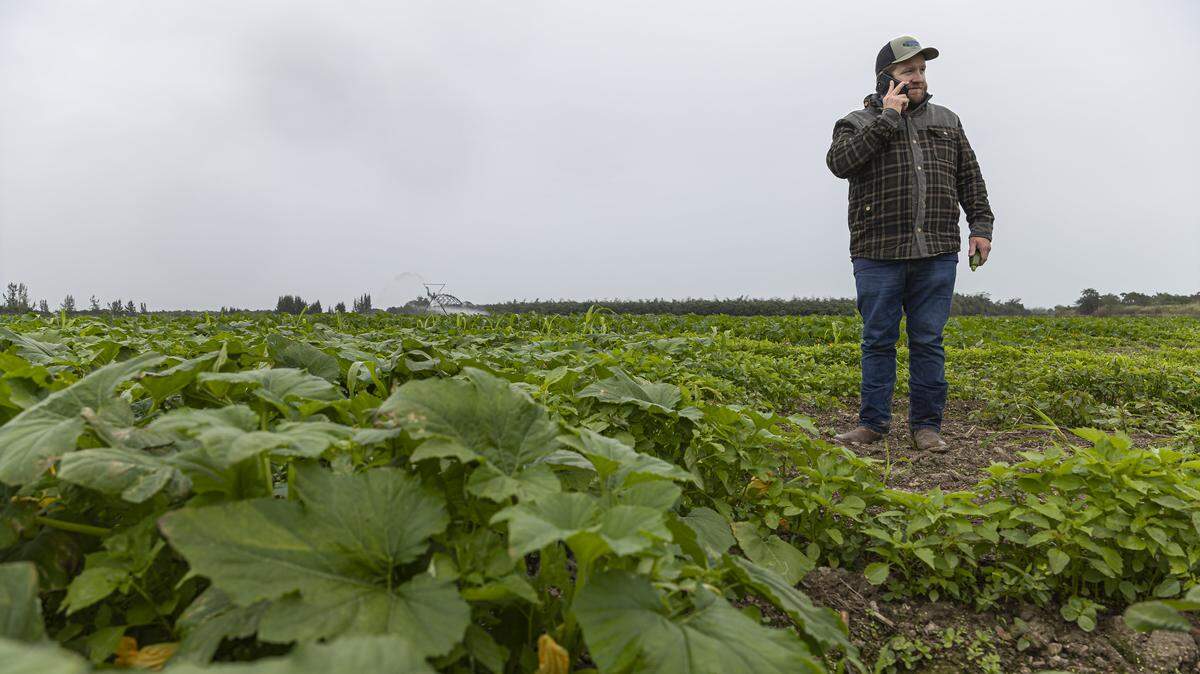
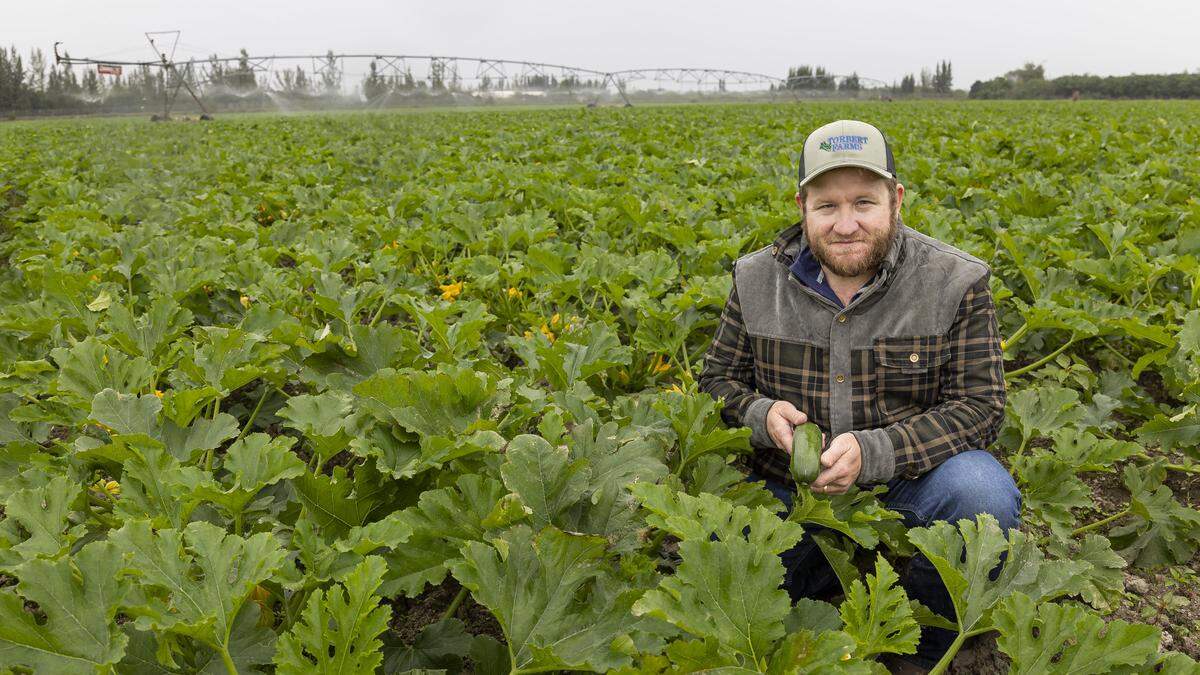
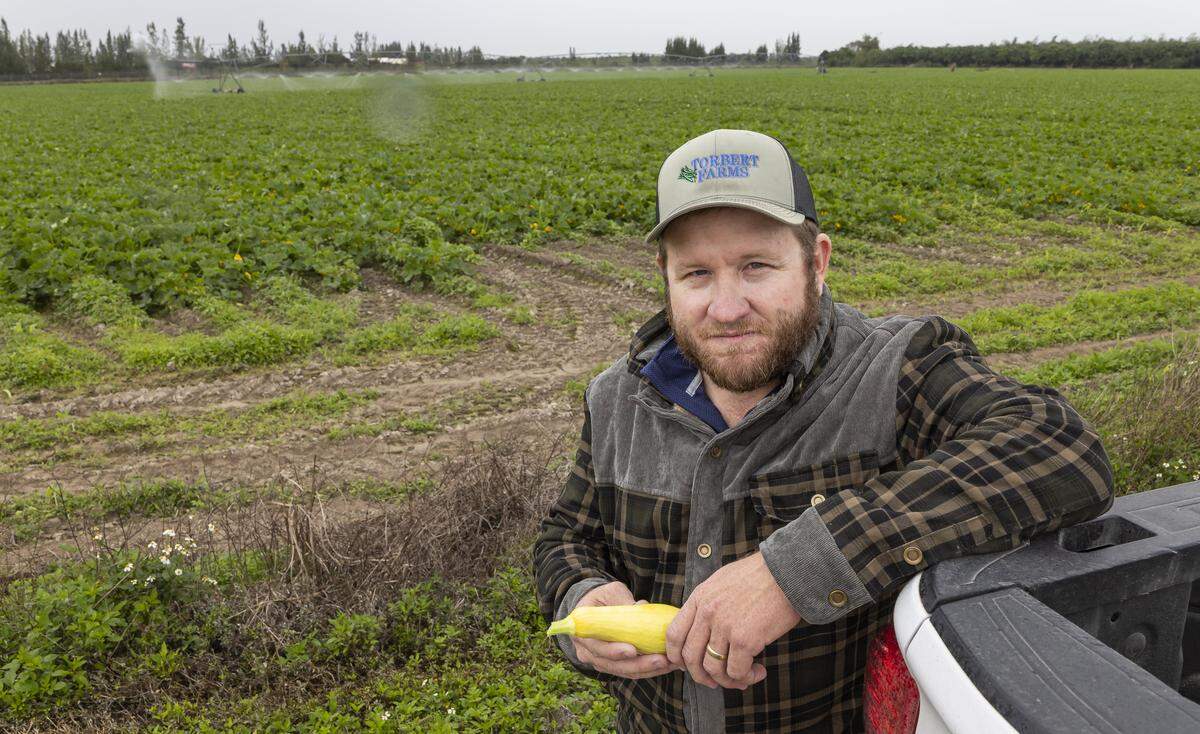
At Torbert Farms in Homestead, farmers were up early to water the snap beans, yellow squash, sweet corn and okra. In the 12 years Homestead farmer David Torbert has been on his farm, he said ’s never experienced a period of weather as cold as now.
Torbert has spent the past few days irrigating his crops and working to seal heat in the ground so that it can radiate and help keep his plants warm and above the 32-degree freezing point.
“If it were to freeze completely, it would take two months before you’re able to harvest another green bean in Miami-Dade County,” he said. “It would be 45 days before yellow squash and zucchini could harvest, and 75 days before we get sweet corn.”
Torbert is focused on preparing his crops ahead of the weekend. He sees Saturday night to Monday morning as a dangerous period for his crops if these temperatures persist.
“For me, it would be close to 1,400 acres of lost vegetables,” he said.
READ MORE: Weather alert: Freeze watch and wind warnings issued for South Florida
In Overtown, the drastic temperature swings have worried Giovan Barthole, volunteer and field coordinator at Dunn’s Overtown Farm. The mercurial changes in temperature are not ideal for the farm’s crops that include plantains and bread fruit.
“The issue is the drastic temperature swings,” he said. “The time period between swings is getting shorter. Three days ago it was 90 degrees, now it’s 50 or 60 degrees.”
Barthole, 35, has farmed since he was 21 and has never experienced temperature swings like these. He is concerned that the cold conditions can lead to the growth of fungi that will destroy the crops.
A drop into the 20s and 30s in South and Central Florida and single digits in North Florida could severely paralyze vegetable crops such as snap beans, sweet corn, tomatoes, squash and peppers.
A December 1989 cold front devastated swaths of Florida’s agricultural fields growing vegetables, strawberries, plants and sugarcane. The citrus industry was hit hard in South and Central Florida, with 30% of the $1.4 billion crop wiped out. Citrus can be damaged when the temperature drops below 27 degrees for more than four hours.
The University of Florida’s IFAS Extension posted tips on Thursday for protecting sensitive tropical plants like orchids or tender vegetable crops. “It may be a good idea to protect them when temps hit the low 40s to mid 30s — even if no freeze is predicted,” the UF experts said.
Among the advice:
- Move container plants inside or under a tree canopy where it can be a bit warmer or more protected. Newer, young plants generally are more vulnerable than established ones so consider this when prioritizing protection.
- Use bedsheets or other cloth to drape over other tender plants. Cloth is better than plastic. Use a support structures like tomato cages and wooden stakes to keep the draped item from touching the plants’ leaves as much as possible. Empty cardboard boxes can act as covers for smaller plants.
- Uncover the plants when temperatures creep up during the day.
Tourism and travel
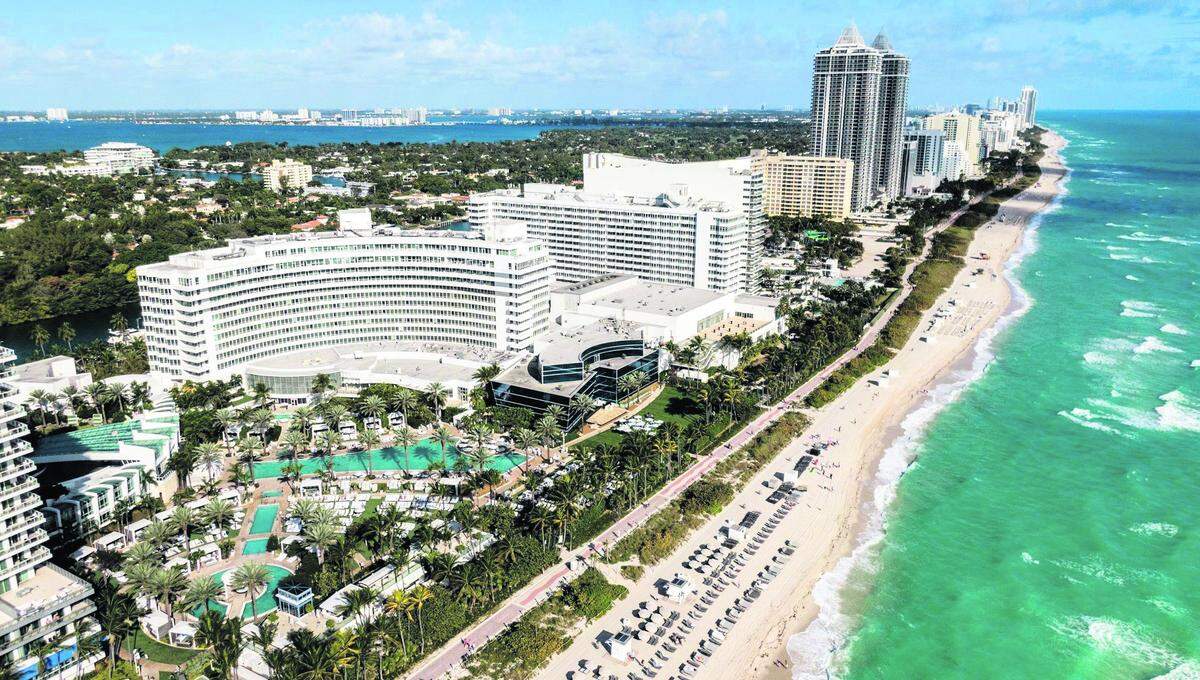
Despite the cold during the week with even colder to come, Miami-area hotels are continuing to accommodate tourists.
“We certainly will be welcoming guests this weekend, and we will be very busy,” said Glenn Sampert, general manager of the InterContinental Miami, located downtown on Biscayne Bay.
The hotel’s outdoor Seaside lawn, swimming pool, rental cabanas and Blue Water Pool Bar will remain open, Sampert said. The executive did acknowledge, though, that those spaces may be less crowded than usual.
“The cold weather does impact how many guests will be outside,” he said.
A silver lining for the hotel? Its popular spa will be in high demand, Sampert predicted.
The Loews Coral Gables Hotel said it has even experienced a big uptick in guests the last several days, starting last weekend. Over that period, the hotel’s occupancy has spiked nearly 30 percentage points, said General Manager Nadim Barrage.
Barrage said the hotel’s location near Miami International Airport and in a bustling, walkable Gables neighborhood, helps explain the surge.
“During these cold spells, travelers are often less focused on a traditional resort setting and more drawn to a walkable destination,” the GM said.
Barrage said the hotel has made some adjustments for the cold, increasing the number of heaters across outdoor spaces, including open-air dining areas, and adding soups to the menus. There’s also a hot chocolate station in the lobby. The hotel also has made put out shawls and has “tested and optimized all heating systems,” Barrage said.
But the outdoor pool is staying open, and the hotel isn’t suspending outdoor terrace dining.
The Loews Miami Beach Hotel also is keeping its heated outdoor pool and restaurants open, said Mutluhan Kucuk, the complex’s managing director.
But expect fire pits and space heaters on the outdoor terrace at Bistro Collins and its poolside restaurant Nautilus. In the lobby, the hotel will offer guests hot chocolate with marshmallows as the complimentary beverage, instead of a cold drink.
Kucuk said the hotel will have more indoor activities during the cold spell, including a pop-up movie room and board games for families. Meanwhile, televisions in Bistro Collins will air sports events including the Australian Open. Melbourne Park, the site of the tennis Grand Slam competition, expects a high of 82 degrees on Friday and 76 on Saturday.
At the Fontainebleau Miami Beach, Philip Goldfarb, the landmark’s chief operating officer for Fontainebleau Development, said he expects big business.
“Despite the unusual temperatures, the Fontainebleau Miami Beach will continue to operate at a very high occupancy,” he said. “We look forward to welcoming these guests and providing a wonderful experience with our extensive indoor and outdoor amenities, including heated pools.”
South Florida commerce
Cold weather has changed business at Miami Gardens’ Sunshine Meat Market for employees and customers, said Vanessa Disla, a partner in the business. Many of the trucks that bring in goods come from northern areas. A snowstorm pushed back several trucks from making expected deliveries to the market this week, Disla said.
“I was waiting for beef and turkey wings, but trucks got moved. Instead of Wednesday, they got pushed back to tomorrow,” she said Thursday afternoon.
Disla has also noticed a recent change in buyer habits. Fewer shoppers are coming in with the colder weather, but those who venture to the market are buying more meat and vegetables to make soups and stews.
“I have a lot of customers that have recipes from their grandparents,” she said.
House, pool, car
If you’re worried about your home pool as temperatures drop into the 30s this weekend, Manny Pages, the sales manager at Pinch A Penny Pool Patio Spa in Little Havana, said it’s unlikely pools in South Florida will freeze in the cold snap.
Still, he says, testing your water ahead of any cold weather is a good idea. Making sure your pool has the right balance of chemicals, including chlorine and muriatic acid, will help ensure that even if below-freezing temperatures last longer than expected, your pool won’t freeze.
Pages added that when temperatures are cold, but not below freezing, pool owners should keep their pumps running for six to eight hours a day. If temperatures drop below freezing, running the pump continuously until it gets above 32 degrees again will help keep pipes from freezing and cracking. If your pool turns green or any other unusual color this weekend, Pages said you should get help from a professional.
The cold snaps hitting Florida led FPL to promote energy saving and safety tips for the state. South Florida isn’t going to drop as low as Central and North Florida, but the tips could apply locally, too.
Here’s what FPL’s experts suggest:
- Set your thermostat to 68 degrees or lower, as every degree below 68 saves you 5% on heating costs.
- Avoid raising your thermostat by more than two degrees at a time to prevent accidentally turning on your system’s auxiliary heating, which can add up to $15 per day if used more than 12 hours a day.
- Use electric blankets or space heaters to keep warm. “Just remember to turn them off before you leave the room and keep children and pets at least three feet away,” experts say.
- Reverse the setting on your ceiling fan to push warmer air down. “Just remember to turn it off when you leave the room to save $7 a month,” FPL said.
- Seal doors and windows to keep warm air in.
Whenever temperatures drop this quickly, the calls start pouring in,” said Mark Jenkins, spokesman for AAA – The Auto Club Group, in an advisory sent to the Miami Herald on Tuesday. “Dead batteries become extremely common. At the same time, homeowners face the risk of frozen pipes that can burst and cause thousands of dollars in damage.”
AAA issued some cold weather tips:
- Have your car battery tested if it’s more than three years old. Cold weather in the 20s and 30s can reduce a battery’s ability to hold a charge, especially an older one.
- Listen for slow cranking, a key warning sign of a failing battery.
- Replace the battery if it shows signs of weakness or struggles in cold weather.
- Check your car’s tire pressure in the morning because extreme cold can affect their performance. “With overnight lows dipping into the 20s and 30s, many Florida drivers may wake up to under‑inflated tires, which can reduce fuel economy, affect handling, and increase the risk of a blowout,” AAA said.
- Inflate tires to the manufacturer’s recommended PSI, which you should find listed on the driver’s door jamb.
Florida theme parks
Orlando’s theme parks — Walt Disney World, Epcot, Universal Studios — will remain open during the weekend arctic blast.
But water theme parks, including Universal’s Volcano Bay and Disney’s Typhoon Lagoon, will be closed Saturday through Monday.
Some theme park rides and attractions and character meet-and-greets could be modified or temporarily halted, according to reports.
Historical weather figures
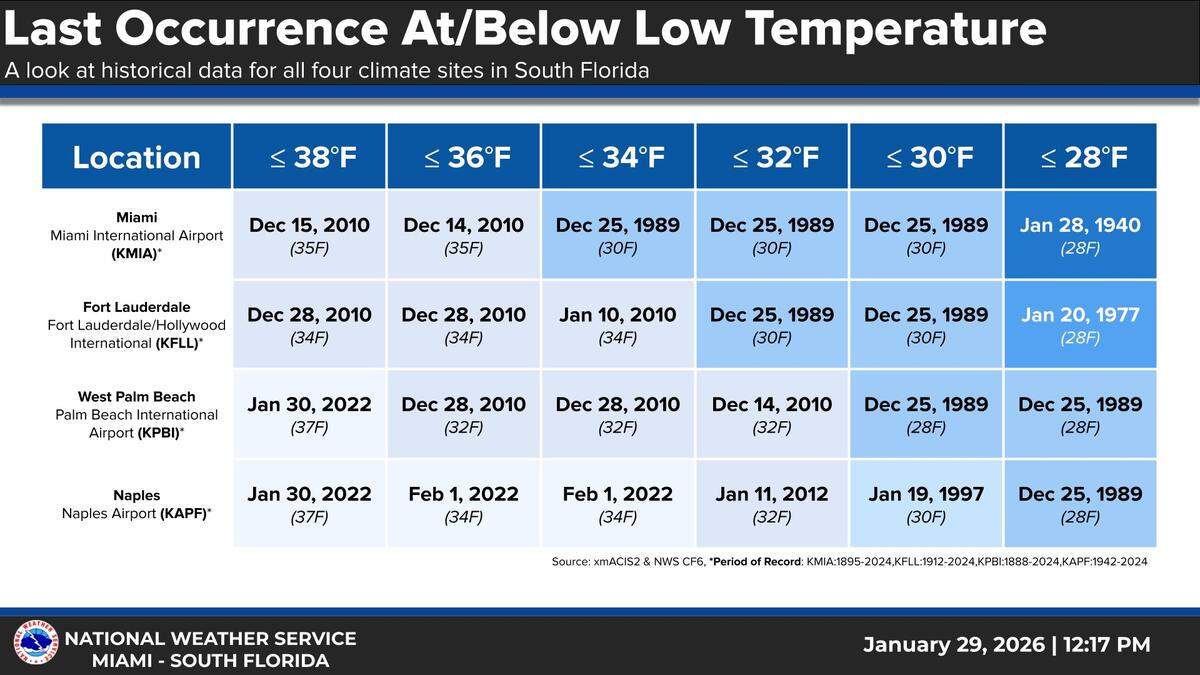
The last time Miami saw the kind of temperatures that are forecast for Sunday and Monday was Dec. 28, 2010, according to Will Redman, a meteorologist at the National Weather Service in Miami. On that date Miami International Airport dropped to 39 degrees, he said.
On Christmas Day 1989, the thermometer dropped to 30 degrees at Miami International Airport and snow flurries tickled upturned faces in Tampa and Sarasota.
A similar 30-something plunge in February 1991 had citrus farmers bracing to protect their crops. The last time MIA and FLL dropped below freezing was a 30-degree day on Dec. 25, 2010.
Miami Herald staff writer Garrett Shanley in Tallahassee contributed to this report.
This story was originally published January 30, 2026 at 6:31 AM.