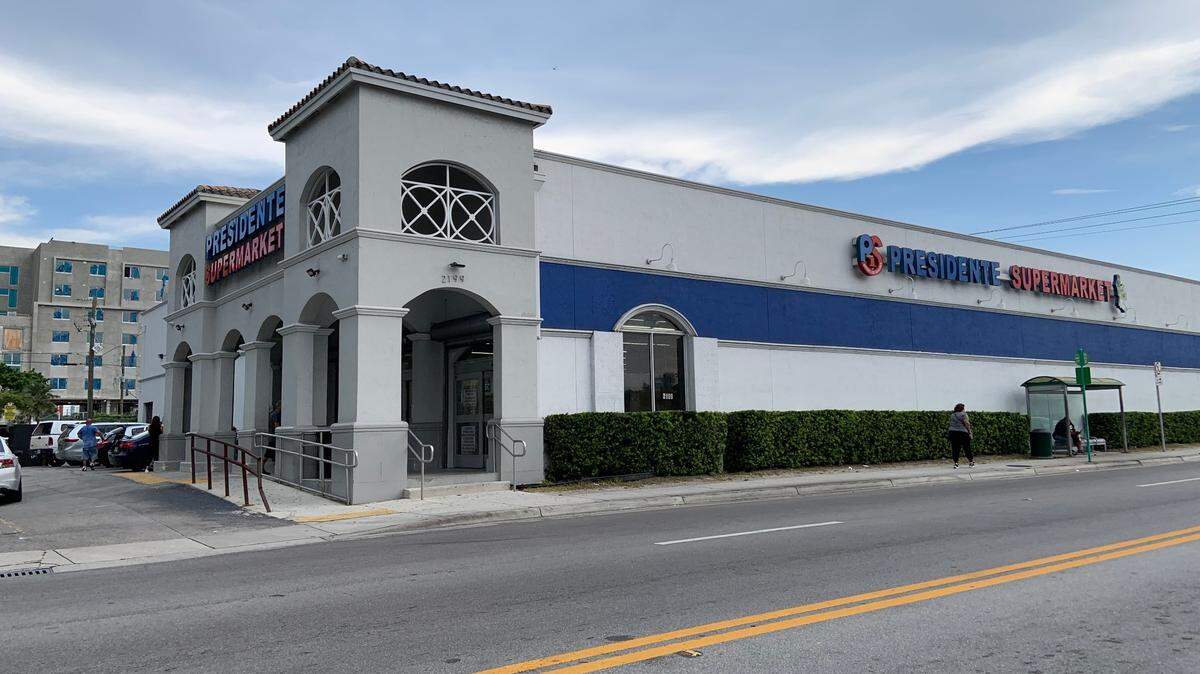
Which Miami supermarket had mold, birds, mystery food and food uncovered under sinks?
READ MORE
Presdiente problems with state inspections
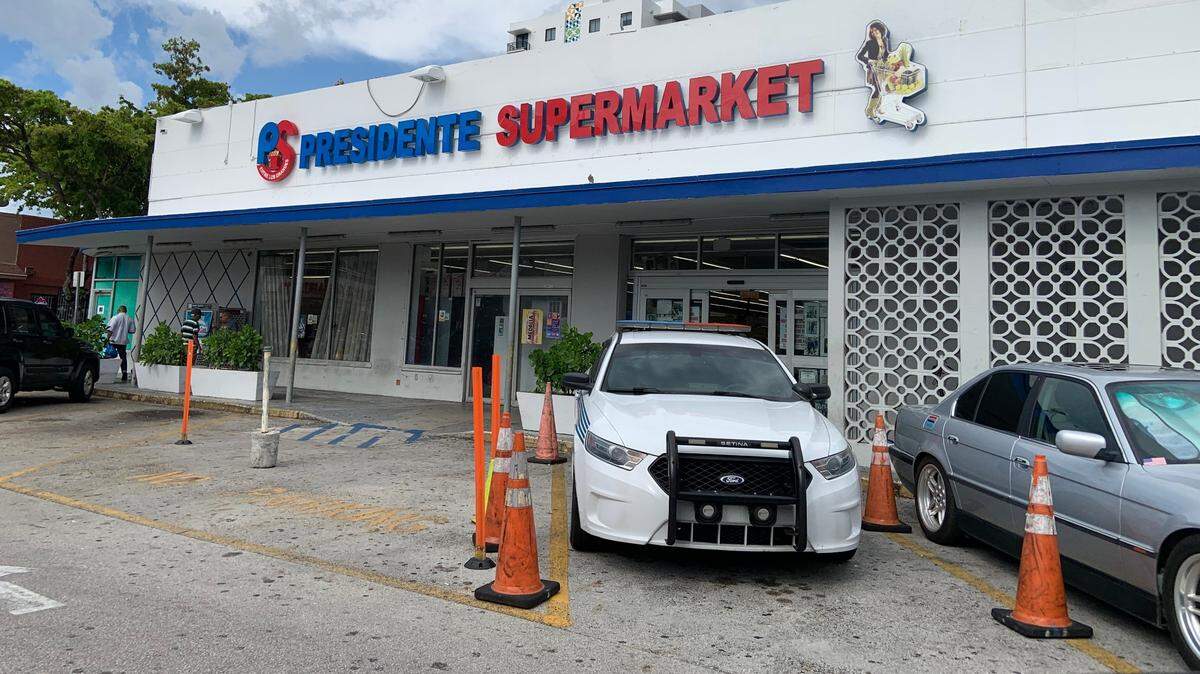
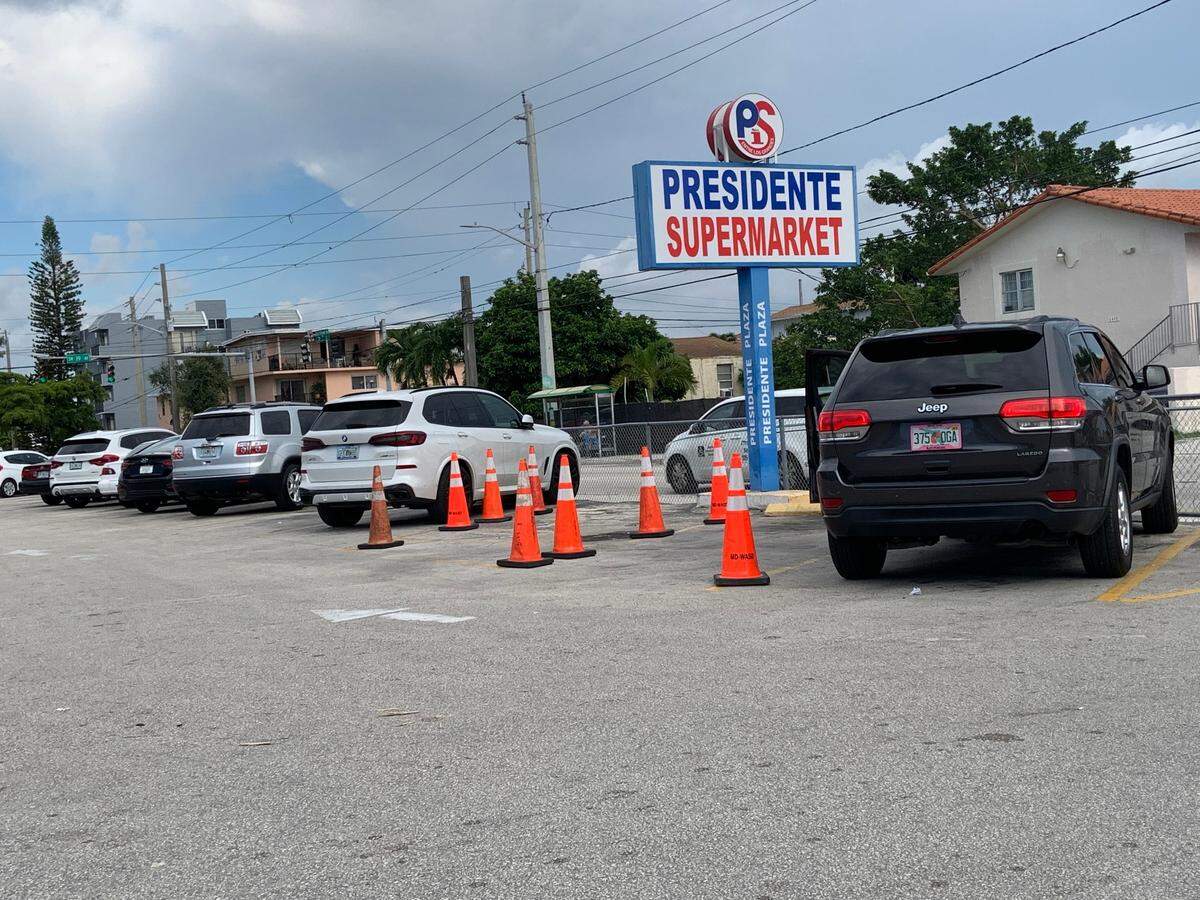
Presidente Supermarkets have failed an unusual number of Florida Department of Agriculture inspections since June 2022.
Expand All
Ubiquitous mold, food kept in places it could be dripped on, mystery food and equipment not cleaned when it should be meant another failed state inspection for the Presidente Supermarket chain on Thursday.
This Miami Presidente, 1895 SW Eighth St., is one of the chain’s Little Havana stores.
The Florida Department of Agriculture inspects all packaged food sellers, from supermarkets to places such as Bass Pro Shops; wholesale and retail bakeries; food processors; food storage facilities; and food distributors. Unlike restaurant inspections by the Florida Department of Business and Professional Regulation, getting the lowest inspection result, “Re-Inspection Required,” doesn’t close a facility.
But, inspectors can drop Stop Sale and Stop Use Orders on products, equipment and areas. Enough of those and management might decide the business has to close or isn’t worth opening until the problem is solved.
READ MORE: Unsafe food, flies landing on Cuban bread at Miami bakery
Here are some of the problems found Thursday by Inspectors James Zheng and Margaret Alvarez.
▪ Customers using the retail area men’s restroom handwashing sink would be left with wet hands — there were no paper towels.
▪ There were “multiple packages” of mystery corn flakes on the shelf for sale without the corn flakes’ packaging ingredient information, nor the manufacturer’s name or address.
▪ Birds can spread disease, so “two small live birds found flying from shelf to shelf in retail area” meant the retail aisles and shelving got put under a Stop Use Order until the birds got hustled out of the store.
▪ “Interior of the ice machine found with black, mold-like substance” in the food service area.
▪ Equipment used in food preparation is supposed to be washed, rinsed and sanitized every four hours. The kitchen cutting boards, pots and utensils went into service at 6 a.m. and weren’t properly cleaned by 10 a.m. The same was true of the steam wand first used at 7:30 a.m.
▪ “Multiple pots” in the kitchen area were described as “heavily encrusted.”
▪ In the bakery, “cases of soda bottles were stored directly on the wet floor in front of the ware washing sink.” Beneath the ware washing sink, there was a “plastic tub of uncooked rice” uncovered and vulnerable to splashing, spitting, etc.
▪ Then again, over in the kitchen, fish was thawing in the sanitizing part of the three-compartment sink, in the splash zone because “the detergent and rinsing compartments were in use.”
▪ In the backroom walk-in cooler, trays of pork belly cooked at 8 a.m. still measured at 52 and 53 degrees six hours after they began cooling. The food needed to be at 41 degrees or below. Basura.
▪ Also, in the backroom, the inside of the bread proofers had “old food debris.”
▪ Staying in the backroom, inspectors saw a “rusty beam in the produce walk-in cooler;” in that walk-in and the backroom kitchen walk-in cooler had “heavily dusted fan guards;” the backroom kitchen walk-in cooler had “lime scale buildup;” “black and pink mold-like growth found on curtains of the dairy walk-in cooler;” and “all walk-in coolers” had heavy, black, mold-like growth on the walls.”
This story was originally published June 11, 2023 at 12:22 PM.