Florida says it is researching whether to continue federal jobless benefits
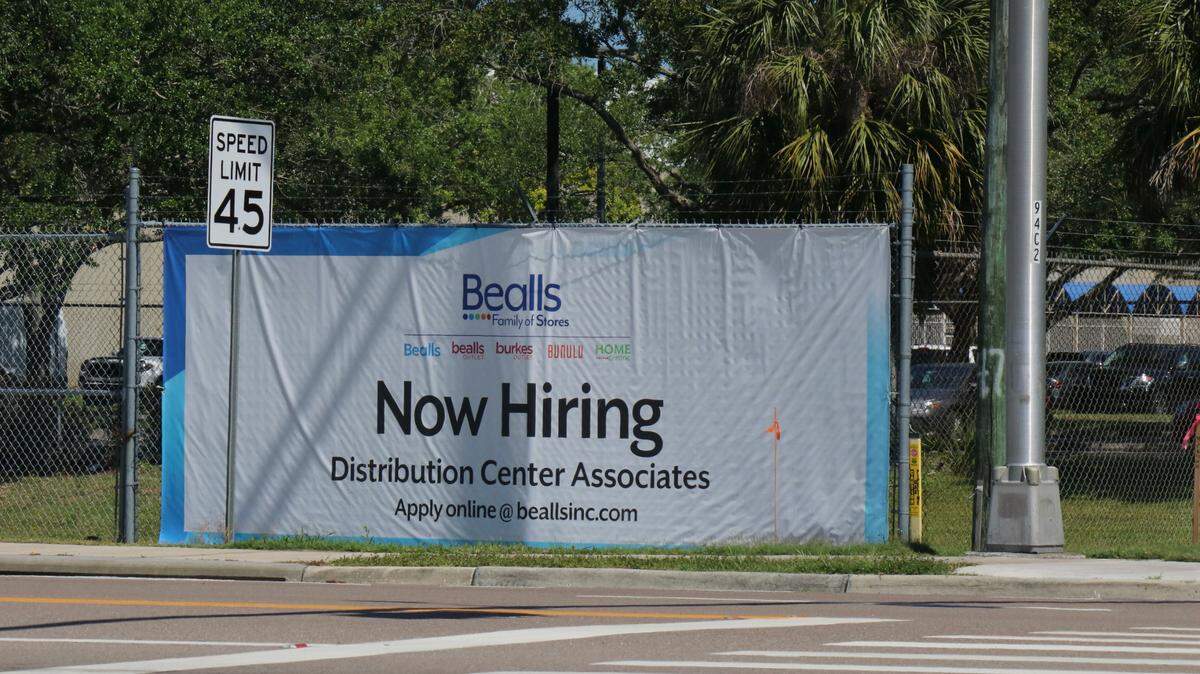
State officials are weighing whether to end Florida’s participation in federal pandemic unemployment benefits amid reports that employers are finding it difficult to hire workers.
Currently, a Florida worker filing for unemployment can earn up to $575 a week — or about $14.38 an hour — from $300 in supplemental assistance from Washington on top of the state’s $275 maximum credit.
Prior to the pandemic, the state’s minimum wage was $8.65 an hour.
“The Department continues to research and monitor whether the state should continue participating in all federal unemployment programs that were implemented to provide additional relief from the COVID-19 pandemic,” Florida Department of Economic Opportunity Press Secretary Andrew G. Nixon said in an email to the Miami Herald Friday. “The Department is focused on acting in the best interests of all Floridians and will provide more information as it becomes available.”
Last week, the state reinstated a proof-of-job-search requirement for workers filing for unemployment.
Sixteen states, including Georgia, Ohio and South Carolina, have already chosen to withdraw from the emergency assistance programs, which are set to expire on Labor Day.
“When this program was put in place, it was a lifeline for many Americans at a time when the only weapon we had in fighting the virus was to slow its spread through social distancing, masking, and sanitization,” said Ohio Gov. Mike DeWine. “That is no longer the case.”
Economists are divided on how much the added benefits are impacting hiring. At its most recent meeting, the Federal Open Market Committee said benefits were likely just one part of a more complex picture that was contributing to a shortage.
“Business contacts in [Federal Reserve districts] reported having trouble hiring workers, likely reflecting factors such as early retirements, health concerns, childcare responsibilities, and expanded unemployment insurance benefits,” the committee said according to minutes released this week.
In March, the Miami Herald spoke with restaurants like Miami Beach’s Macchialina Italian restaurant that said they were having trouble hiring.
“It’s not that we’re not getting qualified people. We’re not getting any calls at all,” said Jacqueline Pirolo, co-owner of the South Beach fixture. “We’ve never seen anything like it.”
Sawgrass Mills mall in Sunrise recently held a job fair seeking applicants for about 500 retail and hospitality positions.
Meanwhile, new data show more Floridians are returning to the workforce as fears of the COVID-19 pandemic fade, new data suggest.
The Florida Department of Economic Opportunity said Friday that the state’s overall labor force climbed by 85,000 between March and April. It’s the fourth-straight month the figure has increased — and at 10,357,000 workers, Florida’s labor force has nearly returned to the level last seen in August 2019. The state’s workforce high-water mark came in October 2019 when it hit 10,463,000.
Florida’s unemployment rate climbed to 4.8% in April, up from 4.7% in March, in part reflecting the growing labor pool. The number of out-of-work Floridians increased by 13,000 to 487,000 for the month, the DEO said.
The state added 16,900 jobs in April, a figure consistent with a pre-pandemic growth pace, though the state remains about 275,000 jobs short of 2019 employment levels. About half of April’s job gains were in the leisure and hospitality sector.
In Miami-Dade, the unemployment rate fell from 8.2% to 6.9% — still slightly above the national level of 6.1%. In Broward, the rate was unchanged at 5.3%.
Notably, neighboring Monroe and Collier counties are nearly back to full employment, with unemployment rates of 3.2% and 3.8%, respectively.
This story was originally published May 21, 2021 at 11:11 AM.