
Cuba lifts import duties on solar panels as blackouts continue on the island
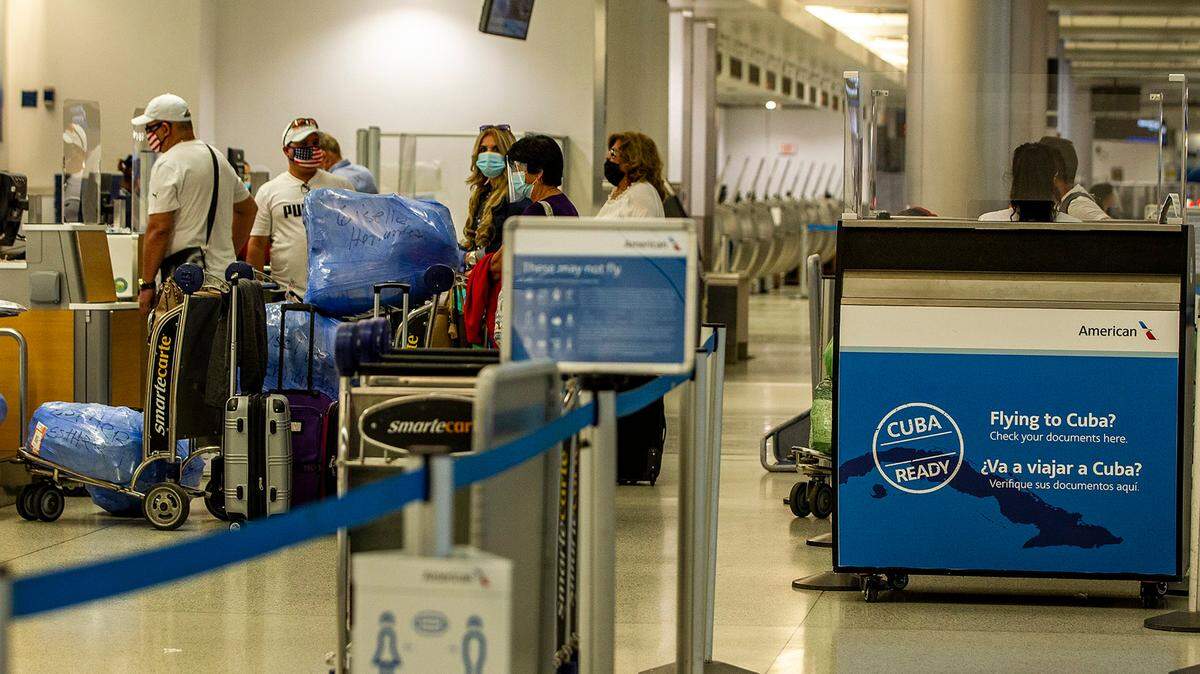
Travelers from Miami can now bring renewable energy equipment into Cuba duty-free as blackouts worsen and fuel shortages deepen on the island.
Facing a growing energy crisis, the Cuban government has expanded its list of tariff-free imports to include solar panels, electric vehicle chargers, and other renewable energy equipment.
The new policy, effective immediately, allows travelers to bring these items into Cuba through airports without paying customs duties.
The measure was announced by the Ministry of Finance and Prices in Resolution 169, published Friday in Official Gazette No. 60. It updates the rules for importing “photovoltaic solar systems, their parts, and essential components,” and is part of the government’s push toward an energy transition amid collapsing thermoelectric plants and chronic fuel shortages.
Tax-free tech
Under the new resolution, customs exemptions are extended to individuals and businesses importing not only solar panels, but also solar water heaters, wind turbines, biomass processing machinery and energy efficiency equipment. Key components of these systems are also included.
One major addition: EV chargers powered by renewable sources are now exempt from import taxes.
The policy supports the government’s shift toward sustainable energy in the face of increasing blackouts and a worsening public transportation crisis.
New rules for travelers
Cuba’s customs authority emphasized that these items must be brought in a single parcel to qualify for the exemption; split shipments are not eligible. Travelers arriving through airports must declare these goods separately from their regular luggage.
Importantly, these items do not count toward Cuba’s usual $1,000 duty-free limit for personal imports, offering travelers more flexibility when bringing green technology into the country.
Streamlining the process
Yenisley Ortíz Mantecón, Cuba’s deputy finance minister, said the new measure simplifies customs procedures by allowing renewable energy equipment to be declared separately from other imported goods. This move, she said, removes “bureaucratic barriers” that have long slowed down the process.
Broader exemptions
Since July 2021, following mass protests, Cuba has maintained a separate customs exemption for food, medicine, and other essential goods. That exemption, widely used by Cuban Americans in Miami to support relatives on the island, is currently in place through Sept. 30. It remains unclear if the Cuban government will extend it again.
Officials have repeatedly stated that these tariff exemptions are temporary, warning they reduce much-needed state revenue.
Still, the government appears to be betting on a long-term shift toward renewable energy to ease Cuba’s chronic energy problems — and is now relying in part on its diaspora to help power that transition.