Meet the Signals Network: Whistleblower protection org partnering with Miami Herald
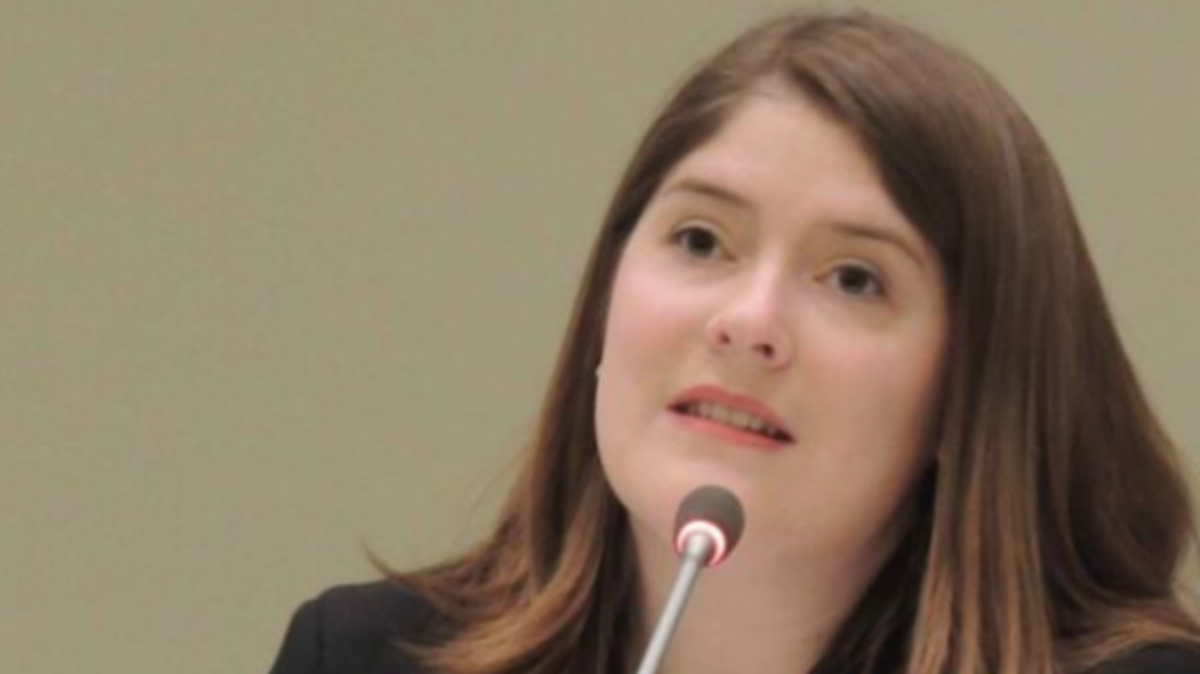
For six years, French-born Delphine Halgand-Mishra worked hard to help American journalists who were detained abroad. She won the James W Foley American Hostage Freedom Award in 2017 for her efforts.
But as she continued to lead Reporters Without Borders’ North America bureau, Halgand-Mishra started to realize journalists weren’t the only ones who needed help.
“I witnessed first hand the increasing crackdown on these top reporters in the U.S. and across the world [...] and at the same time, we were seeing more and more major revelations come out in the press thanks to whistleblowers, from Edward Snowden to European major leaks to Cambridge Analytica, Panama Papers and so on,” she said.
“I was really seeing that the journalists that I defended, they needed support, definitely,” the 35-year-old continued. “But whistleblowers and sources also needed support and there was nothing that could support them at the international level or with official understanding of the work relationship with media.”
That’s when she had the idea for the Signals Network — the organization that recently coordinated the collaboration between the Miami Herald, its parent company, McClatchy, and several other newsrooms across Europe as they worked together on an international investigation into blood plasma donation machines.
Founded in 2017, the Signals Network serves as a whistleblower protection agency, providing legal, psychological and online security support to individuals who have contributed to published reports of wrongdoing. It also helps coordinate collaborations between media outlets as they investigate issues with information provided by whistleblowers.
“We help this innocent democratic process because the media cannot provide legal support directly to their sources for ethical reasons,” Halgand-Mishra said. “And so we, in a sense, are filling that gap to not let the whistleblowers be alone in this journey — so they know that support exists and legal support can be there when they share information with the press.”
More specifically, the non-profit provides pro bono legal advice, covers co-pays of whistleblowers who seek counseling from the stress and helps with advocacy efforts if the identity of the whistleblower is publicly known.
The Signals Network started modestly and has steadily grown over the past three years. It currently operates its whistleblower protection program in 11 countries — the United States and 10 others in Europe.
“It’s hard to say in detail very publicly the whistleblowers we support because most of them are anonymous and their identity is not known publicly. But what I can tell you is that the whistleblowers we support provided information, very important information,” Halgand-Mishra — the executive director of the Signals Network — told the Miami Herald. “For example, the coronavirus, major corruption in Europe, medical devices, the #MeToo movement and I cannot link them exactly but I can tell you that they provided information to media like NPR, New York Times, The Intercept.”
In addition to the protection program, supporting media collaboration is a large part of the company’s work. For this specific months-long investigation, whistleblowers provided hundreds of documents to media publications in six countries and the Signals Network coordinated their collaboration.
The agency helped organize weekly calls and working calendars, made sure the tech set-ups remained safe and gave legal support to some of the whistleblowers who provided information.
“It’s a way for media to investigate collaboratively and to benefit from the findings of media in other countries,” Halgand-Mishra said. “But also, it’s a way for the media to reach a broader audience.”
The media partners on the project were as follows: the Miami Herald and McClatchy in the United States; Bastamag, Mediapart and Radio France in France; Die Zeit in Germany; El Mundo in Spain; Il Fatto Quotidiano in Italy and NRC Handelsblad in the Netherlands.
Combining all of their readerships along with the Signal Network’s, the investigation has the potential to reach 165 million people in six languages.
Aminda Marqués Gonzalez, the Miami Herald’s president, executive editor and publisher, recognized the importance of these types of media collaborations.
“Through our work on the Panama Papers, the Odebrecht scandal and other projects, we have learned that collaborating with other news organizations — even across borders — is a powerful way to extend our reach and serve our readers,” she said.
The investigation, called Plasma Files, can be read here.
This story was originally published July 1, 2020 at 11:00 AM.