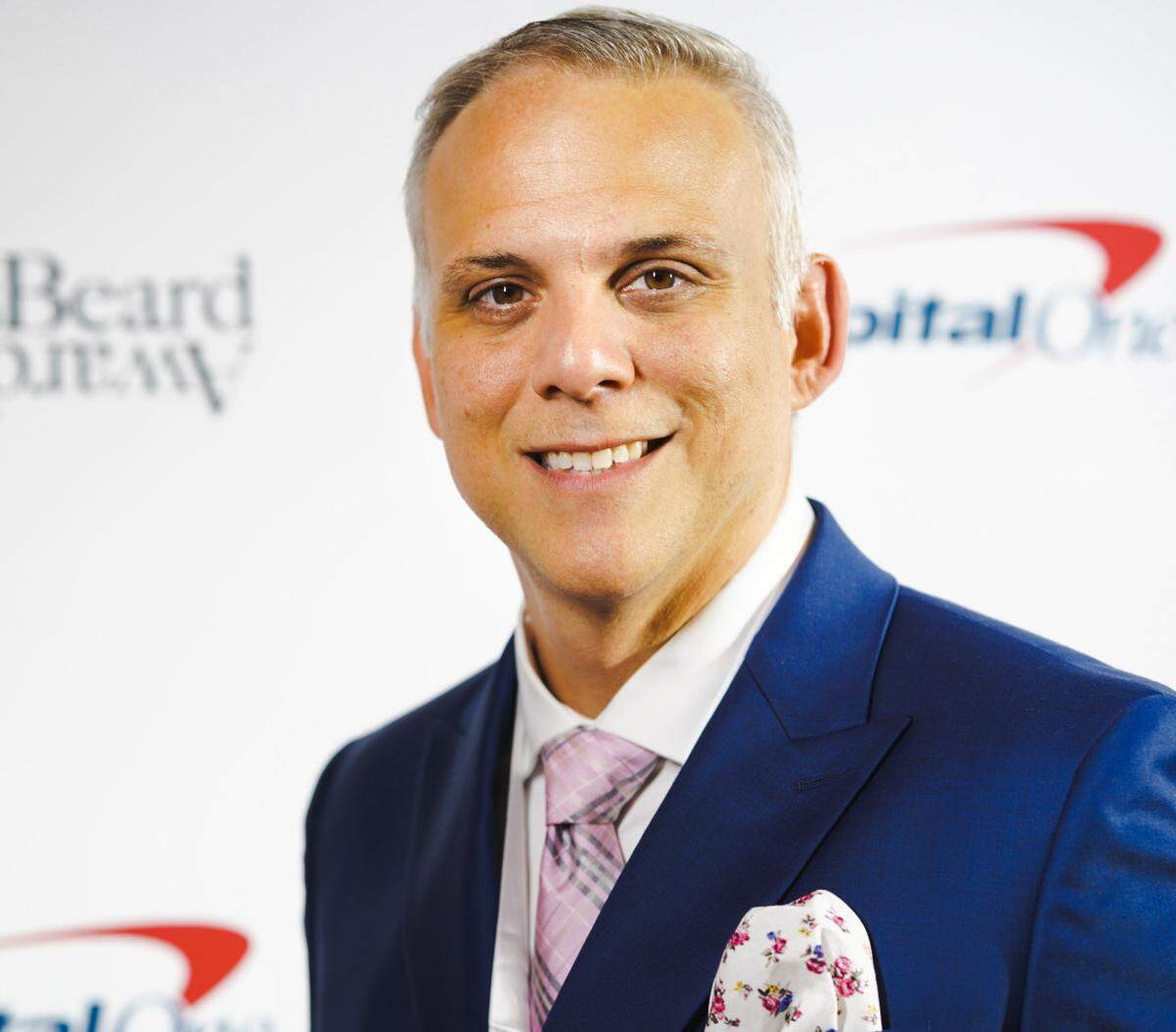
The man who turned Sedano’s supermarkets into the largest Hispanic chain has died
Manuel Herrán never worried when someone came to one of his Sedano’s supermarkets eager for a job but unable to speak English.
Even when his markets weren’t hiring, Herrán would find a place for a recently arrived immigrant in one of his 35 stores. And his customers, most of them Hispanic, many of them also recently arrived, found themselves reflected in his stores — comforted by foods they knew in the aisles and the language they spoke in the air.
Herrán set a new employee off with a vote of confidence: “If you work hard enough, you can take my job one day.”
Herrán, who built Sedano’s into the largest independently owned Hispanic supermarket chain in the country, with stores from Orlando to Homestead, died Oct. 15 from complications of diabetes. He was 83.
“I have this huge hole in my heart today,” said Agustin “Tino” Herrán, Manuel’s oldest son who runs the chain as CEO.
Manuel Agustin Herrán came to Miami as an immigrant from Cuba, giving generations of Cubans a taste of their long-lost country. But he was not Cuban.
Herrán, the oldest of five children, was born in Arenal, Spain, in a town of 500 people, where his family lived in a wooden three-room, two-story house above the lowing milk cows they raised.
His family fled a desperate Spanish economy in 1951 when Herrán was 14. He started working in a clothing store, where he met his wife of 56 years before their family had to flee again.
They escaped Fidel Castro’s revolution to Atlanta but soon his young wife’s uncle asked him to come to Hialeah. Armando Guerra told Herrán he needed his help running a 4,000-square-foot bodega he had just bought from a man named Rene Sedano.
They kept the name.
Herrán called his three brothers, who had settled in Elizabeth, New Jersey, to help him open other Sedano’s supermarkets. By the time Guerra died in 1979, the Herráns had opened four Sedano’s throughout Miami-Dade county.
Herrán created a grocery store to reflect the tastes of the nearly half million Cuban immigrants who came to South Florida between Fidel Castro’s revolution in 1959 and the early 1970s.
Where Publixes and Winn-Dixies might have an aisle dedicated to “ethnic foods,” Sedano’s entire store was focused on the Latino palate. Yucca and plantains imported from Latin America and the Caribbean in the produce section. Cumin, bay leaf and garlic in the spice aisle. Olive oil, the key ingredient in everything from mojo marinade to simple salads, shipped from Spain.
For a community struggling — to adapt, to speak, to cook the flavors of home — Sedano’s made daily life easier.
Publix claimed “where shopping is a pleasure.” Sedano’s countered, “el gusto es nuestro.”
The pleasure is ours.
Herrán preferred to spend his days inside the stores, talking to customers and shelf stockers, even when he was chairman of the company. The day before their newest store in Hialeah opened, he asked the staff to rearrange an entire aisle without even telling his son, the CEO.
When Versailles and La Carreta Cuban restaurants were forced to lay off employees at the start of the pandemic, Sedano’s committed to hiring up to 400 of them throughout its stores.
And they kept the business within the family, just as he and his brothers raised their children in houses next to one another in West Miami. Herrán’s son and nephews are all in leadership positions in the company.
Years after his success, Herrán returned to Spain and built a house across the street from his childhood home. And his children and grandchildren now spend their summers listening to the sounds of lowing cattle.
Herrán is survived by his wife, Nyria, and his children, Agustin Herrán and Magaly Santana; and his four grandchildren, Isabell and Victoria Herrán and Andrew and Adam Santana.
The family will hold a private burial Oct. 17.
This story was originally published October 16, 2020 at 5:45 PM.