‘This is next-level madness.’ Ball & Chain bar in Little Havana is shut by the city.
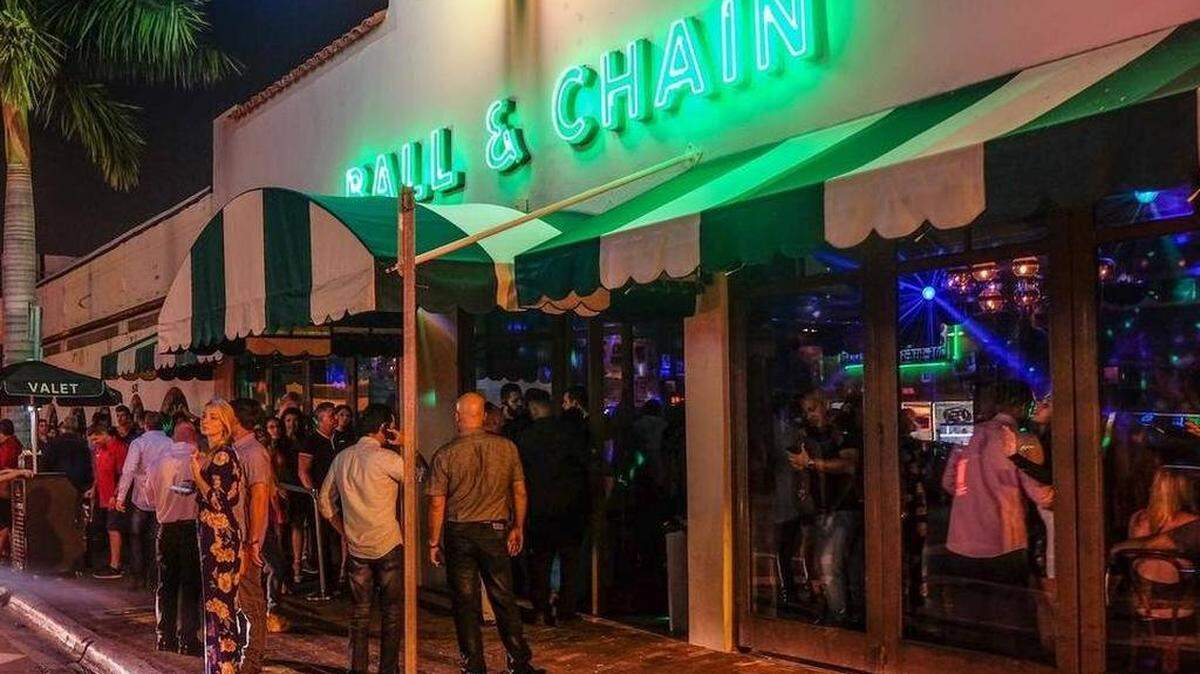
The tentpole of Calle Ocho’s revival has also become a lightning rod.
Ball & Chain bar and restaurant was shut down Oct. 22, after the city revoked its certificate of occupancy. It came hours after Miami city commissioner Joe Carollo co-sponsored legislation that could force a zoning administrator to revoke a business’ certificate of use.
Carollo, whom Ball & Chain co-owner Bill Fuller has sued for improperly using his elected position to harass the bar, co-sponsored the legislation, which changed just one word in the city code: “may.” In the section that governs denying or revoking a certificate of use, Section 2, Chapter 10, new wording says a zoning administrator now “shall” revoke a certificate of use if a business commits one of several violations.
The City Commission narrowly passed the ordinance, 3-2. Within hours, Ball & Chain was ordered shut. No other business in the city of Miami had its certificate revoked that day.
“This is next-level madness,” Fuller said. “This is not normal.”
The closure was not the result of the change to the city code, which would not take effect until the mayor signed it days later, a city spokesperson wrote in an email reply to the Miami Herald. The city was simply responding to new information that showed the nightclub still had code problems — information that differed from documents submitted earlier this year by a private inspector hired by Ball & Chain, the email read.
“When the city became aware, the city took action,” city spokeswoman Stephanie Severino wrote.
The city conducted an audit of the private inspector’s documents, she wrote, though it did not comment on how often it conducts such audits — or if anything specifically triggered the review.
Days after the closure, Miami City Manager Art Noriega released a statement defending administrators’ actions, seeking to “set the record straight” on the closure.
“This action was taken after City building officials found issues with information provided by Ball and Chain related to fire safety and compliance with the Americans with Disabilities Act (ADA),” Noriega wrote. “This is not the first time that the owners of Ball & Chain have been issued violations.”
Noriega said the city took action to ensure safety, and while his administration is sympathetic to Ball & Chain’s employees and customers, the city’s duty remains to protect residents’ safety.
Ball & Chain, built in 1935, had been found to have several violations or structures that did not meet current code and did not show up in the city’s digital or microfiche archives. So Fuller says his company received a new permit March 11 to use the time the bar had to be closed for the coronavirus to make the updates and repairs.
Fuller says the work was finished in August and, after a walk-through by the appropriate city departments, the bar was issued a certificate of occupancy Sept. 11.
But the city of Miami completed a series of audits of Ball & Chain in the week leading up to the vote, including one the morning of, city files show. They found 38 deficiencies, ranging from not being able to verify existing structures in the city’s film archives to the doors of the women’s bathroom stall swinging the wrong way. The fire chief added nine more complaints at 11:51 a.m., shortly after the commissioners voted to change the wording in their code.
“I didn’t think in a million years they would do what they did,” Fuller said. “Our 120 employees, that’s who’s punished here.”
In 2018, Fuller sued Carollo over his persistent effort to uncover code violations at Ball & Chain. The businessman accused Carollo of violating his right to free speech by sending code enforcement on several Calle Ocho businesses he is affiliated with, all in retaliation for his support for one of Carollo’s political opponents in the 2017 city election.
The case has churned through federal court over the last two years, including a pre-trial mediation and an attempt by Carollo to have the case dismissed on the grounds that he has “qualified immunity,” a legal principle that protects government officials performing discretionary functions from civil suits. In 2019, the district court and a federal magistrate denied the motion to dismiss. Carollo appealed, putting a halt to the case for a year. In September, Carollo lost the appeal, which allows the parties to resume the case.
This story was originally published November 2, 2020 at 3:40 PM.