Skin Longevity Is Replacing Anti-Aging and the Routine Dermatologists Recommend Is Changing Too
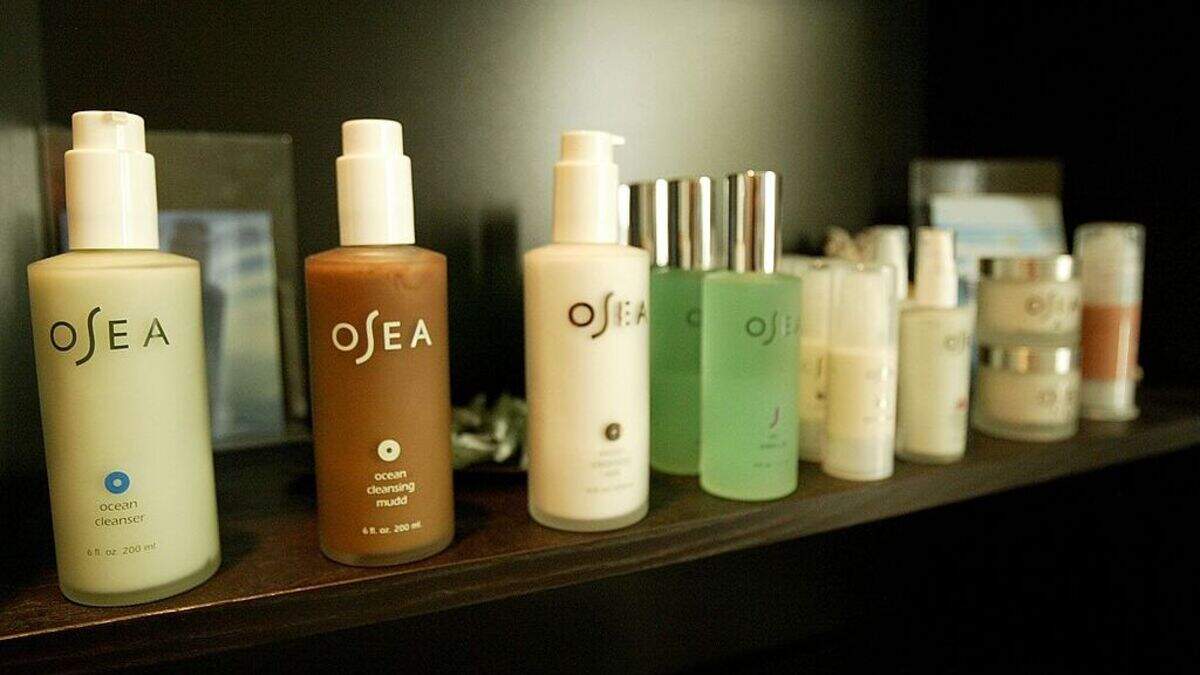
Skin longevity has moved from buzzword to research category, and the latest evidence is reshaping what dermatologists recommend for women who want to age well. The products on your bathroom shelf matter far less than what you eat, how you sleep and whether you wear sunscreen consistently.
That shift away from elaborate routines and toward fewer well-chosen ingredients backed by lifestyle habits is what skin longevity really means in 2026.
Why Skin Longevity Is Different Than Anti-Aging
Skin longevity is the practice of slowing visible aging through habits and ingredients with strong scientific backing rather than chasing each new product. A 2025 paper in the Journal of Cosmetic Dermatology frames it as a holistic roadmap, emphasizing that internal health drives most of what you see in the mirror.
Up to 80% of visible skin aging traces back to cumulative unprotected UV exposure over a lifetime, per a 2013 study in Clinical, Cosmetic and Investigational Dermatology. Note the keyword is word unprotected. Time outdoors supports vitamin D synthesis, mood and circadian rhythm. The intervention is daily SPF on the face and hands, not avoiding the sun entirely.
Why the Evidence Is Shifting the Skin Longevity Conversation
A July 2025 network meta-analysis in Scientific Reports pooled 23 randomized controlled trials covering 3,905 participants and ranked retinol and tretinoin highest for fine wrinkles and hyperpigmentation among all topical anti-aging interventions studied.
An October 2025 study in the British Journal of Dermatology found women aged 40 to 50 who looked younger than their chronological age shared a more resilient skin microbiome. The study was funded by Unilever and all authors are Unilever employees, so independent replication is still needed.
The practical takeaway from the new research is consistent: fewer products used consistently outperform elaborate routines.
The Lifestyle Factors That Drive Most of Skin Aging
A Mediterranean-style diet reduces the chronic low-grade inflammation known as inflammaging that degrades collagen and slows skin repair. Swapping ultra-processed foods for whole, colorful foods is one of the most evidence-backed anti-aging moves available, and it costs less than most serums.
Movement matters too. About 150 minutes of moderate aerobic exercise per week improves blood flow, lowers stress and supports collagen production, per the Skinspan roadmap. A January 2026 study in the Indian Dermatology Online Journal found measurable differences in skin moisture between low-activity and moderate-to-high-activity groups.
Sleep and stress are the most underrated levers. Poor sleep impairs barrier function and accelerates visible aging. Chronic stress elevates cortisol, which degrades collagen and slows barrier recovery. Neither shows up on a product label, and both move the needle more than most topicals.
The Core Topical Routine Dermatologists Recommend
The evidence-backed core is short.
- Broad-spectrum SPF 30 or higher, applied daily to face and hands. The single most impactful topical step, year-round, regardless of skin tone.
- A retinoid at night. Tretinoin, available by prescription, has the strongest evidence per a November 2025 review in the Journal of Clinical Medicine. Retinol is the well-supported OTC option. Start low, go slow, buffer over moisturizer to reduce irritation.
- A ceramide-rich moisturizer to support the skin barrier, which matters more than most serums layered above it.
- Antioxidants like vitamin C in the morning under SPF, and niacinamide, which is well-tolerated and genuinely multifunctional.
Dermatologists increasingly advocate for letting skin rest. Some nights a cleanser and moisturizer is the right call. Over-layering actives disrupts the barrier faster than it repairs, and skin does its most active repair work during sleep.
What the Evidence Doesn’t Support For Healthy Skin
More products do not equal better results. Most proprietary longevity serum claims outpace the research. A March 2026 review in the Journal of Cosmetic Dermatology notes that most experimental longevity interventions are not yet ready for routine clinical adoption.
Skincare cannot substitute for sleep, diet, exercise and consistent sun protection. The simplest effective routine is the one your dermatologist has been recommending for years: sunscreen, a retinoid, a moisturizer, the occasional rest night and a life that supports your skin from the inside.
This article was created by content specialists using various tools, including AI.
This story was originally published June 12, 2026 at 12:30 PM with the headline "Skin Longevity Is Replacing Anti-Aging and the Routine Dermatologists Recommend Is Changing Too."