Researchers Used AI to Find a Side Effect-Free Ozempic Alternative Your Body Has Been Making All Along
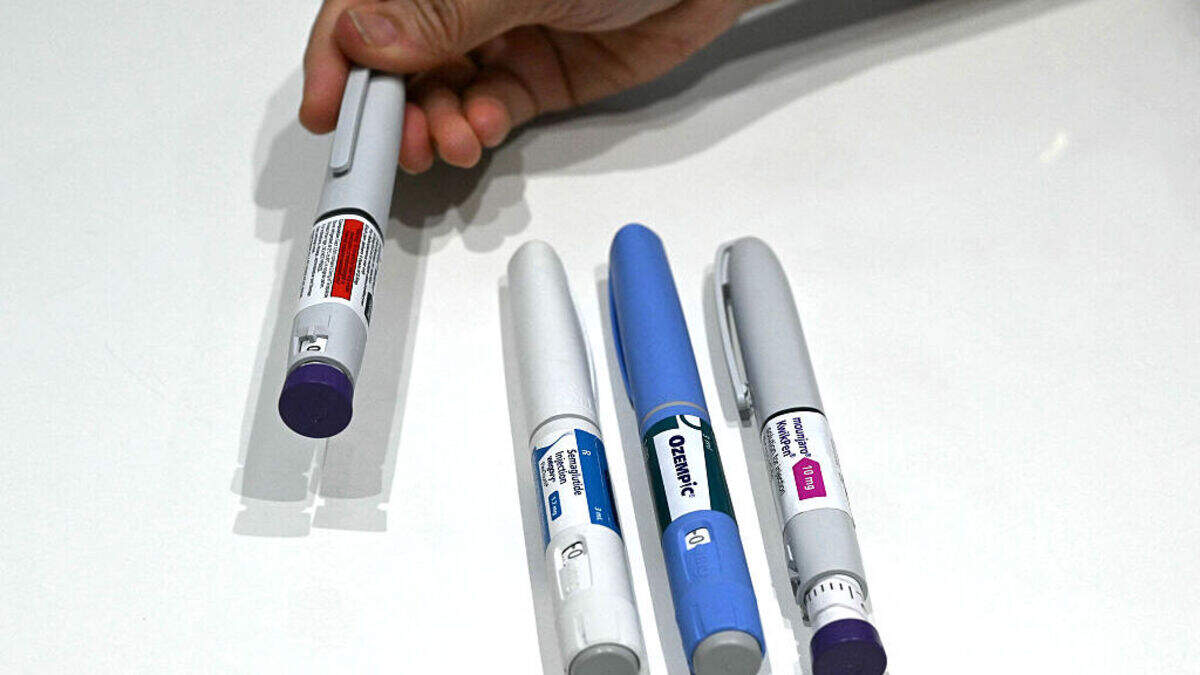
The search for GLP-1 alternatives just got a lot more interesting. A Stanford Medicine team using artificial intelligence identified a naturally occurring molecule in the human body that suppressed appetite and reduced food intake by up to 50% in animal studies, without the nausea, constipation or muscle loss that affect millions of Ozempic and Wegovy users.
The molecule, a 12-amino-acid peptide called BRP, has not been tested in humans yet. But the findings, published in Nature in March 2025, have reignited a question a lot of people on weight-loss drugs are quietly asking: is there something that works like a GLP-1 without making you feel awful? If you’ve been exploring how lifestyle approaches can support the same metabolic pathways, BRP is the pharmaceutical side of that same conversation.
What BRP Is and How It Differs From Ozempic
BRP stands for BRINP2-related peptide, named for the parent prohormone it comes from. Stanford researchers found it using an AI tool called Peptide Predictor, which scanned more than 2,600 previously uncharacterized human peptide fragments looking for ones that might act as hormones.
Unlike semaglutide, the active ingredient in Ozempic and Wegovy, BRP is not a GLP-1 agonist. It acts on a distinct but related metabolic pathway.
The targeting is the key scientific claim. Semaglutide binds to receptors in the brain, gut, pancreas and other tissues, which is part of why side effects show up across so many organ systems. BRP appears to act specifically in the hypothalamus, the brain region that controls appetite and metabolism.
In lean mice and minipigs, a single intramuscular injection of BRP before feeding cut food intake by up to 50% within one hour. The animals showed no nausea, no food aversion and no significant muscle loss.
Why the Side Effect Question Matters for GLP-1 Users
The interest in GLP-1 alternatives is driven by real-world data on how the current drugs feel to take. A nationally representative RAND Corporation survey of 8,793 U.S. adults, released August 2025, found roughly half of GLP-1 users experienced nausea and about a third experienced diarrhea. A separate University of Pennsylvania analysis published in Nature Health in April 2026 scanned 400,000 Reddit posts from 70,000 GLP-1 users and found 44% reported at least one side effect.
The Penn study also flagged reproductive symptoms including menstrual irregularities as potentially underreported, a finding that matters because GLP-1 prescribing has expanded rapidly among women. The Reddit dataset has limitations since the user base skews younger and male, but the signal aligns with what clinicians have been describing for years. Muscle loss has been another persistent concern, with researchers debating how much of the weight lost on GLP-1 drugs is fat versus lean mass.
When BRP Could Actually Reach People
BRP is preclinical. It has not been tested in humans, has not been reviewed by the FDA and is several stages away from any pharmacy shelf. Stanford says human clinical trials are expected in the near future, but drug development timelines from first-in-human trial to approval typically span several years. The 50% food intake reduction was measured over one hour after injection in animals, not across weeks or months in people.
There is also a financial interest worth knowing about. Lead author Katrin Svensson and co-author Laetitia Coassolo are listed as inventors on patents related to BRP peptides. Svensson is co-founder of Merrifield Therapeutics, the company planning to commercialize BRP. The study was funded by the National Institutes of Health. Disclosed conflicts of interest are standard in translational research, but it is context readers deserve.
What “Natural” Means Here
BRP occurs naturally in the human body, produced from the BRINP2 prohormone. It is not something you can get from food, a supplement or a cleanse. If BRP eventually becomes a treatment, it will be a synthesized peptide delivered by injection.
“Natural” in pharmacology means biologically derived or biologically identical, not over-the-counter. The appetite-suppressant supplement market is already full of products marketed as Ozempic alternatives with no clinical backing. BRP is not one of those. It is serious early-stage research.
What This Means for People Currently on GLP-1 Drugs
For anyone currently taking a GLP-1, BRP does not change today’s options. The drugs available now remain the only clinically validated pharmaceutical tools for the metabolic effects they produce. People struggling with side effects should talk with their prescriber, not wait for a research peptide.
The longer-term picture is more interesting. If BRP pans out in human trials, the next generation of metabolic drugs could be more selective, with fewer systemic effects and better tolerability. Whether the science delivers on that is what the clinical trials will have to answer.
This article was created by content specialists using various tools, including AI.
This story was originally published June 11, 2026 at 3:40 PM with the headline "Researchers Used AI to Find a Side Effect-Free Ozempic Alternative Your Body Has Been Making All Along."