Why Homestay Travel Is Growing Fast Among Travelers Seeking Authentic Experiences
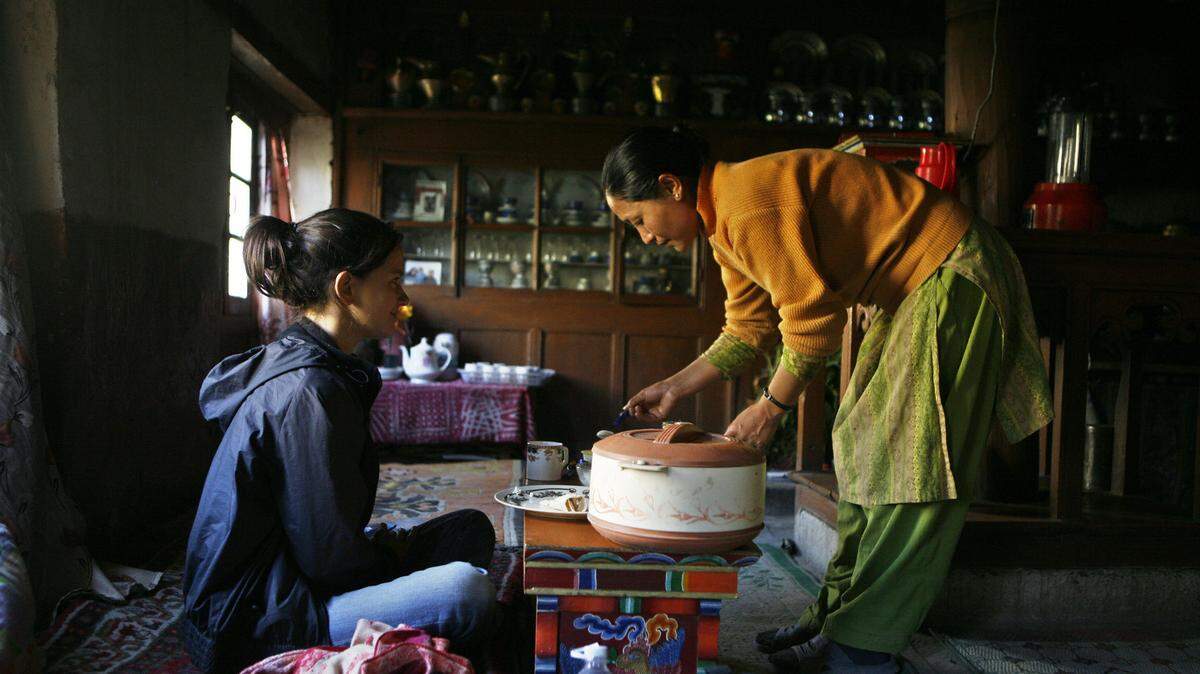
Accommodation is one of the most underrated decisions a traveler can make. It’s not just a place to sleep — it’s a gateway into the culture, rhythm and soul of a destination. For travelers who want to go beyond sightseeing and actually experience a place, a homestay offers something no hotel can match: a real home, a real family and a real window into local life.
As Anthony Bourdain put it, “Be a traveler, not a tourist.” That mindset is fueling a measurable shift in how people plan their trips — and it’s putting homestays at the center of a growing movement toward immersive travel.
What a Homestay Actually Is
A homestay is simply lodging in a local’s home rather than a hotel, hostel or campsite. But the experience goes far beyond the accommodation itself. Staying with a host family means connecting with people from different backgrounds, being exposed to unfamiliar customs and traditions, eating authentic home-cooked food and gaining access to insider knowledge no travel guide can offer.
It’s the difference between taking a vacation and actually traveling — between watching a place from behind glass and stepping into the rhythm of someone’s daily life.
Why Demand for Homestays Is Growing
The numbers tell the story. 2025 Skift research reveals that 86 percent of travelers are now prioritizing immersive experiences over traditional sightseeing. Millennials (80 percent) and Gen Z (75 percent) are driving this trend, with 86 percent seeking entertainment, sports and cultural activities when traveling.
A 2026 study by the European Travel Commission, published in its latest Assessment of Responsible Travel Behaviours of Long-haul Travellers to Europe, found that travelers are increasingly seeking local and authentic experiences — and showing a growing openness to destinations beyond the main tourism routes. Homestays sit squarely at the intersection of both trends.
The Benefits of Choosing a Homestay
The advantages of choosing a homestay over traditional accommodation are both practical and deeply personal. Travelers who opt in typically gain access to a kind of experience that hotels simply aren’t built to deliver. It’s not just about saving money or scoring a quieter room — it’s about what happens when you share a kitchen, a meal or a conversation with someone who actually lives there.
Travelers who choose homestays typically gain:
- Full immersion in local culture without feeling like an outsider
- Stories, perspectives and hospitality from hosts who open up their homes and their lives
- Better language exposure than a short hotel stay could ever provide
- Authentic, home-cooked meals prepared by someone who actually knows how they should taste
- Cost savings compared to most traditional accommodation options
- Access to unique, off-the-beaten-path experiences that aren’t available to typical tourists
Is Homestay Travel Safe?
Safety is one of the most common concerns for first-time homestay travelers — and it’s a reasonable one. Opening yourself up to staying in a stranger’s home requires a level of trust that booking a chain hotel simply doesn’t. But the trade-off, for many, is worth the extra preparation.
A few practical steps go a long way: researching local laws and cultural customs before arrival, reading reviews carefully on booking platforms, and thoroughly vetting a host’s profile — including photos, hosting history, guest feedback and any listed house rules — before committing to a booking.
How to Find a Homestay
The good news for travelers ready to try immersive travel through a homestay: the booking infrastructure has caught up with the demand. Several platforms now specialize in connecting travelers with hosts around the world, each with a slightly different angle depending on what kind of trip you’re planning.
Recommended resources include:
- Homestay.com — a dedicated homestay booking platform with global listings
- Worldpackers — connects travelers with hosts in exchange for skills or volunteer work
- WWOOF — focused on organic farming hosts around the world
- Couchsurfing — a community-driven platform for staying with locals at no cost
Travel forums and first-hand recommendations from people who have already done homestay trips are also invaluable. A well-placed question in the right community can surface hosts and experiences that algorithms never will.
Visiting Versus Experiencing
Beyond the logistics, a homestay represents a fundamentally different philosophy of exploring the world — one built on connection and authenticity rather than checklists and itineraries. It’s slower. It’s messier. It requires you to show up as a guest rather than a customer.
Hotels have their place — for short stays, business trips or when predictable comfort is the priority. But for travelers looking to grow, connect and genuinely feel a place rather than just pass through it, homestays offer something irreplaceable.
The question worth asking before any trip: are you visiting, or are you actually experiencing?
This article was created by content specialists using various tools, including AI.