The World’s Best Craft Markets to Visit: From Istanbul’s Grand Bazaar to Kyoto’s Temple Markets
As more travelers ditch tourist traps in favor of authentic experiences, craft markets have become one of the most rewarding ways to see the real side of a destination — and bring home a souvenir that actually means something.
What Are the Most Beautiful Craft Markets in the World Worth Traveling For?
Ten standout craft markets across six continents are worth building a trip around: the International Folk Art Market in Santa Fe, New Mexico; Pisac Market in Peru; the Monastiraki Flea Market in Athens; the Maui Swap Meet in Hawaii; the Grand Bazaar in Istanbul; Bac Ha Market in Sapa, Vietnam; the Hyakumanben Handicraft Market in Kyoto; the Souks of Marrakech in Morocco; Las Bóvedas in Cartagena, Colombia; and the Chatuchak Weekend Market in Bangkok.
Markets are one of the oldest forms of human commerce, dating back to ancient Egypt, Greece and Rome. The word “marketing” itself traces back to the signs vendors once used to display their wares.
These craft markets offer a meaningful alternative to mass-produced souvenirs. Each one is rooted in local tradition and craftsmanship, with goods sold directly by the artisans who make them. Shopping locally is also a greener form of tourism that helps protect cultural spaces for future generations.
The appetite is there. According to YouGov data, two out of three Americans bring back a souvenir from their travels, and U.S. souvenir sales topped $21 billion in 2022. Craft markets channel that spending toward the people who actually made the goods.
What sets these particular markets apart is scale, history and atmosphere. Some, like Istanbul’s Grand Bazaar, have been operating for more than 500 years. Others, like the International Folk Art Market in Santa Fe, gather master artisans from more than 50 countries for a single multi-day event. A few — including the Maui Swap Meet and Kyoto’s Hyakumanben — function more as community gatherings than tourist destinations, which is part of why they reward the trip.
Which Is the Oldest and Largest Craft Market in the World?
Istanbul’s Grand Bazaar is the world’s oldest shopping mall and arguably still its largest, covering 61 streets with more than 4,000 stalls and dating back to 1461. Bangkok’s Chatuchak Weekend Market is the largest in Thailand and one of the largest anywhere, with over 15,000 stalls.
Located inside Istanbul’s walled city, the Grand Bazaar is a vivid window into ancient Ottoman culture. Vendors sell ceramics, hand-hammered copper, silver, textiles, carpets, jewelry, pashmina scarves, spices and Turkish delight under one roof. In 2014 it was listed as the world’s most visited tourist attraction, drawing 91 million visitors. Getting lost inside is part of the experience.
Bangkok’s Chatuchak Weekend Market hosts 11,500 local vendors and draws more than 200,000 visitors each week. The scale is staggering — free maps are available at information kiosks to help navigate. Like the Marrakech souks, Chatuchak is a full sensory experience of loud music, the smell of Thai street food and a buzzing, barter-friendly atmosphere. Everything is reasonably priced, which makes it one of the best-value market experiences anywhere in the world.
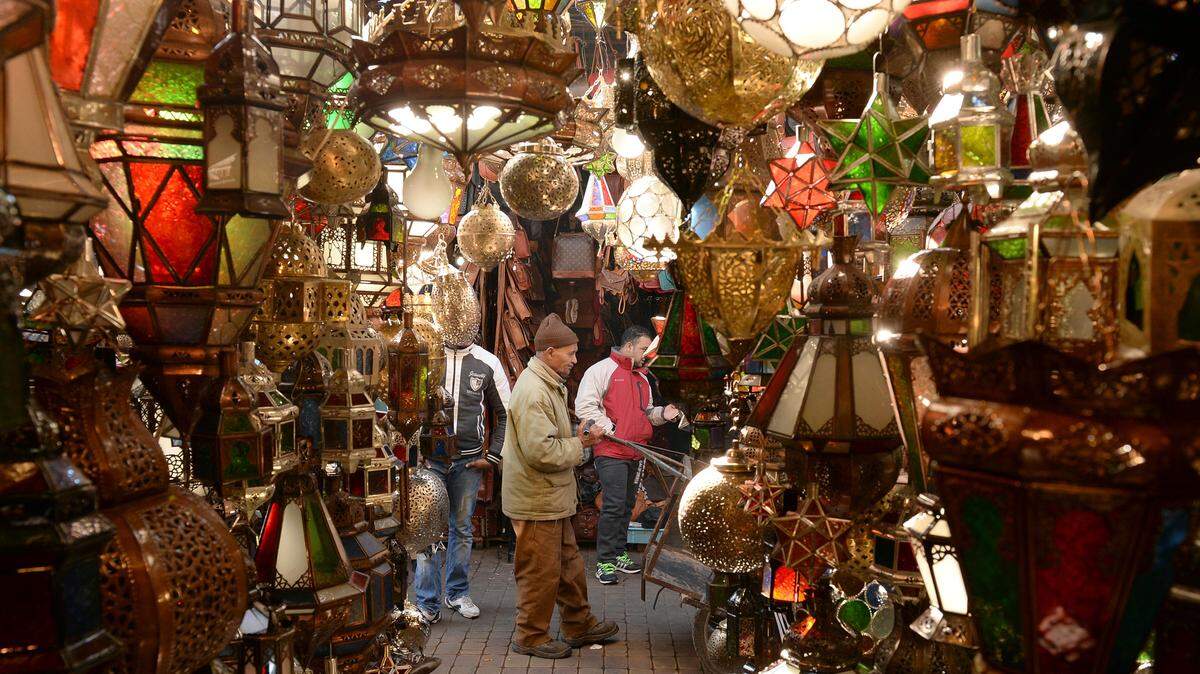
The Souks of Marrakech are the other heavyweight in the conversation. Among the most famous and atmospheric street markets in the world, the souks are over 1,000 years old and house more than 3,000 stalls selling Moroccan carpets, spices, antiques, tagines and handcrafted goods of every kind. The most valuable goods sit at the center of the bazaar, with prices becoming more accessible toward the outer edges. The sensory experience of vivid colors, the smell of spices and the energy of the vendors is overwhelming in the best possible way. Best visited in the morning or early evening to avoid the midday heat.
What Craft Markets in the Americas Are Worth Visiting?
Four markets in the Americas deliver authentic craft experiences worth a trip: Santa Fe’s International Folk Art Market, Peru’s Pisac Market, Cartagena’s Las Bóvedas and Hawaii’s Maui Swap Meet. Each anchors a different style of travel — collector-focused, Andean village, colonial-era and laid-back island.
The International Folk Art Market in Santa Fe, New Mexico, is a sprawling, multi-day event that gathers master artisans from over 50 countries to showcase and sell their traditional handmade crafts. It’s a pilgrimage destination for serious collectors and culture seekers alike.
Pisac Market in Peru’s Cusco Region is one of the largest traditional markets in the country and one of the liveliest Sunday markets in all of South America. Every Sunday morning, the main plaza fills with crafts made by Quechua inhabitants of nearby Andean villages, including high-quality hand-knit wools, ceramics, leather goods and jewelry. A smaller food market also runs on Tuesdays and Thursdays. There’s plenty for kids too, from handmade wristbands to small musical instruments.
Las Bóvedas sits inside the walled old city of Cartagena, Colombia, and occupies a remarkable piece of Spanish colonial architecture dating to the 18th century — 47 arches and 23 domes originally built as munitions storage and later used as a wartime prison. Today the former dungeon cells house market shops selling hand-woven bags, artwork, handmade Colombian hammocks, trinkets and local souvenirs. The surrounding area buzzes with energy during market hours.
The Maui Swap Meet in Kahului, Hawaii, is the most low-key entry on the list. Held every Saturday morning, it’s less a tourist attraction and more a community gathering. Local vendors sell handmade jewelry, wood carvings, island-grown produce and souvenirs that feel genuinely personal. It’s affordable, unpretentious and a refreshing counterpoint to Maui’s luxury resort scene — and it pairs well with travelers already on the island for a beach trip.
Which Asian and European Craft Markets Are Must-Sees for Travelers?
Three additional markets round out the list for travelers heading to Asia or Europe: Bac Ha Market in Sapa, Vietnam; the Hyakumanben Handicraft Market in Kyoto, Japan; and the Monastiraki Flea Market in Athens, Greece.
Bac Ha is one of the busiest and most visually striking markets in its region, drawing multiple ethnic minority groups who barter and sell their goods each week. The Flower Hmong people arrive in traditional costume, which makes it a photographer’s dream. Goods include traditional embroidered clothing, handmade textiles, local foods, homemade wine, herbal medicines and farm animals. The handmade embroidered items are some of the most authentic souvenirs available anywhere in Vietnam.
The Hyakumanben Handicraft Market is held on the 15th of each month in the garden of Kyoto’s Chionji temple. It draws local artisans who wouldn’t otherwise be able to afford permanent retail space in the city. Stalls overflow with geta wooden slippers, washi paper, lacquered umbrellas, Japanese fans, paper lanterns and yukatas. Local food delicacies are part of the appeal, including koi-shaped waffles filled with red bean paste and soy-coated rice crackers. The once-a-month schedule makes timing important — travelers planning a Kyoto trip should build the date into their itinerary.
For more information: Inside Artisan Workshop Travel: From $45 Fès Pottery to Florence’s $762 Leather School
Athens’ Monastiraki Flea Market stretches from the historic Plaka district to the trendy neighborhood of Thiseio. The open-air market forms a pedestrian-only ring around the foot of the Acropolis and has served as a gathering point for locals and travelers for thousands of years. Far from a typical flea market, Monastiraki offers handmade leather goods, independent artisan crafts, clothing, secondhand books, antiques, traditional tavernas, street performers and historic ruins — all in one sprawling, walkable space. The combination of shopping and ancient setting makes it one of the most atmospheric market experiences in Europe.
This article was created by content specialists using various tools, including AI.