Dark Sky Tourism Is Booming: The Best Stargazing Destinations to Visit in 2026
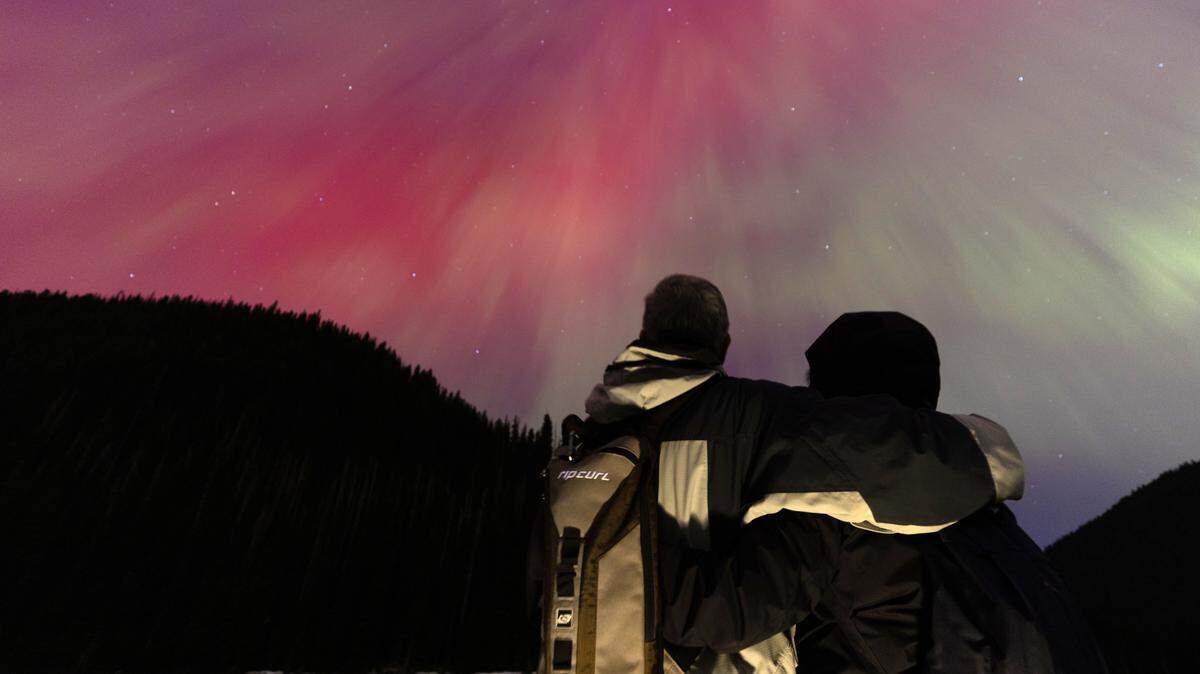
Light pollution is erasing the night sky for most of the world’s population — and travelers are paying real money to get it back. Dark sky tourism, the fast-growing travel trend built around visiting places with little to no light pollution, is projected to be worth $400 million globally by 2030, with roughly 10% annual growth. In Western Australia alone, 89% of visitors surveyed said they were interested in traveling specifically to see the stars.
The appeal is simple: clear views of the Milky Way, meteor showers, auroras and other celestial events that most city dwellers can no longer see from their backyards.
For more information: The Best Sleep Retreats in America for Stress Relief and Deep Rest in 2026
How Dark Sky Tourism Works
Tourism researchers in Australia define dark sky tourism as “tourism based on unpolluted night skies involving observation and appreciation of naturally occurring celestial phenomena.”
In practice, that covers a wide range of experiences — astronomical observatories, certified dark sky preserves, aurora viewing trips, dark sky festivals, solar eclipse travel, stargazing domes and astrophotography destinations.
Dark Sky International now recognizes more than 200 dark sky places across 22 countries, certifying destinations that protect the night sky and reduce artificial light. The certification has become a kind of shorthand for travelers planning trips around what they can see after sunset.
Why Dark Skies Matter Beyond Tourism
Dark skies are important for ecosystems and human health, research says. Wildlife depends on predictable patterns of darkness and light for migration, breeding and hunting. Hatchling sea turtles use the bright sea horizon to find the ocean. Many birds migrate at night using dark-sky cues. Nocturnal mammals depend on natural moonlight and starlight.
For humans, regular cycles of dark and light support sleep, navigation and overall well-being. Despite the rise in light pollution, dark sky tourism continues to grow as more travelers seek out places where those natural rhythms still hold.
Where to Go for Dark Sky Tourism
A handful of destinations have built reputations as the world’s best places to look up.
Yellowknife, Canada, is often called the aurora capital of North America, with an average of 240 potential viewing nights per year. In 2018, about 34,000 visitors spent CA$57 million in the Northwest Territories capital.
Tucson, Arizona, is one of the foundations of the movement. In 1972, it became the first city to adopt widespread ordinances to minimize light pollution. Nearby Saguaro National Park was recognized by Dark Sky International as an Urban Night Sky Place. “If you want to look up into the night sky and experience the southern Milky Way with a backdrop of mountains and saguaros — the giant cactuses — it’s great,” Peter McMahon, visitor centre operations manager at Kitt Peak National Observatory, told Gourmet Traveller.
Iceland’s Hotel Rangá is considered one of the country’s top stargazing destinations, with on-site astronomers and high-powered telescopes to help guests find constellations and the northern lights.
Lake Tekapo, New Zealand, is part of the Aoraki Mackenzie International Dark Sky Reserve, designated in 2012. At the time, it was the largest reserve of its kind in the world and the only one in the Southern Hemisphere. It includes Aoraki / Mount Cook National Park, the Mackenzie Basin, Lake Pukaki and Lake Tekapo.
Moab, Utah, is an International Dark Sky Community surrounded by Arches National Park, Canyonlands National Park, Natural Bridges National Monument and Hovenweep National Monument. Local lighting ordinances reduce light pollution, and residents can receive financial assistance to retrofit fixtures. Under Canvas Moab offers DarkSky-approved Stargazer tents with sky-viewing windows, and the Michelin two-key resort ULUM Moab offers upscale glamping nearby.
This article was created by content specialists using various tools, including AI.