The Rise of Hobby-Maxxing: Why People Are Returning to Childhood Hobbies in 2026
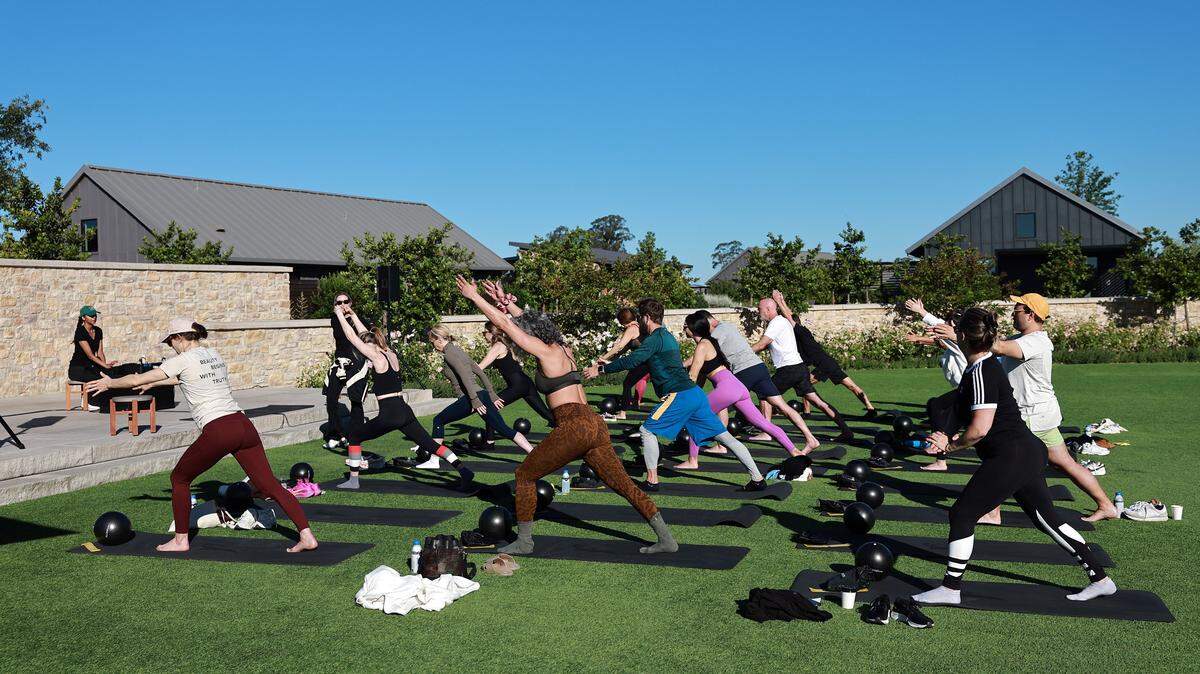
Doomscrolling is losing its grip. In 2026, a growing number of people are deliberately filling their calendars with pottery wheels, knitting needles, sourdough starters and running club meetups — a shift social media users are calling “hobby-maxxing.” It’s not just a vibe shift. Research increasingly links hands-on hobbies to better mental health, sharper memory and lower stress, giving the trend real weight beyond aesthetics.
The cultural pull toward analog living is reshaping how people spend their free time, what they post about and which platforms they use. Here’s what hobby-maxxing actually means — and why it has become one of the defining lifestyle trends of the year.
Hobby-maxxing describes the intentional choice to replace passive screen time with skill-based, tactile activities. Think pottery classes, watercolor lessons, baking, gardening, book clubs, Pilates, surf lessons and dance classes like hip hop. It overlaps with “nonna-maxxing,” a related trend centered on slower living, domestic rituals and old-school hobbies like cooking, gardening and crafting.
One TikTok user captured the spirit by sharing a packed weekly calendar that included “hip hop class,” “watercoloring class,” “volunteer gardening” and “surf and pilates lesson,” captioning the video: “hobbymaxxing as the kids say.”
The trend also has a nostalgic streak. On a Millennial thread on Reddit, one user wrote: “I’ve noticed a lot of people are reverting back to childhood hobbies this year. Examples being Legos, card collecting (Pokemon/MTG) and other gaming.” Another responded: “I’ve read that the best way to find joy as an adult is to do the things that brought you joy as a kid.”
Why Hobby-Maxxing Matters for Mental and Physical Health
The science is catching up to the trend. A 2022 study published in the National Library of Medicine identified more than 600 ways leisure activities may affect human health. Researchers found that hobbies can support the endocrine, immune and central nervous systems, and that stronger biological function may help reduce the risk of heart disease, stroke, dementia and some cancers.
Stress-reducing and movement-based hobbies may also improve cardiometabolic health, according to the study. Art-making specifically helps lower cortisol — the stress hormone — which is linked to reduced blood pressure and heart rate. Health responses vary depending on the person, the hobby and whether the activity is done alone or in a group, with some benefits showing up immediately and others developing over time.
Mental health data points the same way. A 2023 poll by the American Psychiatric Association found that 71% of people who reported “very good” or “excellent” mental health engaged in creative activities more frequently than those who described their mental health as “good,” “fair” or “poor.” Research cited in the poll suggests that if the hobby involves art, spending two or more hours per week on it offers the strongest well-being benefits.
For older adults, the cognitive payoff is notable too. A study published in the Journal of Cognitive Enhancement found that older adults with mild cognitive impairment who participated in cognitively stimulating hobbies like word games and puzzles showed better memory, attention and processing speed than those who did not.
Where the Hobby-Maxxing Community Is Growing
Hobby-maxxing isn’t happening in isolation. Niche platforms built around specific interests are scaling fast as more people look for community around their pursuits.
Ravelry, a social network for knitters, has more than 9 million users. Goodreads, the home base for book clubs and reading goals, has more than 150 million members. Strava, originally built for runners, cyclists and hikers, has increasingly become a social platform where fitness communities form and personal connections develop alongside training data.
The throughline: people aren’t just picking up hobbies — they’re finding others who care about the same ones.
Why 2026 Is the Year of Hobby-Maxxing
The trend reflects a broader cultural push toward analog living, creative self-expression and routines that support mental health. Hobby-maxxing offers an answer to screen fatigue that doesn’t require quitting technology entirely — just rebalancing where attention goes. With research backing the benefits and platforms making it easier to find a community, the appeal is straightforward: a fuller calendar, a quieter phone and, often, a better mood.
This article was created by content specialists using various tools, including AI.