Why Travelers Are Choosing Slow Travel Over Fast Itineraries and Packed Vacation Schedules in 2026
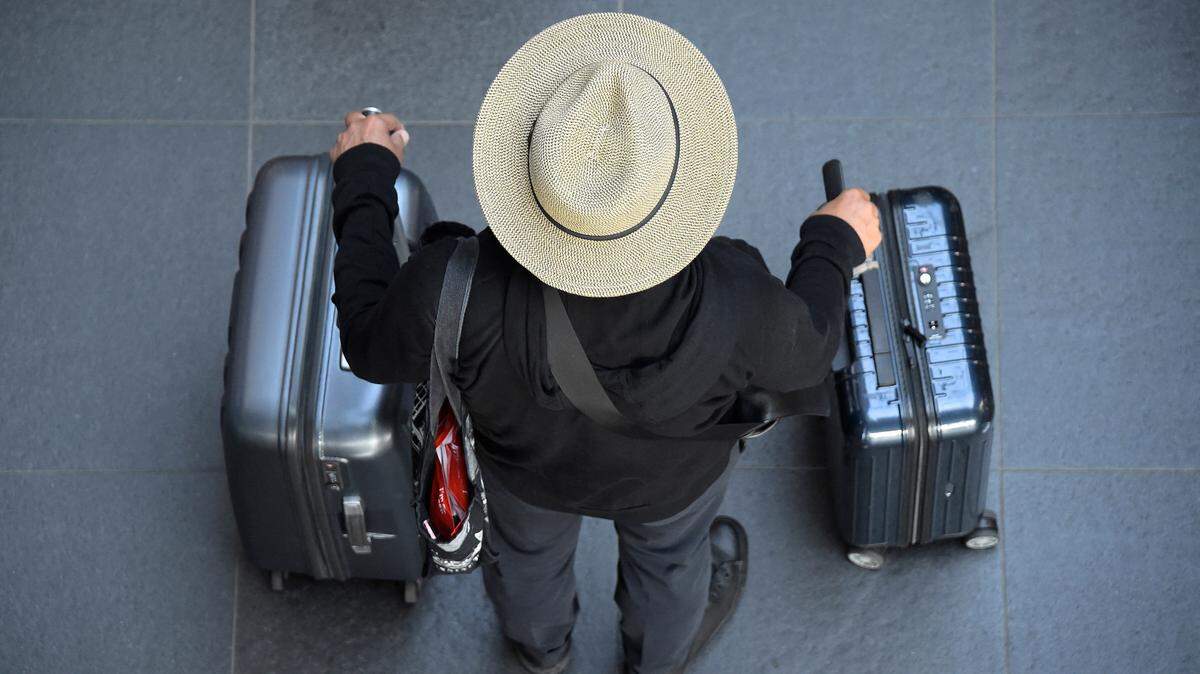
Slow travel is emerging as a defining travel trend for 2026, with Americans swapping packed itineraries for longer stays, fewer destinations and deeper local connection. Here’s what slow travel means, why it’s catching on and how to plan a trip that actually feels restorative.
What Is Slow Travel and Where Did the Trend Come From?
Slow travel is a vacation approach that emphasizes longer stays in a single destination, fewer landmarks and deeper connection with local culture, rather than racing through a packed itinerary.
The trend is shaping how Americans book trips for 2026, with travelers favoring walkable or car-free environments, local dining and regional cuisine, nature-based and cultural experiences and flexible schedules without rigid timelines. Instead of visiting multiple cities in one trip, slow travel often means spending all nine days in one place, staying in smaller hotels or guesthouses, eating at locally owned restaurants and avoiding overtouristed destinations like Amsterdam or Venice in favor of quieter alternatives.
The concept connects back to the broader Slow Movement, which grew from Italian activist Carlo Petrini’s International Slow Food movement, founded in 1989. The philosophy has since spread well beyond food to influence how people work, live and travel.
There’s also a financial logic at work. Many rentals, including Airbnbs and local guesthouses, offer discounts for weeklong or monthlong stays, which can make extended trips more affordable than a string of shorter ones.
“American travelers are approaching summer 2026 with confidence, but also with intention,” Paul-Adrien Maizener, CEO of Generali Global Assistance, said. “We’re seeing sustained demand for travel, paired with more thoughtful decisions around destinations, budgets, and protection. Travelers aren’t pulling back. They’re planning smarter and prioritizing peace of mind as part of the journey.”
Why Are Travelers Choosing Slow Travel Right Now?
Travelers are choosing slow travel because it delivers more spontaneity, lower costs, deeper local immersion and a smaller environmental footprint than a multi-city sprint.
“At its core, I think slow travel is about intentionality and connection,” slow travel creator Gi Shieh told The Good Trade. “It’s about spending more time at a destination to immerse yourself fully in the beauty and uniqueness of the land and its people.”
Shieh added: “Slow travel also means taking the time to note all the little details that make a place beautiful. Traveling slowly gives you a more mindful connection to the place you’re visiting.”
Rigid schedules leave little room for unexpected moments. Slow travel creates space for what fans of the trend call “magic” moments — saying yes to a local festival, discovering a hidden trail or spending hours at a neighborhood café without watching the clock. Without a day planned down to 15-minute increments, travelers can respond to what actually happens around them.
What Are the Top Destinations for Slow Travel In 2026?
Italy, Portugal and Japan rank among the top slow travel destinations, with each offering cultural traditions built around lingering, mindfulness and local rhythm rather than sightseeing checklists.
Italy is widely considered the birthplace of slow travel because of the Slow Food movement, which began in Rome in the 1980s to preserve regional culinary traditions and local economies against the spread of fast food. The country’s culture supports the trend through concepts like la dolce vita and the passeggiata — lingering over meals, enjoying small daily rituals and embracing slower rhythms. Italy’s rail network makes unhurried travel easy, and agriturismi, or farm stays, offer travelers a direct connection to rural life, traditional agriculture and local food.
Portugal is often described as one of Europe’s strongest slow travel destinations because it emphasizes everyday rituals over major sightseeing. Its culture reflects two defining ideas: saudade, a deep and reflective nostalgia, and sossego, meaning quiet, calm and tranquility. In regions like Alentejo, long lunches and slower daily rhythms shape local life. Travelers can stay at quintas, or wine estates, in the Douro Valley, experience port wine production firsthand and skip the pace of larger cities entirely.
Japan aligns naturally with slow travel through concepts like Ma, the beauty of empty space, and Ichigo Ichie, the uniqueness of a single moment. While the Shinkansen is famous for speed, rural rail routes and walking trails like the Kumano Kodo and Nakasendo encourage slower exploration. Onsen culture and tea ceremonies are built around stillness and presence. Temple stays allow travelers to live alongside monks, eat shojin ryori — traditional Buddhist vegetarian cuisine — and participate in morning meditation.
How Do You Plan a Slow Travel Trip?
Planning a slow travel trip starts with picking one home base for 7 to 10 days, leaving roughly half the schedule unplanned and choosing walkable neighborhoods over tourist districts.
Use a single-hub strategy. Choose one base and stay there for 7 to 10 days instead of moving between multiple cities. The repetition creates familiarity with a place and reduces the travel fatigue that comes from constantly packing, checking in and orienting yourself in a new spot.
Live like a local. Rent an apartment in a residential neighborhood rather than staying in a tourist district. Returning to the same bakery, café or market across several days helps travelers understand the actual pace and personality of a place — something a one-night hotel stay rarely delivers.
Leave room for spontaneity. Keep at least half of the trip unplanned. Slow travel works best when there is time to follow a local recommendation, sit somewhere longer than expected or change course based on the weather or a chance conversation.
Walk the last mile. Once at the destination, prioritize walking or cycling. Architecture, street life and neighborhood details are far more visible on foot than from inside a taxi or tour bus.
Prepare for less screen time. Download offline maps and language packs ahead of time. The goal is to spend less time navigating on a phone and more time actually paying attention to what’s around you.
Eat off the tourist strip. Avoid restaurants with menus in multiple languages designed for quick tourist turnover. Look for smaller places with short seasonal menus written in the local language — they tend to be cheaper, better and more representative of regional cooking.
This article was created by content specialists using various tools, including AI.