
Spirit cuts 200 jobs as ‘smaller’ South Florida airline seeks to emerge from bankruptcy
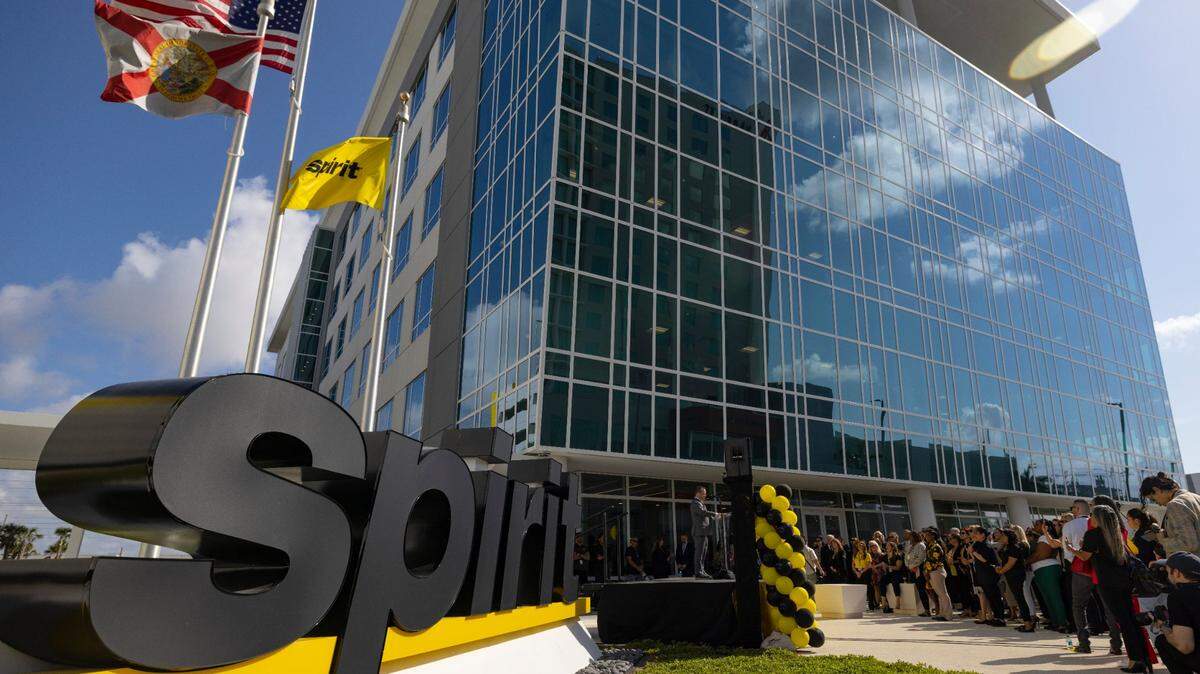
Broward-based Spirit Airlines, which filed for bankruptcy protection in November, has cut another 200 jobs across multiple departments, the company said on Thursday.
The move is part of $80 million in annual cost reductions the carrier embarked on last year. The cutback affects management and operations. The reduction also targets those in training and administrative support, areas the airline wants to consolidate.
The job cuts are “a necessary step” in moving forward, Ted Christie, President and CEO of Spirit, said in a letter he sent to employees on Jan. 15.
“The bottom line is, we need to run a smaller airline and get back on better financial footing,” the executive wrote. The Miami Herald obtained a copy of the letter. A Spirit spokesperson confirmed the reductions.
The discount airline with the bright yellow planes, with a new headquarters building in Dania Beach, filed for bankruptcy protection on Nov. 18 after several failed merger attempts.
Spirit has more than 60 daily flights at Fort Lauderdale-Hollywood International Airport and more than 30 at Miami International Airport. Spirit moved its headquarters from Miramar to the Dania Pointe mixed-use complex in April 2024.
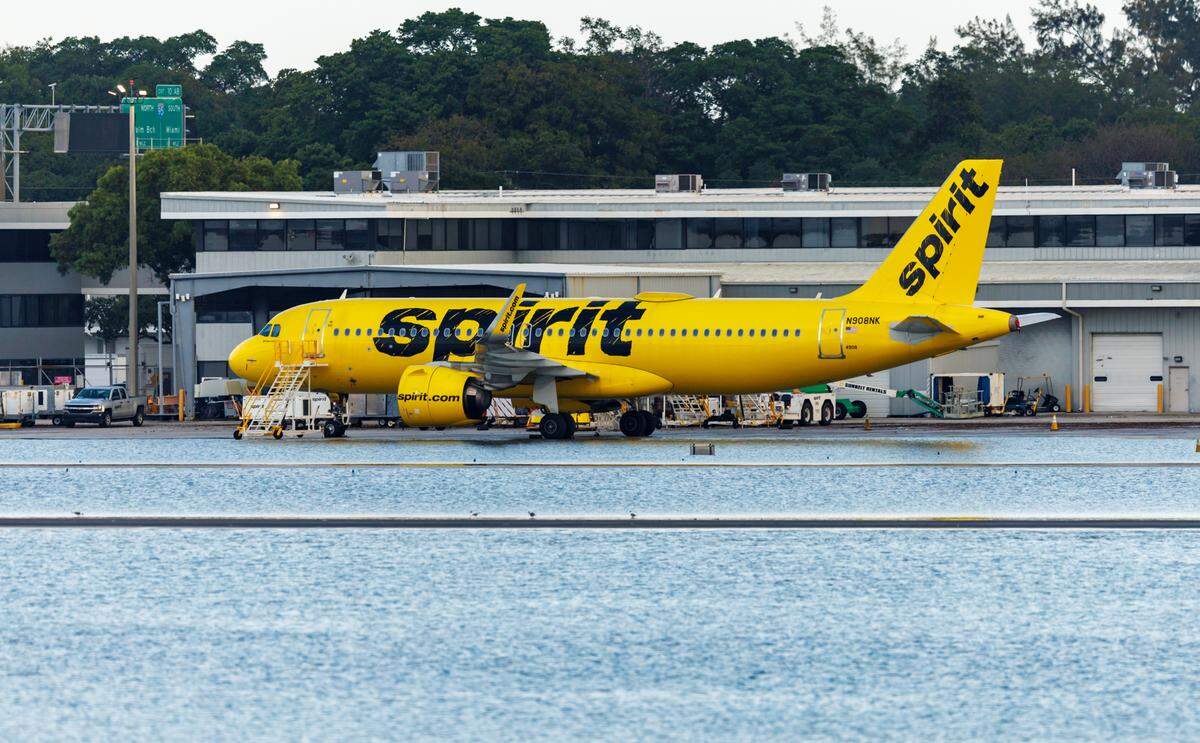
The job cuts made this week are part of larger staff reductions begun last year. They include pilot furloughs and “extended voluntary time off programs” for flight attendants. The airline is also closing three of its maintenance centers by the end of the first quarter.
“With all those actions, coupled with this week’s reductions to our workforce, we’ve now reached the $80 million target,” Christie wrote.
Neither the executive nor the company provided details on how travelers might be affected.
When the airline filed for bankruptcy protection last November, the company said people can continue “to book and fly without interruption and can use all tickets credits and loyalty points as normal,” and that “Spirit expects to continue operating its business in the normal course throughout this prearranged, streamlined Chapter 11 process.”
Yet with a smaller workforce, fewer travel options remain a possibility.
“Our actions ... and these cost savings are tied directly to the reduction in fleet and less flying in our forward plan,” Christie wrote in the Jan. 15 letter.
Spirit expects to complete restructuring in the next few months. “We remain on track to emerge from Chapter 11 in the first quarter of 2025,” Christie wrote.
About 20 years ago, Spirit started flying as what it dubbed an ultra-low-cost carrier. The airline offered travelers “unbundled” fares, meaning bare bones service without meals or WiFi.
Then giants including American Airlines and United Airlines began offering “unbundled” fares, too. New discount carriers emerged, both national and overseas.
In 2022, Spirit formed an agreement to merge with Frontier Airlines. Later that year, JetBlue offered to merge. Spirit then terminated the deal with Frontier and moved forward with JetBlue.
The U.S. Department of Justice had different plans.
The Biden administration had made antitrust enforcement a key pillar of its economic policies. The Department of Justice sued to stop Spirit’s merger with JetBlue. It emerged victorious when in January 2024, a federal judge blocked the deal, claiming it would have reduced competition and harmed consumers.
William G. Young, U.S. District Judge in Massachusetts, said in his ruling that the merger would block necessary competition between JetBlue and Spirit in the airline sector.
“JetBlue’s plan would eliminate the unique competition that Spirit provides—and about half of all ultra-low-cost airline seats in the industry—and leave tens of millions of travelers to face higher fares and fewer options,” he wrote in January.
He blocked the proposed deal on the grounds it violated U.S. antitrust law and would do harm to consumers.
What he didn’t calculate was Spirit’s precarious financial condition most of 2024.