
Broward-based Spirit Airlines has declared bankruptcy. How does that affect your travel?
Spirit Airlines filed for bankruptcy protection on Monday after several failed merger attempts. But the Broward-based discount airline says travelers shouldn’t worry.
“You can continue to book and fly now, and in the future,” the carrier said in a statement on Nov. 18.
Here’s what to know about traveling on Spirit in South Florida during the bankruptcy:
Spirit flights in Miami and Fort Lauderdale
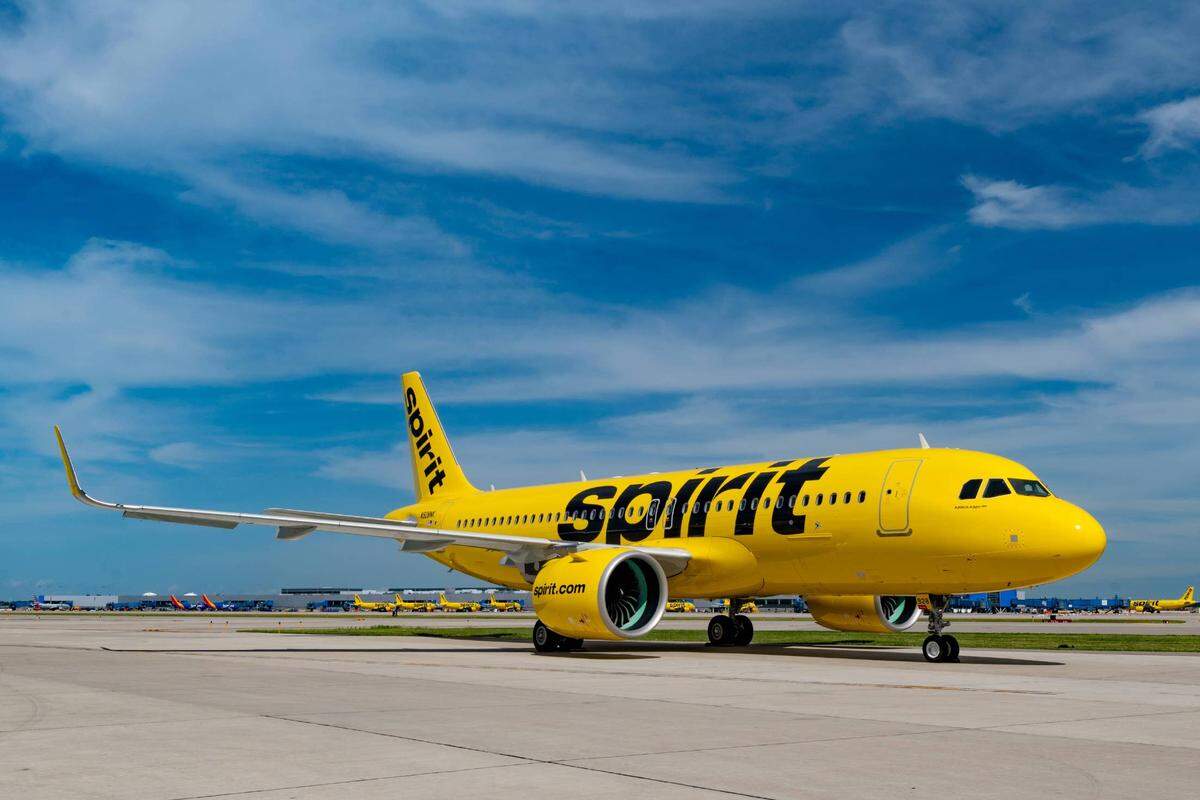
Spirit has more than 60 daily flights at Fort Lauderdale-Hollywood International Airport and more than 30 at Miami International Airport. The bright yellow planes should continue to take off and land as usual, the company said.
What about booking a flight and using loyalty points?
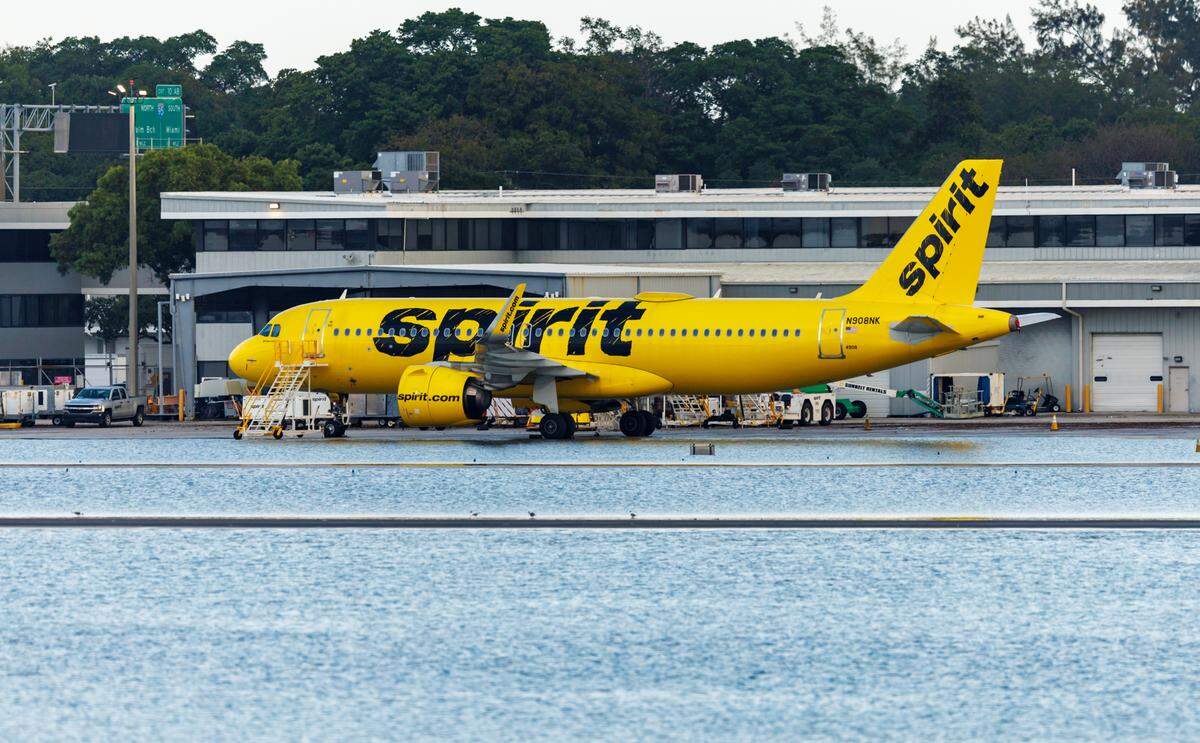
Travelers “can [continue] to book and fly without interruption and can use all tickets credits and loyalty points as normal,” the carrier said. “Spirit expects to continue operating its business in the normal course throughout this prearranged, streamlined Chapter 11 process.”
Travelers can also keep using the company’s Free Spirit loyalty program, Saver$Club benefits and credit card terms.
Are Spirit employees affected?
The Broward-based company, which employs over 21,000 people nationwide, said the restructuring process wouldn’t affect wages or benefits. “They are continuing to be paid and honored,” the carrier said. Vendors will also receive normal payments “in the ordinary course and will not be impaired.”
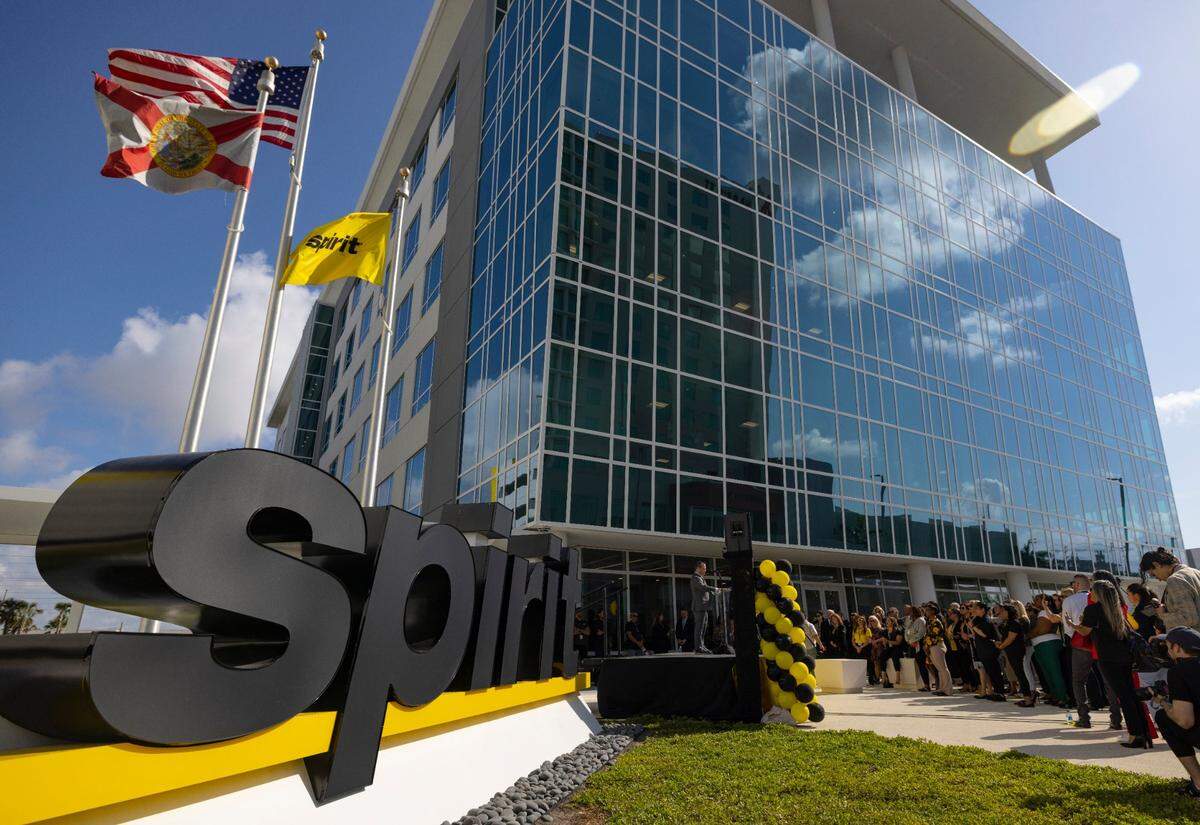
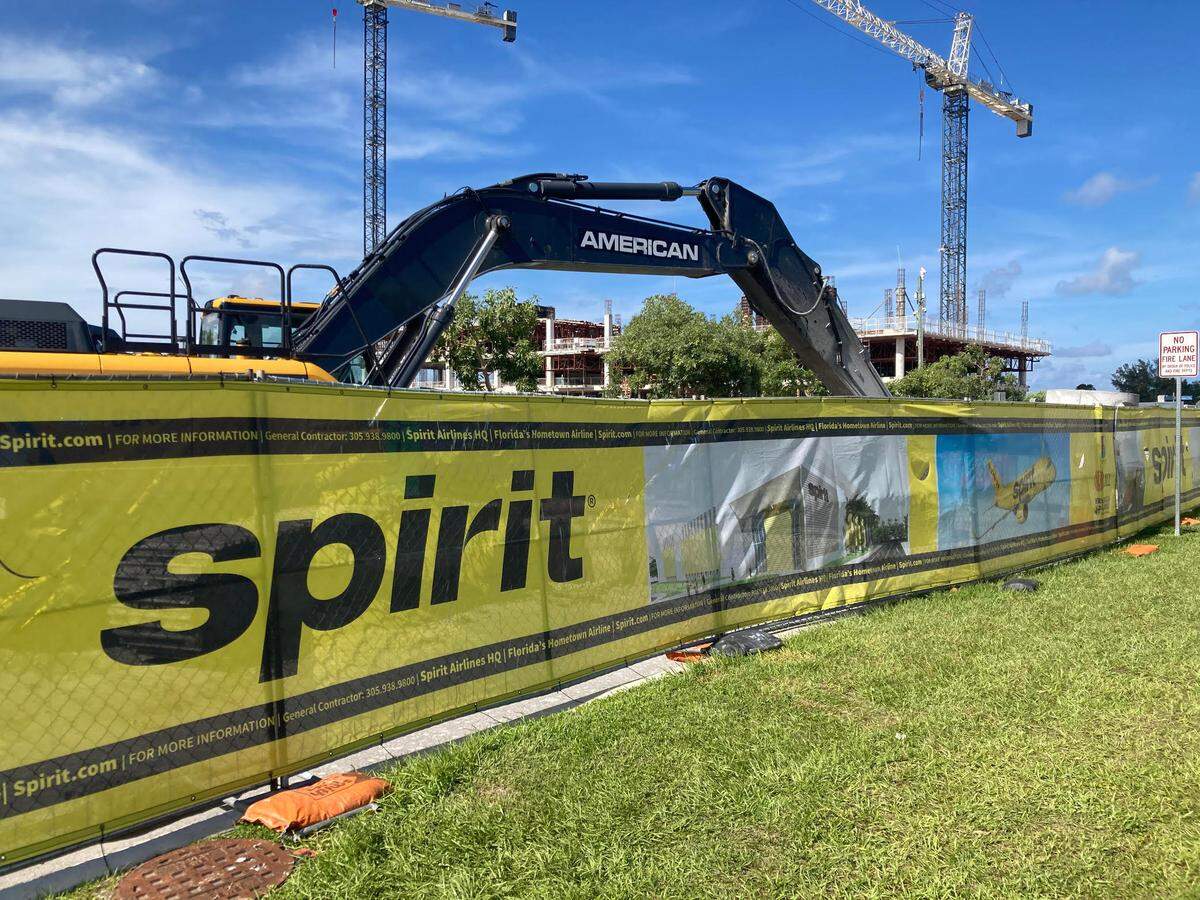
Spirit moved its headquarters from Miramar to a new Dania Beach headquarters building, in the Dania Pointe mixed-use complex, in April 2024.
MORE: Love it or hate it? Spirit Airlines has given us all sorts of feels through the years
How far along is the bankruptcy process?
The bankruptcy and restructuring process is underway, Spirit said, with an agreement “supported by a supermajority” of Spirit’s bondholders The company said it expects to emerge from Chapter 11 in the first quarter of 2025. The agreement must be approved in court. The bankruptcy was filed in New York federal court.
“I am pleased we have reached an agreement with a supermajority of both our loyalty and convertible bondholders on a comprehensive recapitalization of the company, which is a strong vote of confidence in Spirit and our long-term plan,” Ted Christie, Spirit’s president and chief executive officer, said in a statement. “This set of transactions will materially strengthen our balance sheet and position Spirit for the future.”
As part of the restructuring, Spirit has obtained a $350 million equity investment from bondholders. The airline also is getting another $300 million in other financing.
How Spirit Airlines got its start
About 20 years ago, Spirit started flying as what it dubbed an ultra-low-cost carrier. The airline offered travelers “unbundled” fares, meaning bare bones service without meals or WiFi.
Then competitors started catching up.
Giants including American Airlines and United Airlines began offering “unbundled” fares, too. New discount carriers emerged, both national and overseas.
Wasn’t there an urge to merge?
In 2022, Spirit formed an agreement to merge with Frontier Airlines. Later that year, JetBlue offered to merge. Spirit then terminated the deal with Frontier and moved forward with JetBlue.
The U.S. Department of Justice had different plans.
The Biden administration had made antitrust enforcement a key pillar of its economic policies. The Department of Justice sued to stop Spirit’s merger with JetBlue. It emerged victorious when in January 2024, a federal judge blocked the deal, claiming it would have reduced competition and harmed consumers.
William G. Young, U.S. District Judge in Massachusetts, said in his ruling that the merger would block necessary competition between JetBlue and Spirit in the airline sector. “JetBlue’s plan would eliminate the unique competition that Spirit provides—and about half of all ultra-low-cost airline seats in the industry—and leave tens of millions of travelers to face higher fares and fewer options,” he wrote in January.
He blocked the proposed deal on the grounds it violated U.S. antitrust law and would do harm to consumers.
Tough times at Spirit Airlines
What he didn’t calculate was Spirit’s precarious financial condition most of 2024. Aircraft maintenance technicians and aircraft maintenance controllers — employees who work directly on aircraft — have been unhappy and leaving, said Bret Oestreich, president of the Aircraft Mechanics Fraternal Association, which represents about 700 of them.
“A majority of our guys and gals from Spirit would have liked to see the merger go through,” said Oestreich, a rare union endorsement for a merger. “They were ready for a change.”
Overall working conditions and safety is better at JetBlue, they believe.
The Association of Flight Attendants – CWA, AFL-CIO also has something at stake. The union, which represents about 6,300 flight attendants at Spirit, supported the merger, too.
“We were very supportive of the merger because we had locked in these labor protections and we had locked in the most friendly labor provisions of any merger that I’ve ever seen,” said Sara Nelson, international president of the organization. “This is the first merger that we enthusiastically supported.”
This story was originally published November 18, 2024 at 1:45 PM.