
How to Get Rid of Wasps in Your Yard: 8 Simple DIY Hacks That Actually Work
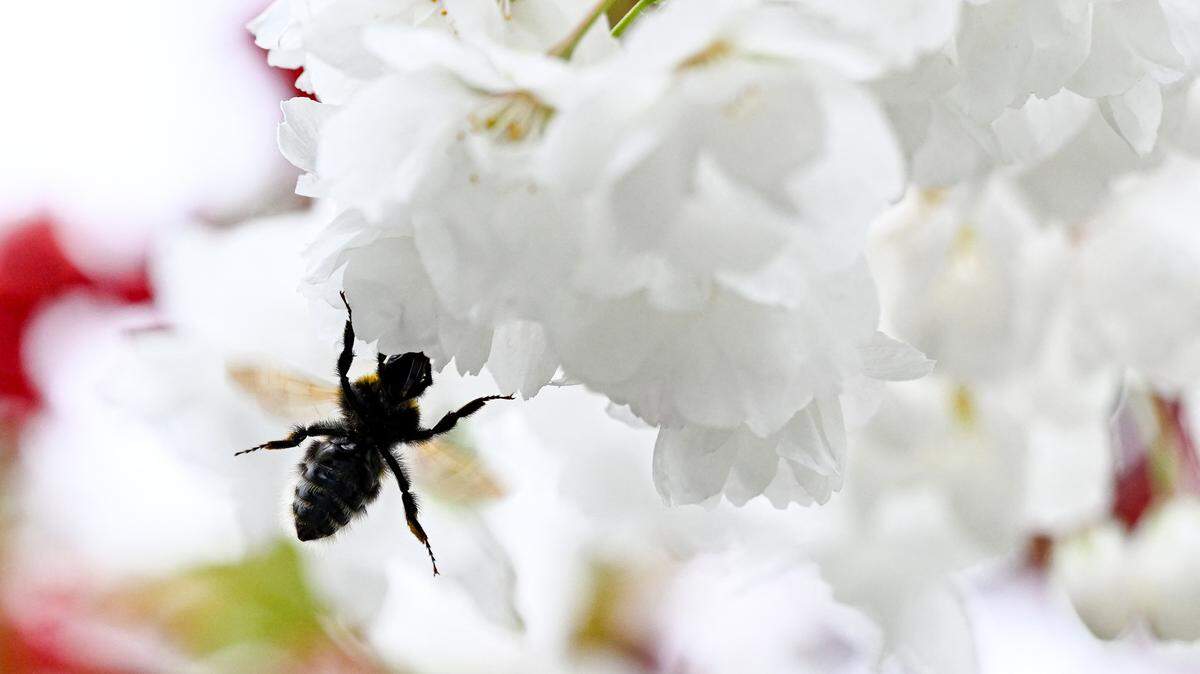
Few things can ruin a relaxing afternoon outdoors faster than an uninvited wasp buzzing around your head. Whether you’re grilling on the patio, eating lunch in the garden or just trying to enjoy a quiet moment outside, wasps have a way of making their presence impossible to ignore.
The good news? You don’t need to call an exterminator to take back your outdoor space. These eight practical hacks can help you deter wasps, reduce their numbers and keep them from settling in your yard in the first place.
Try Peppermint Oil Spray
One of the simplest wasp deterrents may already be sitting in your pantry. Peppermint oil is a natural repellent that wasps find unpleasant — and it’s easy to apply.
Michael Clark tells The Spruce, “If you see wasps congregating in an area of your yard, you can take a cotton ball soaked in peppermint oil and place it near these areas or spray a mixture of water and peppermint oil to keep them away.”
Set Up a Vinegar and Sugar Trap
A homemade trap using common kitchen ingredients can be surprisingly effective. Fill a container with water and sugar to attract wasps, then add a small amount of vinegar. The vinegar helps keep bees away while still luring wasps into the trap. Once inside, wasps go in and can’t get out.
This low-cost solution requires no special equipment and can be placed wherever wasp activity is heaviest.
Hang Decoy Nests
Wasps are territorial creatures. If they believe another colony has already claimed a spot, they’ll typically steer clear. Hanging a decoy nest in your yard exploits this natural instinct and can discourage wasps from building nearby.
Pestline Pests writes: “Make them yourself or buy them in hardware stores and garden centres. Wasp traps are simple and effective. They lure in the critters with a sugary, sticky solution via a narrow entrance they can’t fly out of. The wasps get stuck in the liquid and can’t get out again. During the summer they’ll keep the odd wasp from interfering with your barbeque, but they can’t tackle an entire nest.”
Whether you opt for a store-bought version or a DIY approach, placing these strategically around your yard can make a noticeable difference during peak wasp season.
Fill In Wall Cracks
Wasps don’t need much of an opening to find their way into your home. Sealing up entry points is one of the most effective preventive measures you can take.
Pestline Pest writes: “Wasps will sneak into your home in even the tiniest of gaps. Whether it’s a space between your wall sidings, a decay in the double glazing, or small holes at the corners of your windows, a wasp will find its way in. Patch up the holes and fill in the cracks with expandable sealant, or call a decorator for a thorough service if it’s more than just the odd hole around your home. Do this during the autumn and winter months before the worker wasps become active again.”
Taking care of these repairs during cooler months gives you a head start before wasps become active in warmer weather.
Eliminate Standing Water Sources
Wasps need water just like any other creature, and they’ll seek it out wherever they can find it. Birdbaths, clogged gutters and plant trays are common attractants for wasps looking for hydration. Keeping water sources clean or removing them entirely can reduce wasp traffic in your yard.
If you want to keep a birdbath, consider moving it far from seating and dining areas so it draws wasps away from where you spend time.
Cover and Clean Outdoor Food Areas
If you’ve ever noticed wasps swarming during a cookout, there’s a good reason. Sugary residue and meat smells are major wasp attractants. After eating or cooking outdoors, wipe down grills, outdoor tables and patio areas thoroughly.
Keeping food covered while it’s outside and cleaning up promptly after meals can go a long way toward making your yard far less inviting to wasps.
Use Tight-Fitting Trash Can Lids
Garbage is one of the biggest wasp magnets, and an open or loosely covered trash can is essentially an open invitation. Use sealed bins with tight-fitting lids to cut off this food source. Rinsing your trash cans regularly also helps reduce the odors that draw wasps in.
This is a simple step that many homeowners overlook — and it can make a significant difference.
Install Wasp Traps Around the Perimeter
Commercial wasp traps can help manage wasp populations in your yard, but placement matters. Position traps away from seating areas to lure wasps away from where you gather — not toward it.
By placing traps along the edges of your property or near known wasp pathways, you create a buffer zone that helps keep gathering spaces more comfortable.
This article was created by content specialists using various tools, including AI.