
COVID has changed a lot. Here’s how United Way’s newest CEO plans to boost community impact
Symeria Hudson has spent her first few months as president and chief executive of United Way Miami walking the halls learning from and listening to employees as well as meeting volunteers, donors and beneficiaries of the sprawling social services organization.
“I don’t want to make changes before I talk to all the stakeholders. I’ve got to listen and learn before I make major changes,” said Hudson, who spent 3 1/2 years as president and CEO of the Chapman Partnership, which provides comprehensive services for the county’s homeless population, before joining United Way on Aug. 5.
United Way, which supports more than 60 organizations and about 100 programs and whose goal is to improve the lives of the people of Miami-Dade County, specializes in education, financial literacy, health, veteran services and disaster relief programs.
All of Hudson’s observations will add up to what she calls her 100-day plan. “These are the things that will help define United Way in the next few years,” she said.
When she’s put the finishing touches on the program, Hudson plans to publicly release a report and be transparent about United Way’s direction. “After the 100 days, I want people to hear what I’ve heard,” she said.
Being hands-on, methodical and strategic while keeping people her primary focus is part of the Harvard MBA’s style. She purposely started her new job at United Way on a Friday because she wanted the weekend to reflect on what she saw and heard.
“I am not a CEO who just wants a title,” she said. “I want to do everything I can to support the people of this community.”
But she added: “I’m a businessperson and I still need to keep an eye on what’s going on here.”
Passion for helping Miami’s homeless
After more than 20 years working for some of the nation’s largest corporations, Hudson, in her 50s, turned her focus to the nonprofit world and accepted a position with the Chapman Partnership at the beginning of 2019.
She brought a passion to that job inspired by her Uncle Billy who suffered from mental health problems and spent years homeless on the streets of Pasadena, California.
While at Chapman, she did a lot of thinking about “how we could catch people further upstream and help them before they became homeless,” she said.
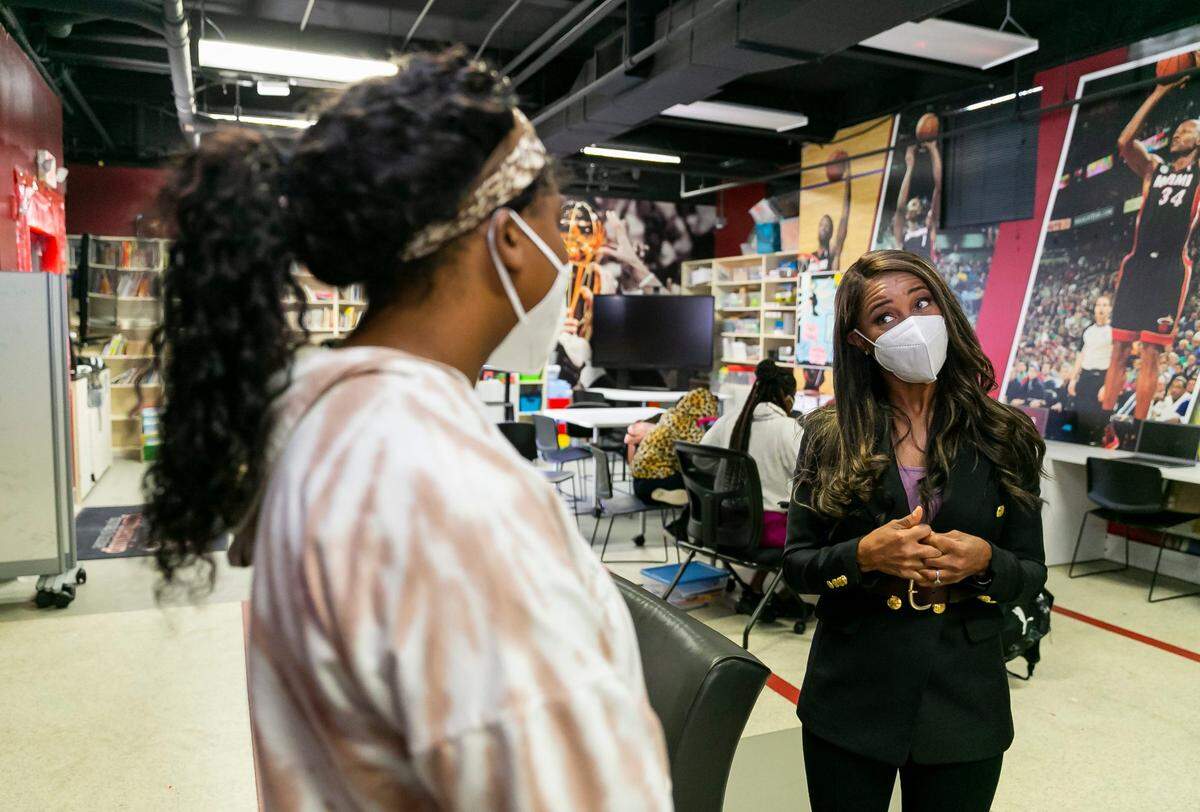
While Hudson said her “heart and head” were with Chapman, when she got a call from a recruiter about the United Way position, “I thought this could be a way to have a greater impact. The homeless community is a subset of a greater challenge for Miami-Dade County.”
Hudson said she’s long had an affinity for United Way and its programs. At her first job out of college, she led the United Way campaign at her company, and even before that, she said, growing up in the projects in Huntsville, Alabama, her family benefited from United Way services.
Before accepting the United Way job, Hudson said she did a lot of studying to make sure United Way “was the same brand I knew.
“I was very happy with what I saw,” she said.
“Symeria’s unique and diverse experience, leadership skills and vision make her the perfect person to step into this role,” said Robert Sanchez, chairman of the United Way Miami board, in announcing her selection. Sanchez is now United Way’s immediate past chairman; Penny Shaffer is the new board chair.
READ MORE: United Way Miami find new leader at home after a national search
In broad brush strokes, these are some of the issues that Hudson plans to address:
▪ United Way’s stability.
She’s the fourth leader of the organization in the past five years. “I had to ask myself how could I steady the ship?”
▪ The role of United Way after the pandemic.
“Post-COVID, the world has changed quite a bit from fund-raising to the use of the internet and how to program,” she said. During the pandemic, with so many offices closed, United Way’s workplace-giving campaign suffered, she said. People were home and didn’t hear the compelling stories from people whose lives have been transformed by United Way programs, Hudson said.
“It wasn’t top of mind to give when people were so concerned about the pandemic.” Offsetting that shortfall, however, was a grant United Way received under the CARES Act federal pandemic relief program, she said.
Miami-Dade County chose United Way Miami to distribute more than $30 million in relief funds to assist those who experienced significant loss of income due to COVID-related unemployment, underemployment and or unexpected expenses. Funds were distributed to more than 18,500 households. The county also gave United Way $1.5 million as administrative support to maintain community programs.
The organization also took advantage of the federal Payroll Protection Program, receiving a $2.6 million loan, that was later forgiven, to maintain staff jobs, and was granted $775,000 in tax credits from the Employee Retention Tax Credit program.
▪ Strengthening United Way’s brand.
“The brand is still good,” she said, but “with so many competing social services organizations out there, I’m not sure we’re viewed as the leader.” With many new people currently coming into the community, Hudson wants to make sure they become involved and view United Way as their charity of choice.
▪ Emphasis on technology.
In August, United Way Miami, in partnership with Social Finance, a national nonprofit, announced the launch of the United Way Miami Workforce Project. It’s designed to better the skills of Miami workers and the first trainees will receive instruction in coding and programming technologies, said Hudson.
The hope is that the trainees will be able to earn salaries of at least $35,000 and that over time they will pay back the cost of their tuition so others will be able to receive the training. The program is a result of a multimillion-dollar gift to United Way Miami from philanthropist Mackenzie Scott in 2020.
READ MORE: Billionaire MacKenzie Scott, Bezos’ ex-wife, donates $40 million to FIU in surprise move
As an example of how United Way constantly needs to evolve its technological mindset, Hudson cited a recent visit to United Way’s Center for Financial Stability, a program that helps people address financial emergencies and then engages them in longer-term financial planning to avoid future pitfalls.
At the end of her tour, Hudson said, employees handed her a piggy bank for her nearly 4-year-old son Garrett. “Well, Garrett has a digital wallet,” she said laughing.
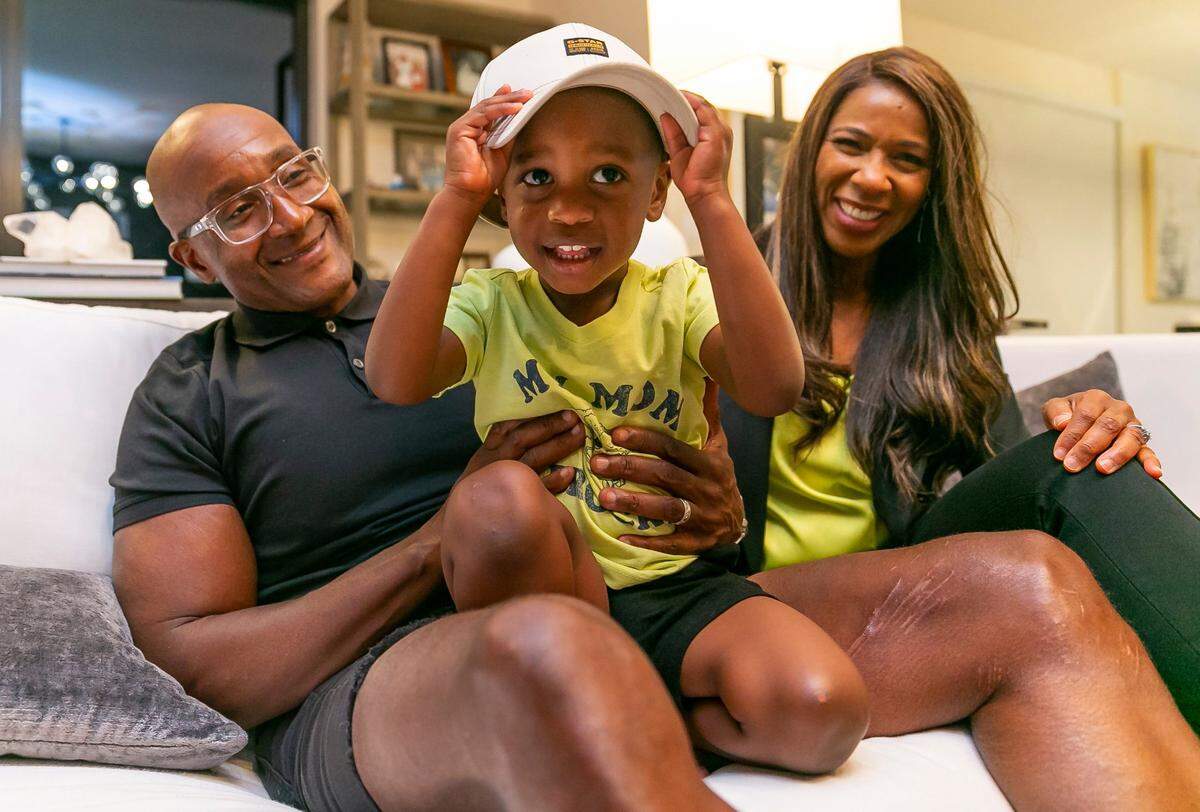
Hudson said she’s optimistic about the 2022-2023 community-giving campaign, which has already kicked off. It seeks donations from corporations and their employees as well as from the community at large.
At a campaign event she attended at Northern Trust, Hudson said, “It was standing-room-only. She said several upcoming cocktail fund-raising events are already sold out.
“People are excited to get together again and participate,” Hudson said. “Now with everyone coming back in person, there’s really a lot of energy. They will make a big, big difference.”
United Way Miami
Vision
A thriving and equitable community where all people have access to quality education and the opportunity to lead healthy and financially secure lives.
Mission
Improving quality of life for all by bringing together people and resources committed to building a better community.
Constituents
United Way Miami serves a population known as ALICE (Asset Limited, Income Constrained, Employed). ALICE households work yet earn just above the federal poverty level and have little to no savings. Such households struggle to cover basic needs, including childcare, food, transportation, healthcare and necessary technology. They live paycheck to paycheck and are one emergency away from falling into poverty. Since they earn above the federal poverty level, they are often locked out of assistance programs such as food stamps, Medicaid and housing subsidies.
Annual budget
$56.2 million in revenues and contributions
Programs
United Way Miami invests in more than 100 programs at 64 local agencies. The organization also works with local and national partners to advocate at the local, state and federal levels for policies that affect Miami-Dade’s low-income residents. Key pillars are education, financial stability and health.
Direct Services
In addition to funding more than 100 programs at nonprofit partner agencies, United Way Miami also offers direct services to the community. Among them are:
▪ The United Way Miami Center for Excellence in Early Education, a learning, teaching and training initiative dedicated to elevating the quality of early care and education.
▪ The United Way Mission United helps veterans and their families re-acclimate to civilian life.
▪ The United Way Center for Financial Stability helps working individuals and families pave a path to financial independence through financial coaching and credit counseling, free tax preparation, employment assistance and more.
Source: United Way Miami
How to help
To learn more about how to help those in need, visit https://unitedwaymiami.org/youcanhelp/
This story was originally published October 27, 2022 at 5:00 AM.