From prayer to disgust, leaked Roe v. Wade draft stirs up emotion among South Florida women
After the initial shock of the leaked draft Supreme Court opinion overturning Roe v. Wade had worn off, South Florida women on Wednesday voiced reactions that ranged from livid to cautiously optimistic to concern about the future if their constitutional right to end a pregnancy, first affirmed in 1973, were taken away.
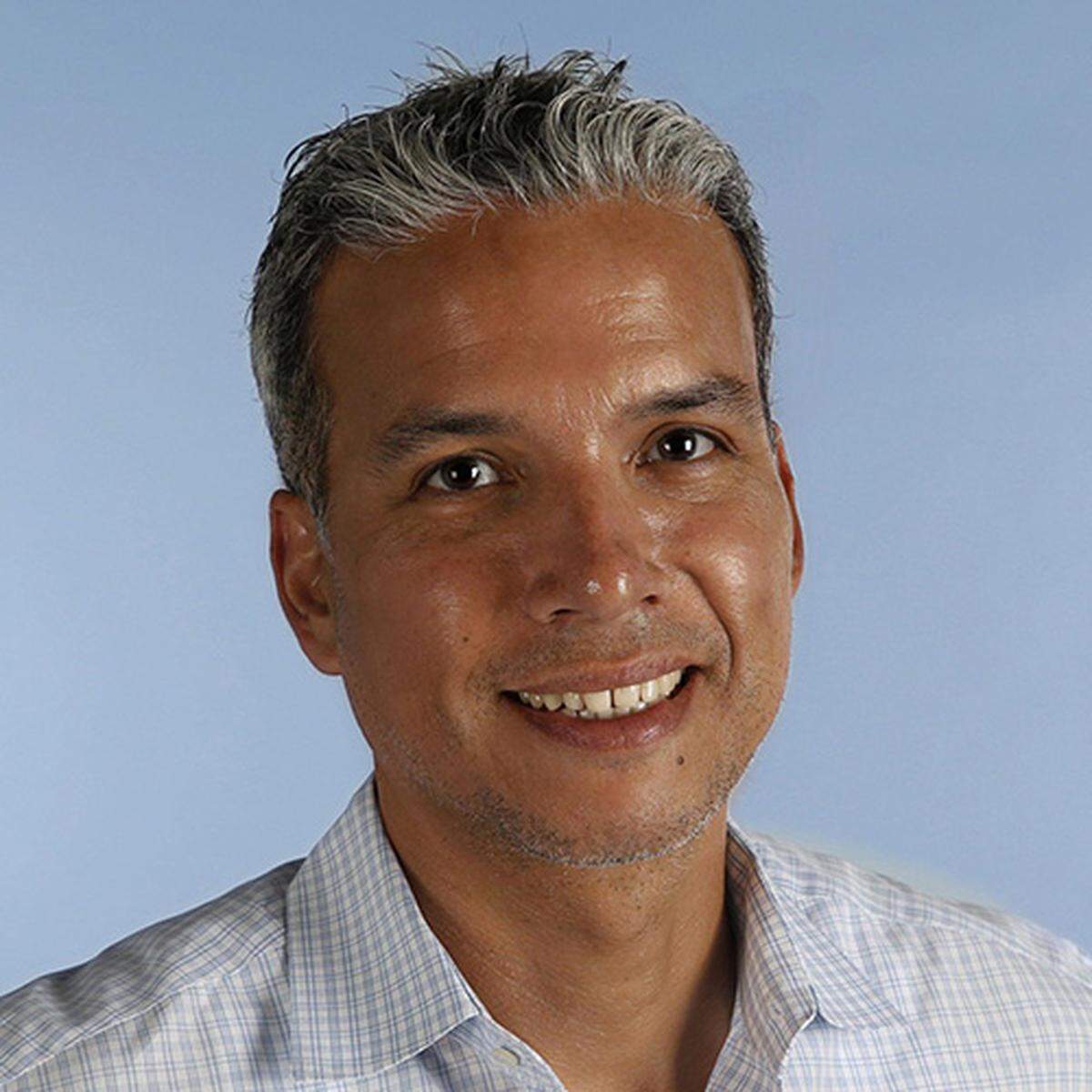
In Hialeah, Rebecca Brady, a mother of four and director of the Respect Life Ministry of the Archdiocese of Miami, said she has been trying to maintain a “cautious optimism’’ since she learned of the draft Supreme Court opinion overturning Roe v. Wade that Politico leaked Monday night.
“We have been praying for the reversal of Roe v. Wade,” Brady said. “Every year the archbishop and the Catholic bishops in Florida release a statement on our hope to one day reverse Roe v Wade. St. Augustine said, ‘An unjust law is no law at all.’ So it’s important for us to bring our faith to the public square and make sure our laws are just.”
Brady, 35, said the archdiocese, which represents more than 1 million Roman Catholics in Miami-Dade, Broward and Monroe counties, launched a series of programs, including a pregnancy help center, about a year ago after the Supreme Court took up Dobbs v. Jackson Women’s Health Organization, the case examining whether a 2018 Mississippi law that banned abortion after the first 15 weeks of pregnancy was constitutional.
In the past 12 months, Brady said, 29 mothers have visited the archdiocese’s pregnancy help center and received support and counseling and decided against an abortion. She cited the ministry as an example of how the archdiocese has been preparing for a post-Roe v. Wade world.
“The faithful believe that we are ready here in the Archdiocese of Miami because we have this comprehensive network set up through our parishes, through ours schools, funneling direct help through partner centers,” she said.
How Cuban doctor’s views changed
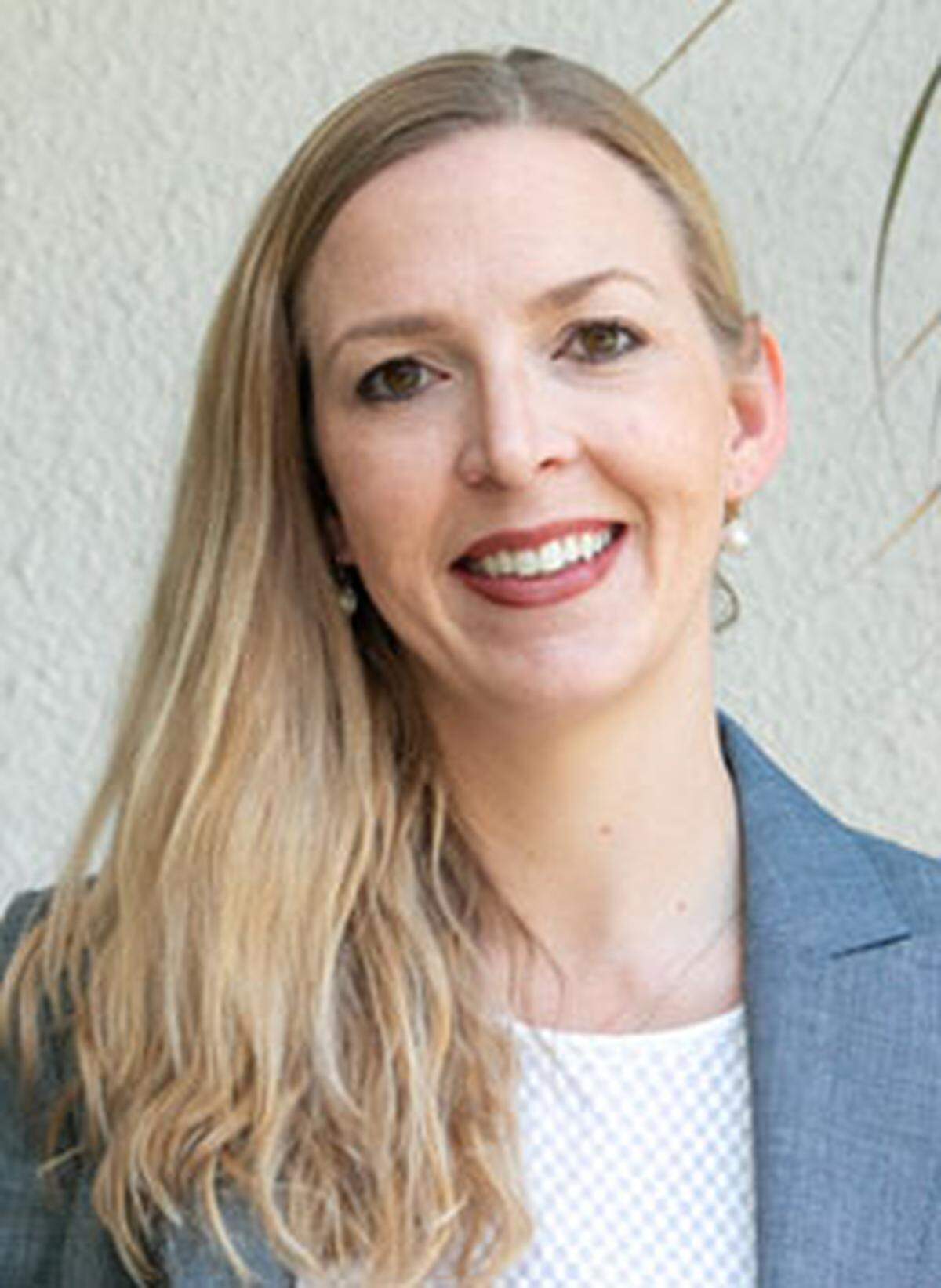
Dr. Jen Villavicencio, an obstetrician and gynecologist practicing in the Washington area, was born and raised in Miami by Cuban parents who are also devout Catholics.
Villavicencio, 35, grew up in South Miami and attended Carrollton School of the Sacred Heart, a private Catholic school for girls in Coconut Grove. She attended the University of Miami and went to church regularly, where her opposition to abortion was reinforced.
But after opposing abortion for most of her life, Villavicencio said, her experience in medical school at the University of Central Florida and as a practicing physician opened her eyes to the complexity of individual healthcare choices, ultimately changing her position on the procedure.
Villavicencio now provides abortions, among other obstetric and gynecological services, through her medical practice. She said the leaked draft opinion of Justice Samuel Alito was “quite jarring to see.”
“My biggest concern and my biggest worry is this is putting a barrier between people who want to seek a healthcare professional for pregnancy and their provider. It’s putting a giant wedge between that,” she said. “It’s interfering in the relationship you have with your doctor or nurse or midwife.”
Villavicencio said it took years of experience for her views to evolve — and her religious faith contributed to the change. She now serves on the board of directors for a nonprofit abortion rights group called Catholics for Choice.
“I was taught that it was a black-and-white issue and that abortion was bad for women and children,” Villavicencio said. “I realized over time, a long time ... that I was not living out the values and morality that is kind of core to the Catholic faith: social justice, non-judgment, compassion and love.
“By being pro-life,” she said, “I was not accepting people the way that they came. I was not being Christ-like.”
Precisely because medical decisions and the patients who make them are complex, Villavicencio said she still struggles sometimes with performing abortions.
“Abortion is difficult and complex, just like every other part of medicine is, really like every other part of human life is,’’ she said. “This idea that it’s black and white ... that’s not the way, in my experience, the majority of the people I serve think or the way the majority of my friends or colleagues think.”
According to the American College of Obstetrics and Gynecology, abortion is a safe healthcare procedure with a low risk of mortality. In a 2015 study published by the organization’s journal, Obstetrics and Gynecology, researchers found that of the estimated 16.1 million abortions performed in the United States from 1998 to 2010, 108 women died, for a mortality rate of 0.7 deaths per 100,000 procedures overall.
Concern over botched abortions
But when women with unintended pregnancies face barriers to abortion, they often turn to untrained providers who may use dangerous methods or they risk serious medical complications, said Betsy Marville, a registered nurse and coordinator for 1199 SEIU, a healthcare worker labor union.
“When I was a nursing student, unfortunately I cared for some 13-year-old girls who had given birth, and by Cesarean section, because they were not old enough, developed enough to actually give birth because their bone structure wasn’t mature enough,” said Marville, 64, of Boynton Beach, who started her career in 1979.
“We haven’t seen in hospitals, in all these years, the results of a botched abortion because women have had healthcare options that are safe if they have to terminate a pregnancy,” she said. “The thought of going back to that, as a healthcare provider, as something we might see again, is very upsetting.”
Emotional, spiritual damage to women
But some who oppose abortion say the procedure leaves lasting emotional and spiritual damage that some women may not consider when deciding whether to end a pregnancy.
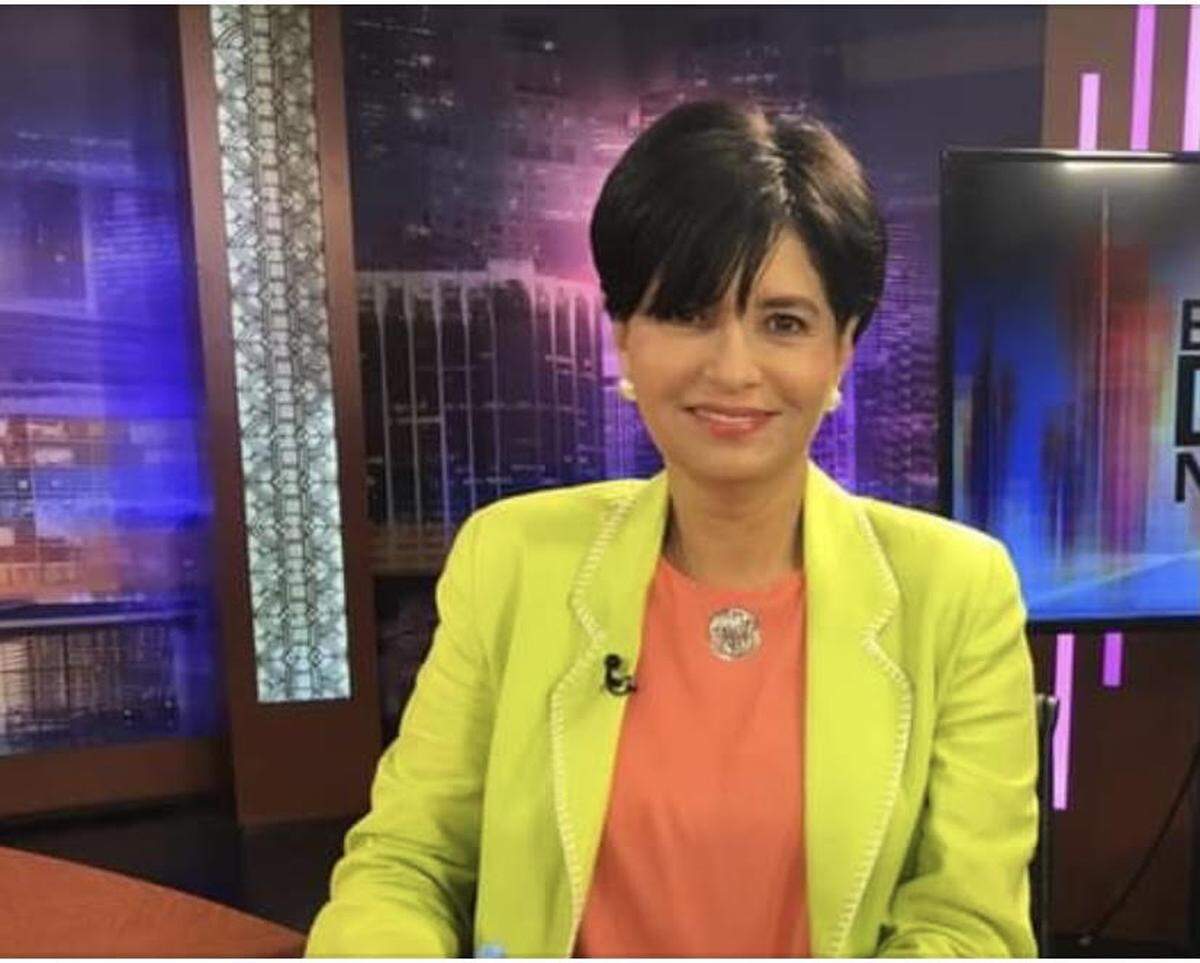
Hada María Morales, 66, said a community has a responsibility to preserve life, and that she would only consider supporting abortion as an option in the event of a serious health risk to the mother, or a rape, especially involving a minor.
”The right we have is to take care of life, not to take it away,” said Morales, who added that her opposition to abortion stems from her religious beliefs as an evangelical Christian and from her experience as a counselor.
Morales said the testimonials she has heard from women indicate that abortion leaves deep emotional scars.
”I don’t know anyone who has had an abortion and who doesn’t carry a very great pain inside,” she said. “They see it as an instant solution, but as time passes they feel guilty and wonder what it would be like if they had other options.”
For some, the prospect that the Supreme Court would overturn Roe v. Wade is a call to action.
Martha Baker, a trauma nurse and executive director for the doctors and nurses union at Jackson Memorial, said she reacted to the news with “primarily disgust and disappointment.”
Baker said she hopes that if Roe v. Wade is overturned, then people who are angered by the decision will turn out and vote in November.
“Maybe it’s a wake-up call for progressives to vote,” she said.
Impact on lower-income women
Baker said the groups that will be most impacted if the Supreme Court overturns Roe v. Wade are women with low incomes who cannot travel to a state where abortion is legal and racial and ethnic minorities who do not have regular access to medical care.
“The primary thing is just the control,” she said, “and who they’re trying to control the most is obviously poor women and that’s mostly women of color, but there’s plenty of white women, too.”
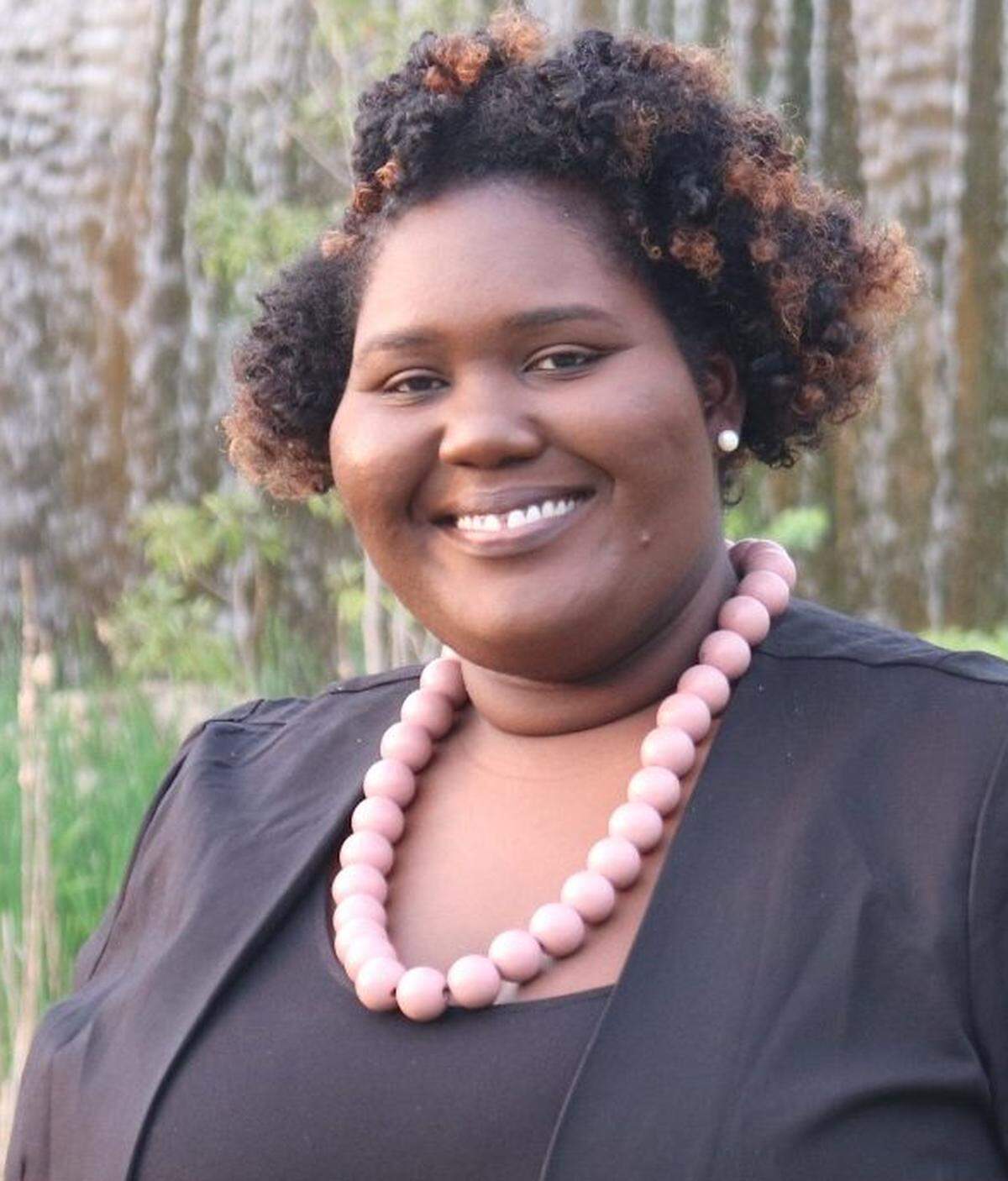
Francesca Menes, co-founder of The Black Collective, a nonprofit group that advocates for political and economic power in Black communities, said whatever the Supreme Court decides is unlikely to stop abortions but would most likely harm Black, LGBTQ and other under-represented communities.
“This will not stop abortions from happening,” said Menes, 37. “It’s about the quality of care and whether or not people will be losing their lives and whether or not you value my life and the decision I should have the right to make for my own body. ... This was always about accessibility, class and race.”
According to the Guttmacher Institute, a research nonprofit group that advocates for reproductive rights, white patients accounted for about 39% of abortions performed in the United States in 2014, Black patients for 28% and Hispanic patients for 25%. The remaining 9% of patients were of other races and ethnicities.
More than half of all U.S. abortion patients in 2014 were in their 20s, according to the organization.
Young people weigh in
Roxy Rico, 22, of Coral Gables grew up in South Florida and recently graduated from Florida State University. She said her reaction to the leaked draft opinion felt “so surreal” and that she worries about the future.
“It’s hard to imagine what sort of world we’ll be living in — are we going back to the 1950s,” Rico said. “It is scary to see how easy it is for the Supreme Court to disregard our rights and laws and twist them any way they want, and to see this happening while Democrats control Congress and the presidency. But the judicial branch, which is supposed to be the least political, is making political decisions contrary to the majority.”
When Ibty Dames, 17, first heard the news of the leaked opinion, she thought it was fake. She didn’t think such a “huge change” could happen. But once Chief Justice Roberts authenticated the draft opinion, Ibty said she realized that courts were “not always on our side.”
A senior at the School for Advanced Studies Homestead, Ibty plans to attend Duke University in the fall and hopes to become a child advocacy lawyer. But after hearing the news this week, she said she’d be interested in making her way to the Supreme Court.
“I’d do so much better than the people there now,” she said. “They just keep going back in time rather than moving forward. They’re trying to restrict our rights rather than defend them.”
Cyntia Roig, 17, a junior at the school, said the potential overturning of Roe v. Wade only reaffirms her plan to pursue a career to defend others, she said.
“Someone needs to protect the rights of people,” Cyntia said. “And if that has to be me or my peers, we’re going to make that happen.”
But for many young people, abortion rights do not appear to be an urgent issue, said Caroline Val, 19, a sophomore at the University of Miami.
“I almost feel myself becoming desensitized to the issue,” Val said in an email, noting Florida’s recent restriction on the procedure. Gov. Ron DeSantis recently signed a bill banning most abortions after 15 weeks of pregnancy.
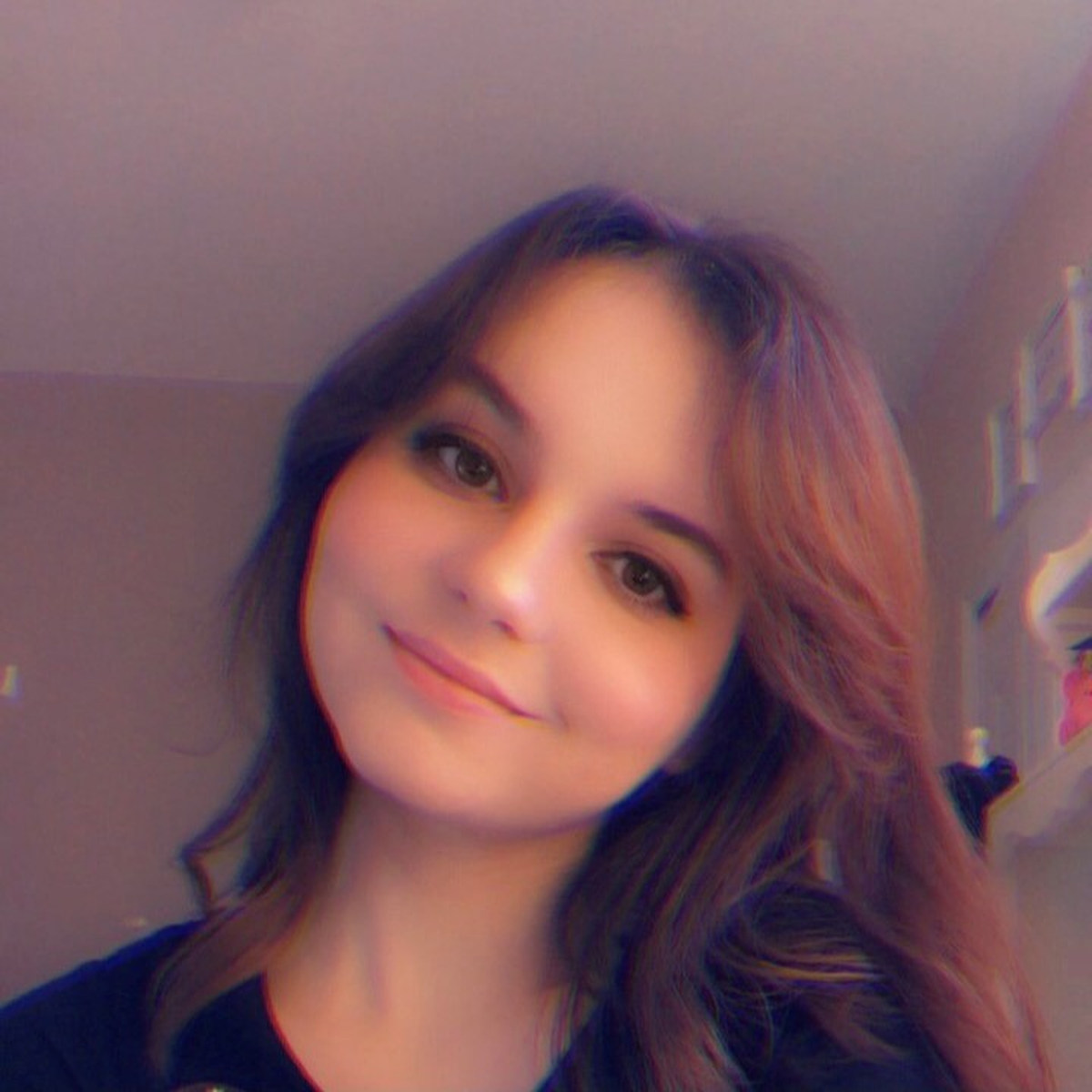
“I wish students at UM were more forceful about vehemently protesting against what’s going on in Florida and in the country with restrictions on abortion,” she said. “As students who are becoming the next generation of lawmakers and doctors, if we aren’t taking a stand now to change the direction our country is headed, I will be extremely worried about how things will be in the future.”
Miami lawyer Jeanne Baker, who sits on the Florida board of the ACLU, recalls how things were in the past.
“Roe v. Wade was decided my last year in law school,” said Baker, 77. “I remember vividly the relief that decision brought: no more back-alley abortions; no more desperate scrambles for money to take care of the need; no more lives thrown into turmoil by an unwanted pregnancy.
“The specter of those days returning feels like a huge blow to my gut. It is unbelievable to me that we will have to start the fight all over again ... but we will have to do just that.“
Sarah Waters, a Miami attorney and former Miami-Dade prosecutor, said that Alito’s draft opinion was not surprising and likely would open the door to more restrictions on abortion.
“Originally a case based on privacy rights, Roe, if overturned, could pose some seriously dangerous results as states would be free to restrict abortion as they see fit. The likely result is highly restrictive laws in more conservative states,” she said.
Rosemary Ravinal, 66, a public speaking consultant in Miami and longtime advocate of women’s rights, worries overturning Roe v. Wade would fall hardest on young women, and single mothers living in poverty.
“There is a movement afoot to suppress and minimize the power of women in this country,” she said. “We have fought more than 100 years for equality, and this is a very hard blow to a woman’s independence.”
Ravinal also worries about the future her 5-year-old granddaughter will inherit.
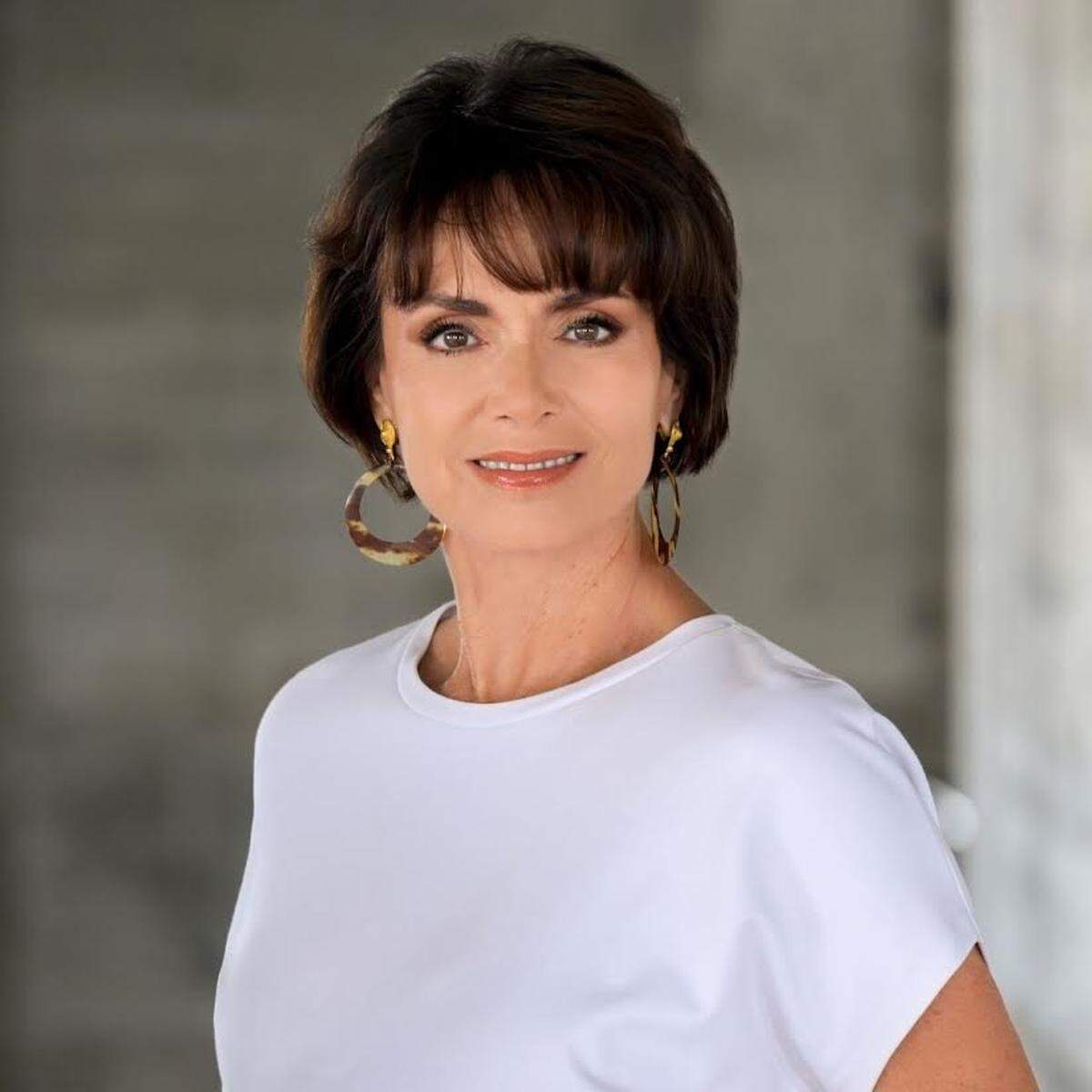
Taghrid Hassan, an immigration and family law attorney in Sunrise, said she never imagined a future in the United States without an established constitutional right to abortion.
“I grew up not knowing the time before Roe v. Wade. ... I can’t wrap my mind around it,” she said.
Hassan, who has practiced law for 23 years and often works with victims of abusive relationships, is a member of the board of directors for the Nur Center, a domestic violence shelter in South Florida that she said is “fully funded by the Muslim community.”
Hassan said women trying to escape an abusive relationships often don’t have a lot of money. Without Roe v. Wade, she said, they will be hard pressed to find a doctor who can perform an abortion or even pay for the procedure.
“Whether somebody has a child, or doesn’t have a child, changes the trajectory of somebody’s life,” she said. “I think we live in a society where child care is not affordable, health care is not affordable, so to force a woman to have a child, I think is just profoundly unjust.”
As a Muslim woman, Hassan said she probably wouldn’t choose to have an abortion because of her “personal moral code.” But she said women should have the right to decide whether or not to have a baby, especially in cases of rape and incest.
For Jane Moscowitz, a longtime criminal defense attorney in Miami and former federal prosecutor, the purported direction of the court as suggested by the leaked draft opinion reflects a broader attack against established norms and rights.
Moscowitz said she lost respect for the Supreme Court after its decision on Bush v. Gore, which decided the 2000 presidential election. Her opinion of the court has not changed with the leak.
“As important as choice is to me — and it is — this ruling is just one more assault on values and rights I thought would never be taken away,” said Moscowitz, 75, who lives in Coral Gables. “It’s of a piece with the DeSantis culture wars and voter suppression, attacks on gay families, the idea that a school board would require teaching “both sides” of the Holocaust, banning of books and more. We did not expect this.”
Miami Herald reporters David Ovalle, Linda Robertson, C. Isaiah Smalls and Jay Weaver contributed to this report, as did el Nuevo Herald reporter Rose Monique Varela Henriquez.
An earlier version of this article had an incorrect spelling of Taghrid Hassan.
This story was originally published May 5, 2022 at 6:00 AM.