The holidays are coming. Here’s how to navigate them if you have prediabetes, diabetes
READ MORE
Diabetes in South Florida
Diabetes and prediabetes are on the rise among kids and adults in the United States. Here’s what has been going on in South Florida.
Expand All
A sweet potato casserole topped with toasty marshmallows has long been a Thanksgiving favorite for Dr. Omaida Velazquez, but she’s going to try something a little different, a little healthier, this season.
“I’m planning to have summer squash instead,” said Velazquez, a vascular surgeon and chair of the DeWitt Daughtry Family Department of Surgery for the University of Miami Health System. “Then I have to figure out how to replace the marshmallows.”
It’s a small sacrifice, she said.
Prediabetes a warning call
In the spring, Velazquez learned that she had prediabetes, a condition where blood sugar levels are higher than normal, but not high enough yet to be diagnosed as Type 2 diabetes.
With Type 2 diabetes, which accounts for 90 to 95 percent of the more than 34 million U.S. diabetes cases, the body doesn’t use insulin properly. In Type 1, which impacts about 5 to 10 percent of U.S. diabetes patients, the body doesn’t produce insulin, a hormone it needs to move glucose from the bloodstream into the cells.
Getting a diagnosis of prediabetes was a warning call, said Velazquez, surgeon-in-chief for University of Miami Hospital and Clinics, UHealth System and Jackson Health System.
“When I saw myself entering a prediabetic range, internally I was both horrified and embarrassed,” she said. “I was horrified because I know what future complications can be for diabetes. And embarrassed because I’ve spent my lifetime, every week, preaching to patients and I’m not practicing what I preach.”
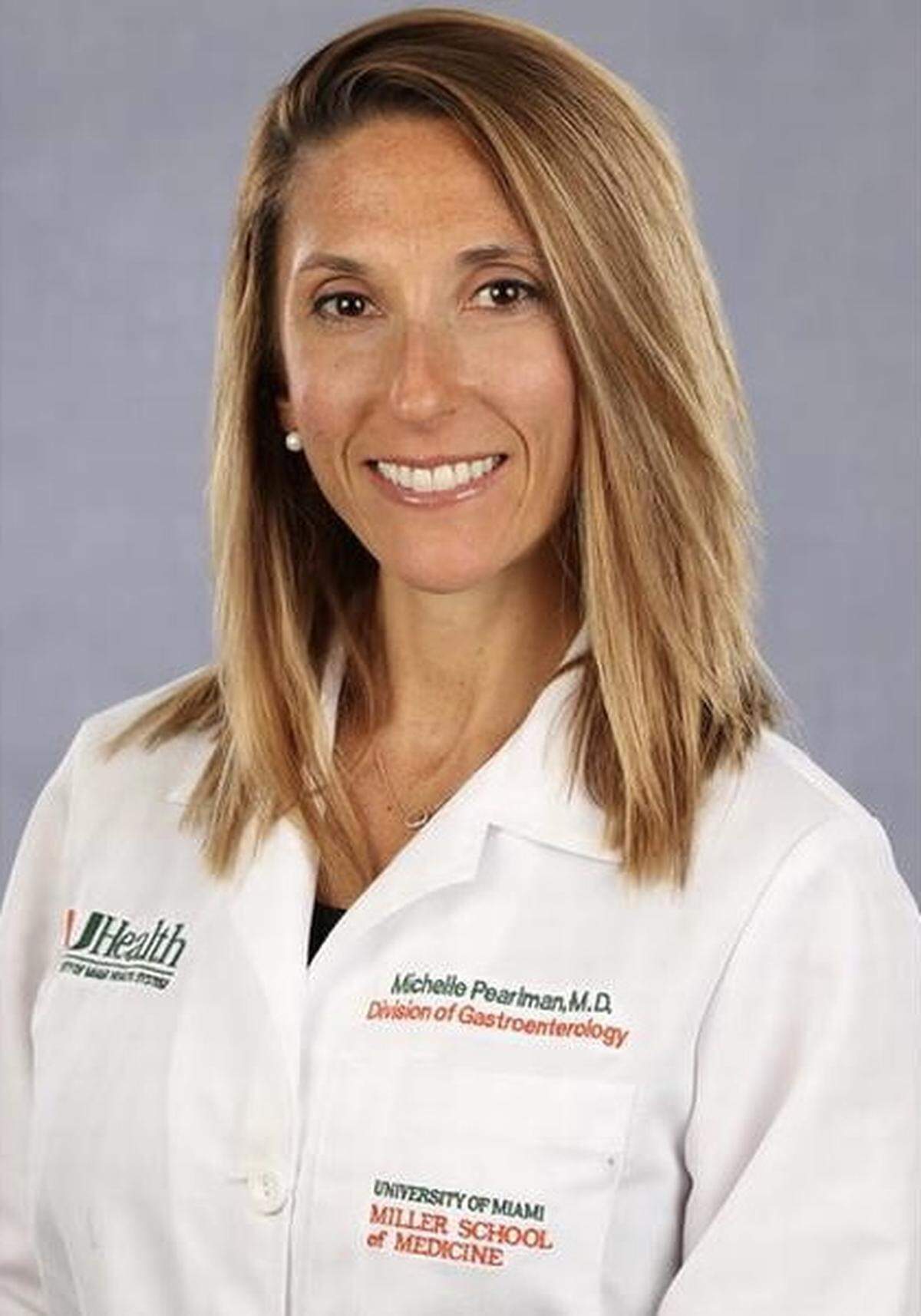
The pandemic spurred a lot of her overeating and reduced mobility, Velazquez said. But with guidance from University of Miami gastroenterologist Dr. Michelle Pearlman, Velazquez changed her eating habits and established a daily exercise regime. As a result, she’s lost 30 pounds and her blood levels are back to normal.
So Velazquez isn’t complaining about missing out on mini marshmallows during the holidays. She has bigger priorities.
“I don’t want to have a setback,” she said.
How to eat during the holidays
Navigating the holidays isn’t easy for anyone with a chronic illness like diabetes.
The holidays mean family, friends and food — usually lots of it. Temptations are all around and celebrations can go on for weeks, or months. Yet, dietitians and physicians stress there are ways that those with prediabetes or diabetes can eat some of their favorite foods while staying on top of the disease.
“People want to go out. They don’t want to be hermits,” said Pearlman, who is board-certified in gastroenterology, internal medicine and obesity medicine at the University of Miami Miller School of Medicine. “A big step is planning ahead.”
Making smart carb, calorie choices
That means considering a lot of factors.
“One of the things that I always tell my patients is that during the holiday it can’t be all or nothing,” said registered dietitian Sonia Angel, the diabetes and nutrition center liaison at Memorial Regional Hospital. “Be wise with carbohydrate and calorie choices.”
“What does that mean?” she said. “If there’s a full menu and there’s mashed potatoes and sweet potatoes and stuffing and dessert, be selective about your carbohydrate choice for that particular meal.”

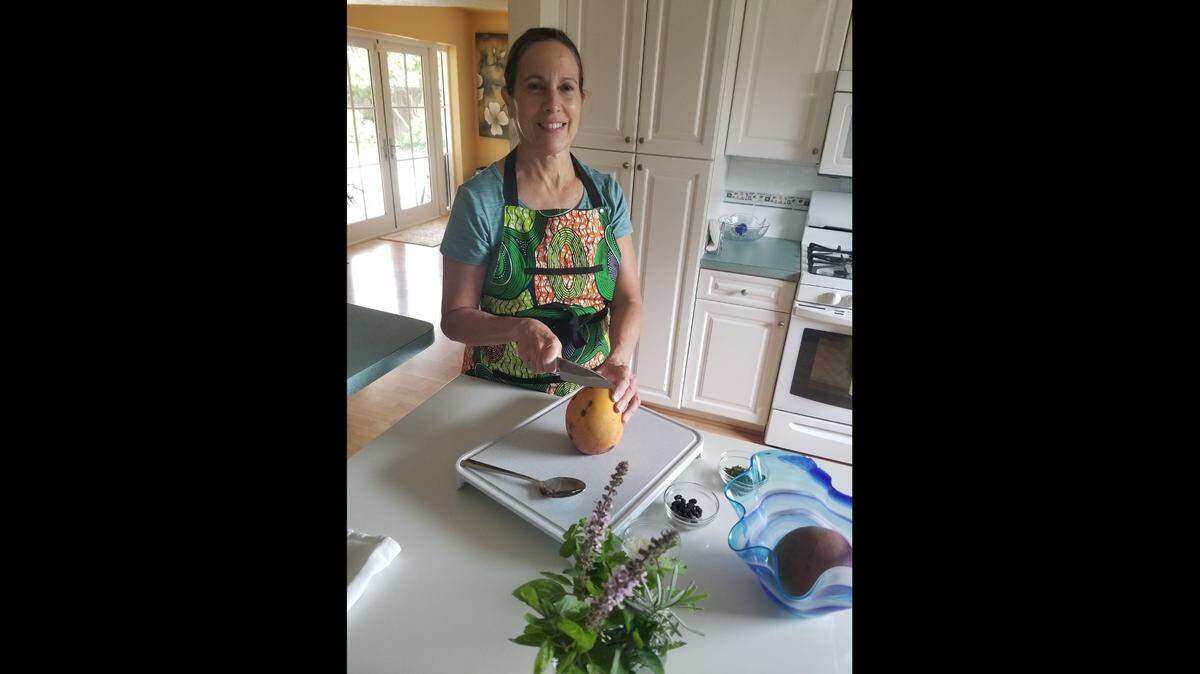
That’s what Velazquez intends to do. Along with working on a summer squash casserole, she’s discovered a friend’s recipe for chia pudding and frozen, shaved mangoes as a “delicious dessert.”
“I’m toying with making my own pecan pie,” she said. “It’s hard for me to say no to pecan pie.”
If there are must-haves on the holiday, you don’t have to necessarily deprive yourself, experts said. Have a bite instead of a slice. Cut out something else on the menu or buffet table.
“Before filling your plate, look over the options,” said Carla Duenas, registered dietitian, certified diabetes educator and care specialist at Baptist Health South Florida. “You may want something that’s not routine. Save the bread or corn to eat another time.”

Portion, plate size are key
“Enjoy the foods you’re eating but manage your portion size so it doesn’t affect your health,” she said. “Twenty-five percent of your plate can be carbs.”
Duenas is referring to the Diabetes Plate Method recommended by the American Diabetes Association. The plan suggests a 9-inch plate.
Fill half your plate with non-starchy vegetables (like Brussels sprouts, green beans, broccoli), a quarter of your plate with protein (turkey, ham, chicken) and the other quarter with carbohydrates (stuffing, sweet potatoes, mashed potatoes).
Balancing carbs with protein, fat and fiber helps to slow down blood sugar levels, experts said. A physician or dietitian can make sure a patient has a plan for their specific needs.
Watch the side dishes
“When people think of diabetes, they just think of sweets, staying away from desserts,” said Candace O’Neill, a registered dietitian at Cleveland Clinic in Weston. “But a lot of sides can be rich in carbohydrates as well and cause elevated blood sugar.”
“Be your own champion” during the holiday, she said. “Take the initiative to bring a healthy side or incorporate healthy food into your family’s meal plans for the day.”

Duenas brings a salad to her holiday gatherings so she knows she has a healthy option.
“Sometimes we get distracted and we’re not feeling satisfied when we eat,” she said. “I recommend to patients that closing your eyes and savoring even that first bite or two, what it tastes like, what it feels like. It helps to enhance the experience.”
Being mindful can help cut down on overeating, which is a problem for most people.
“If you can’t lose weight, at least don’t gain weight over the holidays,” said Angel.
Scientists point to obesity as the leading risk factor for diabetes.
In 2020, 16 states had adult obesity rates at or above 35 percent, up from 12 states the previous year.
“We’ve had more obesity than we’ve ever had, more chronic illness, more diabetes, more autoimmune disease,” said Pearlman. “Clearly what we’re doing isn’t working.”
What should work: “It’s eating good, whole foods, mostly plants, being mindful of what we’re eating and how much we’re eating,” she said. “It’s learning to sit down, enjoy our food and chew our food so you give your body time to digest it.”
Healthy eating tips
Our South Florida experts offer the following tips whether you’re fighting diabetes, a chronic illness or just want to be smart about navigating the holiday table.
▪ Plan ahead. “Don’t rely on willpower,” said Cleveland Clinic’s O’Neill. “If you arrive at the table hungry, willpower goes out the window. Rely on having a solid plan and a good nutrition strategy for improving health.”
▪ Don’t skip meals. Not eating correctly can result in problems with blood sugar levels. “Fasting in the morning can backfire because when you do that, you tend to overeat at the holiday meal or mindlessly eat,” said O’Neill. Your blood sugar level could go too low early in the day then too high when you have a huge meal. Try to stay as close as possible to your typical carb counts throughout the day, eating a healthy and balanced breakfast and lunch.
▪ Bring your own healthy dish. “Make sure you plan ahead by offering to bring a carb-friendly dish or a dessert that has less sugar and less calories than a typical dessert,” said Memorial’s Angel. Another tip: Try improving traditional recipes with a noncaloric sweetener like Stevia or monk fruit, she said.
▪ Portion control. “A lot of times people just want to taste things and not eat a whole bowl of everything,” said UM’s Pearlman. She suggested sticking to one plate to minimize mindless eating. “Take one plate and whatever fits is what you eat. Don’t go back for more.”
▪ Calorie-free drinks such as water, tea or seltzer instead of punch or juice to reduce sugar. “Eat the fruit, don’t drink the juice,” said Pearlman.
▪ Party drinks: Alcohol has plenty of carbs and sugar so you don’t want to overindulge. “The mixers we add to drinks can be a big culprit as well,” said Pearlman. “Minimize added sugars by mixing a drink with sparkling water. Squeeze in lemon or limes and infuse with herbs. That will give a drink more flavor.”
▪ Check your blood sugar. Check it more often throughout the holidays, said Angel. Add a few extra checks on party day.
▪ Pace yourself: “We’re not properly digesting and we’re not giving the body enough time to recognize that we’re full.” She suggests chewing until you no longer feel the texture of the food. If you think you’re hungry after eating, you could be thirsty, Pearlman said. Try drinking a glass of water.
▪ Be appetizer smart. Start with vegetables, hummus, low-fat cheese and nuts to take the edge off your appetite.
▪ Exercise: Activity helps with glucose control, said O’Neill. “Going for a walk after dinner or a family sports game or dancing creates memories that aren’t only food centric. After any meal, go for a walk to help bring down blood glucose immediately,” said Duenas. “It’s not a good idea to lie down.
▪ Restaurant meals: If you’re going to a restaurant during the holiday, find out the menu ahead of time, said Pearlman. “It will help you plan the rest of your day.” See if you can get healthier cooking options, like steamed vegetables and set aside a portion to take home.
▪ If you overindulge? Don’t be down on yourself. Just make a plan to get back on track.
This story was originally published November 22, 2021 at 6:00 AM.