What you need to know about the latest E. coli outbreak linked to lettuce
An E. coli outbreak that has hit 16 states and sickened 40 people has been linked to romaine lettuce.
Here’s what you need to know:
Is all romaine lettuce suspect? No. The only romaine lettuce the Centers for Disease Control and Prevention and the FDA are recommending consumers avoid is from the Salinas, California, region.

Florida Department of Agriculture Commissioner Nikki Fried even issued a press release stating, “We strongly advise consumers to seek romaine lettuce with the “Fresh From Florida” logo ensuring its Florida-grown, and to avoid products that state and federal inspectors have found to carry risk of illness.”
Labels on lettuce and lettuce products might show where it was grown. If it’s “Salinas Valley” or “Salinas,” toss it out. If you don’t know where the romaine lettuce came from, toss it out. Then, clean and sanitize the part of the refrigerator in which it was stored.
Is there a recall associated with this? Missa Bay recalled 75,233 pounds of salad products Thursday sold under a number of brand names, including the store brands of Walmart, Aldi, Target, Giant Eagle and others. The recall tonnage was reduced from 97,272 when the USDA found some of the products didn’t fall under Food Safety and Inspection Service regulation.
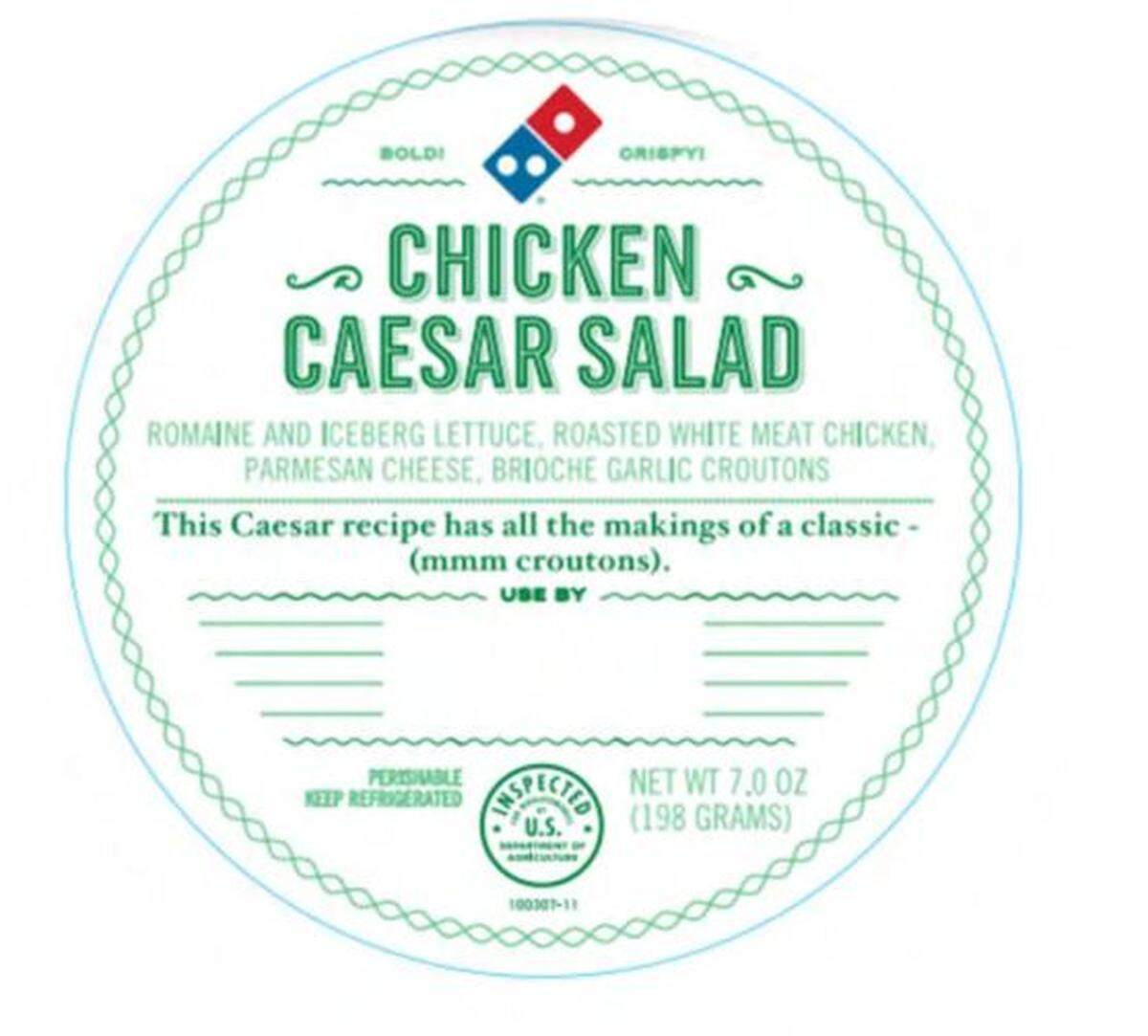
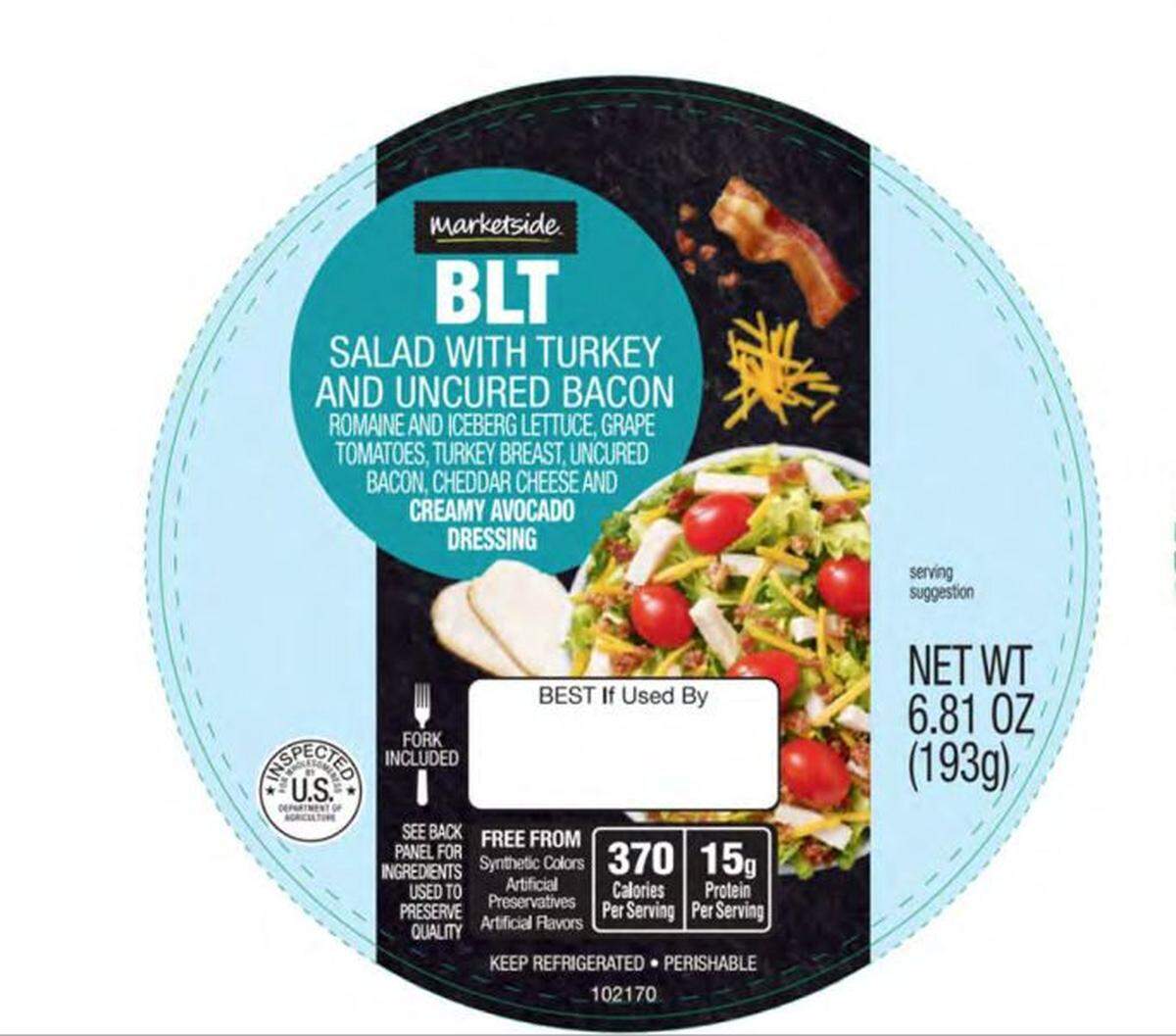
How widespread is this E. coli outbreak? The count is up to 40 people in 16 states with 28 people hospitalized, a high 70 percent rate. Five people have developed hemolytic uremic syndome (HUS), the kidney failure that can make E. Coli fatal.
Wisconsin has the most cases, 10. Ohio has five. California has four. There are three each in Idaho, Maryland and Pennsylvania. Arizona and New Mexico each have two. Colorado, Illinois, Michigan, Minnesota, Montana, New Jersey, Virginia and Washington have one each.
Symptoms usually reveal themselves within three to four days after eating E. coli O157:H7-infected food.
Why does this sound familiar? Because there was an E. coli outbreak linked to romaine lettuce from Yuma, Arizona, in spring 2018 and another romaine lettuce-related E. coli outbreak in November 2018.