
More Women Are Mixing and Matching Supplements to Manage Perimenopause. What to Know Before You Try It
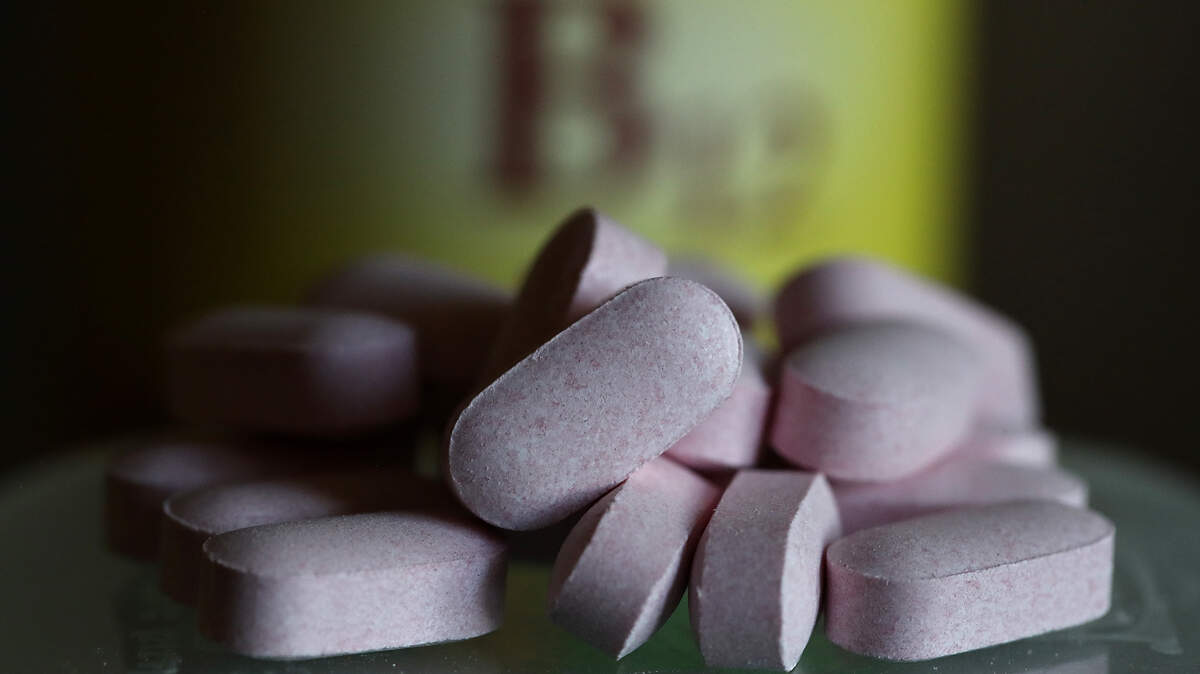
Millions of women in their late 30s, 40s and early 50s are quietly rewriting how perimenopause gets managed. Instead of waiting for a doctor to prescribe hormones or accepting that nothing can be done, they are building personalized supplement stacks that shift day to day based on how they feel. What started as scattered advice on social media has hardened into a consumer movement backed by direct-to-consumer brands, celebrity routines and a global menopause market projected to reach $28.8 billion by 2033.
The practice, often called perimenopause supplement stacking, involves combining non-hormonal products like magnesium glycinate, creatine, adaptogens and targeted botanical blends to address specific symptoms. And it is reshaping how a generation of women approaches midlife health.
How perimenopause supplement stacking works
A stack is a modular set of supplements chosen for symptoms rather than a one-size-fits-all multivitamin. Women assemble different combinations for different needs. A nighttime routine might pair magnesium glycinate with a sleep formula. A brain fog routine might combine creatine, omega-3s and adaptogens. On high-stress days, users layer in cortisol complexes.
Some women rotate stacks based on menstrual cycle phase or wearable data like heart rate variability. Peer protocols circulate on TikTok, Reddit and private Facebook groups, where creators post daily perimenopause routines and dosage tips.
Modular brands have leaned into the trend. Coral Gables-based Season34 launched nine hormone-free formulations explicitly designed to be stacked without exceeding safety thresholds for any single ingredient. Founder Kim Stanbury said the company is “creating a personalized system that is fully stackable.” Perelel sells a five-capsule Peri Support Pack bundling a perimenopause multi, omega DHA and EPA, an adaptogen complex and a metabolic support capsule. Pink Stork, with more than 50,000 verified Amazon reviews and shelf space at Target, Walmart and CVS, promotes stacks combining NAD+, creatine, beef organ complex and a cortisol formula. Actress Judy Greer’s brand Wile Women targets hormonal transitions with symptom-specific, hormone-free products.
Why women are turning to non-hormonal options
The stacking movement has deep roots. The 2002 Women’s Health Initiative results shifted attitudes toward hormone therapy and left many women wary of HRT for decades. Estrogen patch shortages in 2025 and confusion over new FDA guidance have added fresh pressure, pushing more women toward over-the-counter options.
Non-hormonal validation arrived in May 2023 when the FDA approved fezolinetant, sold as Veozah, for hot flashes. The North American Menopause Society issued a position statement the same year summarizing non-hormonal options, signaling that alternatives could be legitimate paths for symptom relief.
Celebrities have poured fuel on the fire. Halle Berry has publicly discussed taking magnesium and creatine for brain fog. She and Naomi Watts helped drive the short film The M Factor, which reported that 80% of women viewers better understood menopause afterward and 85% felt empowered to talk about it with family and friends.
Who is stacking and how big the market has become
The core user base is women aged 35 to 55, often still cycling and dealing with early or mid-perimenopause symptoms like irregular periods, insomnia and anxiety. One report notes 55% of women experience perimenopausal symptoms in their 30s, suggesting the trend will keep pulling in younger consumers.
The commercial stakes are large. Grand View Research estimates the global menopause market at $18.7 billion in 2025, growing to $28.8 billion by 2033 at a 5.6% compound annual growth rate. Market Reports World cites data showing more than 79% of peri- and postmenopausal women use botanical dietary supplements, with 36.5% taking them daily.
What women should know before building a stack
Evidence for many perimenopause supplements remains uneven. Phytoestrogen products may deliver only 10% to 20% symptom reduction in some studies, and NIH-summarized research has questioned popular botanicals like black cohosh for hot flashes. Roughly 70% of women do not disclose supplement use to their doctors, raising interaction risks as stacks grow more complex.
Before adding products, women can ask what symptoms they are targeting, whether ingredients overlap across bottles and whether products carry quality seals like USP verification. Bringing every bottle to a doctor’s visit, along with a symptom diary, makes it easier to flag conflicts with prescriptions or underlying conditions.
This article was created by content specialists using various tools, including AI.
.jpeg)