Backyard ideas for dogs: What to add, what to skip and how to build a yard your dog actually enjoys
You finally have the yard. Maybe you just moved into your first house, maybe you fenced in the space you already had, but either way your dog now has room to run that they never had before.
The temptation is to open the gate and call the job done. A patch of grass will keep them busy for a while, and there is nothing wrong with that. But the backyard ideas for dogs that really earn their keep are the ones built around what your dog is driven to do.
The best place to start is with the thing your dog is itching to do the second you open the gate, which is move.
Backyard ideas for dogs that burn energy
Weight is a widespread problem. The Association for Pet Obesity Prevention reports that close to 60% of American dogs are overweight or obese. Founder Dr. Ernie Ward calls this “not just a cosmetic issue” but a contributor to diabetes, joint disease and other conditions.
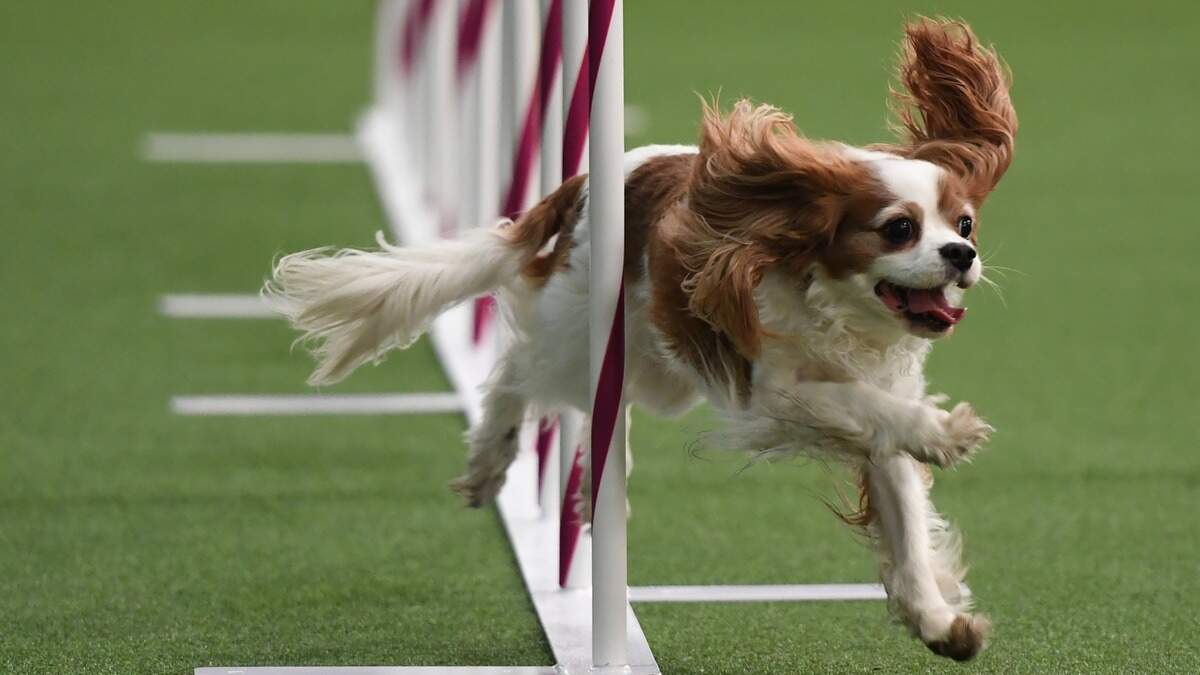
Dog obstacle course. You do not need competition-grade agility gear. A homemade dog obstacle course can combine adjustable jump bars, a tunnel, weave poles, a low balance beam and a hoop to leap through. Begin with low heights, reward each attempt and raise the challenge as your dog gains confidence.
Dog digging pit. Digging only reads as destructive when it happens in the wrong place. UC Davis veterinarians note that dogs dig because it feels good, and sometimes out of boredom or a search for a cool patch of earth. A dedicated dog digging pit, whether a wooden sandbox or a filled hole of soft play sand or topsoil, redirects the instinct. Bury toys inside and reward the finds to mark it as the approved zone.
Backyard ideas for dogs that keep them cool
All that running has a catch, which is heat, and the data on it is blunt. Research published by the Royal Veterinary College found that physical activity, not warm weather or parked cars, was the primary trigger behind heat-related illness in dogs. Exercise accounted for 74% of cases, environmental heat for roughly 13% and hot cars for only 5%.
The lesson is that a dog running hard in its own yard needs a way to cool down on the spot.
Water features. The simplest is a dog pool, meaning a shallow kiddie pool you fill with a hose. A dog splash pad or dog-activated fountain raises both the effort and the fun, switching on when your dog steps onto it. A plain sprinkler works too and doubles as a chase game. The kiddie pool is the cheapest entry point, while plumbed features are the bigger commitment.
Shade. When panting alone cannot shed enough heat, dogs fall back on shade. A mature tree or covered patio may already handle it. Where natural cover is thin, a dog shade canopy or an insulated outdoor dog house creates a dedicated cool retreat. Set a water bowl wherever the shade lands so drinking and cooling happen in one place.
A place to lie down. Bare ground heats up fast, so lifting your dog off it helps. Dr. Antje Joslin, a veterinarian for Dogtopia, told NBC News that “a general rule is that if you’re comfortable outside, your dog probably will be as well.” She noted that many dogs do great outside between 55 and 80 degrees Fahrenheit, though anything below 40 or above 90 should be limited to less than 15 minutes at a time. A raised, water-resistant outdoor dog bed in the shade gives them a comfortable base.
Backyard ideas for dogs that add enrichment
Physical outlets matter, but mental ones matter just as much.
Dog sensory garden. The ASPCA runs a dog sensory garden at its Behavioral Rehabilitation Center to help frightened dogs grow more secure. “Movement, new, safe experiences and sniffing can increase confidence and reduce stress in dogs,” says behavior rehabilitation specialist Jennifer White. “A sensory garden gives dogs the opportunity to choose their own adventure.” Line a winding path with non-toxic, fragrant plants such as lavender, rosemary, chamomile and wheatgrass, confirming each one is dog-safe first.
A lookout. Dogs like to keep an eye on their patch. A raised deck landing or a low sculpted mound near the fence gives them a vantage point. Where a built perch is impractical, a dog fence window, a see-through acrylic porthole fitted at eye level, delivers the same view. Letting a dog see out often reduces the anxious pacing that comes from only being able to hear what lies beyond the fence.
Adding a dog wash station to your yard
Every feature above produces one predictable result, a dirty dog at the back door. A dog wash station handles it outside.
At the low end, a dog washing station is a hose, a spray nozzle and somewhere to clip the leash. At the high end it is a raised basin with warm-water plumbing and a handheld sprayer, which spares your back as well as your floors. A towel hook and a shelf for shampoo finish it off, and baths never migrate indoors again.
What your dog doesn’t want in the backyard
Good design also means subtraction. A few backyard staples carry real risks.
Watch for plants toxic to dogs. Sago palm, oleander, foxglove, azaleas and lily of the valley are all common and all poisonous. Cross-check the ASPCA toxic plant list before anything goes in the ground.
Avoid cocoa mulch. Its chocolate scent comes bundled with theobromine, the compound behind chocolate’s toxicity, and many dogs will eat it. Cedar or untreated bark is a safer ground cover.
Keep chemicals off the lawn where you can. Because dogs stay low and sniff constantly, fertilizers, weed killers and insecticides reach them easily. If treatment is unavoidable, choose pet-safe formulas and wait until the yard is fully dry before letting your dog back out.
Tick prevention for dogs and yard-based tick control
Effective tick prevention for dogs is partly a landscaping job.
Mow regularly and trim your edges, since ticks lurk in tall grass and brush. Rake up leaf litter and clear brush piles, which hold the moisture ticks depend on. For extra tick control for dogs, lay a band of gravel or wood chips between the lawn and any wooded boundary to slow their spread.
Inspect your dog after every outing, checking the ears, armpits and gaps between the toes, and pull any tick out whole with tweezers.
The stakes here are Lyme disease. Dr. Jenny Hyde, an associate professor at Texas A&M who has studied it for roughly 25 years, told Campus Insights Media that it ranks as the number one tick-borne illness in the United States.
A tick generally needs about two days attached to pass on the bacteria, which is why fast checks work. “You have to look,” Hyde said. “And then when you remove them, because these are very very small ticks, you have to make sure you get the head and completely remove them with a pair of tweezers or something like that.”
No human vaccine exists yet, but a canine one does, so raise it with your vet.
Put together, these backyard ideas for dogs turn an ordinary yard into something closer to a purpose-built playground, and a safer one at that.
This article was created by content specialists using various tools, including AI.