Why hearing loss is emerging as one of the most preventable warning signals of future dementia risk
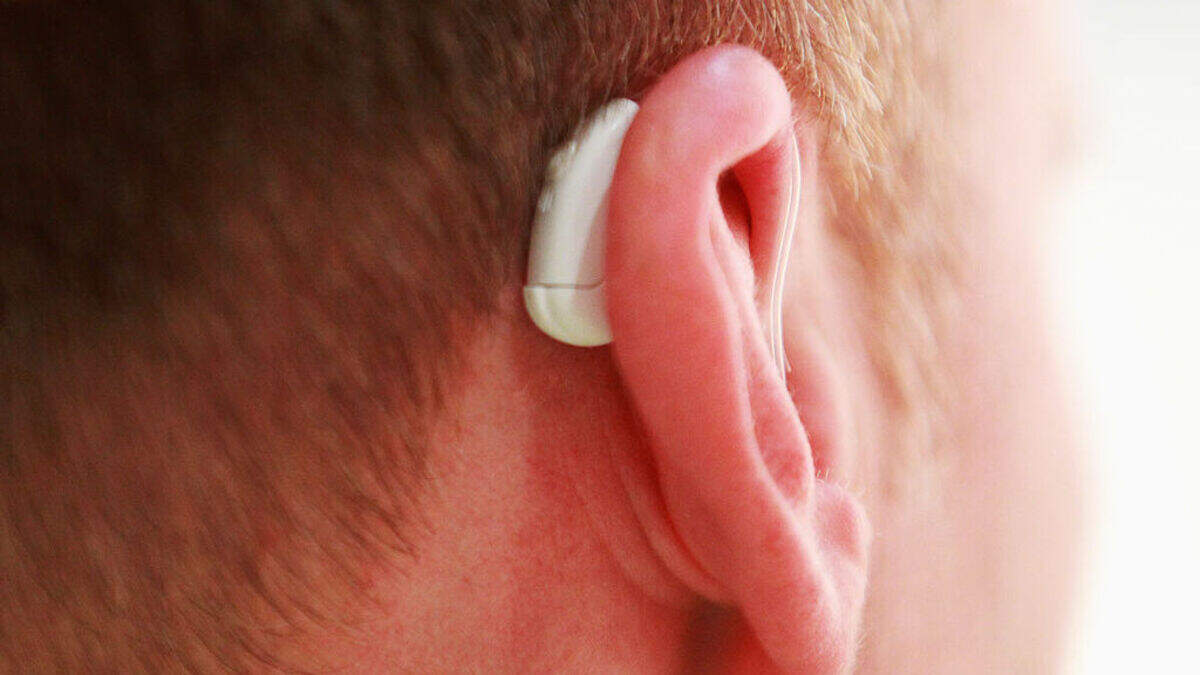
One in seven cases of dementia worldwide traces back to a single factor most adults ignore for nearly a decade. Untreated hearing loss now sits at the top of the list of preventable dementia risks, and the average person waits nine years before doing anything about it.
That gap matters because the science on prevention has sharpened considerably in the past two years. Researchers are now identifying causes that were invisible before, from noise exposure habits to rare genetic mutations.
What Hearing Loss Does to Dementia Risk
The 2024 Lancet Commission on dementia prevention identified hearing loss and high LDL cholesterol as the two largest modifiable risk factors, each linked to 7 percent of dementia cases globally. A meta-analysis in the commission’s report tied untreated hearing loss to a 37 percent increase in dementia risk.
Addressing all 14 modifiable factors identified in the report, hearing loss included, could prevent or delay up to 45 percent of dementia cases worldwide. That puts hearing health right alongside blood pressure and cholesterol management as one of the more actionable levers people have for protecting long term brain function.
Why Most People Wait Nine Years to Get Help
Adults who notice changes in their hearing take an average of nine years to seek treatment. The delay usually comes down to two things. The onset is gradual enough to mask how serious it’s become, and family members often start compensating long before the person recognizes there’s a problem.
That nine year window is where preventable damage builds. The longer hearing loss goes untreated, the more the brain adapts to reduced sound input, which researchers believe contributes to the elevated dementia risk seen in long term studies.
What Is Causing Hearing Loss in Younger Adults
The World Health Organization’s 2026 fact sheet estimated that more than 1 billion young adults are at risk of permanent hearing loss from unsafe listening habits, primarily loud headphone use through earbuds and personal audio devices. Unlike genetic or age related decline, this cause is entirely preventable at any age.
Genetics still plays a role too, though the picture is getting more hopeful. A University of Miami led study in the Journal of Clinical Investigation identified rare mutations in the CPD gene that disrupt a cochlear cell survival pathway. The finding points to the first potentially treatable genetic cause behind some cases of inherited deafness, opening the door to therapies that didn’t exist a few years ago.
Where Hearing Loss and Other Health Risks Overlap
A 2025 Healthy Aging Data Report analysis of 427 communities across Massachusetts and Rhode Island found that hearing difficulties and fall risk cluster together geographically. Communities with higher rates of one tend to have higher rates of the other. It’s a pattern researchers expect to hold in other regions as more localized data becomes available.
How to Catch Hearing Loss Early
A baseline hearing test in your 50s, even without symptoms, gives you a benchmark for spotting decline before that nine year treatment delay sets in. Turning down headphone volume and taking listening breaks addresses one of the few entirely preventable causes flagged by WHO.
For adults noticing changes now, over the counter hearing aids have made treatment more accessible than it’s ever been, removing one of the biggest barriers, cost, that used to keep people from getting help sooner.
Treating hearing loss earlier isn’t just about hearing better. It ties into lower fall risk and lower dementia risk, which puts it in the same category as the routine blood pressure checks you already schedule every year.
This article was created by content specialists using various tools, including AI.