
Your at-home mani pedi routine explained, with every product and step that delivers salon-level results
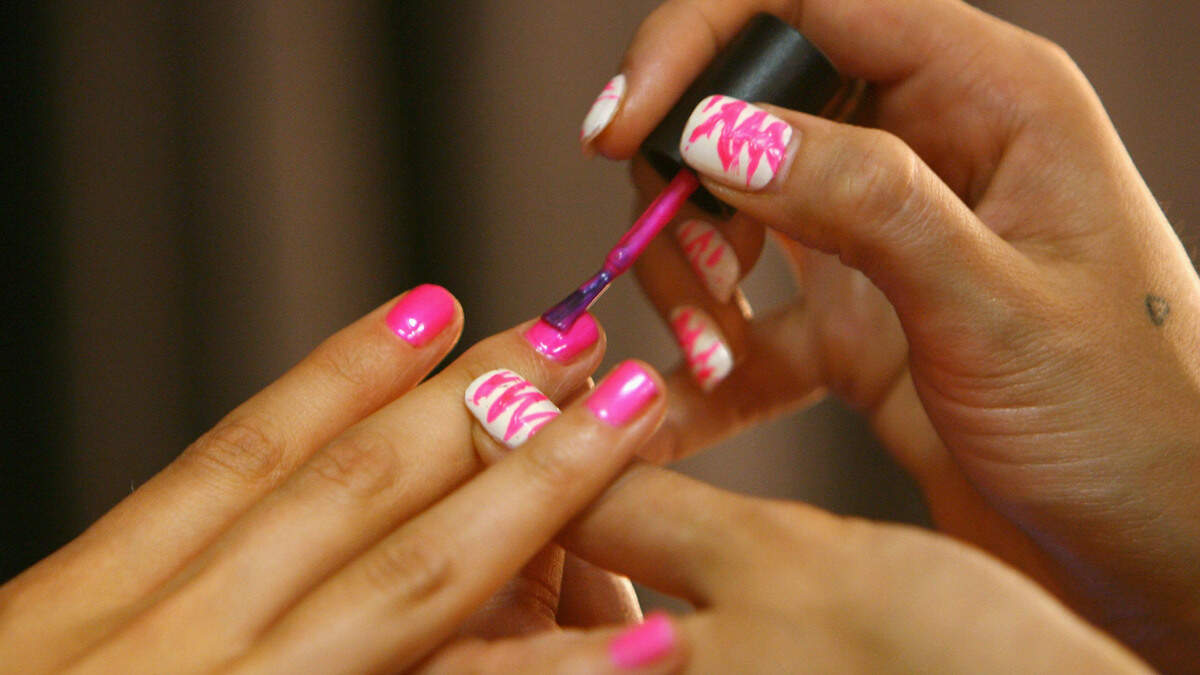
At-home manicures and pedicures have moved from pandemic workaround to permanent routine for people who want salon-quality nails without the cost or the damage that often follows repeated gel services. Here is what is driving the at home shift and what you need to set up a kit that actually works.
Why is the at-home mani pedi trend growing in 2026?
Three forces are fueling the at home nail trend. DIY beauty habits that took hold during the pandemic stuck around, salon prices keep climbing and social media tutorials have made recreating a polished look feel doable for most people.
The aesthetic is changing too. Meaghan Wray of The Kit wrote about why the manicure mood is shifting in 2026. “Where elaborate nail art once dominated Instagram, the manicure mood now leans toward something subtler, short, healthy-looking nails that emphasize the natural nail rather than covering it up completely. Scroll and you’ll find entire corners of the internet dedicated to nail rehab, where former gel devotees document the slow process of growing their natural nails back,” Wray wrote.
How much does an at-home manicure cost compared to a salon visit?
A salon gel manicure typically runs $40 to $100 or more every two to three weeks, while a salon gel pedicure costs another $40 to $80. An at-home setup costs roughly $60 to $150 upfront, depending on what you purchase, with reusable tools and a much lower long-term cost.
The math gets compelling quickly. One or two salon visits can equal the cost of an entire at home kit you will use for months. You also skip booking appointments, travel time and tipping. For pedicures the gap widens further, since salon pedicures often carry a premium over manicures.
The tradeoff is time and skill. Your first few attempts may not match a trained technician’s finish, but the upfront investment pays off as your technique improves and your nails get healthier.
Are gel manicures damaging your nails?
Repeated gel manicures can leave nails thin, soft and dehydrated. Common problems include over-filing of the nail plate, improper gel removal that leads to peeling or picking, concerns about UV lamp exposure and ongoing dehydration of the nail plate under the polish.
Wray described what happened to her own nails after years of gel appointments. “I became a regular at my neighborhood nail spot and loved the ritual of leaving with a fresh set, even though I almost always got the same thing, a coffin shape with a neon green French tip (my idea of a classic). But over time, something started to bother me. My nails couldn’t really survive without the gel. Whenever the polish came off, they felt soft and bendy, the UV curing process always hurt and the appointments were expensive and time-consuming,” she wrote.
Doing your nails at home gives you control over how aggressively the nail plate is filed and how gel is removed, which can lower the risk of long-term damage.
What is TPO and why did the European Union ban it from gel polish?
TPO is trimethylbenzoyl diphenylphosphine oxide, a chemical used in many gel nail polishes that the European Union banned from being manufactured, sold or commercially used as of September 1, 2025.
Genesis Magpayo wrote about the ban for PBS NewsHour. “On Sept. 1, the European Union banned one of the key ingredients from being manufactured, sold or commercially used. Nail technicians in salons across the continent need to dispose of polishes containing trimethylbenzoyl diphenylphosphine oxide, or TPO, and switch to alternatives. The chemical was classified as “carcinogenic, mutagenic, or toxic to reproduction” by European regulators after it was found to have reproductive toxicity effects in animal studies,” Magpayo wrote.
The ban does not apply in the United States, but it has pushed some at home users to scan ingredient lists more carefully and consider TPO-free formulas.
What tools do you need for an at-home manicure?
A basic at home manicure kit includes a glass or fine-grit nail file for shaping without tearing layers, a buffer block for light surface smoothing, a cuticle pusher for gentle cleanup and cuticle oil for hydration and long-term nail health.
For polish you will want a base coat for grip and nail protection, your nail polish or gel polish system of choice and a top coat for shine and chip resistance. Soak your hands in warm water before starting to soften cuticles and make cleanup easier.
Skip aggressive cuticle cutting. The cuticle is a barrier that protects the nail from bacteria, so a gentle push back is enough. Keep cuticle oil within reach and use it daily, not only on manicure day.
What do you need for an at-home pedicure?
An at home pedicure adds a few foot-specific tools to your manicure kit. You will need a foot basin or bowl for soaking, a pumice stone or foot file for rough skin and heels, a towel dedicated to your feet and toe spacers to keep polish lines clean during application. A callus remover is optional for heavier buildup.
Soak your feet in warm water before filing or pushing back cuticles. After drying, work on calluses gently and finish with the same base coat, polish and top coat routine you use on your hands. Cuticle oil belongs on toenails too.
Toe spacers make polish application much easier and cut down on smudging while layers dry. Block out enough time so you are not rushing the drying step.
This article was created by content specialists using various tools, including AI.